
Understanding Identity Theft and How to Protect Yourself
Learn what identity theft is, how criminals misuse your information, and practical steps you can take today to reduce your risk.
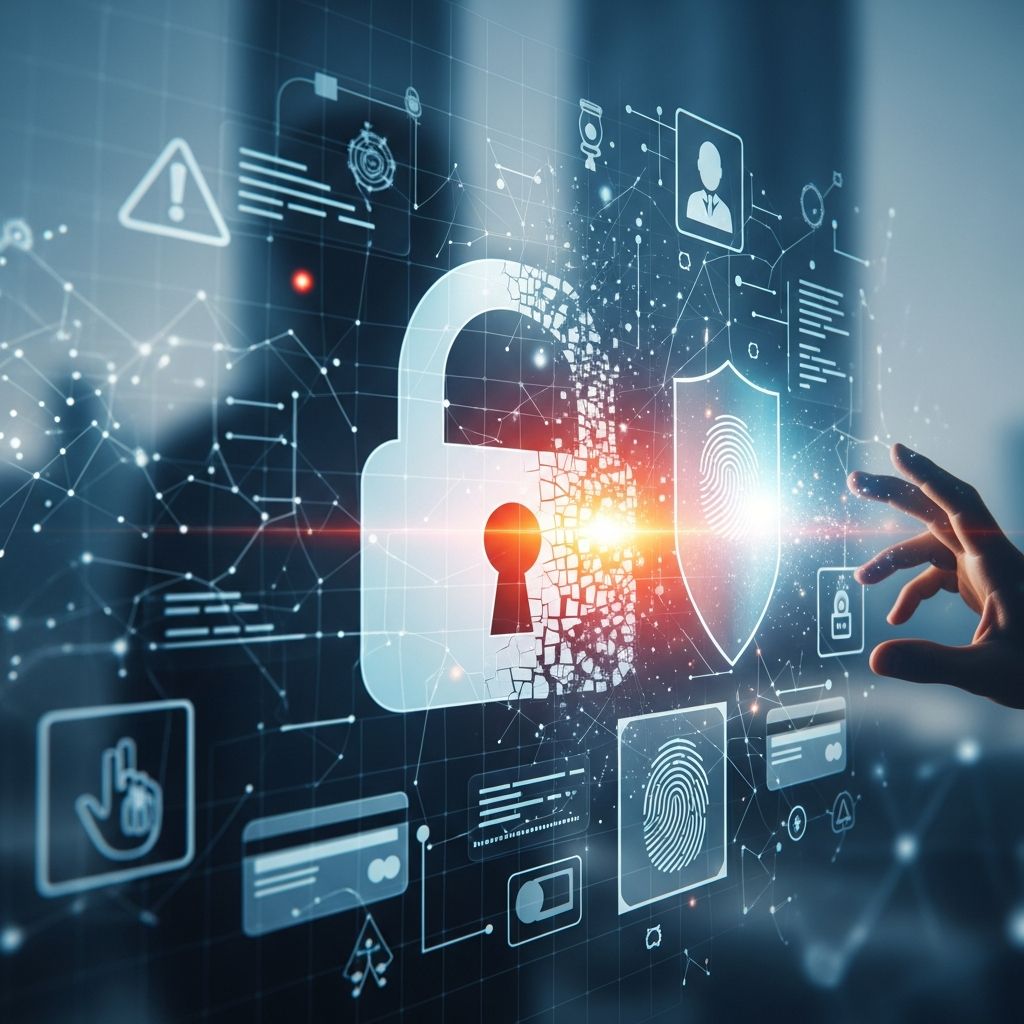
Identity theft happens when someone uses your personal information without your permission to commit fraud or other crimes. It can affect your money, your credit, and even your sense of security. Knowing how it works is the first step toward protecting yourself.
What Is Identity Theft?
Identity theft is the unauthorized use of your personal data to impersonate you, gain access to your accounts, or open new accounts in your name. Thieves often target information that can uniquely identify you, such as:
- Full name and date of birth
- Social Security number or other government ID numbers
- Bank account and credit card numbers
- Online account usernames and passwords
- Health insurance or tax records
Once a criminal has enough details, they can pretend to be you when dealing with financial institutions, government agencies, healthcare providers, and online services.
Common Ways Identity Thieves Use Your Information
Identity thieves may exploit your information in different parts of your life. Below are some of the most frequent types of misuse.
1. Financial Account Fraud
Financial identity theft involves using your information to access your money or credit.
- Making unauthorized charges on existing credit cards
- Withdrawing funds from your checking or savings accounts
- Opening new credit cards, loans, or lines of credit in your name
- Using buy-now-pay-later services with your details
These activities can quickly lead to overdrafts, maxed-out cards, and damaged credit histories if not caught early.
2. Government and Tax-Related Identity Theft
Government-related identity theft occurs when someone uses your information to interact with government agencies in your name. This can include:
- Filing a fake tax return to claim a refund before you do
- Claiming unemployment or public benefits with your identity
- Using your information to avoid law enforcement or fines
The IRS notes that criminals may use stolen taxpayer identification numbers to file fraudulent returns and steal refunds.
3. Medical and Insurance Misuse
In medical identity theft, someone uses your personal or insurance information to get healthcare services, prescriptions, or medical equipment.
- Submitting fake insurance claims using your policy
- Receiving treatment or medication under your name
- Altering your medical records, which can pose health risks
This kind of fraud can leave you with unexpected bills, rejected claims, or inaccurate medical histories.
4. Employment and Utility Fraud
Some thieves use stolen identities to get everyday services or work they might not otherwise qualify for.
- Getting a job using your Social Security number
- Opening phone, internet, or electricity accounts in your name
- Leasing property or renting equipment using your credit profile
These activities may not show up immediately but can appear later as unexpected bills, collection notices, or tax problems.
5. Online Account Takeovers
Online identity theft focuses on hijacking your digital presence.
- Breaking into your email, social media, or cloud storage
- Resetting passwords and locking you out of your accounts
- Using your accounts to scam friends or business contacts
- Stealing stored payment cards or saved personal documents
Because many services are linked to email or phone numbers for password resets, one compromised account can put others at risk.
How Thieves Steal Personal Information
Understanding how data is stolen helps you block common attack routes. Identity thieves may:
- Send phishing emails or texts that trick you into sharing passwords or codes
- Call pretending to be from the government, a bank, or tech support to get your data
- Search trash for bills or statements you threw away without shredding
- Skim card details at ATMs or payment terminals
- Exploit data breaches to buy or sell stolen information
- Guess weak or reused passwords on your accounts
In many cases, the victim does not know their information is compromised until after it is misused.
Early Warning Signs of Identity Theft
Spotting identity theft quickly can reduce damage and make recovery easier. Watch for:
- Bank or credit card transactions you do not recognize
- Bills for services or products you never received
- Debt collection calls for accounts you did not open
- Mail that suddenly stops arriving, or missing account statements
- Notices about logins from unknown devices or locations
- Tax letters saying more than one return was filed in your name
- Unexpected changes to credit limits or loan applications you did not submit
If you notice any of these, act quickly by contacting your bank, card issuers, and relevant agencies.
Comparing Types of Identity Theft
The table below outlines how different types of identity theft typically affect you.
| Type of identity theft | Main target | Common impact |
|---|---|---|
| Financial | Bank accounts, credit cards, loans | Unauthorized charges, debts, lower credit scores |
| Tax / Government | Tax returns, benefits, official records | Delayed refunds, benefit issues, IRS or agency notices |
| Medical | Health insurance, medical records | False medical history, denied claims, surprise bills |
| Employment / Utility | Social Security number, credit profile | Tax mismatches, unpaid bills in collections |
| Online account takeover | Email, social media, cloud, e-commerce accounts | Locked accounts, scams targeting your contacts, data exposure |
Practical Steps to Lower Your Risk
You cannot eliminate all risk, but you can make identity theft much harder. Many effective protections are simple habits you can build over time.
Strengthen Your Digital Security
- Use strong, unique passwords. Security experts recommend using long passwords with a mix of letters, numbers, and symbols, and not reusing them across accounts.
- Turn on multi-factor authentication (MFA). Adding a code, security key, or app prompt makes it harder for thieves to log in even if they have your password.
- Update software regularly. Keeping systems, apps, and antivirus tools up to date helps close security holes that attackers exploit.
- Use secure networks. Avoid doing sensitive activities on public Wi-Fi; if you must, use a reputable virtual private network (VPN) to encrypt your connection.
Guard Personal Information Offline
- Shred sensitive documents. Shred bank statements, tax records, medical bills, and any paper with personal data before throwing them away to stop dumpster-diving thieves.
- Store records securely. Keep passports, Social Security cards, and key financial records in a locked drawer, safe, or other secure location.
- Limit what you carry. Avoid carrying your Social Security card or unnecessary cards in your wallet where they can be lost or stolen.
- Protect your mail. Collect mail daily and place holds when traveling to reduce the chance of theft.
Be Skeptical About Requests for Information
- Ignore calls, texts, and messages from unknown numbers or accounts when they ask for personal or financial information.
- Do not click links or open attachments in unexpected messages, even if they appear to come from a trusted organization.
- Go directly to official websites or use verified phone numbers instead of using contact details in a suspicious message.
- Be cautious on social media; sharing your birthday, full name, or answers to common security questions makes it easier for thieves to impersonate you.
Monitor Accounts and Credit
- Review bank and credit card statements frequently for unfamiliar transactions and report issues immediately.
- Check your credit reports periodically to confirm that there are no new accounts you do not recognize and that your information is correct.
- Consider placing a credit freeze or fraud alert with major credit bureaus if you are concerned about new accounts being opened in your name.
- For tax security, the IRS encourages using strong passwords and monitoring tax and financial accounts for unusual activity.
What to Do If You Suspect Identity Theft
If something seems wrong, responding quickly can limit harm. Specific steps may depend on what information was exposed, but you can use this general roadmap:
- Contact affected companies. Call the bank, card issuer, or service provider, explain that your identity may be compromised, and ask them to close or freeze affected accounts and issue new cards or credentials.
- Change passwords immediately. Update passwords for any compromised or related accounts and enable multi-factor authentication where possible.
- Place fraud alerts or credit freezes. Contact the major credit bureaus to place a fraud alert or freeze on your credit file so new accounts are harder to open in your name.
- Watch tax and benefit records. If you suspect tax- or benefit-related misuse, monitor your IRS and other government accounts closely and respond promptly to official notices.
- Document everything. Keep records of phone calls, letters, and emails with companies or agencies, including dates, names, and case numbers.
Depending on your situation, you may also want to file police or regulatory reports and use official recovery guides that walk you through tailored response steps.
Everyday Habits That Help Prevent Identity Theft
Small steps, done consistently, can make you a much harder target. Consider these ongoing habits:
- Use different, strong passwords for your financial, email, and social media accounts.
- Sign up for alerts from banks and card issuers so you get quick notifications about charges or logins.
- Limit the personal details you share online, especially details that are often used for identity verification.
- Back up important files and store copies separately so you can recover quickly if accounts are compromised.
- Teach family members, especially children and older adults, how to spot scams and protect their information.
Frequently Asked Questions About Identity Theft
Q1: Is identity theft the same as a data breach?
No. A data breach occurs when information is exposed or accessed without authorization, often from a company or organization. Identity theft happens when that information is actually used to impersonate someone or commit fraud. A breach can increase the risk of identity theft, but not every breach leads to misuse.
Q2: Can someone steal my identity with just my name and address?
Name and address alone are usually not enough for major financial fraud, but they can be combined with other exposed details to answer security questions or build a more complete profile. That is why it is important to limit how much personal information you share and to secure more sensitive data, such as government ID numbers and account credentials.
Q3: How often should I check my financial statements and credit reports?
It is wise to review bank and card statements at least monthly and to look at transaction alerts more frequently if you enable them. You should also check credit reports periodically to make sure there are no unfamiliar accounts or addresses associated with your file.
Q4: Does using public Wi-Fi increase my risk of identity theft?
Yes, public Wi-Fi networks can be less secure, making it easier for attackers to intercept data. Experts recommend avoiding online banking or other sensitive activities on public Wi-Fi, or using a reputable VPN to encrypt your connection.
Q5: What is the most important thing I can do today to protect myself?
Start by locking down your most important accounts: email, banking, and mobile phone logins. Use strong, unique passwords, turn on multi-factor authentication, and review recent activity for anything unusual. Then, adopt regular monitoring of your financial statements and credit so you can spot problems early.
References
- Identity theft — USAGov. 2024-03-18. https://www.usa.gov/identity-theft
- Identity Theft Awareness — U.S. Department of Veterans Affairs. 2023-04-11. https://department.va.gov/privacy/identity-theft/
- Identity theft guide for individuals — Internal Revenue Service. 2024-01-10. https://www.irs.gov/identity-theft-central/identity-theft-guide-for-individuals
- Identity Theft Preventative Measures Checklist — Pennsylvania Office of Attorney General. 2022-09-01. https://www.attorneygeneral.gov/protect-yourself/identity-theft/identity-theft-preventative-measures-checklist/
- Strategies for Preventing Identity Theft — CrowdStrike. 2023-06-15. https://www.crowdstrike.com/en-us/cybersecurity-101/identity-protection/identity-theft-prevention-strategies/
- Identity Theft and Online Security — Federal Trade Commission Consumer Advice. 2023-08-09. https://consumer.ftc.gov/identity-theft-online-security
Similar Articles








Read full bio of Sneha Tete




