
Idaho Adoption Law: Complete 2025 Guide To Eligibility, Consent
A practical guide to Idaho adoption requirements, procedures, consents, and home study rules for prospective parents.
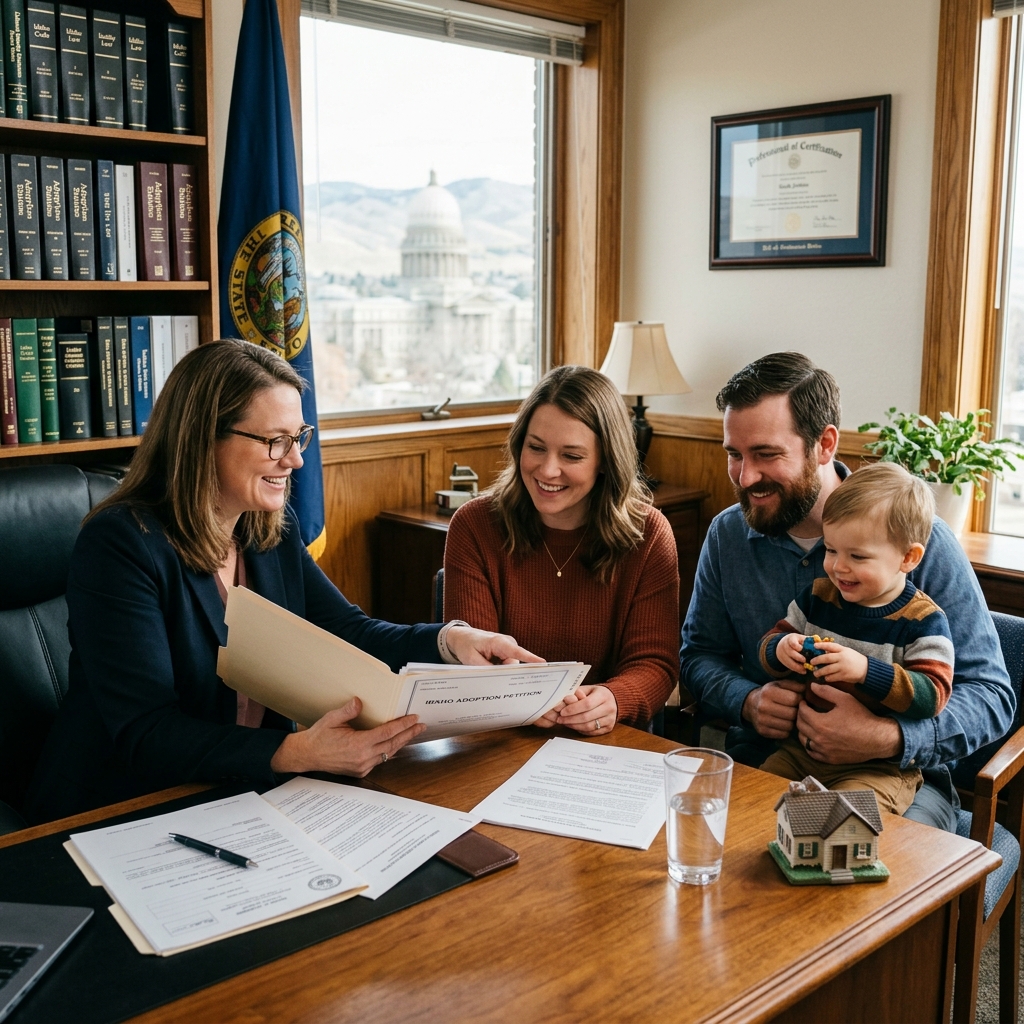
Idaho adoption law is designed to protect children while providing clear rules for adults who wish to create permanent family relationships through adoption. This guide explains who may adopt in Idaho, which children may be adopted, how consent works, what the home study involves, and how the court process unfolds, so that families can approach adoption with realistic expectations and solid information based on Idaho statutes and official guidance.
Idaho’s Legal Approach to Adoption
In Idaho, adoption is a legal process that transfers all parental rights and responsibilities from the child’s birth parents to the adoptive parent or parents. The state’s laws focus on two core principles:
- Best interest of the child — Courts and agencies prioritize the child’s safety, stability, and long-term well-being.
- Clear procedural safeguards — Statutes set detailed requirements for consent, eligibility, home studies, and court hearings, helping ensure adoptions are lawful and permanent.
Understanding these principles helps prospective adoptive parents see why the process can be detailed and sometimes lengthy: the goal is to create a lifelong legal relationship that is secure for everyone involved.
Who Can Adopt in Idaho?
Idaho law allows broad eligibility for adults who wish to adopt, but it imposes specific age and residency rules.
General Eligibility Rules
- Adult status: The adoptive parent must be an adult under Idaho law.
- Residency: In most cases, the petitioner must have resided and maintained a dwelling in Idaho for at least six consecutive months before filing the adoption petition.
- Age requirements: The person adopting a minor must usually be either at least 25 years old or at least 15 years older than the child.
- Marital status: Married prospective parents typically must have the spouse join or consent to the adoption.
These requirements help ensure that adoptive parents are mature, stable residents of the state and capable of providing long-term care.
Exceptions to Age Requirements
Idaho recognizes that certain family relationships justify flexibility in age rules. Statutes and official guidance identify key exceptions:
- Stepparent adoptions: If the person adopting is the spouse of a natural parent (stepparent adoption), the usual age rules do not apply.
- Adult adoptees: For adoption of adults, age requirements may be waived when the court finds that the prospective adoptive parent has maintained a substantial parent-child relationship with the adoptee for more than one year.
These exceptions allow existing family bonds to be formalized without strictly applying age gaps that are more relevant to unrelated minor adoptions.
Who May Be Adopted in Idaho?
Idaho law permits both minor children and adults to be adopted, subject to specific conditions.
- Minor children: Any minor child may be adopted by an adult resident, following all statutory requirements and consent rules.
- Adults: Persons who are not minors can also be adopted when there is a meaningful existing parent-child relationship and when legal requirements are satisfied.
Adult adoption can be important for stepchildren, foster youth who age out, or others who wish to formalize long-standing family relationships.
Consent Requirements in Idaho Adoptions
Consent is a central feature of Idaho adoption law: the people whose legal rights will be affected must typically agree in writing to the adoption, unless a court has already terminated those rights.
Who Must Consent to a Minor’s Adoption?
Idaho statutes identify multiple parties whose consent may be required, depending on the family situation.
- Biological parents when the child was conceived or born during marriage.
- Mother of a child born outside marriage.
- Unmarried father who has legally established paternity or been adjudicated as the child’s father before the mother gives consent.
- Legally appointed guardian of the child.
- Child age 12 or older, unless the court finds the child is not mentally capable of consenting.
Consent is generally not required from someone whose parental rights have already been terminated by court order. In complex situations—such as disputed paternity or prior child protection cases—courts will carefully examine who must consent.
Consent in Adult Adoptions
For adult adoptions, consent requirements change:
- The adult adoptee must consent to the adoption.
- The adoptee’s spouse, if any, may also need to consent, because the adoption can affect marital property and legal rights.
Adult adoption is primarily a matter of mutual agreement between the adult adoptee and the adoptive parent, but courts still review the arrangement to ensure it is voluntary and lawful.
Form and Timing of Consent
Idaho law requires that consent to adoption be in writing and given before an authorized officer, district judge, or magistrate. This formal procedure serves to:
- Confirm that the consenting person understands the legal consequences.
- Reduce disputes about whether consent was voluntary.
- Create a clear record for the court.
Because consent is irrevocable in many circumstances once an adoption is finalized, anyone considering relinquishing parental rights should seek legal advice before signing.
Home Study Requirements for Idaho Adoptions
Before a child is placed in an adoptive home, Idaho requires a comprehensive home study, often called a social investigation, to ensure the home is safe and suitable.
Purpose of the Home Study
The home study serves several purposes:
- Evaluating whether the prospective parents can provide a safe and stable environment.
- Reviewing the family’s background, health, and finances.
- Helping the family prepare emotionally and practically for adoption.
Agencies and courts rely on home study findings when deciding whether a proposed adoption is in the child’s best interest.
Key Components of the Home Study
According to Child Welfare Information Gateway’s summary of Idaho law, home studies must cover specific areas.
- Age and residency verification: Confirmation that the adopting person meets Idaho’s age requirements and has lived in Idaho for at least six months, unless an exception applies.
- Physical and mental health: Each adoptive applicant must provide a medical statement from a qualified professional, dated within 12 months, verifying that their health will not adversely affect the child’s care.
- Home and neighborhood: Assessment of the adequacy of the house, property, and community.
- Education, employment, and finances: Review of the applicant’s educational background, employment history, income, and financial resources.
- Criminal and child protection history: Fingerprint-based criminal history and child abuse/neglect checks for applicants and other adults in the home, with limited exceptions for stepparent cases.
- Family composition and relationships: Documentation of biological and adopted children, marital history, and family dynamics.
- Religious and cultural practices: Understanding of the family’s values, traditions, and attitudes toward the child’s birth family.
Once initiated, Idaho home studies must be completed within 60 days and updated annually if the adoption has not yet been finalized.
Special Rules for Stepparent and Relative Adoptions
When the adoptive parent is married to the birth parent or is the grandparent of the child, the court may limit the scope of the social investigation, ordering a home study only as needed. This recognizes that the child may already live with or have a close relationship with the petitioner, reducing the need for full assessment.
The Court Process for Adoption in Idaho
Adoption in Idaho becomes legally binding through a court proceeding, typically in district court. Idaho Code section 16-1506 outlines the basic structure.
Filing the Adoption Petition
Proceedings start when the person or persons seeking to adopt file a petition.
- The petition is filed in the district court of the county where the petitioner resides, unless the child is part of an existing child protection case.
- If the child is involved in a child protection case, the adoption petition is usually filed in the same court that has jurisdiction over that case.
- The petition must include information such as: the petitioner’s name and address, the child’s current and proposed name, the relationship between petitioner and child, and the names of any people or agencies whose consent is required.
Nonresident petitioners in child protection cases face additional requirements, such as the child living with them continuously for a specified period before filing.
Attendance at the Hearing
At the hearing, certain individuals typically must appear.
- The person adopting the child.
- The child being adopted, especially in minor adoptions.
- The spouse of the petitioner, if that spouse is the natural parent of the child.
During the hearing, the judge reviews the petition, the home study, consents, and other documents, and may ask questions to ensure the adoption is voluntary, informed, and serves the child’s best interests.
Finalization and Legal Effects
Once the court grants the adoption, it issues an order that legally creates the parent-child relationship. The effects include:
- Transfer of all parental rights and duties to the adoptive parents.
- Termination of the birth parents’ legal rights, unless the adoption is an adult adoption or a situation where rights have already been limited by prior orders.
- Eligibility for a new birth certificate reflecting the child’s new legal parentage and, often, new surname.
After finalization, adoptive parents have the same rights and responsibilities as parents whose children were born to them.
Idaho Adoption Through Foster Care
Many adoptions in Idaho occur through the state’s foster care system. The Idaho Department of Health and Welfare provides specific guidance.
- Six-month supervision period: When a child is placed for adoption from foster care, the law requires a supervision period of about six months before finalization.
- Background checks: Prospective adoptive parents cannot have certain criminal convictions or child protection findings.
- Supportive services: The foster care adoption process often provides training, case management, and sometimes financial assistance to help families meet the child’s needs.
Families considering adoption from foster care should contact Idaho’s child and family services programs for detailed eligibility criteria and support options.
Overview of Typical Requirements: Quick Reference Table
| Requirement | Standard Rule in Idaho | Common Exceptions |
|---|---|---|
| Age of adoptive parent | At least 25 years old or 15 years older than the child. | Not applied to stepparent adoptions; flexible in adult adoptions with established relationships. |
| Residency | Six months residence and dwelling in Idaho before petition. | Special rules for nonresident petitioners in child protection cases. |
| Consent (minor) | Birth parents, legal guardians, and child 12+ must usually consent. | Consent not required if parental rights are terminated. |
| Home study | Comprehensive social investigation and home study before placement. | Limited investigation possible for stepparent and grandparent adoptions when ordered by court. |
| Court hearing | Petitioner, child, and natural-parent spouse must appear. | Specific attendance requirements may vary in adult or special-case adoptions. |
Frequently Asked Questions About Idaho Adoption Laws
1. Do I have to live in Idaho to adopt a child there?
In most situations, you must have lived and maintained a dwelling in Idaho for at least six consecutive months before filing an adoption petition. Nonresident adoptions are possible in some child protection cases, but they involve additional conditions, such as the child living with the petitioner for a specified period.
2. Can a stepparent adopt a stepchild more easily in Idaho?
Stepparent adoptions are often streamlined. Idaho law waives the usual age requirements when the adoptive parent is the spouse of a natural parent, and the court may limit the home study to what it deems necessary. However, consent from the other parent whose rights will be affected or prior termination of those rights is generally still required.
3. Is a home study always required?
For most minor adoptions, a home study or social investigation must be done prior to placement and completed within 60 days. The study must be updated annually if the adoption is not yet finalized. Only in certain relative or stepparent adoptions can the court decide to limit or waive portions of the investigation.
4. Who decides if an adoption is in the child’s best interest?
The judge ultimately decides whether an adoption serves the child’s best interest, relying on the home study, consents, agency recommendations, and any relevant child protection records. Idaho law frames adoption as a way to provide a lifelong family relationship, so the court evaluates whether the proposed adoption will offer stability and safety.
5. Can an adult be adopted in Idaho?
Yes. Idaho allows adoption of adults when certain legal conditions are met, often to formalize an existing parent-child relationship. In such cases, age-gap rules can be relaxed when the court finds that a substantial relationship as a parent has existed for more than one year.
6. What should I do before starting the adoption process?
Prospective parents should:
- Review Idaho’s legal requirements for age, residency, and consent.
- Speak with an experienced family law attorney or adoption agency.
- Prepare for the home study by ensuring that the home environment, finances, and health meet state standards.
- Consider the emotional and long-term responsibilities of parenting through adoption.
Because adoption law is detailed and subject to change, professional legal advice is strongly recommended.
References
- Idaho Code Section 16-1506: Proceedings on Adoption — Justia / State of Idaho. 2025-01-01. https://law.justia.com/codes/idaho/title-16/chapter-15/section-16-1506/
- Home Study Requirements for Prospective Parents in Domestic Adoption: Idaho — Child Welfare Information Gateway, U.S. Department of Health and Human Services. 2022-09-01. https://www.childwelfare.gov/resources/home-study-requirements-prospective-parents-domestic-adoption-idaho/
- Idaho Adoption Laws Overview — American Adoptions. 2021-06-01. https://www.americanadoptions.com/idaho-adoption/idaho-adoption-laws
- Idaho — Adoptee Rights Law Center. 2020-03-15. https://adopteerightslaw.com/idaho/
- About Adoption Through Foster Care — Idaho Department of Health & Welfare. 2023-05-10. https://healthandwelfare.idaho.gov/services-programs/children-families-older-adults/child-and-family-services-and-foster-care/about-3
Similar Articles








Read full bio of medha deb


