
Property Taxes Explained: What Homebuyers Need To Know In 2025
A practical guide to property tax bills, due dates, escrow, and homeowner planning.
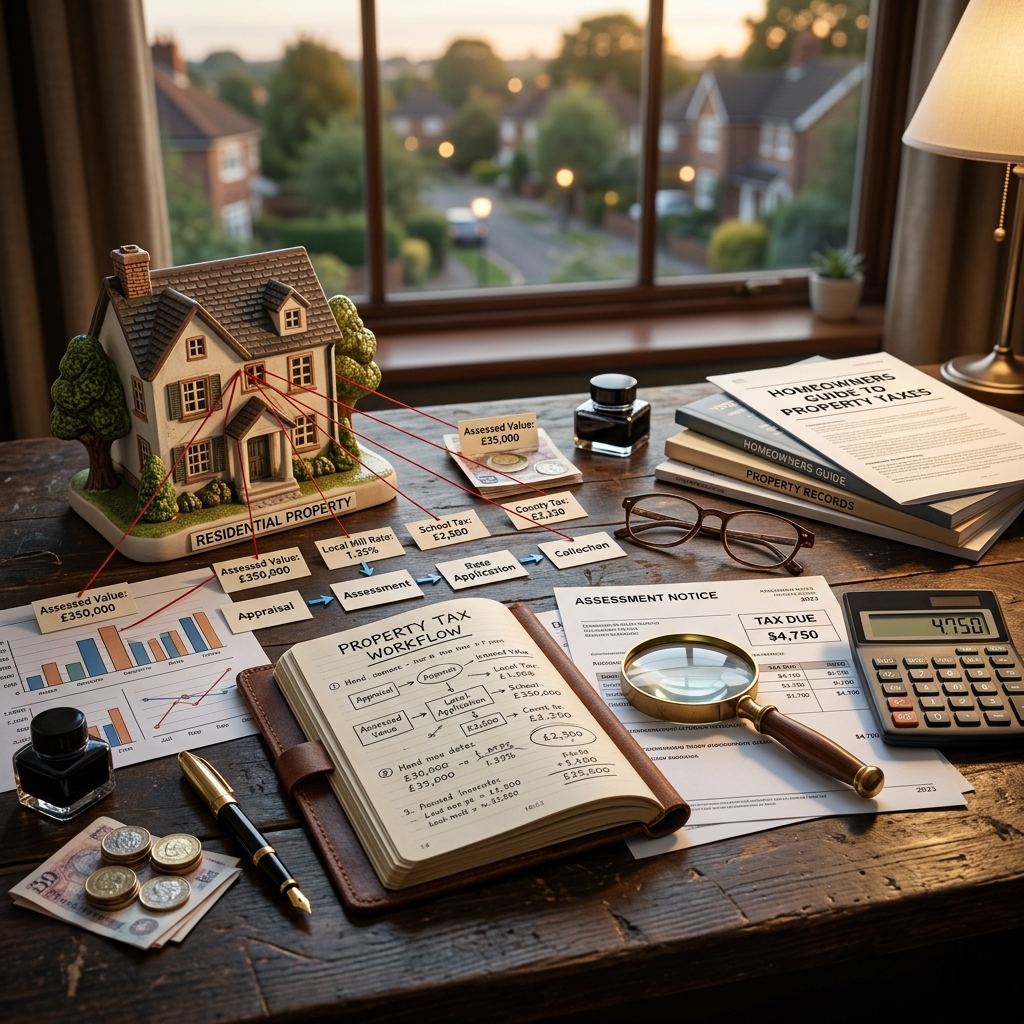
Property taxes are one of the most important ongoing costs of owning real estate, yet many buyers focus on the mortgage and overlook the tax bill until it arrives. In most communities, these taxes help fund local public services, and they can change over time as home values, assessment rules, or tax rates shift. A solid understanding of how the system works can make ownership easier to budget and less stressful to manage.
This guide explains the basics of property taxation, how bills are determined, how homeowners typically pay them, and what to watch for after closing on a home. It also covers common mistakes, tax deductions, and planning tips that can help you stay current and avoid surprises.
What property taxes are designed to do
Property taxes are charges imposed by local governments on real estate ownership. Revenue from these taxes usually supports services such as schools, police and fire departments, road maintenance, libraries, parks, and other community needs. Because they are local taxes, the rules, billing schedules, and rates can vary significantly from one county or city to another.
Unlike a one-time purchase fee, property tax is a recurring obligation. It continues for as long as you own the property, and in many places the amount can rise or fall from year to year. That makes it a core part of the long-term cost of homeownership rather than a temporary closing expense.
How the amount is calculated
Most property tax systems start with the value of the home and land, then apply a local tax rate. The exact method depends on state and local law, but the main concept is straightforward: the higher the taxable value, the higher the likely tax bill.
In many jurisdictions, the assessed value is set by a county assessor or similar office. This number may differ from the market value a buyer sees during the sale process. A home can sell for one amount but be assessed at another amount for tax purposes. In addition, tax exemptions or credits may lower the taxable amount for qualifying homeowners.
| Step | What it means | Why it matters |
|---|---|---|
| Assessment | The government assigns a taxable value to the property. | This is the base used to calculate the bill. |
| Tax rate | The local authority applies its rate or millage. | Different local rates create different bills, even for similar homes. |
| Adjustments | Exemptions or credits may reduce the taxable amount. | These can lower what the homeowner owes. |
| Billing | The result is issued as a tax bill on a schedule set by the jurisdiction. | Missing deadlines can lead to penalties or interest. |
Because tax systems vary, homeowners should always verify the assessment and rate with the local tax authority instead of relying only on general estimates. Small rate changes can make a meaningful difference over time, especially in areas where home values are rising quickly.
Why your first tax bill may feel different
New homeowners are often surprised by the timing of their first property tax payment. If you bought a home midway through the year, the seller may have already paid part of the taxes for the current period, and the closing statement may include prorations to split responsibility fairly between buyer and seller. That means your first bill may reflect only a portion of the year, or you may reimburse the prior owner through the closing process.
Another reason the first bill can be unexpected is reassessment. When property ownership changes or when the local government updates values, the taxable amount may no longer match the figure used in the seller’s prior tax bill. A buyer should not assume the previous owner’s tax bill will remain unchanged after the purchase closes.
Common payment methods homeowners use
Homeowners usually pay property taxes in one of two ways: directly to the tax authority or indirectly through a mortgage escrow account. Each method has benefits, and the right approach depends on how your loan is structured and how you prefer to manage bills.
Direct payment means the homeowner receives the tax bill and pays the local authority by the deadline. This can be convenient for owners who prefer to keep control of the money until the bill is due, but it also requires careful budgeting and deadline tracking.
Escrow payment is more common when a mortgage is involved. In that setup, the lender collects a monthly amount as part of the mortgage payment and sets it aside to pay taxes and insurance when the bills come due. This can reduce the risk of missing a deadline, although it may increase the monthly payment and can change if the tax bill rises.
- Paying directly can offer more control over cash flow.
- Escrow can simplify budgeting by spreading the tax burden across the year.
- Escrow balances may be adjusted if the annual tax estimate changes.
- Homeowners should confirm whether their mortgage requires escrow or allows an opt-out.
What escrow means for your monthly budget
An escrow account is not a separate benefit from the lender; it is a holding account used to collect money for expenses that recur later. If taxes rise, the lender may increase the amount collected each month to make sure enough funds are available when the next bill is due. That is one reason a mortgage payment can go up even if the principal and interest portion of the loan stays the same.
Escrow can be helpful for first-time buyers who do not want to manage large annual or semiannual bills on their own. However, homeowners should still review escrow statements each year. If the lender estimates taxes too low, the account may have a shortage. If it estimates too high, the homeowner may receive a refund or credit after the annual review.
When property tax bills are due
Billing schedules vary by location. Some jurisdictions bill once a year, while others bill twice or require installment payments. The due dates are usually tied to local administrative calendars, not to your mortgage closing date or your income schedule.
Because the timing differs so much, new owners should check the local tax collector’s office soon after closing. That is especially important if you are not paying through escrow. Missing even one deadline can trigger late fees, interest charges, and in extreme cases enforcement action.
| Billing pattern | What homeowners should do |
|---|---|
| Annual bill | Set aside funds throughout the year so the payment is ready when the bill arrives. |
| Semiannual bill | Mark both deadlines and budget for two larger payments instead of one. |
| Installments | Confirm whether each installment has the same due date rules and delinquency dates. |
| Escrow-based payment | Watch lender notices and escrow analyses for changes to the monthly amount. |
How homebuyers can estimate their tax bill before purchase
Prospective buyers should estimate property taxes before making an offer, especially in areas with high tax rates or rapidly increasing assessments. A realistic estimate can prevent a budget shortfall after closing.
Start by researching the current assessed value of the property and the local tax rate. Then ask whether there are homeowner exemptions, school taxes, special district assessments, or county add-ons that may change the bill. If the home is part of a subdivision or special district, there may be additional charges beyond the general property tax.
If you are comparing homes in different neighborhoods, tax differences can be as important as differences in purchase price. A lower-priced house in a high-tax area may cost more over time than a more expensive house in a lower-tax area.
Tax deductions and the federal return
Some homeowners may be able to deduct property taxes on their federal income tax return if they itemize deductions and otherwise qualify under current law. The deduction rules are separate from the local billing rules, so paying a tax bill does not automatically mean you can claim it in full on your return.
It is also important to distinguish between taxes paid on your own ownership period and amounts that may have been allocated to the seller at closing. In some cases, taxes paid on behalf of another owner are treated differently for tax purposes. Homeowners who are unsure about deductibility should review the current IRS rules or speak with a qualified tax professional.
What happens if you miss a payment
Failing to pay property taxes on time can lead to penalties, interest, and other collection steps. Local governments generally take tax delinquency seriously because tax revenue funds essential public services. In severe cases, unpaid taxes can create a lien on the property and may eventually lead to more serious enforcement action depending on state law.
Homeowners should not wait until the final notice to act. If payment will be late, contact the local tax office quickly to ask whether a payment plan, extension, or online payment option is available. Some jurisdictions are more flexible than others, but it is always safer to communicate early than to ignore the bill.
- Read all tax notices carefully after closing.
- Keep a calendar of due dates and delinquency dates.
- Verify your mailing address with the tax authority.
- Review escrow statements for shortages or increases.
- Save copies of payment confirmations and receipts.
Planning ahead for future increases
Property taxes often rise over time because of reassessments, changes in local budgets, or voter-approved levies. That is why budgeting only for your first year is not enough. A home that seems affordable now may become harder to carry if taxes rise faster than expected.
A practical approach is to build a buffer into your monthly budget. Even if taxes are paid through escrow, setting aside a small reserve can help cover shortages, supplemental bills, or increases after reassessment. Homeowners should also watch for notices from the assessor and tax collector, since these often explain why a bill changed.
Anyone buying a home should consider property taxes alongside insurance, utilities, maintenance, and mortgage principal and interest. The full cost of ownership is what determines whether the home fits your long-term finances, not just the loan payment alone.
Frequently asked questions
Do property taxes stop after the mortgage is paid off?
No. Property taxes are tied to ownership, not to the mortgage balance. Even after a home loan is fully paid, the owner still owes taxes as long as the property remains taxable under local law.
Can property taxes change even if I do not renovate the house?
Yes. Taxable value can change because of reassessment, market shifts, or local tax policy, even if you make no major improvements.
Is the assessed value the same as the purchase price?
Not necessarily. The assessed value is a tax figure used by the local authority, and it may be different from the amount you paid in the sale.
Why did my mortgage payment go up when my tax bill increased?
If your lender pays taxes through escrow, a higher tax bill can increase the monthly escrow contribution. That raises the total monthly mortgage payment even when the loan itself has not changed.
What should I check right after buying a home?
Review the closing disclosure, confirm who is responsible for the current tax period, verify the mailing address on file with the tax office, and check whether your lender will handle taxes through escrow or whether you must pay them directly.
References
- Publication 530, Tax Information for Homeowners — Internal Revenue Service. 2025-01-01. https://www.irs.gov/publications/p530
- Property Taxes 101: What They Mean for Homebuyers — CNBC. 2024-01-01. https://www.cnb.com/personal-banking/insights/what-is-property-tax.html
- A new homeowner’s guide to property taxes — Wells Fargo. 2025-01-01. https://www.wellsfargo.com/mortgage/learn/new-homeowners-guide-property-taxes/
- Property Tax FAQs — Arizona Department of Revenue. 2025-01-01. https://azdor.gov/business/property-tax/property-tax-faqs
- Property taxes 101 — Desert Financial Credit Union. 2025-01-01. https://www.desertfinancial.com/en/financial-well-being/knowledge-center/dfcu-member-mortgage-education-faqs/property-taxes-101
Similar Articles








Read full bio of medha deb




