
Understanding Housing Discrimination Against LGBTQ+ Renters
A practical overview of how housing discrimination affects LGBTQ+ individuals and couples, and the legal tools available to challenge unfair treatment.
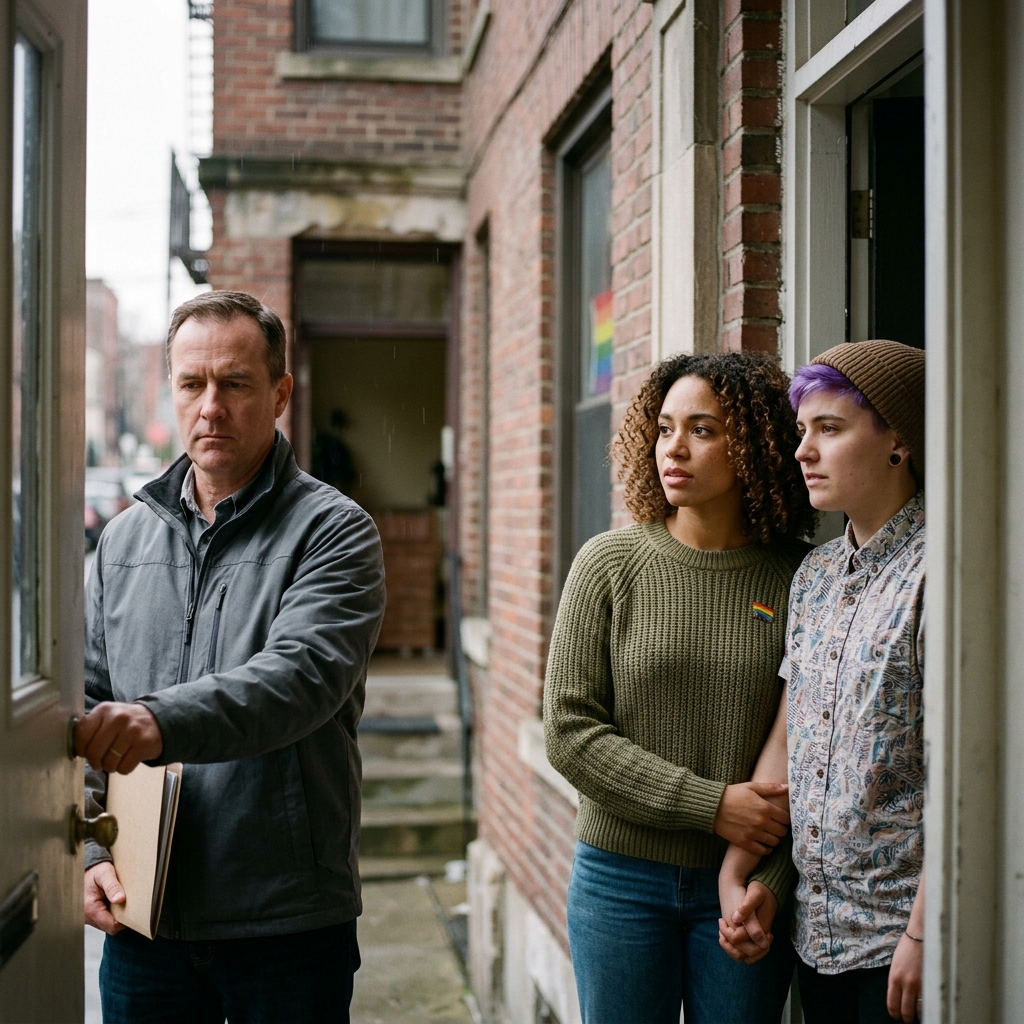
For many LGBTQ+ individuals and couples, finding a safe, stable home is complicated not only by affordability but also by unequal treatment from landlords, property managers, and housing providers. Studies and government guidance show that discrimination based on sexual orientation and gender identity remains a significant barrier to secure housing in the United States. This article explains how that discrimination shows up, what legal protections exist, and practical steps you can take if you believe your rights have been violated.
Why Housing Discrimination Against LGBTQ+ People Matters
Housing is more than a roof and four walls. It affects access to schools, jobs, community support, and long-term financial stability. When LGBTQ+ renters are turned away, steered to less desirable units, or harassed in their homes, the impacts ripple across health, income, and safety.
- Stability: Discrimination increases the risk of homelessness and frequent moves.
- Health: Unsafe or unstable housing is linked to higher stress, anxiety, and poorer health outcomes.
- Opportunity: Being excluded from certain neighborhoods limits access to quality schools, transportation, and jobs.
- Older adults: LGBTQ+ seniors are particularly vulnerable, facing bias in retirement communities and assisted living.
Researchers have documented measurable, consistent differences in how LGBTQ+ renters are treated when they search for housing, even when their financial qualifications are identical to non-LGBTQ+ applicants.
What the Law Says: Core Legal Protections
LGBTQ+ housing rights in the United States rely on a combination of federal statutes, agency guidance, court decisions, and state or local laws. Understanding the basic framework can help you recognize when treatment crosses the line from unfair to unlawful.
Federal Fair Housing Act and Sex Discrimination
The federal Fair Housing Act (FHA) prohibits discrimination in most housing transactions on the basis of race, color, religion, national origin, sex, familial status, and disability. While the statute does not explicitly list sexual orientation or gender identity, recent policy and legal interpretations treat discrimination on these grounds as a form of sex discrimination.
- HUD guidance: In 2021, the U.S. Department of Housing and Urban Development (HUD) stated that discrimination because of sexual orientation or gender identity is considered sex discrimination under the FHA.
- Enforcement: HUD now accepts and investigates complaints alleging bias against LGBTQ+ people as violations of the Act’s sex discrimination provisions.
- Scope: The FHA covers landlords, property managers, real estate agents, mortgage lenders, homeowners associations, and others involved in housing-related activities.
This means that, at the federal level, an LGBTQ+ couple denied a rental solely because they are a same-sex couple may have a viable FHA claim, even though the law doesn’t list “sexual orientation” by name.
State and Local Nondiscrimination Laws
Beyond federal law, many states, cities, and counties have their own fair housing statutes or civil rights laws. These frequently provide more explicit and sometimes broader protections.
- Some jurisdictions list sexual orientation, gender identity, and gender expression directly as protected classes in housing.
- Others still rely on general sex discrimination provisions, interpreted to include LGBTQ+ status.
- A number of states lack clear protections, creating gaps where LGBTQ+ renters have fewer options to challenge bias.
Because the patchwork of laws varies widely, it is important for tenants to check both federal rules and their local ordinances when assessing whether a particular incident is covered.
HUD Equal Access Rules and Federally Funded Housing
HUD’s Equal Access Rule generally requires HUD-funded housing providers to make units available without regard to actual or perceived sexual orientation, gender identity, or marital status. This rule aims to ensure that federal housing dollars do not support discriminatory practices, including in shelters and subsidized units.
- Covers HUD-assisted rental programs and certain shelters.
- Prohibits inquiries or treatment that single out LGBTQ+ tenants for unfavorable conditions.
- Includes some exceptions (for example, specific emergency shelters) but overall promotes inclusive access.
How Discrimination Shows Up in Real Life
Housing discrimination rarely appears as an outright statement like “we do not rent to gay couples.” Instead, it is often subtle, inconsistent, or masked as neutral business decisions. Paired testing studies—where similarly qualified applicants differ only by sexual orientation or gender identity—help reveal these patterns.
Common Biased Practices in Rental Housing
Several recurring behaviors can indicate discriminatory treatment of LGBTQ+ renters, particularly same-sex couples and transgender applicants.
- Different information about available units: One landmark pilot study found that gay male testers were told about fewer available units than heterosexual male testers and were quoted higher rents for similar properties.
- Appointment barriers: Gay men were slightly less likely to secure an appointment with housing providers, even when their qualifications matched non-LGBTQ+ testers.
- Limited options for transgender applicants: Providers told transgender testers about fewer rentals than cisgender testers, regardless of the testing protocol used.
- Harassment or hostile treatment: Surveys of LGBTQIA+ adults found that nearly one-third experienced harassment or discrimination in a housing setting in the previous year, with transgender respondents reporting even higher rates.
Subtle Steering and Differential Treatment
Steering—directing people toward or away from certain neighborhoods or properties—can also be discriminatory when it is based on LGBTQ+ status.
| Form of Treatment | How It May Look | Potential Impact |
|---|---|---|
| Selective Unit Offers | Same-sex couple shown fewer or lower-quality units than heterosexual couples with similar income. | Reduces access to desirable housing and neighborhoods. |
| Discouraging Language | Comments suggesting a building “is more traditional” or “not a good fit” when LGBTQ+ identity becomes known. | Deters applications and perpetuates segregation. |
| Unequal Rules Enforcement | Policies enforced more strictly against LGBTQ+ tenants, such as guest rules or noise complaints. | Creates pressure to move and undermines housing stability. |
Special Challenges for Transgender and Gender Diverse Tenants
Transgender and gender diverse people often face specific kinds of housing discrimination that differ from those directed at same-sex couples. Studies and advocacy reports highlight unique vulnerabilities.
- Misgendering and disrespect: Staff or neighbors may refuse to use correct names or pronouns, creating a hostile environment.
- Denial of access: Some providers hesitate to rent to transgender people or restrict them from certain buildings or facilities.
- Safety concerns: Fear of harassment or violence from other tenants may be used as a pretext to avoid renting to transgender people.
- Document mismatches: Differences between legal documents and current gender presentation can trigger extra scrutiny or denial.
In testing studies, transgender renters were told about fewer available units than cisgender renters; those who openly disclosed their gender identity were less likely to receive information about vacancies but, paradoxically, sometimes more likely to be allowed to view units. These complex patterns underscore how bias can operate at multiple stages of the rental process.
Recognizing Signs of Illegal Housing Discrimination
Not every negative housing outcome is discriminatory—landlords may lawfully refuse to rent based on legitimate factors like income, credit history, or occupancy limits. The key question is whether sexual orientation, gender identity, or perceived LGBTQ+ status played a role.
Warning Signs to Watch For
- You are told a unit is no longer available, but it remains advertised or another applicant quickly secures it.
- A landlord’s tone or willingness to help changes after you mention a same-sex partner or disclose your gender identity.
- You are subjected to extra documentation requirements or background checks not imposed on other applicants.
- Rules about guests, parking, or noise appear to be enforced more strictly against you than against non-LGBTQ+ tenants.
- Staff or neighbors make repeated derogatory comments about your identity, and management fails to respond.
Patterns over time—such as multiple LGBTQ+ tenants reporting similar experiences with the same landlord—can be especially strong indicators of discriminatory practices.
Practical Steps If You Experience Housing Discrimination
Responding promptly and systematically can strengthen any future complaint or legal claim. The following steps focus on documentation, support, and formal reporting.
1. Document Everything
- Keep written records of conversations, including dates, times, names, and key statements.
- Save emails, texts, and advertisements related to the rental or sale.
- Write down changes in treatment that occurred after you disclosed being LGBTQ+ or introduced your partner.
- Note any witnesses who observed interactions or heard discriminatory remarks.
2. Compare Information When Possible
Informal “testing” can sometimes reveal differences in treatment.
- If safe, ask a non-LGBTQ+ friend to inquire about the same unit and compare what each of you is told.
- Take screenshots of online listings to show that a unit was advertised as available.
- Track any changes in rental terms, such as sudden increases in quoted rent or added fees.
While informal testing is not a substitute for formal investigations, it can help clarify whether discrimination is likely.
3. Seek Local Legal or Advocacy Support
- Contact a fair housing organization or legal aid office in your area; many have experience with LGBTQ+ cases.
- Reach out to LGBTQ+ community centers or advocacy groups, which may offer referrals or know local trends.
- If you live in subsidized or HUD-funded housing, consult tenant support programs familiar with federal rules.
4. File a Formal Complaint
If you believe your rights under the FHA or a state/local law have been violated, you can file a complaint.
- HUD complaint: Individuals can submit fair housing complaints to HUD, which investigates allegations of discrimination, including those based on sexual orientation or gender identity treated as sex discrimination.
- State or local agencies: Many civil rights or human rights commissions handle housing complaints and may apply stricter local standards.
- Private lawsuits: In some instances, you may be able to bring a civil case in court, often with the help of an attorney or legal aid group.
Deadlines can be short, so it is important to ask about time limits as soon as possible.
Policy Efforts and Ongoing Gaps
Efforts to reduce housing discrimination against LGBTQ+ people include improved enforcement, expanded nondiscrimination laws, and targeted housing programs.
- Stronger enforcement: HUD and state agencies have increased attention to LGBTQ+ discrimination complaints, following federal guidance that explicitly includes sexual orientation and gender identity within sex discrimination.
- Expanded coverage: Some jurisdictions have updated their statutes to list LGBTQ+ status as protected, reducing ambiguity and signaling that discrimination is unacceptable.
- Supportive housing programs: Advocacy organizations call for full funding of federal housing programs and expanded voucher access to reduce hardship for LGBTQ+ renters.
Despite these advances, many LGBTQ+ people still live in areas with limited legal protections or face practical barriers to enforcing the rights they technically have. Ongoing research finds persistent discrimination in both urban and rural rental markets, indicating that legal change alone is not enough; training, monitoring, and community support all play vital roles.
FAQs: LGBTQ+ Housing Rights and Discrimination
- Is it always illegal for a landlord to consider sexual orientation or gender identity?
- In most mainstream housing situations covered by the Fair Housing Act, treating someone differently because of their sexual orientation or gender identity can violate federal sex discrimination protections, and in many places also breaches state or local nondiscrimination laws.
- What if the landlord never says anything explicitly anti-LGBTQ+?
- Discrimination can be proven through patterns and circumstantial evidence. A landlord does not have to make overt statements for their conduct to be unlawful; inconsistent treatment, steering, and unexplained differences in terms may still constitute discrimination.
- Do these protections apply to small landlords renting part of their own home?
- Some small owner-occupied properties fall under partial exemptions, depending on the jurisdiction. However, many aspects of advertising and broker involvement remain covered by the FHA and state laws. Tenants should seek local legal advice to clarify how rules apply in their specific situation.
- Can transgender tenants insist on being addressed by correct name and pronouns?
- While laws vary, persistent misgendering combined with other hostile conduct may be evidence of discriminatory harassment. In HUD-funded housing and many jurisdictions, policies require respectful treatment consistent with a tenant’s gender identity.
- How can I find out whether my city explicitly protects LGBTQ+ renters?
- You can check city or state civil rights agency websites, fair housing organizations, or LGBTQ+ legal advocacy groups. They typically publish lists of protected characteristics and explain how to file housing discrimination complaints.
References
- A Paired-Testing Pilot Study of Housing Discrimination against Same-Sex Couples and Transgender Individuals — Urban Institute. 2013-02-01. https://www.urban.org/research/publication/paired-testing-pilot-study-housing-discrimination-against-same-sex-couples-and-transgender-individuals
- Housing Discrimination Remains a Big Barrier for the LGBTQ+ Community — ACLU of Illinois. 2021-06-01. https://www.aclu-il.org/news/housing-discrimination-remains-big-barrier-lgbtq-community
- LGBTQIA+ Equity and Housing Fact Sheet — Opportunity Home & Center for American Progress. 2022-08-01. https://www.opportunityhome.org/resources/lgbtq-rights-and-housing-fact-sheet
- HUD Announces Sexual Orientation & Gender Identity are Protected by Federal Fair Housing Act — Fair Housing Project of Legal Aid of North Carolina. 2021-02-18. https://www.fairhousingnc.org/newsletter/hud-announces-sexual-orientation-gender-identity-are-protected-by-federal-fair-housing-act/
- Housing Discrimination Based on Sex, Sexual Orientation, and Gender Identity — Fairfax County Office of Human Rights & Equity Programs / Equal Rights Center. 2021-05-01. https://www.youtube.com/watch?v=CdBjtWMek3w
- Homophobia and the home search: Rental market discrimination against same-sex couples in rural and urban housing markets — Social Science Research (Elsevier). 2020-10-01. https://www.sciencedirect.com/science/article/abs/pii/S1051137720300802
Similar Articles








Read full bio of Sneha Tete


