
Understanding Harassment: Legal Definitions and Practical Steps
A clear guide to what legally counts as harassment, how it differs from general mistreatment, and what you can do to protect your rights.
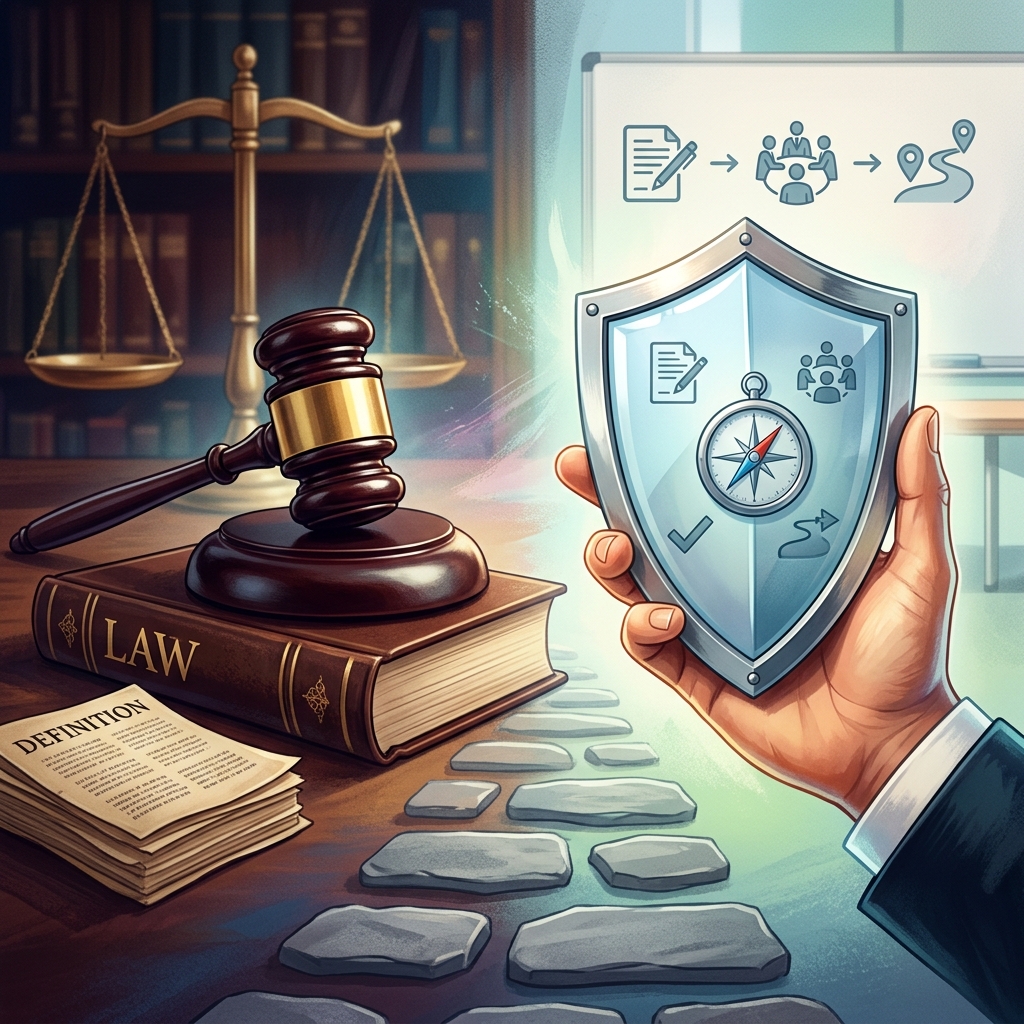
Harassment is a term people use frequently, but in law it has a very specific meaning. Not every rude comment or unpleasant interaction qualifies as unlawful harassment. Knowing where the legal line is drawn can help you decide whether to speak to a supervisor, file a complaint, consult a lawyer, or take other steps to protect yourself.
This guide explains how harassment is defined under U.S. civil rights and employment laws, how to distinguish legally actionable harassment from general mistreatment or bullying, and what you can do if you believe you have been targeted.
Harassment vs. Everyday Incivility
In everyday conversation, people often describe any pattern of hostile behavior as harassment. The law, however, focuses on specific kinds of conduct.
- Everyday incivility includes rude remarks, occasional yelling, or personality clashes that are not tied to a legally protected characteristic. These behaviors may be inappropriate but are not automatically illegal.
- Workplace bullying involves repeated behavior meant to intimidate or undermine someone, such as constant criticism or exclusion from meetings. Bullying can be very harmful, but it only becomes unlawful if it is linked to a protected characteristic or meets a specific legal standard.
- Harassment under civil rights laws refers to unwelcome conduct that is based on characteristics such as race, sex, religion, national origin, disability, age, or similar protected traits.
In other words, harassment is not just about how poorly someone is treated. It is about the reason for the conduct and its severity or pervasiveness.
Legal Definition of Harassment
Under federal U.S. law, harassment is considered a form of employment discrimination and is prohibited by statutes including Title VII of the Civil Rights Act of 1964, the Age Discrimination in Employment Act (ADEA), and the Americans with Disabilities Act (ADA).
The U.S. Equal Employment Opportunity Commission (EEOC) defines harassment as unwelcome conduct based on one or more protected characteristics, such as:
- Race or color
- Religion
- Sex, including pregnancy, sexual orientation, and gender identity
- National origin
- Age (40 or older)
- Disability
- Genetic information, including family medical history
Harassment becomes unlawful when either:
- Enduring the offensive conduct is made a condition of keeping one’s job (for example, a supervisor requiring sexual favors to avoid firing the employee), or
- The conduct is severe or pervasive enough that a reasonable person would find the work environment intimidating, hostile, or abusive.
Many states adopt similar definitions, sometimes extending protection to additional categories such as veteran status or marital status.
Core Elements of Unlawful Harassment
To understand whether a situation likely meets the legal standard for harassment, it can help to look at four key elements that courts and agencies commonly consider.
| Element | What It Means | Why It Matters |
|---|---|---|
| Protected characteristic | Conduct is tied to race, sex, religion, age, disability, etc. | Without this link, the behavior may be abusive but not discriminatory under civil rights laws. |
| Unwelcome conduct | The target did not solicit and does not accept the behavior. | Friendly banter that both parties participate in is treated differently than one-sided, unwanted acts. |
| Severity or pervasiveness | Conduct is serious, frequent, or both. | Single minor slights usually are not enough; the law focuses on sustained or extremely serious misconduct. |
| Impact on employment | The behavior affects work conditions, performance, or opportunities. | Harassment is actionable when it alters the terms of employment or creates a hostile work environment. |
Common Types of Harassing Conduct
Harassment can take many forms. It is not limited to overt insults or physical acts. The law recognizes that persistent, subtle behaviors can also undermine a person’s ability to work.
Verbal and Written Harassment
- Slurs or derogatory comments about race, religion, gender, or other protected traits
- Sexually explicit jokes, comments about someone’s body, or repeated requests for dates
- Threats or intimidation related to a protected characteristic
- Harassing emails, text messages, or chat posts targeting protected traits
Physical and Visual Harassment
- Unwanted touching, groping, or sexually motivated physical contact
- Physical assaults or threats of violence tied to a protected characteristic
- Displaying offensive images, posters, cartoons, or screensavers in common areas
- Gestures or symbols intended to demean a protected group
Sexual Harassment
Sexual harassment is a specific, legally recognized form of harassment. It includes unwelcome sexual advances, requests for sexual favors, and other verbal or physical conduct of a sexual nature.
Sexual harassment typically falls into two categories:
- Quid pro quo harassment: When submission to sexual conduct is explicitly or implicitly made a condition of employment or basis for employment decisions (for example, promotion or pay).
- Hostile environment harassment: When sexual conduct is so severe or pervasive that it creates an intimidating, hostile, or offensive work environment.
Sexual harassment is unlawful when it leads to adverse employment actions, such as demotion or termination, or when it creates a hostile work environment.
When Harassment Creates a Hostile Work Environment
A hostile work environment exists when the total pattern of behavior makes working unreasonably difficult or threatening for an employee, because of a protected characteristic.
Key indicators of a legally hostile environment include:
- Frequent or severe offensive jokes, comments, or displays linked to a protected trait
- Ongoing humiliation, ridicule, or exclusion directed at the person because of that trait
- Interference with the employee’s ability to perform their job duties effectively
- Behavior that a reasonable person in the same situation would find intimidating or abusive, not merely annoying.
Courts look at the entire context: how often the behavior occurred, whether it was physically threatening or humiliating, and whether it unreasonably interfered with work performance. Mild insults or isolated comments that are not serious typically do not meet the legal threshold, even though they may be unprofessional.
Who Can Be Held Responsible?
Responsibility for harassment varies depending on who engages in the conduct and how the employer responds.
- Supervisors and managers: Employers are often directly liable when harassment by a supervisor leads to negative employment outcomes, such as firing, demotion, or loss of pay.
- Co-workers: Employers may be liable for harassment by co-workers if they knew or should have known about the misconduct and failed to act promptly and effectively to stop it.
- Customers or third parties: In some cases, employers must address harassment by non-employees when it occurs in the workplace and affects employees’ conditions of employment.
Federal law also protects workers from retaliation for reporting harassment, filing a complaint, participating in an investigation, or opposing discriminatory practices.
Steps You Can Take If You Experience Harassment
If you believe you are experiencing harassment, taking organized steps can protect both your well-being and your legal options. The right course of action may vary depending on the seriousness of the conduct and your workplace policies, but the following measures are commonly recommended.
1. Document What Happens
- Keep a written record of incidents, including dates, times, locations, what was said or done, and who witnessed it.
- Save relevant emails, text messages, chat logs, or images.
- Record changes in your work assignments, performance evaluations, or opportunities that seem linked to the harassment.
Careful documentation can help demonstrate patterns of behavior and may be important if you later file a complaint or lawsuit.
2. Review Policies and Internal Procedures
- Check your employer’s employee handbook or code of conduct for harassment and complaint procedures.
- Identify designated contacts, such as human resources staff, an employee relations office, or an ethics hotline.
- Note any deadlines for reporting concerns internally.
Following internal procedures often helps resolve issues and can be relevant to legal liability if the matter escalates.
3. Report the Harassment
- Consider reporting the behavior to a supervisor, HR department, or other appropriate office within your organization.
- Provide clear, factual information based on your documentation.
- Ask about confidentiality, investigation processes, and expected timelines.
Employers are generally expected to respond promptly and take steps to stop the harassment once they are aware of it.
4. File an External Complaint if Necessary
If internal efforts do not resolve the situation, or if you face retaliation for reporting concerns, you may choose to file a complaint with a government agency.
- EEOC (Equal Employment Opportunity Commission): Handles federal discrimination and harassment complaints. You can file a charge of discrimination and use the EEOC’s public portal to follow the process.
- State and local agencies: Many states and cities have Fair Employment Practices Agencies (FEPAs) that enforce local anti-discrimination laws. These agencies may share complaints with the EEOC when both state and federal laws are implicated.
Deadlines for filing a charge can be short, so it is important to seek advice or look up the relevant time limits as soon as possible.
5. Consider Legal Advice
- Consult with an attorney experienced in employment or civil rights law to evaluate the strength of your case.
- Discuss potential remedies, such as reinstatement, back pay, or damages for emotional distress.
- Ask how the EEOC or state agency process interacts with filing a lawsuit.
For many forms of workplace harassment based on protected characteristics, filing a complaint with the EEOC or a similar agency is a required step before pursuing certain types of federal lawsuits.
Frequently Asked Questions (FAQs)
Is one offensive comment enough to count as harassment?
One isolated comment is rarely enough to meet the legal standard, unless it is extremely severe (for example, a serious threat or assault). Most harassment claims are based on repeated or pervasive conduct that makes the environment hostile.
Does harassment have to be about work to be unlawful?
Harassment does not have to involve work tasks directly. Behavior at office social events, in break rooms, or online can still be unlawful if it is connected to employment and based on protected characteristics. What matters is whether the pattern of conduct affects the conditions of your employment or creates a hostile environment.
Can harassment occur outside the workplace?
Yes. Harassment can occur in housing, education, public accommodations, or online. This guide focuses on employment, but similar principles apply under other civil rights laws. Specific rules depend on the context and the statutes involved.
What if the person harassing me is a customer or client?
Employers may still be obligated to act if a customer or client engages in harassing behavior toward employees. While the legal analysis can be more complex, employers are expected to take reasonable steps to protect workers and address hostile conditions.
Will I be protected if I report harassment?
Federal law prohibits employers from retaliating against employees who report discrimination or harassment, file a charge, participate in an investigation, or oppose unlawful practices. Retaliation can include firing, demotion, reduced hours, or other negative changes in working conditions.
References
- Harassment — U.S. Equal Employment Opportunity Commission. 2024-01-10. https://www.eeoc.gov/harassment
- Discrimination, Harassment, and Retaliation — USA.gov. 2024-05-15. https://www.usa.gov/job-discrimination-harassment
- Harassment in the Workplace — Municipal Research and Services Center (MRSC). 2022-09-30. https://mrsc.org/explore-topics/personnel/rights/workplace-harassment
- Workplace Harassment — Virginia Department of Human Resource Management. 2023-03-01. https://hr.dmas.virginia.gov/current-employees/employee-relations/workplace-harassment/
- Harassment — U.S. Department of Labor. 2024-02-20. https://www.dol.gov/policy-regulations/pay-benefits/employment-rights/nondiscrimination/harassment
- Types of Harassment in a Hostile Work Environment — Tulane University Law School Online. 2023-06-12. https://online.law.tulane.edu/blog/types-of-harassment-in-a-hostile-work-environment
- What is the Difference Between Workplace Bullying and Sexual Harassment? — Red Bank Legal. 2025-11-12. https://www.redbanklegal.com/2025/11/12/what-is-the-difference-between-workplace-bullying-and-sexual-harassment/
Similar Articles








Read full bio of Sneha Tete




