
Florida Auto Theft In 2025: Penalties, Offenses, And Defenses
A practical, plain‑English guide to how Florida defines, prosecutes, and penalizes auto theft and related motor‑vehicle crimes.
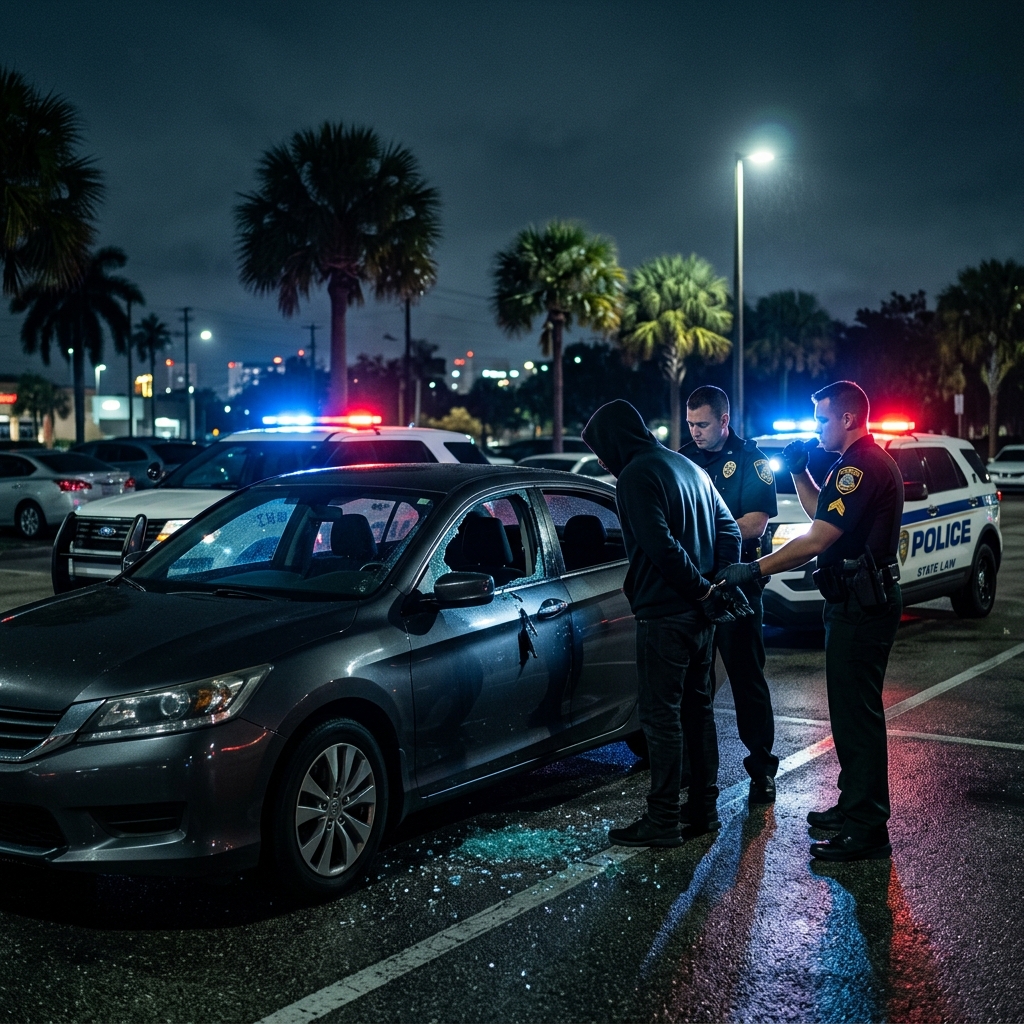
Auto theft in Florida is treated as a serious crime, and almost every form of stealing or using a motor vehicle without permission falls under the state’s theft statutes. Florida does not have a separate statute labeled “auto theft”; instead, motor vehicle theft is prosecuted under the broader grand theft law, primarily
Florida Statute 812.014
. This means that penalties are tied to both the value of the vehicle and the circumstances of the offense.This guide explains how Florida defines auto theft, the different felony levels and penalties, related offenses like carjacking and joyriding, possible defenses, and practical steps for vehicle owners and people facing charges.
Core Legal Definition: How Florida Treats Auto Theft
Florida’s theft statute defines theft in general terms that apply to all kinds of property, including motor vehicles. A person commits theft when they knowingly obtain or use someone else’s property (or try to do so) with the intent to either temporarily or permanently deprive the owner of their rights or benefits in that property, or to appropriate the property for their own use or the use of someone not entitled to it.
Because motor vehicles are specifically included in the grand theft statute, taking or using a car, truck, or motorcycle without permission is automatically treated as
grand theft
, not a minor offense. As a result, auto theft in Florida is almost always afelony
, even if the vehicle is not worth very much.Key elements of auto theft
- Property of another: The vehicle belongs to someone else or an entity, not the accused.
- Knowing use or taking: The person must knowingly obtain, use, or attempt to use the vehicle.
- Intent to deprive: There must be intent to deprive the owner of the vehicle temporarily or permanently, or to use it without entitlement.
- Without lawful consent: The use or taking occurs without permission from the owner.
Importantly, Florida law does not require that the vehicle be kept forever for the offense to qualify as theft. Unauthorized borrowing, joyriding, or using a vehicle without consent can still result in felony charges if the intent element is met.
Grand Theft Auto: Felony Degrees and Value Thresholds
Under Florida law,
grand theft
generally applies when the property taken is worth at least $750 or when certain types of property are stolen, including motor vehicles. Grand theft is split into three degrees—third, second, and first-degree felony—based largely on the value of the vehicle and aggravating factors.| Felony Degree | Typical Vehicle Value / Circumstances | Maximum Prison Term | Maximum Fine |
|---|---|---|---|
| Third-degree felony | Most vehicles; value from $750 up to less than $20,000, or any motor vehicle regardless of value | Up to 5 years | Up to $5,000 |
| Second-degree felony | Vehicle valued at $20,000 or more but less than $100,000, or certain circumstances involving multiple offenders or special vehicles | Up to 15 years | Up to $10,000 |
| First-degree felony | Vehicle valued at $100,000 or more, or theft causing significant property damage or used to commit additional grand theft offenses | Up to 30 years | Up to $10,000 |
Third-degree felony auto theft
In Florida, most auto theft cases are prosecuted as
third-degree felonies
. This includes situations where someone takes or uses a vehicle worth less than $20,000, or where the core facts do not involve aggravating factors such as high value or coordinated criminal activity.Penalties for a third-degree auto theft conviction typically include:
- Up to 5 years in prison
- Up to 5 years of probation in some cases
- Fines up to $5,000
- Possible suspension of driving privileges
Second-degree felony auto theft
Auto theft may be charged as a
second-degree felony
when certain thresholds are met. Common examples include:- Stealing or joyriding in a vehicle valued at $20,000 or more but less than $100,000
- Stealing a vehicle worth $3,000 or more when two or more people work together to commit the offense
- Stealing specific vehicles such as law enforcement or emergency vehicles, even if the actual value is lower
Conviction for second-degree felony auto theft can result in:
- Up to 15 years in prison
- Up to 15 years probation in some grand theft cases
- Fines of up to $10,000
First-degree felony auto theft
The most serious auto theft charges are
first-degree felonies
, reserved for high-value vehicles or thefts causing extensive damage or involving additional criminal uses of the vehicle. Situations that may result in first-degree grand theft auto include:- Stealing or taking a vehicle valued at $100,000 or more
- Causing more than $1,000 in damage to any property during the commission of the theft
- Using the vehicle, beyond merely as a getaway car, to commit another grand theft offense
A first-degree auto theft conviction can carry:
- Up to 30 years in prison
- Lengthy probation terms
- Fines up to $10,000
Related Offenses: Joyriding, Carjacking, Chop Shops, and Parts Theft
Florida law recognizes a number of related crimes involving motor vehicles that are distinct from simple grand theft auto. These offenses may carry additional penalties or be classified as more serious felonies.
Joyriding and unauthorized use
Joyriding refers to using a vehicle without permission, typically for a short period and often without an intent to keep the vehicle permanently. Under Florida law, joyriding is not treated as a minor prank; taking or using a vehicle without consent can still be prosecuted as a form of grand theft.
Even when the accused intends to return the vehicle, the law focuses on unauthorized use with the intent to deprive the owner of their rights in the vehicle temporarily or permanently.
Carjacking
Carjacking is a separate and more serious offense. It typically involves taking a vehicle from someone by
force, threat, violence, or intimidation
. Because of the element of violence or threat, carjacking is treated as aviolent felony
and almost always prosecuted as a first-degree felony.Penalties for carjacking include:
- First-degree felony classification
- Up to 30 years in prison
- If a firearm or deadly weapon is used, the penalty can increase to
life imprisonment
- Fines up to $10,000
Chop shops and parts theft
Florida also criminalizes the operation of
chop shops
—places where stolen vehicles are dismantled for parts or altered to conceal their identity. Owning or operating a chop shop is itself a felony offense and can carry prison time.Stealing vehicle parts can also be prosecuted as grand theft, especially when multiple people act together or the value of parts reaches certain thresholds. For example:
- Working in concert with others to steal vehicle parts worth $3,000 or more may result in a second-degree felony charge, with up to 15 years in prison.
- Operating a chop shop can result in a third-degree felony, punishable by up to 5 years in prison.
Consequences Beyond Prison and Fines
A conviction for auto theft in Florida has effects that go far beyond the immediate court sentence. Because these offenses are felonies, they can have long-term consequences for many areas of life.
- Permanent felony record: A felony conviction remains on your criminal record and can be seen by employers, landlords, and licensing boards.
- Driver’s license issues: Courts may impose suspensions or restrictions on driving privileges, particularly in cases involving repeated theft or related offenses.
- Employment and licensing: Many employers are wary of hiring individuals with theft-related felonies. Certain professional licenses may be denied or revoked.
- Immigration consequences: Non-citizens may face immigration impacts, including removal proceedings, based on felony theft convictions.
- Financial burdens: Fines, court costs, restitution to victims, and increased insurance rates can be substantial.
Common Legal Defenses in Auto Theft Cases
Every auto theft case depends on specific facts, and viable defenses will vary. However, some recurring legal strategies in Florida auto theft prosecutions include challenging the intent element, consent, or identity of the alleged offender.
Frequently used defense theories
- Lack of criminal intent: The accused did not intend to steal or deprive the owner of the vehicle, or believed they had permission to use it.
- Consent from the owner: The vehicle’s owner gave permission for use, even if they later changed their story.
- Mistaken identity: The wrong person was identified or accused; surveillance footage, witness testimony, or other evidence may be unreliable.
- Insufficient evidence: The prosecution cannot prove all required elements beyond a reasonable doubt, such as ownership, value of the vehicle, or the defendant’s involvement.
- Ownership or property dispute: In some cases, the accused may have a legitimate claim to ownership or lawful possession, turning the case into a civil dispute rather than a criminal theft.
Because Florida auto theft laws are complex and penalties are severe, anyone facing charges should consult a qualified criminal defense attorney who understands the nuances of Florida Statute 812.014 and related case law.
Practical Steps After a Vehicle Theft in Florida
If your vehicle has been stolen in Florida, quick and structured action can increase the chances of recovery and protect you from potential liability.
Immediate actions for vehicle owners
- Contact law enforcement: Report the theft to local police or sheriff’s office as soon as possible and obtain a case number.
- Provide detailed information: Share the vehicle’s make, model, year, color, license plate, vehicle identification number (VIN), and any distinguishing marks.
- Check state stolen vehicle resources: Florida’s crime information system maintains a database of reported stolen vehicles accessible through law enforcement agencies.
- Notify your insurer: Inform your auto insurance company about the theft and begin the claims process.
- Secure related accounts: If keys, registration, or personal documents were in the vehicle, consider steps to protect your home and identity (changing locks, monitoring credit, etc.).
If you are accused of auto theft
- Do not discuss the case with others: Avoid making statements to law enforcement or third parties without legal counsel.
- Seek legal representation quickly: Contact a criminal defense attorney experienced in Florida theft and auto crimes.
- Gather documentation: Collect any records showing ownership, permission to use the vehicle, or alibi evidence.
- Follow all court orders: Attend scheduled hearings and comply with bond or pretrial conditions.
Frequently Asked Questions (FAQs)
Is auto theft ever a misdemeanor in Florida?
No. Because motor vehicles are specifically included in Florida’s grand theft framework, taking or using a vehicle without permission is treated as a felony, not a misdemeanor.
Does borrowing a car without asking still count as theft?
It can. If someone knowingly uses a vehicle without permission and intends to deprive the owner of its use, even temporarily, that use can fall within Florida’s theft statute. The facts, including any prior relationship and communication, will matter greatly.
How is carjacking different from grand theft auto?
Grand theft auto focuses on the unauthorized taking or use of a vehicle. Carjacking adds the element of force, threat, or intimidation against the person in possession of the vehicle. That added violence makes carjacking a more serious, often first-degree felony offense.
Can a minor be charged with auto theft in Florida?
Yes. Minors can face delinquency proceedings for auto theft, and in serious cases, including violent carjacking, they may even be prosecuted as adults depending on age, prior history, and specific facts. The same statutes on theft apply, but procedures differ in juvenile court.
How does Florida determine the value of a stolen vehicle?
Courts typically look at the fair market value at the time and place of the theft, supported by evidence such as appraisals, blue book values, or owner testimony. This valuation determines whether the offense is categorized as third, second, or first-degree grand theft.
References
- Florida Statutes, Chapter 812.014 (Theft) — Florida Legislature / Online Sunshine. 2021-01-01. https://www.leg.state.fl.us/statutes/index.cfm?App_mode=Display_Statute&URL=0800-0899/0812/Sections/0812.014.html
- Chapter 812 Section 014 – 2021 Florida Statutes — Florida Senate. 2021-01-01. https://www.flsenate.gov/laws/statutes/2021/812.014
- Auto Theft Laws in Florida — CriminalDefenseLawyer.com / Nolo. 2023-05-01. https://www.criminaldefenselawyer.com/resources/auto-theft-laws-florida.htm
- Auto Theft — The Ansara Law Firm, Fort Lauderdale. 2023-09-15. https://www.ansaralaw.com/practice-areas/theft-crimes/auto-theft/
- Car Theft Defense Attorney Orlando — 407 Lawyer. 2024-02-10. https://www.407lawyer.com/criminal-defense/theft-crimes/car-theft/
- Grand Theft in Florida: Value Thresholds & Penalties — George Law. 2023-07-20. https://georgelaw.com/blog/grand-theft-florida-value-thresholds-explained/
- Stolen Vehicles Search — Florida Department of Law Enforcement (FDLE). 2022-11-01. https://pas.fdle.state.fl.us/pas/restricted/PAS/StolenVehicles.jsf
Similar Articles








Read full bio of medha deb




