Understanding U.S. Employee Rights Against Discrimination
Learn how U.S. laws protect workers from discrimination, harassment, and retaliation in every stage of employment.
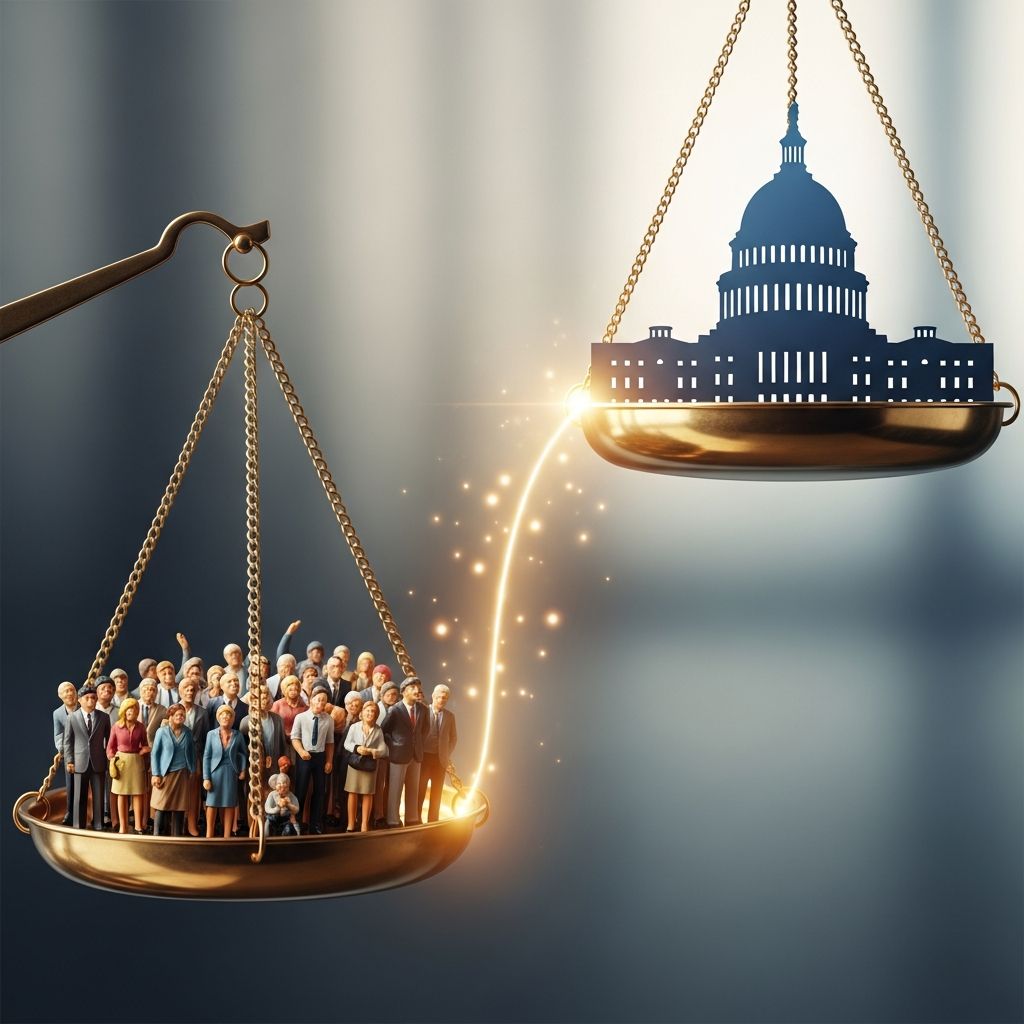
Employee Protection From Workplace Discrimination: A Practical Guide
U.S. law gives workers powerful protections against discrimination, harassment, and retaliation in the workplace. These rights apply at many stages of employment, from job postings and hiring to promotion, discipline, and termination. Understanding how these protections work can help you recognize unlawful conduct and decide what steps to take if your rights are violated.
1. What Counts as Employment Discrimination?
Employment discrimination occurs when an employer treats a job applicant or employee unfavorably because of a legally protected characteristic, rather than job-related reasons such as skills or performance.
Under federal law, discrimination is illegal in virtually any aspect of employment, including:
- Job advertisements and recruiting
- Screening, interviews, and hiring decisions
- Compensation, benefits, and assignments
- Training and professional development opportunities
- Performance reviews and disciplinary actions
- Promotions, demotions, and transfers
- Layoffs, terminations, or forced resignations
- Access to workplace facilities and programs
Discrimination can be obvious and intentional, but it may also be subtle or built into policies that disproportionately harm people in a protected group, even when the policy appears neutral on its face.
2. Protected Characteristics Under Federal Law
Federal employment laws prohibit discrimination based on specific, defined characteristics known as protected classes or protected characteristics.
| Protected characteristic | Key federal law(s) | Basic protection |
|---|---|---|
| Race & color | Title VII of the Civil Rights Act | Bars discrimination in any aspect of employment based on race or skin color. |
| Religion | Title VII | Prohibits discrimination and requires reasonable accommodation of religious beliefs and practices, absent undue hardship. |
| Sex (including pregnancy, sexual orientation, and gender identity) | Title VII; Pregnancy Discrimination Act; Equal Pay Act | Protects against unequal treatment, harassment, and pay discrimination on the basis of sex and related factors. |
| National origin | Title VII; Immigration and Nationality Act | Prohibits discrimination due to birthplace, ancestry, accent, or ethnicity, and unfair document practices in hiring. |
| Age (40+) | Age Discrimination in Employment Act (ADEA) | Bans discrimination against workers age 40 or older in hiring, promotion, termination, and other conditions of employment. |
| Disability | Americans with Disabilities Act (ADA); Rehabilitation Act | Protects qualified individuals with disabilities and requires reasonable accommodations unless they cause undue hardship. |
| Genetic information | Genetic Information Nondiscrimination Act (GINA) | Prohibits use of genetic test results or family medical history in employment decisions. |
Many state and local laws add further protections. Common additional protected characteristics include marital status, sexual orientation (where not already covered by federal interpretation), gender expression, and military or veteran status.
3. Types of Illegal Workplace Conduct
Workplace discrimination laws target several related but distinct forms of misconduct.
3.1 Disparate Treatment (Intentional Discrimination)
Disparate treatment happens when an employer intentionally treats someone worse than others because of a protected characteristic—for example, refusing to hire women for certain roles, or disciplining employees of a particular race more harshly for the same conduct.
3.2 Disparate Impact (Neutral Policy, Unequal Effect)
Disparate impact arises when a neutral rule or practice disproportionately harms members of a protected group and is not closely related to job performance. Examples might include:
- Physical requirements that screen out most women but are not truly necessary for the job
- Strict language policies that disadvantage applicants from certain national origins
- Testing or credential rules that exclude older workers without advancing legitimate business needs
3.3 Harassment and Hostile Work Environment
Harassment becomes unlawful when unwelcome conduct based on a protected characteristic is so severe or pervasive that it creates an intimidating, hostile, or abusive work environment, or results in a negative job action such as demotion or termination.
Harassment can involve:
- Slurs, jokes, or insults targeting a protected group
- Visual displays such as offensive posters or images
- Unwanted touching or sexual advances
- Repeated mocking of religious practices or disability-related needs
Harassers may be supervisors, coworkers, customers, or others connected to the workplace. Employers can be liable if they fail to prevent or correct harassment once they know or should know about it.
3.4 Retaliation for Asserting Your Rights
Retaliation occurs when an employer punishes someone for engaging in a protected activity, such as complaining about discrimination, filing a charge with a government agency, or assisting in a related investigation or lawsuit.
Retaliation can include:
- Termination or layoff shortly after a complaint
- Demotion, pay cuts, or removal of responsibilities
- Unjustified negative performance reviews
- Exclusion from meetings, projects, or training
Federal law makes retaliation unlawful even if the underlying discrimination complaint is ultimately not proven, as long as the complaint was made in good faith.
4. Who Must Follow These Laws?
Not every employer is subject to every federal anti-discrimination law. Coverage often depends on employer size and type.
- Title VII, ADA, GINA: generally apply to private employers, state and local governments, and labor organizations with 15 or more employees, as well as employment agencies.
- ADEA: generally covers employers with 20 or more employees in age discrimination matters.
- Equal Pay Act: applies to most employers engaged in interstate commerce, regardless of the number of employees.
- Rehabilitation Act: applies to federal agencies and certain federal contractors regarding disability discrimination.
State and local fair employment laws typically apply to smaller employers than federal law, sometimes starting at one or five employees, and often cover additional protected characteristics.
5. Reasonable Accommodation Duties
Anti-discrimination laws do more than ban unequal treatment; in some contexts they require employers to make changes so that individuals can work on an equal basis.
5.1 Disability Accommodations
Under the ADA and similar laws, covered employers must provide reasonable accommodations for qualified individuals with disabilities, unless doing so would cause an undue hardship—significant difficulty or expense in light of the employer’s resources and operations.
Examples of potential accommodations include:
- Modifying work schedules or allowing telework
- Providing screen readers, interpreters, or assistive technology
- Adjusting non-essential job duties
- Making facilities accessible, such as ramps or accessible restrooms
5.2 Religious Accommodations
Employers also have a duty to reasonably accommodate sincere religious beliefs and practices when it does not impose undue hardship on business operations. Common forms of religious accommodation include:
- Flexible scheduling for religious observances
- Permitting certain dress or grooming practices
- Allowing voluntary shift swaps among employees
6. How to Respond If You Experience Discrimination
If you believe you have faced discrimination, harassment, or retaliation at work, there are several steps you may consider. The best approach depends on your specific situation, your employer’s policies, and applicable law.
6.1 Document What Happened
Good documentation can be critical in proving discrimination claims. Consider:
- Keeping a written log of incidents with dates, times, locations, and witnesses
- Saving relevant emails, messages, performance reviews, or other records
- Noting how you responded and whether you reported the issue
6.2 Review Employer Policies and Internal Options
Most employers have written policies on harassment and discrimination, as well as internal complaint procedures. These may involve contacting:
- Your immediate supervisor (if not involved in the misconduct)
- Human resources or a designated EEO officer
- A union representative, if you are covered by a collective bargaining agreement
Follow the procedures outlined in employee handbooks or posted policies whenever it is safe and practical to do so. Reporting concerns internally may give the employer an opportunity to correct the problem and can be relevant to later legal claims.
6.3 Filing a Charge With a Government Agency
For many federal discrimination laws, you must file a charge with a government agency before you can bring a lawsuit in court. The main federal enforcement agency is the Equal Employment Opportunity Commission (EEOC).
Key points about filing an EEOC charge include:
- Time limits generally apply, often 180 days from the discriminatory act, though this can be extended in some circumstances.
- You can usually file online, by mail, or in person at an EEOC office.
- The EEOC may investigate, seek mediation, or attempt to resolve the dispute through conciliation.
- After processing, the agency may issue a “right-to-sue” letter, which allows you to file a lawsuit in federal court within a defined period.
State and local fair employment agencies may have their own procedures and deadlines. In many jurisdictions, filing with one agency automatically “dually files” your charge with the other.
6.4 Considering Legal Advice
Because discrimination cases can be complex and time-sensitive, many employees consult an employment attorney or a legal aid organization. A lawyer can help you:
- Evaluate whether the facts support a legal claim
- Meet filing deadlines and preserve evidence
- Negotiate with the employer or agency on your behalf
- Pursue a settlement or litigation if appropriate
7. Potential Remedies and Outcomes
If a government agency or court finds that unlawful discrimination or retaliation occurred, several forms of relief may be available, depending on the statute involved.
- Back pay to cover lost wages and benefits
- Reinstatement to your former job or placement in a comparable position
- Front pay for future lost earnings if reinstatement is not feasible
- Compensatory damages for emotional distress or out-of-pocket losses in some cases
- Punitive damages in cases of particularly egregious misconduct (subject to statutory caps)
- Changes to employer policies and training requirements
- Attorney’s fees and costs for prevailing employees, where authorized by statute
8. Federal vs. State Protections
Federal employment laws form a nationwide baseline of protection, but state and local governments often go further.
- Many states extend anti-discrimination coverage to smaller employers than federal law.
- Some states add protected categories such as marital status, sexual orientation, gender expression, or reproductive health decision-making.
- State agencies may offer additional remedies or longer filing deadlines than the EEOC.
Because of these variations, employees should consider both federal and state options when evaluating potential claims.
9. Frequently Asked Questions (FAQs)
Q1: Does discrimination law protect job applicants as well as current employees?
Yes. Federal laws enforced by the EEOC cover unfair treatment in recruiting, job advertisements, interviews, and hiring decisions based on protected characteristics. This means an employer generally cannot refuse to hire you because of your race, religion, sex, national origin, age (40 or over), disability, or genetic information.
Q2: Is all unfair treatment at work illegal discrimination?
No. To violate anti-discrimination laws, the unfavorable treatment must be based on a protected characteristic or be retaliation for asserting your rights. Unfair decisions based solely on personality conflicts, favoritism, or poor management are not necessarily unlawful unless they are tied to a protected class or protected activity.
Q3: What if my boss harasses me but never uses slurs or explicit references to my race or gender?
Harassment does not need to include slurs to be illegal. If the behavior is severe or pervasive and connected to a protected characteristic—based on context, patterns, or differential treatment—it may still create a hostile environment. An attorney or enforcement agency can help assess whether the facts support a claim.
Q4: Can I be fired for filing a discrimination complaint?
Federal law prohibits employers from retaliating against an employee or applicant for reporting discrimination, filing a charge, or assisting in an investigation or lawsuit. If you are fired, demoted, or otherwise punished shortly after engaging in a protected activity, that may constitute unlawful retaliation.
Q5: Do I need a lawyer to file a charge with the EEOC?
You are not required to have a lawyer to file an EEOC charge, and many people complete the process on their own. However, because of strict deadlines and complex legal standards, consulting with a qualified employment attorney or legal aid office can help you better understand your rights and options.
References
- Federal Laws Prohibiting Job Discrimination Questions and Answers — U.S. Equal Employment Opportunity Commission. 2021-05-06. https://www.eeoc.gov/fact-sheet/federal-laws-prohibiting-job-discrimination-questions-and-answers
- Discrimination, harassment, and retaliation — USA.gov. 2023-03-10. https://www.usa.gov/job-discrimination-harassment
- Federal employment discrimination law in the United States — U.S. overview based on statutory sources (as summarized in secondary legal analysis). 2020-08-01. https://en.wikipedia.org/wiki/Employment_discrimination_law_in_the_United_States
- Protections Against Discrimination and Other Prohibited Practices — Federal Trade Commission (No FEAR Act notice). 2022-06-01. https://www.ftc.gov/policy-notices/no-fear-act/protections-against-discrimination
- Anti-discrimination laws & legislation in the United States (USA) — L&E Global / Jackson Lewis. 2023-04-01. https://leglobal.law/countries/usa/employment-law/employment-law-overview-usa/04-anti-discrimination-laws/
- Employment Laws: Disability & Discrimination — U.S. Department of Labor, Office of Disability Employment Policy. 2022-02-10. https://www.dol.gov/agencies/odep/publications/fact-sheets/employment-laws-disability-and-discrimination
- Employment Discrimination — California Civil Rights Department (CRD). 2023-07-01. https://calcivilrights.ca.gov/employment/
Similar Articles








Read full bio of Sneha Tete