
Understanding Easements In Real Estate: Key Insights
Learn how easements work, who they benefit, how they are created, and what they mean for buying, selling, or owning property.
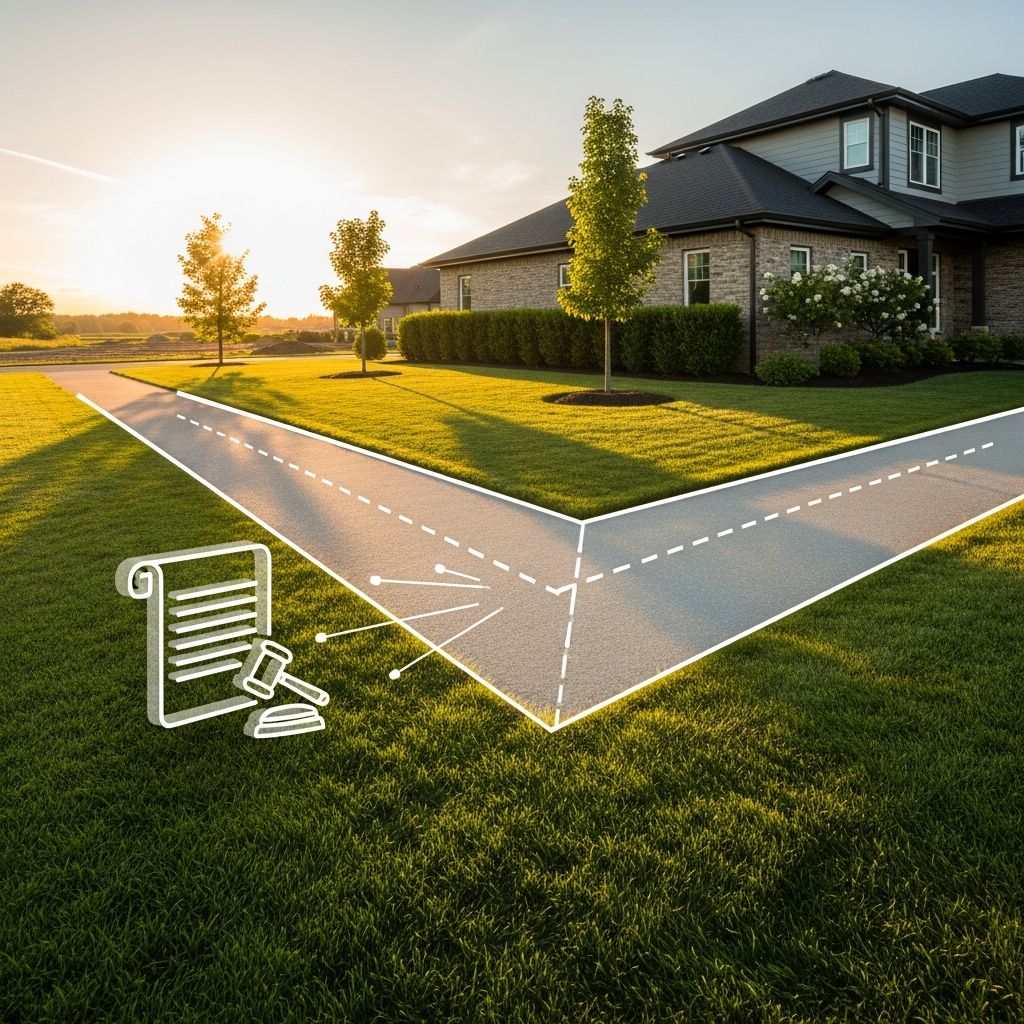
Easements shape how land can be used and shared, even when ownership does not change hands. Knowing what an easement is, how it arises, and how it can end is essential for anyone who owns property, plans to buy, or is involved in development or land use disputes.
What Is an Easement?
An easement is a legal right to use another person’s land for a specific, limited purpose, without taking ownership of that land. Easements are often described as a nonpossessory interest in real property, meaning the easement holder has the right to use the land but does not have the right to possess or occupy it as an owner would.
Common examples include:
- A driveway across a neighbor’s parcel to reach a public road.
- Utility lines running underground or overhead across private property.
- Drainage or sewer pipes installed beneath a yard.
- A footpath allowing access to a shore, beach, or park.
In legal terms, the land benefiting from the easement is often called the dominant estate, and the land burdened by the easement is called the servient estate.
Key Features of Easements
Several core characteristics distinguish easements from other property rights:
- Limited purpose: The easement holder may only use the land for the specific purpose stated (for example, ingress and egress, utilities, or drainage).
- Nonpossessory: The landowner retains title and general control, subject to the easement holder’s right of use.
- Durable: Many easements are intended to be long-lasting and often continue when the property is sold, unless they are personal or clearly temporary.
- Enforceable: Easements are legal property interests that can be enforced in court if one party interferes with the agreed-upon use.
Major Types of Easements
Easements come in several legal categories. Understanding these helps clarify who benefits and how the rights can be transferred.
Easements Appurtenant vs. Easements in Gross
| Type | Who Benefits? | Transfers With Land? | Common Uses |
|---|---|---|---|
| Easement appurtenant | Another parcel of land (dominant estate) | Yes, usually passes automatically with sale of the dominant estate | Driveways, private access roads, shared paths |
| Easement in gross | A specific person, company, or public entity | Often personal or tied to the holder; may or may not transfer depending on law and contract | Utility lines, pipelines, railroad rights, billboards |
With an easement appurtenant, the right attaches to the land itself and usually continues even when either parcel is sold. By contrast, an easement in gross is centered on the holder—often a utility company or government agency—and may be transferable depending on state law and the wording of the grant.
Affirmative vs. Negative Easements
- Affirmative easement: Allows the holder to do something on another’s land, such as cross the property or install lines.
- Negative easement: Restricts the landowner from doing certain things on their own land, such as blocking light or access that another property is entitled to enjoy.
Most everyday easements (driveways, utility corridors) are affirmative. Negative easements are more specialized and may overlap with restrictions often found in covenants or other land-use controls.
Private vs. Public Easements
- Private easement: Benefits specific private parties, such as two neighboring landowners.
- Public easement: Grants rights to the public at large, often for roads, sidewalks, or public access to parks and beaches.
Public easements are typically created through statutes, dedication, or governmental action and are often tied to transportation or infrastructure planning.
How Easements Are Created
Easements can arise in several different ways. The method of creation often determines how easily the right can be enforced and whether it must be recorded.
1. Express Easements
An express easement is deliberately created by written or sometimes oral agreement. It is usually documented in a deed, easement agreement, or other recorded instrument and clearly describes:
- The land subject to the easement (servient estate).
- The beneficiary (dominant estate or easement holder).
- The permitted use (for example, roadway, utilities, drainage).
- Any limits, conditions, or maintenance obligations.
Because express easements are documented, they are typically easier to verify through a title search and easier to enforce in court.
2. Implied Easements
An implied easement is not explicitly written, but courts recognize it because of how land has been divided or historically used. Implied easements often arise when:
- A single parcel is split into two or more pieces.
- Before the split, one part was visibly and continuously used to benefit another (for example, an existing lane or utility line).
- Reasonable buyers would assume that such use would continue after the split.
Courts may infer an easement to give effect to the original parties’ intent and ensure that property remains usable.
3. Easements by Necessity
An easement by necessity is created when land would otherwise be landlocked or rendered practically unusable without access across neighboring property. Typically, the law requires:
- Former common ownership of the dominant and servient parcels.
- A division of the land that leaves one parcel without reasonable access to a public road or essential resources.
- A strict necessity for the easement, not mere convenience.
These easements exist only as long as the necessity continues; if an alternative access route later becomes available, a court may terminate the easement by necessity.
4. Prescriptive Easements
A prescriptive easement arises from long-term use of another’s property that meets specific legal standards, somewhat similar to adverse possession. While requirements vary by state, courts commonly look for use that is:
- Open and notorious – visible and obvious, not secret.
- Adverse or hostile – without the owner’s permission.
- Continuous – used regularly over a statutory period.
Prescriptive easements usually grant only the type and scope of use that occurred during the prescriptive period, and they do not transfer ownership of the land itself.
Rights and Duties of the Parties
Easements impose duties on the servient landowner and grant rights to the easement holder. These rights are not unlimited and must be exercised reasonably and within the agreed purpose.
Rights of the Easement Holder
- Use the servient land for the specified purpose (such as passage or utility installation).
- Perform reasonable work necessary to enjoy the easement (for example, basic maintenance of a driveway).
- Seek legal relief if the servient owner or others unreasonably interfere with the easement.
Duties of the Servient Owner
- Refrain from obstructing or interfering with the lawful use of the easement.
- Allow access as defined by the easement language or as recognized by law.
- Respect any specific restrictions written into the deed or agreement.
At the same time, the servient owner generally may continue to use the land in any way that does not materially impair the easement holder’s rights. For instance, a landowner might landscape near a utility easement so long as trees or structures do not block access to the lines.
How Easements Affect Property Ownership and Value
Easements can affect how property is used, developed, and valued in the market. Buyers and owners should evaluate existing easements as part of standard due diligence.
- Use and development limits: Certain structures may be prohibited within easement corridors (for example, building over a major sewer or transmission line).
- Access and privacy: A right of way across a yard can reduce privacy or change how the property feels and functions.
- Market value: Some easements may decrease value, especially if they are extensive or intrusive, while others have little economic impact or may even enhance value by providing necessary access.
- Lender and insurer concerns: Mortgage lenders and title insurers often review easements closely because they affect risk, development potential, and resale.
A professional appraisal and legal review are often advisable when significant easements are present, particularly on commercial or development property.
Ending or Modifying an Easement
Easements do not necessarily last forever. They may be extinguished or altered in several ways, depending on how they were created and on state law.
Common Ways Easements Terminate
- Release: The easement holder signs a written release or quitclaim extinguishing the easement.
- Merger: One person comes to own both the dominant and servient estates, eliminating the need for a separate easement.
- Abandonment: The holder clearly indicates an intent to abandon, typically combined with nonuse and acts inconsistent with continuation of the easement.
- Expiration: The easement was created for a limited time or for a specific project that has ended.
- End of necessity: For easements by necessity, the easement may cease once an alternative access route or solution becomes available.
- Destruction or change of conditions: In some cases, destruction of the servient land or drastic changes may end an easement if its purpose can no longer be fulfilled.
Because termination rules are technical and vary between jurisdictions, formal documents and, at times, court orders are needed to clarify that an easement no longer exists.
Practical Steps for Buyers and Owners
Anyone dealing with real estate should take concrete steps to identify and understand easements.
For Prospective Buyers
- Review the title report: Ask your closing or escrow professional and your attorney to explain any referenced easements or recorded instruments.
- Examine surveys and plats: Maps often show utility corridors, rights of way, and other restrictions.
- Walk the property: Look for visible signs of use, such as worn paths, utility boxes, manhole covers, pipelines, or shared driveways.
- Ask questions: Speak with the seller, neighbors, and local officials about access roads, shared facilities, and any disputes.
For Current Owners
- Check your deed: Locate and read any easement language attached to your property.
- Coordinate with easement holders: For example, work with utility companies before building fences or adding structures near their lines.
- Address conflicts early: If someone is using your property without clear rights—or if you suspect an easement is being overused—consult a real estate attorney before tensions escalate.
Sample Easement Issues in Real Life
While each dispute is unique, certain patterns appear frequently in real estate practice:
- Blocked access roads: A new owner fences off a lane long used by neighbors, sparking claims of an implied or prescriptive easement.
- Utility easement confusion: Property owners plant trees, build sheds, or install pools over underground lines, only to learn the utility company can require removal for access.
- Expansion of use: A narrow driveway easement starts being used by heavy commercial trucks instead of light residential traffic, raising questions about overburdening the servient land.
- Perceived abandonment: A rarely used right of way still exists on paper, complicating financing or development, even though no one has driven that route in years.
Resolving these issues often requires examining recorded documents, local statutes, and case law, then negotiating or litigating to define the scope of the easement.
Frequently Asked Questions About Easements
Do easements always appear on the deed?
Not always. Many express easements are recorded and will appear in a title search, but implied, prescriptive, or older unrecorded rights may not be obvious from the deed alone. A combination of title review, surveys, and on-site inspection is usually necessary.
Can a property owner sell land that is subject to an easement?
Yes. The servient owner remains free to sell or mortgage the property, but the new owner typically takes title subject to any valid existing easements that run with the land.
Can an easement holder improve or widen a road?
Often the holder may perform reasonable maintenance or minor improvements necessary to use the easement safely, but major expansions or changes in use may exceed the scope of the original grant and could require the landowner’s consent or court involvement.
What is the difference between a right of way and an easement?
A right of way is usually a specific type of easement that allows passage across land—such as driving or walking across a neighbor’s property to reach a public road. An easement more broadly covers many other limited uses, like utility lines or drainage, that may not involve travel at all.
When should I talk to a lawyer about an easement?
It is wise to consult a real estate or land-use attorney when:
- You discover an easement you did not expect during a purchase.
- A neighbor or company claims a right to cross or use your land.
- You want to relocate, terminate, or expand an existing easement.
- Easement issues are affecting financing, construction, or a planned sale.
References
- Easement — Legal Information Institute, Cornell Law School. 2023-05-01. https://www.law.cornell.edu/wex/easement
- What is an Easement in Gross v. an Easement Appurtenant? — Underwood Law Firm. 2024-02-15. https://underwood.law/blog/what-is-an-easement-in-gross-v-an-easement-appurtenant
- Right of Way vs. Easement in Real Estate Disputes — Schorr Law. 2023-09-10. https://schorr-law.com/right-of-way-vs-easement/
- A Beginner’s Guide to Property Easements in Land Real Estate — Acres. 2023-07-20. https://landvalues.acres.com/beginners-guide-property-easements-land-real-estate
- Easement — Restatement (Third) of Property: Servitudes, American Law Institute (overview via secondary explanation). 2000-01-01. https://www.ali.org/publications/show/property-servitudes/
Similar Articles








Read full bio of Sneha Tete


