
Easements: A Homeowner’s Guide To Rights, Types, And Risks Faq
Learn how easements work, how they affect property rights, and what every homeowner should know before buying or selling land.
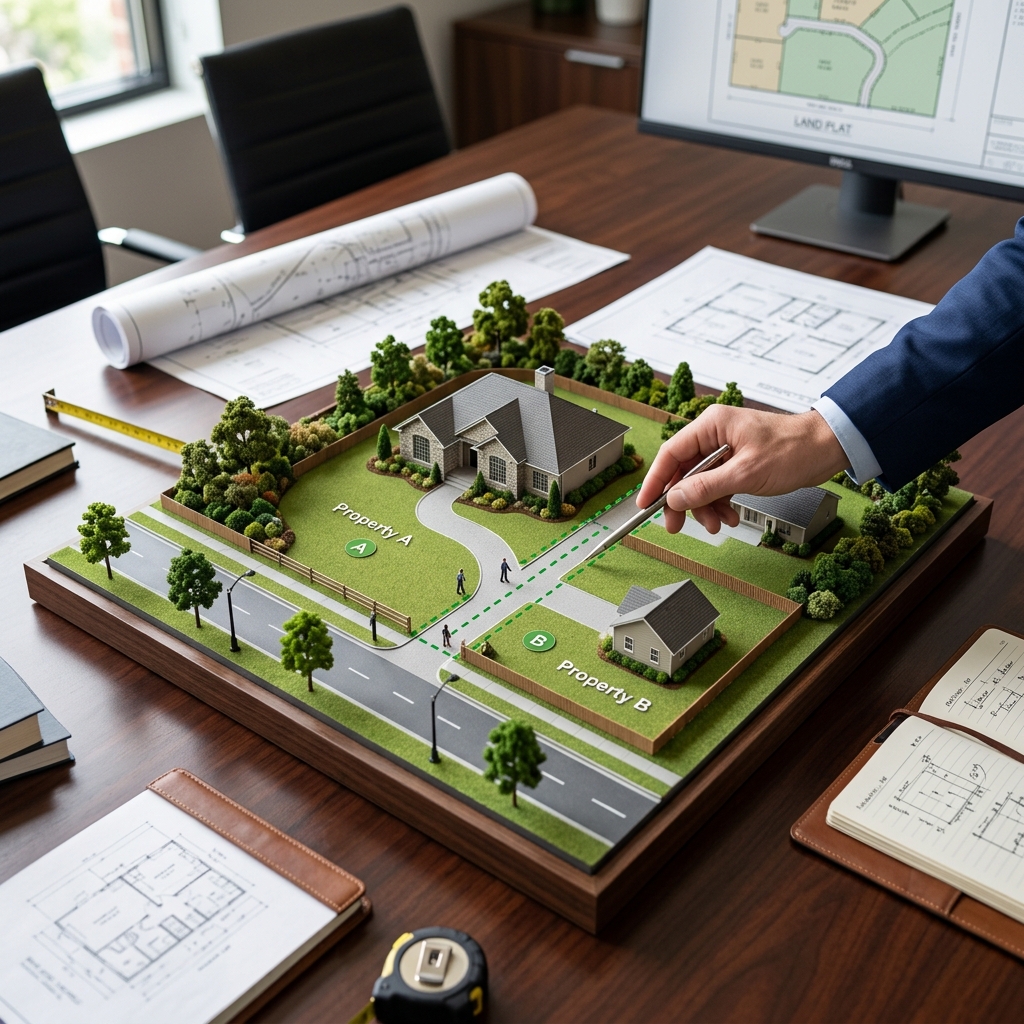
Easements play a major role in how land can be used and developed, yet many property owners are not fully aware of what an easement is until it affects a project or a sale. An easement does not transfer ownership of your land, but it does give someone else a legal right to use part of it for a specific purpose.
This guide explains what easements are, the different types you may encounter, how they are created, and how they can affect your rights as a property owner. It is written for homeowners, buyers, and sellers who want a clear, practical overview of easements in everyday real estate situations.
What Is an Easement?
In property law, an easement is a legal right to use another person’s land for a specific and limited purpose, without taking ownership of the land itself. It is considered a non‑possessory interest in real property, meaning the easement holder gains use rights but not possession or title.
- Use, not ownership: The property owner keeps the title and continues to pay taxes, but a third party can lawfully use a defined portion of the property.
- Specific purpose: The easement is granted for a particular function, such as access, utilities, drainage, or preserving a view.
- Legally enforceable: The easement holder can enforce their rights in court if the property owner interferes with the agreed use.
Many official sources describe easements as a right of way or a right to cross or otherwise use another’s land for a specified purpose. For example, a utility company may have the right to enter your yard to maintain power lines, or a neighbor may have the right to use part of your driveway to reach their garage.
Key Terms: Dominant and Servient Estates
When an easement involves two neighboring parcels of land, property law uses the terms dominant estate and servient estate:
- Dominant estate: The property that benefits from the easement (for example, a landlocked lot given a right of way across a neighbor’s land).
- Servient estate: The property that is burdened by the easement because its owner must allow the use.
This distinction matters because many easements “run with the land,” meaning the rights and obligations automatically pass to new owners of both properties when they are sold.
Common Types of Easements
Easements come in many forms, but most fall into a few broad categories. Understanding these categories helps you interpret the documents recorded against a property.
Affirmative vs. Negative Easements
| Type | What It Allows or Restricts | Example |
|---|---|---|
| Affirmative easement | Grants someone the right to do something on or across the land of another. | Right of way to drive across a private road to reach a home. |
| Negative easement | Restricts the landowner from doing something that would otherwise be permitted. | Height restriction on building to preserve a neighbor’s view. |
Most everyday easements are affirmative: they allow access, installation of utilities, or drainage across your land. Negative easements are less common but can significantly limit building height, structures, or other changes.
Utility Easements
A utility easement gives a utility provider the right to install, maintain, and repair infrastructure such as power lines, water pipes, sewer lines, or communication cables on private property.
- Often located along property boundaries, streets, or rear yard lines.
- Utility companies may need to access the easement area at any time to perform work.
- Owners typically cannot build permanent structures that interfere with utility access or equipment.
Because utility easements are usually recorded on the property’s plat or deed, buyers should review these documents to understand where utilities might limit future improvements.
Right‑of‑Way and Access Easements
A right‑of‑way easement allows someone to travel across your land, often by foot or vehicle, to reach another location.
- Common when one property is landlocked and can only reach a public road through a neighbor’s land.
- May be used for private driveways, shared lanes, or paths to reach public land or utilities.
- Typically includes limits on width, location, and permitted uses.
Drainage and Stormwater Easements
Drainage easements allow water to flow across a property or permit maintenance of stormwater facilities, such as ditches, culverts, or retention ponds.
- Help ensure proper runoff and flood control for multiple properties or a subdivision.
- Owners may be restricted from altering grade or building in ways that obstruct drainage.
- Local governments or associations may hold the easement to maintain infrastructure.
View and Conservation Easements
View easementsconservation easements protect natural, agricultural, or historic features.
- Negative easements: they restrict what an owner can build or plant.
- Often used in hillside communities or protected landscapes to maintain visual character.
- May be held by neighbors, community associations, or conservation organizations.
How Easements Are Created
Easements can arise in several ways. Many are created by written agreement and recorded with land records, while others may be implied by long‑term use or necessity.
Express Easements
An express easement is created by a written instrument, such as a deed, grant, or contract, signed by the parties and recorded with the appropriate land records office.
- Clearly identifies the parties, the land involved, and the scope of use.
- Often appears in the chain of title or on subdivision plats.
- Provides the strongest and most predictable rights, because terms are explicitly defined.
Implied and Prescriptive Easements
Courts may recognize easements even when no formal written grant exists.
- Implied easements: Arise under law when a property is divided and access or utilities are obviously needed, or when prior use suggests the parties intended ongoing shared use.
- Prescriptive easements: Created through open, continuous, and adverse use of another’s property for a legally defined period, such as 15 years in some jurisdictions.
Prescriptive easements are similar to adverse possession in concept but usually grant use rights rather than full ownership.
Easements in Gross vs. Easements Appurtenant
Easements are also classified based on whether they benefit a particular parcel of land or a person or entity:
- Easement appurtenant: Benefits a specific parcel (the dominant estate) and automatically transfers when that parcel is sold.
- Easement in gross: Benefits an individual or company rather than another parcel of land; common examples include utility easements held by service providers.
In many jurisdictions, valid easements must be recorded on title to give notice to future buyers and lenders.
How Easements Affect Property Owners
Owning land subject to easements does not mean you lose control of your property, but it does mean your rights are shared and limited in specific ways. Easements can affect how you build, landscape, and even sell the property.
Use Restrictions and Responsibilities
While you generally retain full ownership of the land, your use cannot interfere with the rights granted in the easement.
- You may still farm, garden, or use the land in ways that do not conflict with the easement.
- You typically cannot build permanent structures on utility or drainage easements if they block access or function.
- If you obstruct an easement holder’s rights, they may demand removal of the obstruction or seek court enforcement.
Impact on Property Value and Transactions
Easements can either increase or decrease property value, depending on their nature and scope.
- Access easements that serve a landlocked parcel can make that parcel marketable.
- Extensive utility or drainage easements may limit building sites, pool installation, or additions.
- Known easements must typically be disclosed to buyers and lenders, and are often reviewed during title searches and surveys.
Real estate professionals often advise buyers to review plats, title commitments, and recorded documents for easements before closing, especially if they plan significant improvements.
Taxes and Maintenance
Despite others having rights to use portions of your land, you remain responsible for property taxes and general upkeep of the servient parcel.
- Local tax authorities generally value the property with easements considered, but the tax bill goes to the owner, not the easement holder.
- Maintenance obligations depend on the easement terms; some easements place upkeep duties on the holder, others on the owner, or share them.
Finding and Interpreting Easements on a Property
To understand how easements affect a particular property, you need to locate the relevant documents and interpret their terms.
Where Easements Are Recorded
- Deeds and title records: Many easements are recorded in county or state land records and appear in title searches.
- Subdivision plats: Plats often show utility corridors, drainage easements, and shared access routes.
- Local registries: In some jurisdictions, easements must be registered with specific offices or systems to be valid.
Key Questions to Ask
When reviewing an easement, focus on a few core details:
- Who holds the easement (neighbor, utility company, government, association)?
- Where is the easement located on the property (dimensions and exact placement)?
- What activities are allowed or prohibited?
- Is the easement temporary or permanent, and can it be relocated or modified?
Changing, Transferring, or Terminating Easements
Although many easements are long‑lasting, they are not always permanent. Changes usually require formal legal action.
Modification and Relocation
To modify or move an easement, you typically need agreement from all parties and a recorded document reflecting the change.
- Property owners sometimes negotiate with utility providers to adjust easement locations to accommodate new construction.
- Any relocation must preserve the easement’s intended function (for example, access or utility service).
Termination of Easements
Easements can end in various ways, including:
- Release: The easement holder signs a written release, which is recorded.
- Expiration: The easement document includes an end date or condition that has been met.
- Abandonment: In some jurisdictions, long‑term nonuse combined with clear intent to abandon may end an easement, but this often requires court involvement.
- Merger: If the same person comes to own both the dominant and servient parcels, the easement may cease to exist.
Practical Tips for Homeowners and Buyers
Because easements can significantly influence what you can do with your property, it is wise to address them early in the buying, planning, or development process.
- Review title documents: Before purchase, carefully examine title commitments and recorded instruments for easements.
- Study the plat and survey: Look for marked utility, drainage, and access corridors that might limit building locations.
- Consult professionals: A real‑estate attorney or surveyor can interpret complex easement language and advise on risks.
- Plan improvements accordingly: Design driveways, additions, fences, and landscaping to avoid interfering with easement areas.
- Communicate with easement holders: For practical issues—such as scheduling utility work or coordinating access—direct communication can help avoid conflict.
FAQs About Easements
Do easements mean I don’t really own my property?
No. An easement is a right to use part of your land, not a transfer of ownership. You keep title and most property rights; you simply share a specific usage right with another party.
Can I build on land that has an easement?
Often you cannot construct permanent structures within the area of a utility, drainage, or right‑of‑way easement if they would interfere with the easement’s purpose. Always review the easement document and consult local codes before building.
How do I find out if my property has easements?
Check your deed, title report, and subdivision plat, and search records at the local land registry or recorder’s office. A survey or title search conducted as part of a real‑estate transaction typically identifies recorded easements.
Can an easement reduce my property value?
Yes, some easements can limit development or privacy and may reduce property value or buyer interest, while others—like access easements—can increase usability and value. The impact depends on location, scope, and the property’s intended use.
Who maintains the area covered by an easement?
Maintenance responsibility depends on the terms of the easement. Utility providers often maintain their equipment, while the property owner may handle general landscaping or surface care. When in doubt, review the recorded easement or seek legal advice.
References
- Easements — Texas State Law Library. 2023-06-15. https://guides.sll.texas.gov/neighbor-law/easements
- What Are Property Easements — AEP Transmission. 2022-03-10. https://www.aeptransmission.com/property/easements.php
- What are Easements and How Can They Affect My Property? — Rocket Mortgage. 2024-02-01. https://www.rocketmortgage.com/learn/easement
- What Are the Different Types of Easements? — Foster Swift Collins & Smith, PC. 2021-09-20. https://www.fosterswift.com/newsroom/publications/what-are-the-different-types-easements
- What does “an easement” mean? — Protect Your Boundaries. 2020-05-14. https://www.protectyourboundaries.ca/what-does-an-easement-mean
- What Is an Easement and Why Does It Matter in Real Estate? — Yanowitz Law Firm. 2023-11-01. https://www.yanowitzlaw.com/what-is-an-easement-and-why-does-it-matter-in-real-estate/
- Understanding Easements and Their Impact on Property Use — Strategy Law, LLP. 2025-08-05. https://www.strategylaw.com/blog/2025/august/understanding-easements-and-their-impact-on-prop/
Similar Articles








Read full bio of medha deb


