
Understanding Disorderly Conduct and State Laws
Learn what disorderly conduct means, common examples, possible penalties, and why state-specific laws matter for anyone facing or avoiding this charge.
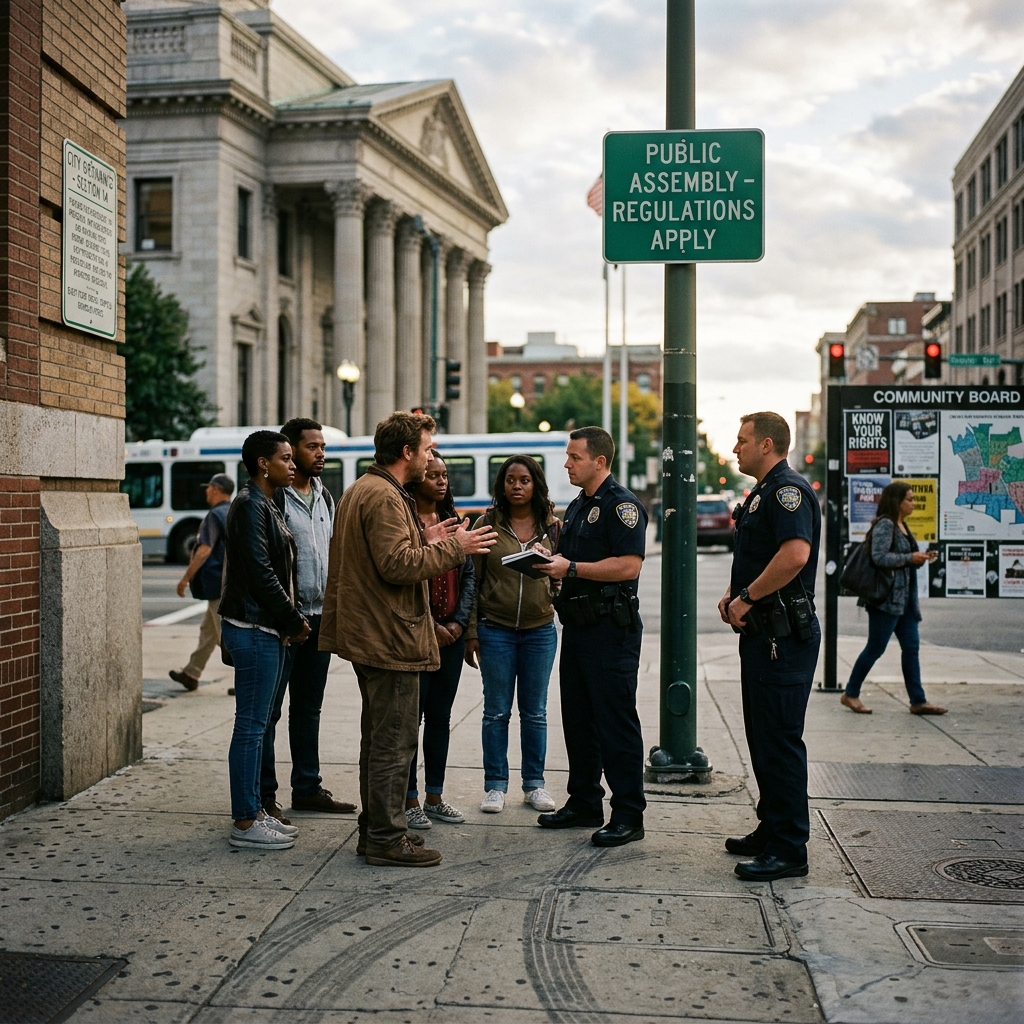
Disorderly conduct is one of the most common criminal charges in the United States, but it is also one of the least understood. Although it is usually treated as a relatively minor offense, a conviction can still bring fines, possible jail time, and a permanent criminal record. Because disorderly conduct laws are written and enforced at the state and local level, the exact definition and penalties vary widely across the country.
This guide explains what disorderly conduct generally means, how different states define it, examples of behavior that might lead to charges, potential penalties, and the defenses that may be available. It also highlights why local law matters and when it is important to speak with a lawyer.
What Is Disorderly Conduct?
At its core, disorderly conduct is a public-order crime. In most states, it is defined as behavior that disturbs or threatens the peace, safety, or morals of the public or a group of people. The focus is not only on what the defendant did, but on the impact of that conduct on others in a public setting.
Legal definitions differ, but common elements include:
- Engaging in disruptive or offensive conduct in a public place
- Causing or risking public inconvenience, annoyance, alarm, or violence
- Acting intentionally, knowingly, or recklessly, rather than by pure accident
- Conduct that goes beyond ordinary rudeness or unpopular speech and approaches a breach of the peace
Examples commonly listed in state statutes include fighting, making unreasonable noise, using threatening or extremely abusive language, creating hazardous conditions, or disrupting lawful gatherings.
Public Element and Impact on Others
Disorderly conduct laws generally require some kind of public element or impact on others. That does not always mean a crowded street; it could be any place where members of the public are or could be present, such as:
- Sidewalks, parks, and public transportation
- Government buildings and schools
- Places of worship or funeral homes during services
- Private property open to the public, such as stores or venues
Private behavior behind closed doors usually will not qualify as disorderly conduct unless it spills over into public view or audibly disturbs others, such as excessively loud noise reaching neighbors.
Common Types of Disorderly Conduct
Despite differences among state laws, several categories of behavior appear repeatedly in statutes and court decisions. The table below summarizes some typical examples compared with how states often treat them.
| Type of Behavior | Typical Description | How States Often Treat It |
|---|---|---|
| Public fighting or brawling | Physical altercations in public places, including attempts to start a fight | Frequently listed as a core example of disorderly conduct; may overlap with assault |
| Unreasonable or excessive noise | Loud yelling, music, or other noise that continues after requests to stop | Often included in statutes as “unreasonable noise,” especially at night or in residential areas |
| Threatening or abusive language | Words or gestures likely to provoke immediate violence or serious disturbance | Sometimes chargeable if language crosses from protected speech into “fighting words” or true threats |
| Hazardous or offensive conditions | Creating dangerous situations, blocking public ways, or causing noxious conditions | Statutes often mention “hazardous” or “physically offensive” conditions as disorderly conduct |
| Disrupting lawful gatherings | Interfering with funerals, religious services, school activities, or government meetings | Some states have specific provisions elevating penalties for such disruptions |
Examples Frequently Cited in Law
States describe disorderly conduct in different ways, but examples often include:
- Starting or joining a fight in a public place
- Repeatedly shouting or playing loud music at night despite requests to stop
- Using highly abusive language or gestures intended to provoke an immediate violent response
- Creating a noxious odor or hazardous situation in a public area
- Disrupting a school event, religious service, or public meeting with yelling or outbursts
- Displaying or discharging a firearm in a way that alarms others, in some states
Because the offense is broadly defined, police may rely on it in situations where more serious charges are not clearly supported by the facts but there is a genuine disturbance to public order.
How State Laws Define Disorderly Conduct
There is no single nationwide statute for disorderly conduct. Each state, and sometimes municipalities within states, writes its own rules. Still, several patterns appear repeatedly in the statutory language.
Intent and Mental State
Many statutes require that the person act with a certain mental state, such as:
- Intent to cause public inconvenience, annoyance, or alarm
- Knowledge that their behavior will likely disturb others
- Recklessness as to the risk that their conduct will cause such disturbance
For example, Virginia law defines disorderly conduct in terms of acting with the intent to cause public inconvenience, annoyance, or alarm, or recklessly creating a risk of it. Many states adopt similar language, although the specific phrasing varies.
Location and Public Nature
State laws typically specify locations where disorderly conduct may occur, such as streets, highways, public buildings, public transportation, or other public places. Some laws also cover private property when the behavior affects people outside, such as loud parties that disturb neighbors.
Certain locations may trigger enhanced penalties or more specific prohibitions. For instance, some statutes address disruptive behavior near schools, funerals, religious services, or governmental meetings, recognizing the higher sensitivity of those settings.
Illustrative State Approaches
Although the exact language differs, a few examples highlight how states approach disorderly conduct:
- Virginia: Defines disorderly conduct as behavior in public places that has a direct tendency to cause acts of violence against the person at whom it is directed, or disruptions of funerals, governmental meetings, or school activities carried out with intent to cause public inconvenience, annoyance, or alarm.
- Texas: Lists specific acts, including using abusive or vulgar language in public that tends to incite an immediate breach of the peace, making unreasonable noise, fighting in public, creating a noxious odor, and displaying or discharging a firearm in a way calculated to alarm.
- General U.S. pattern: Legal definitions often describe conduct that disturbs the peace, morals, or safety of the public, such as being drunk in public, loitering, fighting, or making loud and disturbing noise.
Because of these differences, someone engaging in the same behavior might face charges in one state but not in another, or might face more serious penalties depending on local law.
Penalties and Consequences
Disorderly conduct is generally treated as a low-level crime, often a misdemeanor or even a lesser violation. However, the consequences should not be underestimated. Penalties can include fines, short jail sentences, probation, or community service, and the conviction may appear on background checks.
Typical Classifications
- Misdemeanor: In most states, disorderly conduct is a misdemeanor, sometimes a “Class C” or similar low-level category.
- Infraction or violation: Some jurisdictions treat certain types of disorderly conduct (such as simple noise violations) as infractions, punishable only by fine.
- Enhanced offenses: When weapons are involved or sensitive locations are affected, some states elevate the charge or increase penalties, occasionally to a higher misdemeanor or, in limited circumstances, a felony.
Examples of State Penalty Ranges
Penalty ranges vary, but illustrations from several states show typical consequences:
- Some states allow up to 6 months in jail for misdemeanor disorderly conduct, especially for more serious forms like violent behavior.
- In other states, basic disorderly conduct may carry shorter maximum jail terms, such as 60 or 90 days, or even fine-only penalties for the lowest level offenses.
- In Texas, many disorderly conduct offenses are Class C misdemeanors, punishable by a fine up to a few hundred dollars, while firearm-related disorderly conduct may be a Class B misdemeanor with possible jail time up to 180 days.
Even when jail is unlikely, the charge can result in:
- A permanent criminal record that may be visible in background checks
- Probation conditions, including counseling, community service, or restrictions on alcohol use
- Immigration consequences for non-citizens, depending on the circumstances
- Collateral impacts on employment, licensing, and housing opportunities
Defenses and Legal Issues
Because disorderly conduct laws are broad, they often raise important questions about constitutional rights—especially free speech—as well as factual disputes about what actually happened. Several defenses or legal issues commonly arise.
First Amendment and Protected Speech
One of the most important issues is whether the defendant’s behavior constitutes protected speech under the First Amendment of the U.S. Constitution. Courts have repeatedly held that the government may not criminalize speech merely because it is offensive or unpopular. However, speech that includes true threats, incitement to imminent violence, or so-called “fighting words” (personally abusive language likely to provoke an immediate violent response) may fall outside constitutional protection.
As a result, some disorderly conduct charges based solely on loud or offensive words are vulnerable to constitutional challenges, while others involving threats or immediate risk of violence are more likely to be upheld.
Lack of Public Element or Impact
A typical defense argument is that the conduct did not occur in a public place or did not create any public disturbance. If the prosecution cannot show that others were actually disturbed or that the behavior posed a real risk of public disorder, the charge may not be sustainable under that state’s statute.
Insufficient Intent or Recklessness
Another common issue is whether the accused acted with the required mental state. If the behavior was accidental, misinterpreted, or did not demonstrate intent to cause public inconvenience, annoyance, or alarm, that may undercut the prosecution’s case.
Overbreadth and Vagueness Challenges
Because disorderly conduct statutes are broad, some have been challenged as overbroad (sweeping in too much protected conduct) or vague (failing to give ordinary people clear notice of what is criminal). Courts sometimes narrow the interpretation of these laws to avoid constitutional problems while still allowing them to be applied to clearly disruptive or violent behavior.
Why State-Specific Law Matters
Two people could engage in very similar conduct yet face different charges depending on where they are standing. This is because:
- Each state defines disorderly conduct differently
- Local ordinances may add additional public-order regulations
- Prosecutors and police departments vary in how aggressively they enforce these laws
For example:
- Some states focus heavily on public fighting and noise, while others also emphasize disruptions of schools or government meetings.
- One state may treat certain public intoxication incidents as disorderly conduct, while another has a separate statute with different penalties.
- Weapons-related conduct that is a separate firearms offense in one jurisdiction may be incorporated into the disorderly conduct statute in another.
Because of these differences, understanding the specific language of the statute in the relevant state is crucial for evaluating the seriousness of the charge, potential defenses, and likely outcomes.
Practical Tips if You Face a Disorderly Conduct Charge
Although disorderly conduct is often considered a “minor” charge, it should be taken seriously. The following practical steps are commonly recommended:
- Read the charging document carefully. It should specify the statute section and describe the alleged conduct. This helps you understand exactly what you are accused of.
- Note the location and context. Whether the incident occurred in a public street, a bar, a school, or a private home can significantly affect the legal analysis and possible penalties.
- Write down your recollection promptly. Memories fade quickly; recording details soon after the incident may help you and your attorney identify factual defenses or witnesses.
- Consider potential witnesses or video. Many public areas now have surveillance cameras, and bystanders may have recorded with their phones. Such evidence can support or contradict the allegations.
- Consult a qualified criminal defense attorney. A local lawyer can explain how the disorderly conduct law is interpreted in your jurisdiction, whether plea negotiations are common, and what long-term consequences you might face.
Frequently Asked Questions About Disorderly Conduct
Is disorderly conduct a felony or a misdemeanor?
In most states, disorderly conduct is a misdemeanor or sometimes an even lower-level infraction. Only in limited circumstances—such as when serious violence or particular sensitive locations are involved—could related behavior be charged under felony statutes, though often as different offenses rather than as simple disorderly conduct.
Can I go to jail for disorderly conduct?
Yes, jail is legally possible in many jurisdictions, but the likelihood depends on your state law, the facts, and your prior record. Typical maximum sentences may range from a fine-only offense to a few months in jail for a basic misdemeanor, with some states allowing up to six months. Courts frequently impose fines, probation, or community service rather than jail for first-time, low-level cases.
Does disorderly conduct go on my permanent record?
In many states, a conviction for disorderly conduct will appear on your criminal record, even if it is a minor misdemeanor. That record can show up on background checks for jobs, housing, or professional licenses. Some states provide options for expungement or sealing under certain conditions, which a local lawyer can explain.
Is yelling or cursing at someone always disorderly conduct?
No. Offensive language alone is not always enough to support a disorderly conduct conviction, especially when the speech is protected by the First Amendment. However, language that qualifies as “fighting words” or true threats—words likely to provoke an immediate violent reaction or that communicate serious intent to harm—may be punishable under some states’ disorderly conduct or related statutes.
How is disorderly conduct different from disturbing the peace or breach of the peace?
In many jurisdictions, “disturbing the peace” or “breach of the peace” are closely related concepts and may even be used interchangeably with disorderly conduct, depending on the statute. Some states have separate offenses with overlapping definitions, while others treat them as variations of the same public-order crime. The precise difference, if any, depends on local law.
Do I need a lawyer for a disorderly conduct charge?
While some people choose to handle minor cases alone, consulting a lawyer is often wise. An attorney can analyze whether the charge is supported by the facts and law, advise you on possible constitutional issues, negotiate with prosecutors, and help you understand long-term consequences such as criminal records or immigration risks.
References
- disorderly conduct | Wex | Legal Information Institute — Cornell Law School. Accessed 2026. https://www.law.cornell.edu/wex/disorderly_conduct
- Disorderly Conduct Laws | Criminal Law Center — Justia. Accessed 2026. https://www.justia.com/criminal/offenses/other-crimes/disorderly-conduct/
- § 18.2-415. Disorderly conduct in public places — Code of Virginia, Virginia Law. Accessed 2026. https://law.lis.virginia.gov/vacode/title18.2/chapter9/section18.2-415/
- The Texas Disorderly Conduct Law | Penal Code § 42.01 — Saputo Law. Accessed 2026. https://saputo.law/criminal-law/texas/disorderly-conduct/
- Disorderly Conduct in Florida — Moses & Rooth Attorneys at Law. Accessed 2026. https://www.mosesandrooth.com/general-criminal-defense/disorderly-conduct-in-florida/
Similar Articles








Read full bio of medha deb


