
Understanding Criminal Charges for Evading Police
Learn how evading, fleeing or eluding law enforcement is charged, punished and defended under U.S. criminal laws.
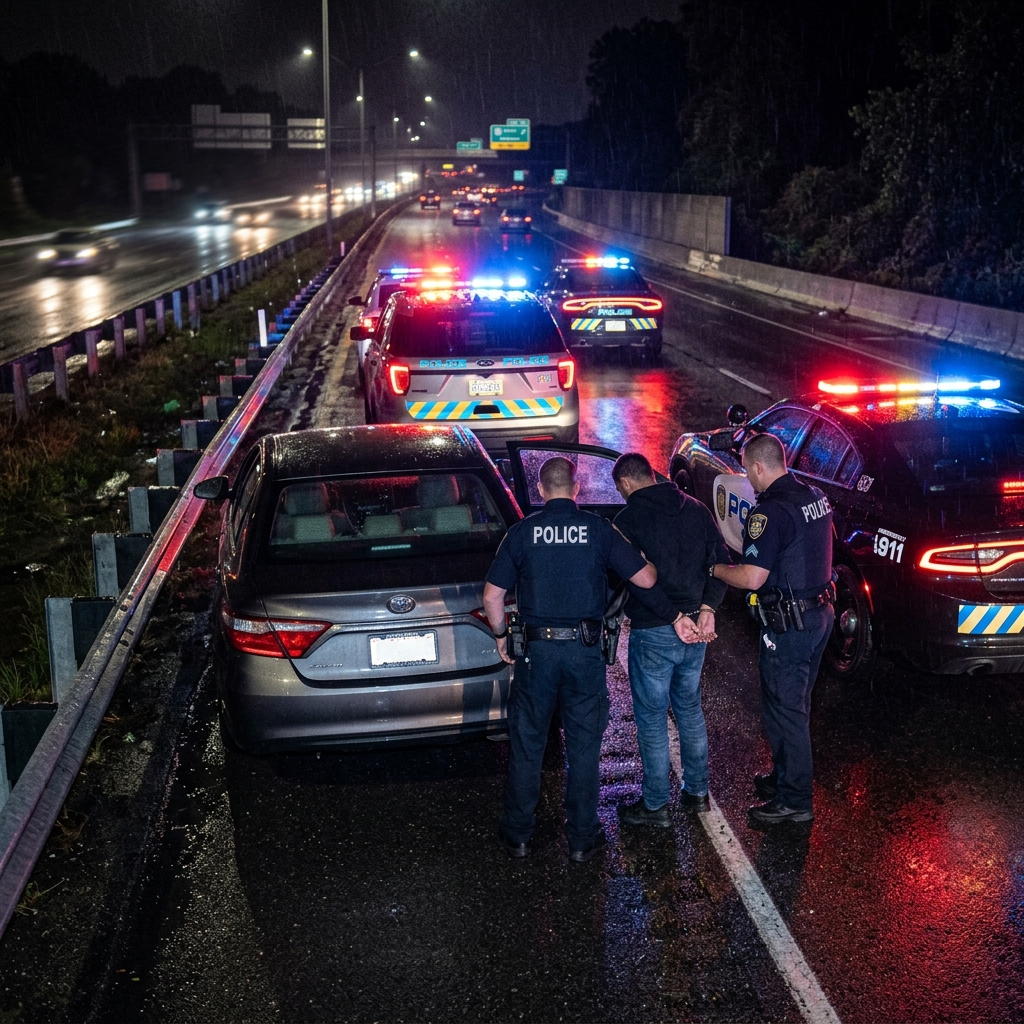
When a law enforcement officer signals you to stop, the law in most U.S. jurisdictions requires that you comply promptly and safely. Choosing to flee, ignore, or otherwise evade that signal can result in separate criminal charges commonly described as evading police, fleeing, or eluding law enforcement. These offenses can range from minor misdemeanors to serious felonies, particularly when someone is injured, property is damaged, or a high-speed chase is involved.
This article explains what it means to evade police, how these offenses are charged, potential penalties, common defenses, and practical steps to take if you are under investigation or already charged. It is for general information only and is not a substitute for legal advice from a qualified attorney in your state.
What Does “Evading Police” Mean in Criminal Law?
Although the specific wording varies by state, the core idea is broadly similar: a person knowingly refuses to stop or tries to escape after an officer gives a clear order or signal to stop. The officer’s signal may be:
- Flashing emergency lights or a siren from a marked patrol vehicle
- Verbal orders such as “Stop,” “Pull over,” or “You are under arrest”
- Audible commands over a loudspeaker or handheld device
- Visible hand signals or gestures to pull over or remain at the scene
In many statutes, a person commits evading or fleeing when they:
- Drive away instead of pulling over after seeing police lights or hearing a siren
- Run from officers on foot who are attempting to detain or arrest them
- Exit a vehicle and continue fleeing after an initial attempt to stop
- Use any other means to avoid being stopped or taken into custody, such as hiding or using another vehicle to escape
Most state laws require proof that the person knew or reasonably should have known that law enforcement was signaling them to stop. For example, Arizona law requires proof that the driver “knew they have been signaled to pull over” for failure to stop or unlawful flight. In Virginia, the statute refers to a person who, after receiving an audible or visible signal to stop, willfully disregards that signal or attempts to escape by any means.
Misdemeanor vs. Felony Evading: How Serious Is the Charge?
Evading police is a crime in every state, but the level of seriousness depends on the circumstances. Many jurisdictions divide these offenses into misdemeanor and felony categories.
| Type of Charge | Typical Scenario | Possible Consequences (General) |
|---|---|---|
| Misdemeanor evading / fleeing | Brief failure to stop; short pursuit; no injuries or major danger | Up to 1 year in jail; fines; probation; license suspension in some states |
| Felony evading / fleeing | High-speed chase, reckless driving, injuries, death, or serious hazard to others | Multi-year prison sentence; large fines; long-term or mandatory license suspension |
Examples of How States Treat Evading or Fleeing
Although every jurisdiction is different, a few examples illustrate the range of penalties that can apply:
- Florida: Willfully fleeing or attempting to elude in a vehicle after being ordered to stop is generally a third-degree felony, with increased penalties if the person drives at high speeds or causes injury or property damage.
- Virginia: Disregarding an officer’s signal to stop in willful and wanton disregard is a Class 2 misdemeanor, but becomes a Class 6 felony if the person endangers the officer’s vehicle or another person. If a pursuing officer is killed as a direct result of the pursuit, the offense escalates to a Class 4 felony.
- Arizona: Failure to stop for a law enforcement vehicle is a Class 2 misdemeanor; unlawful flight from a pursuing police vehicle is a Class 5 felony with potential prison time and significant fines.
- Pennsylvania: Fleeing or attempting to elude police can be charged as a misdemeanor or felony, with penalties ranging from shorter jail terms up to several years in prison, depending on factors like speed, prior record, injuries, and whether the incident occurred in a work or school zone.
These examples show how the same basic act—refusing to stop or trying to escape—can lead to very different consequences depending on the state and the facts.
Key Legal Elements Prosecutors Must Prove
Although the legal language varies, prosecutors usually must establish several core elements to convict someone of evading or fleeing the police. Understanding these elements helps explain why certain defenses may be effective.
1. A Lawful Signal or Order to Stop
- The officer must be acting within their jurisdiction and authority.
- The signal is typically given by lights, siren, voice, or gesture from a recognizable law enforcement officer or marked vehicle.
- Some states require that the patrol car be clearly marked as a law enforcement vehicle.
2. Knowledge of the Officer’s Signal
- The defendant must know or reasonably should know that the officer is directing them to stop.
- Evidence may include the person’s reaction, visibility of lights, length of the pursuit, or witness statements.
- If the driver genuinely did not see or hear the signal, that can be the basis for a defense in some jurisdictions.
3. Intentional Refusal or Attempt to Escape
- The prosecution must show a willful decision to keep going, accelerate, change routes, or otherwise avoid stopping.
- Actions such as turning off headlights, speeding up, or taking evasive maneuvers can be evidence of intent.
- Mere confusion or slow reaction, by itself, may not meet this threshold.
4. Aggravating Conduct (for Felony Charges)
To elevate the offense to a felony, many statutes require additional circumstances beyond simply failing to stop:
- Driving at excessive speeds or engaging in a prolonged chase
- Reckless or wanton disregard for the safety of others, such as weaving through traffic or running red lights
- Causing injury or death to a passenger, officer, or third party
- Causing substantial property damage, especially in school zones or work zones
Typical Penalties and Collateral Consequences
Conviction for evading or fleeing the police can result in a range of criminal and non-criminal consequences. The specific penalties depend on the level of the offense, the person’s record, and the facts of the case.
Criminal Sentences and Fines
- Jail or prison terms: Misdemeanor offenses can carry up to one year in a local jail, while felony convictions can involve multi-year prison sentences and, in severe cases, decades of incarceration.
- Fines: Courts may impose fines ranging from hundreds to tens of thousands of dollars, depending on the offense level and state law.
- Probation or community supervision: Some defendants receive probation, which may include strict conditions like regular reporting, treatment programs, or curfews.
Driver’s License Sanctions
Many states add mandatory or discretionary driver’s license penalties in evading or fleeing cases, especially when a vehicle is involved:
- Suspension of driving privileges for a set period, such as 30 days to one year.
- Longer mandatory suspensions when speeding far above the limit, such as 90 days or more when driving 20 mph above the posted limit.
- Possible revocation of the license for repeat or felony offenses.
Long-Term Collateral Consequences
- Permanent criminal record: A conviction for evading or fleeing often appears on background checks, potentially affecting employment, housing, and professional licensing.
- Insurance increases: Auto insurers may raise premiums significantly or cancel policies after a conviction for a serious traffic-related offense, especially when reckless driving is involved.
- Immigration impacts: For non-citizens, certain felony convictions or crimes involving dangerous conduct can trigger immigration consequences. These issues require specialized legal advice.
Common Defenses to Evading Police Charges
Every case is unique, but several recurring defense theories appear in evading or fleeing prosecutions. The viability of any defense depends on the evidence, local law, and the defendant’s credibility.
Mistaken Identity
- Defense counsel may argue that officers or witnesses misidentified the driver or fleeing suspect, particularly in fast-moving situations or at night.
- Video footage, cell phone records, and physical evidence can help confirm or challenge identity.
Lack of Intent or Knowledge
- A driver might claim they did not see the lights or hear the siren, especially in heavy traffic, bad weather, or noisy environments.
- A medical condition or emergency (such as a panic attack or sudden illness) might explain unusual driving behavior.
- In some statutes, a reasonable belief that a non-officer was pursuing the person can be an affirmative defense. For example, Virginia law allows a defense if the defendant reasonably believed they were being pursued by someone other than a law enforcement officer.
Emergency or Necessity Situations
- If stopping immediately would have posed a serious risk to the driver or others—for example, in a dangerous location without a shoulder—a defendant may argue they were attempting to reach a safer stopping point.
- Some drivers claim they were rushing to a hospital due to a medical emergency. These scenarios are fact-specific and must be evaluated carefully.
Challenging the Lawfulness of the Stop
- Defense attorneys sometimes argue that the officer lacked legal grounds to initiate the stop, such as reasonable suspicion or probable cause.
- However, even if a stop is questionable, fleeing from police is generally treated as a separate offense; courts rarely accept evasion as a lawful way to challenge an improper stop.
Practical Steps If You Are Accused of Evading Police
If you are under investigation or have been charged with evading, fleeing, or eluding law enforcement, prompt and thoughtful action is extremely important.
- Do not discuss the incident with officers without legal advice. Anything you say can be used against you. You generally have the right to remain silent and to request an attorney.
- Contact a criminal defense lawyer immediately. Local statutes, sentencing practices, and available defenses vary by state and even by county. An attorney can evaluate the evidence and explain your options.
- Preserve evidence. Save dashcam footage, phone records, GPS data, and witness contact information. These may help show what you saw and heard, or support a defense such as lack of intent or mistaken identity.
- Follow court orders and deadlines. Missing a court date or ignoring bail conditions can lead to additional charges and complicate defense efforts.
Risk Factors That Make Evading Charges More Serious
Several circumstances significantly increase the risk of a harsh sentence or more serious charges:
- Driving at extremely high speeds or engaging in a long-distance chase
- Endangering pedestrians, cyclists, or other motorists; near-misses at intersections or crosswalks
- Causing injury or death to an officer, passenger, or third party
- Fleeing in school zones, construction zones, or heavily populated areas
- Having a prior record of traffic offenses, DUI, or similar conduct
Because these risk factors can push a case from misdemeanor to felony territory and increase the likelihood of jail or prison, defense attorneys often focus on challenging or mitigating these aspects.
Frequently Asked Questions About Evading Police
Is it always a crime if I do not stop immediately for police?
Not every delay in stopping amounts to a crime. In many states, prosecutors must show that you intentionally refused or attempted to evade after a clear, lawful signal to stop. Slowly pulling over to a safe spot, using turn signals, and complying within a reasonable time frame usually does not qualify as evading. However, each situation is fact-specific.
Can I be charged with evading police on foot, or only in a vehicle?
Evading or fleeing charges can arise both from vehicle pursuits and from attempts to escape on foot. Several statutes explicitly cover attempts to escape “on foot, in the vehicle, or by any other means” after a signal to stop or an attempt to arrest.
What if I thought the pursuing person was not a real police officer?
Some states recognize a defense if you reasonably believed that the person pursuing you was not a law enforcement officer. For example, Virginia law provides an affirmative defense where the defendant reasonably believed they were pursued by someone other than a law-enforcement officer. To rely on such a defense, you must present evidence supporting that belief.
Can an evading conviction affect my driver’s license?
Yes. Many states impose mandatory or discretionary license suspensions upon conviction, especially when a vehicle is involved. Periods can range from 30 days to a year or more, with additional penalties if you were driving far above the speed limit.
Do I need a lawyer if I am charged with a misdemeanor evading offense?
Even misdemeanor convictions can lead to jail time, fines, and a lasting criminal record. Because evading statutes often involve technical legal elements and possible defenses related to intent, identity, and officer conduct, consulting a criminal defense attorney is highly advisable in both misdemeanor and felony cases.
References
- Evading the Police – Legal Elements, Defenses, & Penalties — Justia. 2023-05-01. https://www.justia.com/criminal/offenses/other-crimes/evading-the-police/
- Fleeing and Eluding Police in PA — Zuckerman Law Firm. 2022-06-10. https://www.zuckermanfirm.com/fleeing-and-eluding-police
- Eluding Police in Virginia—What Are the Penalties? — Andrew Flusche, Attorney at Law. 2023-03-15. https://www.andrewflusche.com/blog/eluding-police-penalties-virginia/
- Defending Against Fleeing the Police Charges — Arora Law Firm. 2022-09-08. https://thearoralawfirm.com/defending-against-fleeing-the-police-charges/
- Fleeing and Eluding — The Herbst Firm, Baltimore Traffic Ticket Lawyers. 2022-04-20. https://www.mdtriallawyer.com/fleeing-and-eluding.html
- Florida Statutes § 316.1935 — Fleeing or attempting to elude a law enforcement officer — Florida Legislature, Online Sunshine. 2024-01-01. https://www.leg.state.fl.us/statutes/index.cfm?App_mode=Display_Statute&URL=0300-0399/0316/Sections/0316.1935.html
- Code of Virginia § 46.2-817 — Disregarding signal by law-enforcement officer to stop — Virginia Legislative Information System. 2024-01-01. https://law.lis.virginia.gov/vacode/title46.2/chapter8/section46.2-817/
- Failure to Stop and Felony Flight — Arizona Criminal Defense Lawyer, Mesa AZ. 2023-07-12. https://www.arizonacriminaldefenselawyer.com/communities-served/mesa/failure-to-stop-and-felony-flight/
Similar Articles








Read full bio of medha deb




