
Understanding Criminal Appeals in the United States
A clear guide to how criminal appeals work, who can file them, and what to expect from the appellate courts after a conviction.
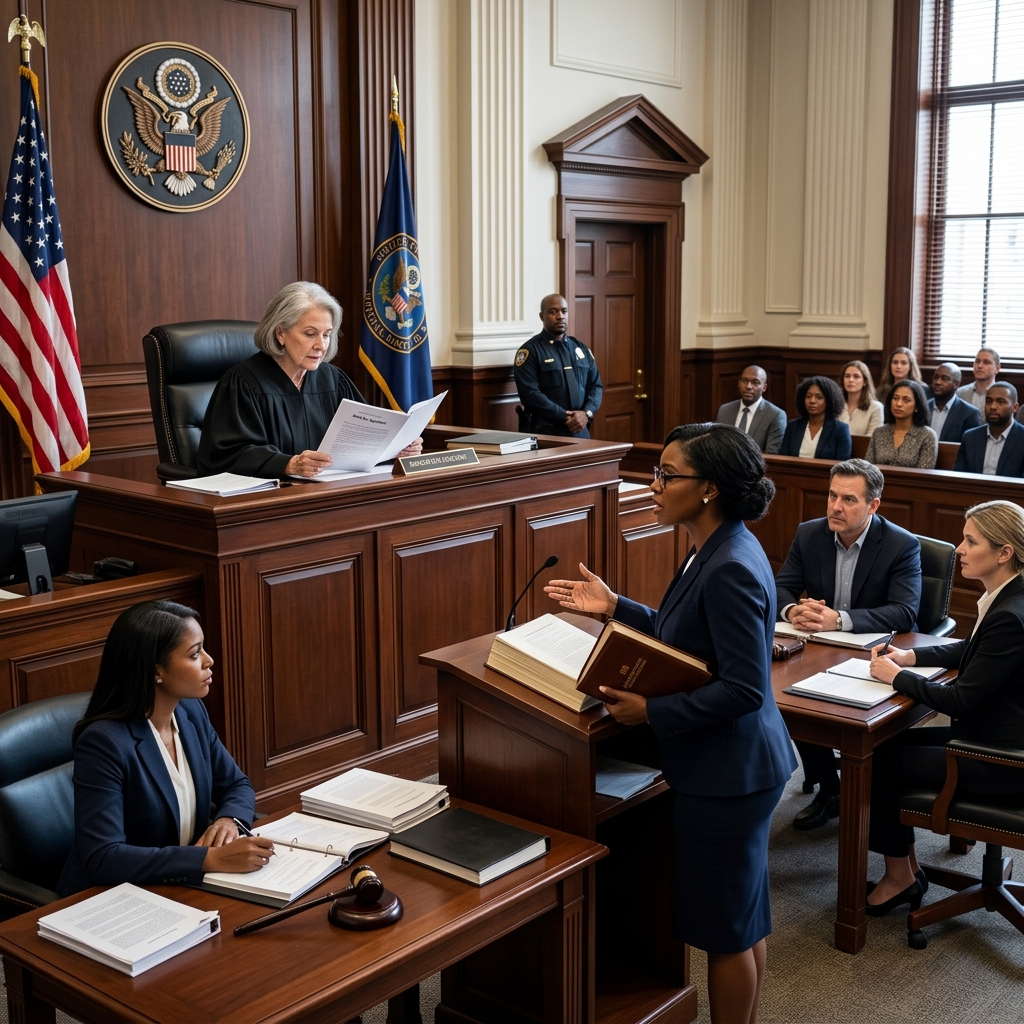
After a criminal conviction, a defendant is not automatically entitled to a new trial, but they usually have the right to ask a higher court to review what happened in the trial court. This process is called a criminal appeal, and it focuses on whether the law was applied correctly, not on rearguing the facts of the case.
This article explains how criminal appeals work in the United States, including common grounds for appeal, the basic steps in the process, important deadlines, typical outcomes, and practical considerations for defendants.
What a Criminal Appeal Is — and Is Not
A criminal appeal is a formal request asking an appellate court to review a conviction or sentence for legal error. It is important to understand what an appeal does not do, as this shapes expectations and strategy.
- Not a retrial: An appeal does not repeat the trial, call new witnesses, or introduce new evidence. The appellate court reviews the record created in the trial court.
- Focus on law, not facts: Appellate judges look at whether the trial court correctly interpreted and applied the law and whether any mistakes affected the outcome.
- Limited record: The appellate court relies on transcripts, admitted exhibits, written motions, and other documents from the trial level. It generally cannot consider materials that were never presented to the trial court.
- Written arguments: Appeals are primarily decided based on written briefs submitted by the parties, sometimes supplemented by short oral arguments.
In most systems, the defendant gets one direct appeal of right from a criminal conviction, typically to an intermediate appellate court. Further review by a state supreme court or the U.S. Supreme Court is usually discretionary and reserved for cases raising significant legal questions.
Who Can File a Criminal Appeal?
Most appeals are filed by defendants who have been convicted and sentenced in a trial court. In some situations, the prosecution may also appeal, but its ability to do so is limited by constitutional protections against double jeopardy and specific statutes.
| Party | Typical Reasons to Appeal |
|---|---|
| Defendant |
|
| Prosecution |
|
Defendants cannot appeal simply because they disagree with the jury’s verdict. There must be a specific claim that the court made a legal mistake, violated constitutional rights, or otherwise failed to follow required procedures.
Common Grounds for Criminal Appeals
Appellate courts will only intervene when there is a legally recognized basis for doing so. Typical grounds for appeal include:
- Legal error: The trial judge misinterpreted a statute, applied the wrong rule, or improperly admitted or excluded evidence. For example, an incorrect jury instruction or wrongful denial of a motion to suppress evidence can be grounds for appeal.
- Constitutional violations: The defendant’s rights under the U.S. Constitution or state constitutions were violated, such as denial of the right to counsel, improper search and seizure, or violations of due process.
- Juror misconduct: Jurors may have considered information outside the record, engaged in improper communications, or failed to follow the court’s instructions, undermining the fairness of the trial.
- Ineffective assistance of counsel: Defense counsel’s performance fell below reasonable professional standards and prejudiced the outcome. This claim is often raised in post-conviction proceedings but may also appear in direct appeals.
- Sentencing errors: The sentence imposed may exceed legal limits, misapply sentencing guidelines, or be based on improper factors.
Not every error leads to reversal. Appellate courts distinguish between harmless errors, which did not affect the result, and prejudicial errors, which could have changed the outcome. Only prejudicial errors typically justify overturning a conviction or sentence.
Key Steps in the Criminal Appeals Process
While procedures vary by jurisdiction, most criminal appeals follow a recognizable sequence from the time of sentencing to the appellate court’s decision.
1. Preserving the Right to Appeal
Appeals are governed by strict deadlines. Missing a filing deadline can cause a defendant to lose the right to appeal, with only limited exceptions.
- Notice of appeal or intent: Defendants usually must file a notice of appeal or a notice of intent to seek post-conviction relief within a short period after sentencing. Common deadlines range from 20 to 30 days, depending on the jurisdiction.
- Post-conviction motions: Some systems require or allow motions in the trial court (such as motions for a new trial or to correct a sentence) before or alongside a direct appeal. These motions can refine the issues that will be raised later.
Because these deadlines are rigid, defendants are strongly encouraged to consult an attorney promptly after conviction to avoid losing appellate rights.
2. Preparing the Record on Appeal
Once an appeal is initiated, the trial record must be assembled and transmitted to the appellate court.
- Transcripts: The court reporter prepares written transcripts of hearings and trial proceedings. These documents capture testimony, arguments, and rulings.
- Documents and exhibits: The clerk’s office compiles motions, orders, jury instructions, exhibits admitted into evidence, and other filings that formed the basis of the trial court’s decisions.
- Docketing and filing: Courts often require a docketing statement and formal requests to transmit the record so the appellate case can be properly scheduled.
This record serves as the foundation for appellate review; arguments on appeal must be tied to what appears in these materials.
3. Writing and Filing Appellate Briefs
The heart of a criminal appeal is the written brief. This document explains what went wrong in the trial court and why the law requires a different outcome.
- Appellant’s brief: Prepared by the party appealing (usually the defendant), this brief identifies specific errors, cites statutes and case law, and argues for relief such as reversal or resentencing.
- Respondent’s or appellee’s brief: The opposing party, often the prosecution or the state, submits a brief defending the conviction and sentence and arguing that any alleged errors were harmless or nonexistent.
- Reply brief: In many systems, the appellant may file a shorter reply brief addressing points raised by the respondent.
Briefs must meet specific formatting rules and be filed by set deadlines, which can range from several weeks to a few months after the record is complete. Failure to comply can result in dismissal of the appeal.
4. Oral Argument
Not all appeals include oral argument. Many are decided solely on the written briefs. When oral argument is scheduled, attorneys appear before a panel of judges to clarify and emphasize key points.
- Time-limited presentations: Each side usually has a short, strictly enforced time period to present its argument.
- Judicial questioning: Judges may interrupt to ask questions about the record, applicable law, or the practical impact of the proposed ruling.
- Focus on core issues: Oral argument typically centers on the most significant legal questions rather than every point raised in the briefs.
Even when oral argument occurs, the written briefs remain the primary basis for the court’s decision.
5. Appellate Court Decision
After reviewing the record and submissions, the appellate court issues a written decision explaining whether the appeal is granted or denied and what relief, if any, is ordered.
- Affirming the conviction: The court may uphold the conviction and sentence, leaving the trial court’s decision in place.
- Reversing the conviction: If serious legal errors are found, the appellate court may overturn the conviction. This often leads to a new trial or dismissal of the charges.
- Modifying the sentence: The appellate court can sometimes reduce or otherwise alter the sentence if the original was unlawful or based on improper factors.
- Remanding for further proceedings: The case may be sent back (remanded) to the trial court for specific actions, such as conducting a new hearing, reconsidering a motion, or correcting procedural flaws.
Appellate decisions may be published, creating precedent that guides future cases, or issued in an unpublished format that applies only to the parties involved.
Timelines and Practical Considerations
Criminal appeals are rarely quick. The process can take months or even years from the filing of the notice of appeal to the final decision.
- Preparation and filing: Gathering transcripts, preparing the record, and drafting briefs can take several months.
- Court review: Once all documents are filed, the appellate court schedules the case, reviews the record, and may hold oral argument before issuing its opinion.
- Average durations: In some jurisdictions, it can take more than a year from filing the appeal to receiving a decision, particularly in complex cases or busy courts.
Defendants should discuss with counsel how long their appeal is likely to take and whether they may remain free on bond during the process, which depends on factors such as the nature of the offense, prior record, and local rules.
What Happens After the Appellate Decision?
Once the appellate court rules, parties still may have additional options, though these are more limited and often discretionary.
- Rehearing or reconsideration: A party may request that the same appellate court reconsider its decision, typically arguing that it overlooked key facts or misapplied the law.
- Higher review: Defendants may petition a state supreme court or the U.S. Supreme Court for further review. However, these courts choose which cases to hear and accept only a small percentage, generally those presenting important legal issues.
- Post-conviction relief: Separate from direct appeals, many jurisdictions provide post-conviction procedures (such as state post-conviction petitions or federal habeas corpus) for claims that were not or could not be raised earlier, including some ineffective assistance of counsel or newly discovered evidence claims.
The choice among these options depends on the nature of the issues, the strength of the legal arguments, and strategic advice from counsel.
Frequently Asked Questions About Criminal Appeals
Do I automatically get a new trial if I appeal?
No. Filing an appeal does not automatically result in a new trial. The appellate court must first find that a significant legal error occurred and that it affected the outcome. If so, the court may order a new trial, modify the sentence, or provide other relief.
Can I present new evidence during my appeal?
Generally, no. Appeals are based on the record from the trial court. New evidence is usually addressed through separate post-conviction proceedings rather than direct appeals.
What if my lawyer made mistakes at trial?
Serious mistakes by defense counsel may give rise to an ineffective assistance of counsel claim. Some of these claims can be raised on direct appeal if they are clear from the trial record, but many are pursued through post-conviction remedies that allow additional fact-finding.
Is there a deadline to file my appeal?
Yes. Deadlines are strict and vary by jurisdiction. Many systems require filing a notice of appeal or similar document within 20–30 days after sentencing. Missing this deadline can forfeit your right to appeal.
How likely is it that my conviction will be reversed?
Most convictions are affirmed on appeal, but outcomes depend on the specific facts and legal issues in each case. Appeals are more likely to succeed when there are clear, prejudicial legal errors supported by strong authority.
Key Takeaways for Defendants Considering Appeal
For defendants and families navigating the aftermath of a conviction, several practical points stand out:
- Act quickly: Contact an attorney promptly after sentencing to avoid missing essential deadlines.
- Understand the limits: An appeal reviews how the law was applied; it does not reweigh evidence or substitute the appellate court’s view of the facts for the jury’s.
- Focus on strong issues: Successful appeals usually concentrate on a few significant, well-supported claims rather than many minor complaints.
- Prepare for a lengthy process: Appeals often take months or years and require patience and careful coordination with counsel.
- Consider all remedies: Depending on the case, post-conviction procedures and higher-court review may also be part of a broader strategy for challenging a conviction or sentence.
References
- Criminal Appeals — Justia. 2024-01-01. https://www.justia.com/criminal/procedure/criminal-appeals/
- Appeals — Administrative Office of the U.S. Courts. 2023-05-15. https://www.uscourts.gov/about-federal-courts/types-cases/appeals
- Criminal Appeals — American Bar Association, Criminal Justice Standards. 2017-08-01. https://www.americanbar.org/groups/criminal_justice/resources/standards/criminal-appeals/
- Criminal Appeals Process Brochure — Office of the Attorney General, State of Florida. 2026-04-01. https://www.myfloridalegal.com/sites/default/files/criminal-appeals-process-brochure-2026-04-v3.pdf
- Guide to Pursuing a Criminal Appeal — Michigan Court of Appeals. 2022-01-01. https://www.courts.michigan.gov/49b198/siteassets/publications/manuals/coa/guide-to-pursuing-a-criminal-appeal.pdf
- What Is the Appeals Process in Criminal Cases? — Zachary McCready Law. 2023-09-10. https://zacharymccreadylaw.com/blog/what-is-the-appeals-process-in-criminal-cases/
- What is the Criminal Appeals Process in Wisconsin? — Gimbel, Reilly, Guerin & Brown LLP. 2023-03-20. https://www.grgblaw.com/wisconsin-trial-lawyers/what-is-the-criminal-appeals-process-in-wisconsin
Similar Articles








Read full bio of Sneha Tete




