
Understanding Construction Loans for Homebuilding
Learn how construction loans work, how they differ from regular mortgages, and what to know before financing a new home build.
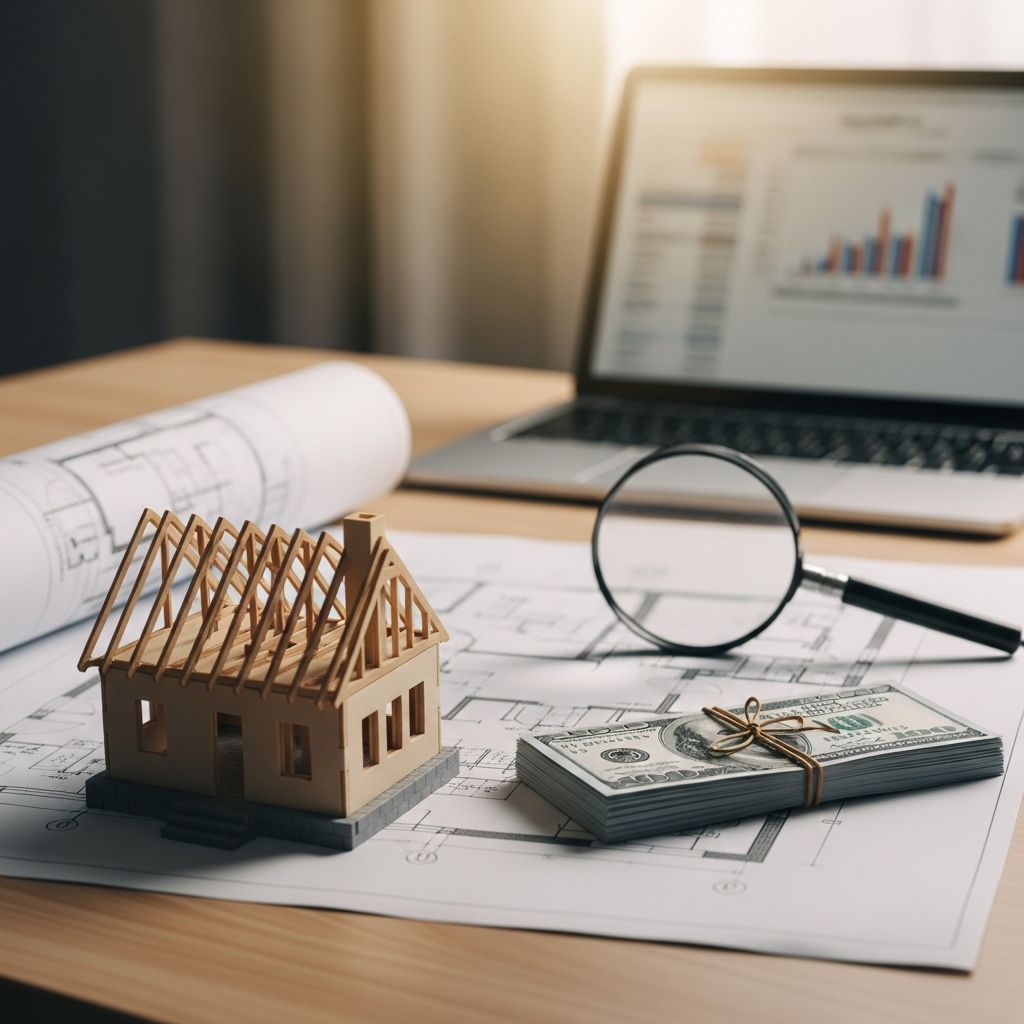
Financing the construction of a new home works differently from taking out a traditional mortgage on an existing property. A construction loan is a short-term form of credit that funds the cost of building, usually in stages, while your home is being constructed. It is designed to be temporary, often lasting only as long as the building phase, and may convert into a standard mortgage once the home is complete.
This guide explains what construction loans are, how they work, and what you should understand before you commit to one.
What Is a Construction Loan?
A construction loan is a short-term loan that provides money to pay for building or substantially renovating a home. Instead of receiving all the funds at once, you typically access the money in installments, known as draws, as the project reaches pre-agreed milestones.
These loans usually:
- Last only for the duration of the project, commonly 6–18 months
- Charge a variable or sometimes fixed interest rate that is often higher than a standard mortgage because the lender faces more risk
- Require detailed building plans, a budget, and a qualified builder or contractor
- Are based in part on the expected value of the completed home, not just current land value
How Construction Loans Differ from Traditional Mortgages
Although both construction loans and traditional mortgages involve borrowing against real estate, they function in distinct ways.
| Feature | Construction Loan | Traditional Mortgage |
|---|---|---|
| Purpose | Finance building or major renovation of a home | Finance purchase or refinance of an existing home |
| Loan Term | Short term (typically up to 18–24 months) | Long term (usually 15–30 years) |
| Disbursement of Funds | Released in stages as construction progresses (draws) | Full amount disbursed at closing |
| Collateral | Land + partially completed structure, based on completed value | Completed home |
| Payment During Build | Often interest-only on funds drawn | Principal and interest from the start |
| Conversion to Long-Term Loan | May convert to a permanent mortgage (construction-to-permanent) | Already a permanent mortgage |
Common Types of Construction Loans
Lenders offer several structures for construction financing. Understanding these options can help you choose an approach that matches your project and long-term plans.
1. Construction-to-Permanent (Single-Close) Loans
A construction-to-permanent loan starts as a construction loan, then converts into a long-term mortgage when the home is finished. This is sometimes called a single-close or all-in-one construction loan.
Key characteristics include:
- One set of closing documents for both construction and permanent phases
- Funds released in draws during construction, typically with interest-only payments during this period
- Automatic conversion to a traditional mortgage after final inspection and completion, usually at a fixed or adjustable rate you locked in before or during construction
This structure can reduce paperwork and closing costs because you do not need to apply and close on a separate mortgage when the home is finished.
2. Stand-Alone or Construction-Only Loans
A construction-only loan funds only the building phase and does not automatically become a long-term mortgage. Once the home is finished, you must either pay off the loan in full or refinance it into a permanent mortgage.
Typical features include:
- Short term, usually ending at completion of construction
- Interest-only payments on the outstanding balance during construction
- A second loan application and closing for the permanent mortgage
Borrowers sometimes choose this option when they expect their financial situation or interest rates to improve by the time construction ends, giving them flexibility to shop for the best long-term mortgage later.
3. Renovation Construction Loans
Renovation construction loans are designed for purchasing and significantly improving an existing property, or for major repairs to a home you already own.
Examples include products that allow you to roll the purchase price and the renovation costs into one mortgage, based on the property’s expected value after work is complete. Because the lender is financing improvements rather than a ground-up build, underwriting may place more emphasis on the existing structure and the scope of the renovation.
4. Owner-Builder Construction Loans
With an owner-builder construction loan, the borrower acts as the general contractor or builder rather than hiring a separate company. Lenders usually restrict this type of loan to borrowers with professional building or contractor experience because the risk of delays and cost overruns is higher when the owner manages the project.
This approach may reduce some costs if you can legitimately perform or manage the work yourself, but it comes with more responsibility and tighter qualification standards.
How the Construction Loan Process Typically Works
The construction loan process involves more steps and documentation than a standard mortgage because the lender is evaluating both you and the proposed building project.
Project Planning and Application
Before applying, you usually need:
- Completed architectural plans and specifications
- A detailed construction budget with cost estimates for labor, materials, permits, and contingencies
- A signed contract with a licensed builder or general contractor (unless you qualify for an owner-builder loan)
- Evidence of land ownership or a plan for acquiring the land as part of the loan
The lender will review your income, credit history, debts, and assets, similar to a mortgage application, and will also underwrite the building plans and contractor qualifications.
Draw Schedules and Inspections
If approved, the lender structures a draw schedule—a timeline that specifies when funds will be released as the home is built. Common milestones include:
- Site preparation and foundation
- Framing
- “Dry-in” (roofing, windows, exterior)
- Rough plumbing, electrical, and HVAC
- Interior finishes
- Final completion
Before releasing each draw, the lender normally requires an inspection to confirm that the specified work has been completed and that the project is on track. This protects both the lender and the borrower by helping ensure money is only paid for work that has actually been done.
Payments During Construction
During the construction phase, you typically make interest-only payments on the amount of money that has already been disbursed, not on the entire approved loan amount. As more draws are taken, your outstanding balance and interest payments increase.
At the end of construction:
- With a construction-to-permanent loan, the loan converts into a standard mortgage and you begin making principal and interest payments based on the final loan amount.
- With a construction-only loan, you either pay off the balance or refinance into a new mortgage.
Key Risks and Challenges of Construction Loans
Construction financing involves additional risks compared with buying an existing home. Being aware of these risks can help you plan more effectively.
- Cost overruns: Labor and materials may cost more than expected, or plans may change, increasing the final price.
- Delays: Weather, permitting issues, or contractor problems can push back completion, potentially extending the loan term and costs.
- Market changes: Shifts in interest rates or home values during construction can affect your long-term affordability.
- Qualification risk for the permanent mortgage: With stand-alone construction loans, there is no guarantee that you will qualify for favorable permanent financing when the project is finished.
- Builder performance: A contractor who goes out of business or fails to complete the project can leave you with a partially built home and a loan to repay.
Because of these factors, lenders often require larger down payments, strong credit profiles, and careful documentation for construction loans.
How Lenders Evaluate Construction Loan Applications
Lenders assess both your personal financial strength and the viability of the construction project.
Borrower Qualifications
Common evaluation points include:
- Credit score and credit history
- Debt-to-income ratio and documented income
- Available cash for down payment, closing costs, and reserves
- Verification that you can handle interest-only payments during construction as well as the future mortgage payments
Project and Collateral Review
Beyond your finances, the lender will review:
- The building plans, design, and expected timeline
- A professional appraisal based on the projected value of the completed home
- The builder’s experience, licensing, and past performance
- Local building codes, zoning, and permitting requirements
For some loan programs, such as certain construction-to-permanent products sold in the secondary mortgage market, lenders must also follow specific investor and regulatory guidelines.
Questions to Ask Before Taking Out a Construction Loan
Before you commit, consider asking your lender and builder the following:
- Is this loan construction-only or construction-to-permanent?
- What is the interest rate during construction, and is it fixed or adjustable?
- How is the draw schedule structured, and who requests draws?
- What inspections are required, and who pays for them?
- What happens if the project takes longer than expected?
- How will cost overruns be handled?
- What down payment and reserves are required?
Tips for Preparing for a Construction Loan
Taking time to prepare can increase your chances of approval and reduce stress during the building process.
- Strengthen your finances: Pay down debt where possible, avoid new large obligations, and build savings for both the down payment and unexpected costs.
- Choose an experienced builder: Lenders generally favor licensed contractors with a strong track record and appropriate insurance and bonding.
- Be realistic about budget and timeline: Include a contingency line item in your construction budget and prepare for potential delays.
- Understand all terms: Review the note, draw agreement, and conversion terms (if applicable) so you know exactly when and how your payments may change.
- Stay involved: Keep in regular contact with your builder and lender, review progress reports, and be available to approve decisions that could affect cost or schedule.
Frequently Asked Questions About Construction Loans
Q: Do I need a down payment for a construction loan?
A: Most lenders require a down payment, often higher than for a standard mortgage, because of the increased risk associated with construction. Program requirements vary, so ask about minimum equity or down payment levels for your specific loan.
Q: Can I use the value of my land as part of the down payment?
A: If you already own the land where you plan to build, its value may count as part of your equity in the project, subject to the lender’s appraisal and policies. This can reduce the amount of cash you need to bring to closing.
Q: When do I start making full principal and interest payments?
A: During construction, you typically pay interest only on the funds drawn. Once construction ends and the loan converts to a permanent mortgage—or you refinance into one—you begin making regular principal and interest payments according to the new loan’s terms.
Q: What if my home is not finished on time?
A: If construction takes longer than expected, you may need an extension of the construction loan term, which can involve additional fees or underwriting. Communicate early with your lender if delays arise so you understand your options.
Q: Is a construction loan right for everyone building a home?
A: Not necessarily. Some buyers choose to purchase from a builder that finances construction itself, allowing the buyer to obtain a regular mortgage only when the home is complete. A construction loan may be more appropriate if you want a custom build, are managing your own project, or are purchasing land and building from the ground up.
References
- What Are Construction Loans And How Do They Work? — Bankrate. 2024-01-18. https://www.bankrate.com/mortgages/construction-loans-explained/
- Understanding Construction Loans: A Comprehensive Guide to Financing Your Dream Home — Ascend Federal Credit Union. 2023-06-05. https://ascend.bank/news/understanding-construction-loans-a-comprehensive-guide-to-financing-your-dream-home/
- Types of Construction Loans: Guide to Smart Financing — RenoFi. 2023-04-12. https://www.renofi.com/renovation-loans/types-of-construction-loans/
- What Are Construction Loans? — Dunmor. 2023-09-14. https://dunmor.com/what-are-construction-loans/
- Construction Products — Fannie Mae. 2024-02-01. https://singlefamily.fanniemae.com/originating-underwriting/mortgage-products/construction-products
- Understanding Construction Loans: A Comprehensive Guide — Western Bank (“What You Need to Know About Construction Loans”). 2022-11-10. https://www.westernbanks.com/advice-center/what-you-need-to-know-about-construction-loans/
- What are the Types of Construction Loans? — Rabbet. 2022-08-15. https://rabbet.com/blog/what-are-the-types-of-construction-loans
Similar Articles








Read full bio of Sneha Tete


