
Understanding Civil Immigration Confinement
Discover the realities behind U.S. immigration detention.
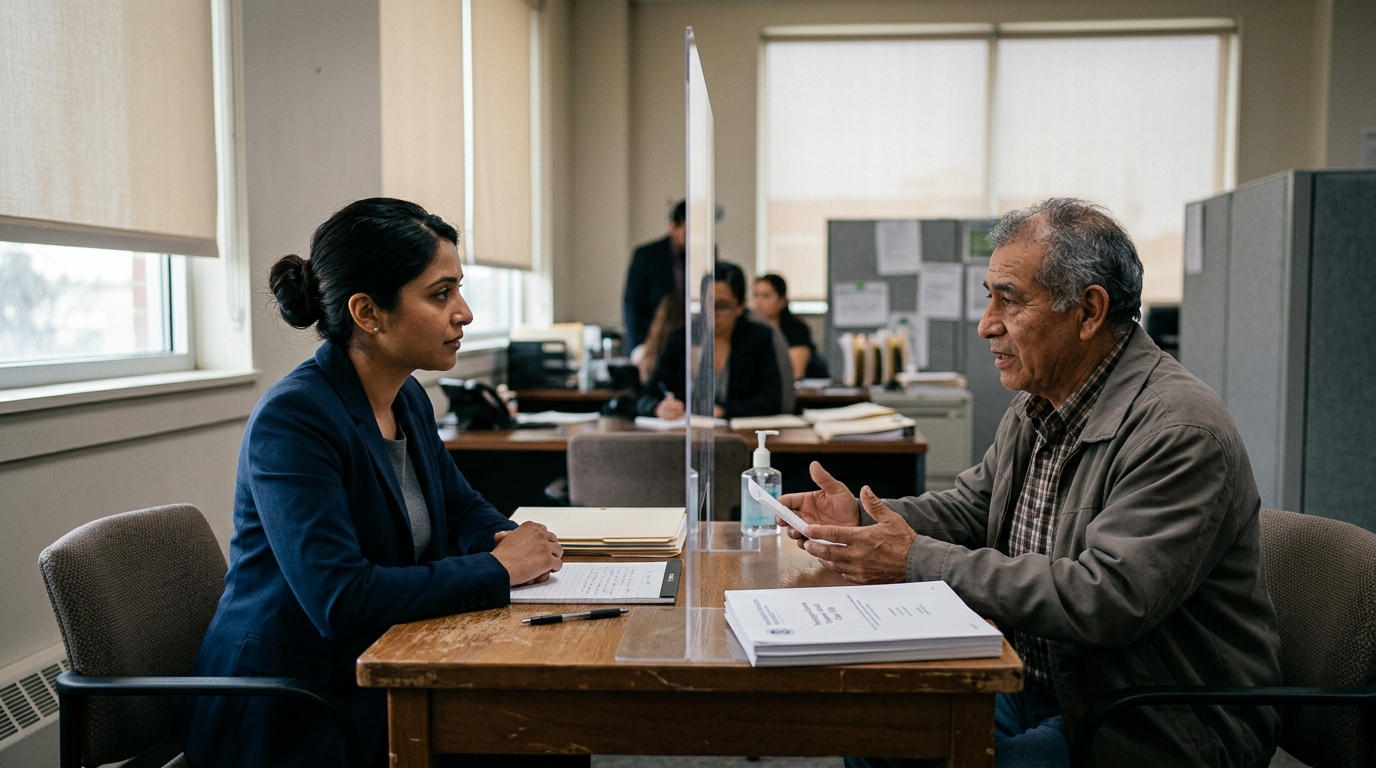
The Reality Behind U.S. Immigration Hold Facilities
Many individuals assume that the systems governing immigration confinement in the United States operate under the identical legal principles as the traditional criminal justice system. They picture a linear process where individuals are arrested for a criminal act, provided a government-appointed attorney, tried in a court of law, and, if found guilty, sentenced to serve time in a penal institution. However, the framework of U.S. immigration enforcement operates on an entirely different legal and procedural foundation—one that often blurs the lines between administrative processing and punitive incarceration in the eyes of the public.
The lack of public clarity surrounding Immigration and Customs Enforcement (ICE) facilities often masks the day-to-day realities experienced by tens of thousands of detained noncitizens. From the fundamental legal classifications of their confinement to the conditions they endure while awaiting their administrative hearings, the immigration detention system is fraught with complexities that diverge sharply from public perception. This comprehensive overview will clarify the intricacies of civil immigration confinement, explore the legal disparities in representation, examine the physical conditions within these facilities, and highlight viable alternatives to widespread institutionalization.
The Fundamental Difference: Civil Processing vs. Criminal Incarceration
One of the most pervasive misconceptions about the immigration system is the belief that individuals held in these facilities are serving a sentence for committing a crime. In reality, under U.S. law, immigration detention is classified as a strictly civil and administrative process. The primary objective of holding an individual in an ICE facility is not punishment or rehabilitation; rather, it is to ensure that the individual appears for their administrative immigration hearings and, if ultimately ordered removed by an immigration judge, is available for deportation.
Because the system is legally civil rather than criminal, it completely bypasses many of the fundamental procedural safeguards intrinsic to the criminal justice system. When a person is charged with a criminal offense, they are afforded strict constitutional protections, including a speedy trial and protection against unreasonable bail. In contrast, those navigating the civil immigration system are often subjected to prolonged periods of confinement without the same robust mechanisms for expedited release or strict evidentiary standards.
Comparison of Confinement Systems
| Feature | Criminal Incarceration | Civil Immigration Confinement |
|---|---|---|
| Legal Purpose | Punishment for a crime, rehabilitation, public safety. | Administrative processing and ensuring court appearance. |
| Right to Appointed Counsel | Guaranteed under the Sixth Amendment. | Not guaranteed; individuals must pay or find pro bono help. |
| Standard of Proof | Beyond a reasonable doubt. | Varies, often relies on lower administrative standards. |
| Facility Operation | Predominantly state and federal public facilities. | Heavy reliance on private, for-profit prison corporations. |
Furthermore, many individuals in ICE custody have never been charged with a criminal offense in their lives. They may be vulnerable asylum seekers who proactively surrendered at a border port of entry to request international protection, undocumented individuals picked up during routine workplace enforcement actions, or longtime permanent residents facing administrative deportation due to an old, minor infraction. Despite their vastly different backgrounds and circumstances, they are frequently grouped together in a sprawling detention apparatus.
The Representation Gap in Immigration Court
Perhaps the most consequential distinction between criminal incarceration and civil immigration detention is the fundamental right to legal representation. In the U.S. criminal justice system, the Sixth Amendment guarantees that anyone facing incarceration has the right to an attorney. If they cannot afford one, the government must provide a public defender. This bedrock principle ensures that defendants do not have to navigate a complex legal maze alone against the vast resources of the state.
However, because immigration proceedings are classified as civil rather than criminal, this crucial constitutional guarantee does not apply. According to the Executive Office for Immigration Review (EOIR) within the Department of Justice, respondents in immigration court may be represented by a practitioner of their choosing, but exclusively at no cost to the government. The government explicitly dictates that it does not provide legal counsel in these administrative proceedings, leaving the burden entirely on the detained individual.
This policy creates a profound and systemic imbalance in the courtroom. Individuals in ICE detention—many of whom do not speak English fluently, are completely unfamiliar with U.S. jurisprudence, or are suffering from the trauma of displacement—must face highly trained government prosecutors entirely on their own unless they can afford a private attorney or secure scarce pro bono representation. The logistics of securing legal help from inside a detention facility are notoriously difficult. Phone calls are often prohibitively expensive, access to legal directories is limited, and remote detention facilities are frequently geographically isolated from urban legal aid organizations. As a result, an overwhelming number of detained immigrants are forced to navigate high-stakes asylum and deportation hearings representing themselves, which drastically reduces their chances of securing a favorable outcome.
Facility Conditions: A Closer Look at the Environment
If the overarching purpose of immigration detention is purely administrative, one might logically assume the facilities resemble standard administrative holding centers rather than maximum-security prisons. Unfortunately, the physical reality of ICE detention centers frequently contradicts their civil designation. Many of these facilities utilize razor wire fences, cinder block cells, strictly regimented daily schedules, and require individuals to wear color-coded prison uniforms.
Oversight and living conditions in these facilities have been the subject of intense scrutiny and numerous federal investigations. The U.S. Government Accountability Office (GAO) recently reported that ICE is responsible for an average daily population of over 37,000 detained noncitizens spread across more than 100 facilities nationwide. In its continuous reviews, the GAO has repeatedly cited deficiencies related to environmental health, water quality, sanitation, and medical care within various administrative facilities.
Detained individuals frequently report severe delays in receiving basic medical and mental health care, substandard nutritional offerings, and the controversial use of segregated housing, colloquially known as solitary confinement. Although ICE has established national detention standards meant to ensure safe, secure, and humane confinement, the enforcement of these standards remains highly inconsistent. The decentralized nature of the detention system, which relies heavily on a complex patchwork of county jails and privately owned facilities, makes uniform oversight incredibly challenging. Consequently, individuals held strictly for civil processing often endure conditions that are physically and psychologically indistinguishable from those experienced by individuals serving criminal sentences.
The Role of the Private Sector in Confinement
A critical factor shaping the modern landscape of U.S. immigration detention is the government’s heavy reliance on the private sector. A significant majority of ICE detention beds are located in facilities owned and operated by private, for-profit prison corporations. These companies secure lucrative, long-term contracts with the federal government to house noncitizens pending their immigration proceedings.
The privatization of civil confinement introduces a complex dynamic regarding incentives, transparency, and accountability. For-profit entities operate fundamentally on a business model designed to maximize shareholder returns. Critics argue that this profit motive inherently disincentivizes spending on essential services—such as high-quality medical care, nutritious food, and adequate staffing ratios—since reducing operational costs directly increases corporate profit margins.
Furthermore, private prison contracts frequently include guaranteed minimum bed clauses, which essentially require the government to pay for a specific number of detention beds regardless of whether they are actually filled by detainees. This contractual obligation creates an artificial baseline for detention capacity, subtly incentivizing the continuous apprehension and confinement of immigrants to justify the massive federal expenditure. The intersection of federal immigration enforcement policies and corporate financial interests remains one of the most contentious aspects of the modern detention apparatus.
Mandated Holds and ‘No-Release’ Policies
In a standard justice system, an impartial judge evaluates a person’s unique circumstances to determine if they pose a flight risk or a danger to the community before deciding whether they should be confined prior to trial. In the civil immigration system, however, this crucial individualized assessment is often entirely bypassed due to mandatory detention laws.
Under specific provisions of the Immigration and Nationality Act, certain noncitizens are subject to mandatory detention. This means that ICE is legally required to hold them without the possibility of release on bond while their cases are actively processed. This aggressive policy applies to individuals who have committed certain crimes—even if they have already served their designated time and have been fully rehabilitated—as well as some asylum seekers arriving at ports of entry without proper documentation.
Mandatory detention effectively strips immigration judges of their discretionary power to grant bond, leading to the prolonged and automatic confinement of individuals who could otherwise safely return to their families and communities while awaiting their court dates. These blanket detention policies contribute significantly to the swelling populations in ICE facilities and the massive backlog in the immigration court system.
Community-Based Alternatives: A Viable Path Forward
Given the staggering financial costs and deep humanitarian concerns associated with widespread physical immigration detention, advocates, legal experts, and government watchdogs have increasingly pointed toward Alternatives to Detention (ATDs). ATDs refer to a variety of community-based programs that ensure individuals attend their immigration hearings without keeping them locked behind bars.
These innovative alternatives encompass several different methodologies designed to maintain compliance:
- Electronic Monitoring: Utilizing secure ankle bracelets to track the physical location of individuals awaiting administrative trial.
- Telephonic Reporting: Systems equipped with advanced voice recognition technology that require periodic check-ins via phone to verify identity and location.
- Smart Applications: Utilizing modern smartphone applications that capture facial recognition data and geographical coordinates during scheduled check-ins.
- Comprehensive Case Management: Pairing noncitizens with dedicated social workers who ensure court compliance while simultaneously connecting them to community housing, legal aid, and medical care.
Federal data and independent studies have consistently shown that ATD programs are remarkably effective. The vast majority of individuals enrolled in these programs comply with their legal obligations and appear for their scheduled court hearings. Moreover, ATDs cost a mere fraction of the daily expense required to maintain a person in physical detention. A shift away from default institutionalization toward community-based models not only represents a more fiscally responsible approach to immigration enforcement but also aligns the system more closely with its stated administrative purpose, treating individuals with fundamental dignity.
Frequently Asked Questions (FAQs)
What is the main legal purpose of immigration detention?
The legal purpose of immigration detention is strictly administrative. It is designed solely to ensure that individuals appear for their scheduled immigration court hearings and are available for deportation if a judge ultimately orders their removal. It is not intended to be a form of punishment for a criminal act.
Do detained immigrants get free lawyers provided by the government?
No. Because immigration proceedings are classified under U.S. law as civil rather than criminal, the Sixth Amendment right to a government-appointed attorney does not apply. Immigrants can hire a private lawyer or attempt to find pro bono assistance, but the government does not provide them with free legal representation.
Why are private companies involved in immigration detention?
The federal government frequently contracts with private, for-profit prison corporations to expand its logistical capacity to hold individuals. A large percentage of ICE detention centers are privately owned and operated, which has sparked significant national debate regarding the ethics of profiting from civil confinement and the impact on facility conditions.
What are Alternatives to Detention (ATDs)?
Alternatives to Detention are established programs that allow individuals to remain in their communities while their complex immigration cases are processed. These programs often utilize comprehensive case management, regular telephonic check-ins, or electronic monitoring to ensure court appearances, proving to be highly effective and far less expensive than physical detention.
References
- Immigration Detention: DHS Should Define Goals and Measures to Assess Facility Inspection Programs (GAO-25-107580) — U.S. Government Accountability Office (GAO). 2025-05-21. https://www.gao.gov/products/gao-25-107580
- Executive Office for Immigration Review: 5.1 – Representation and Appearances Generally — U.S. Department of Justice (DOJ). 2024-02-15. https://www.justice.gov/eoir/reference-materials/ic/chapter-5/1
- Alternatives to Detention: ICE Needs to Better Assess Program Performance and Improve Contract Oversight (GAO-22-104300) — U.S. Government Accountability Office (GAO). 2022-06-22. https://www.gao.gov/products/gao-22-104300
- FY 2022 ICE Annual Report — U.S. Immigration and Customs Enforcement. 2022-12-30. https://www.ice.gov/doclib/eir/pdf/ICE_AnnualReport_FY22.pdf
Similar Articles








Read full bio of Sneha Tete




