
Understanding California Consumer Tax Laws
A practical guide to California’s sales, use, and consumer taxes so shoppers and small businesses can avoid costly mistakes.
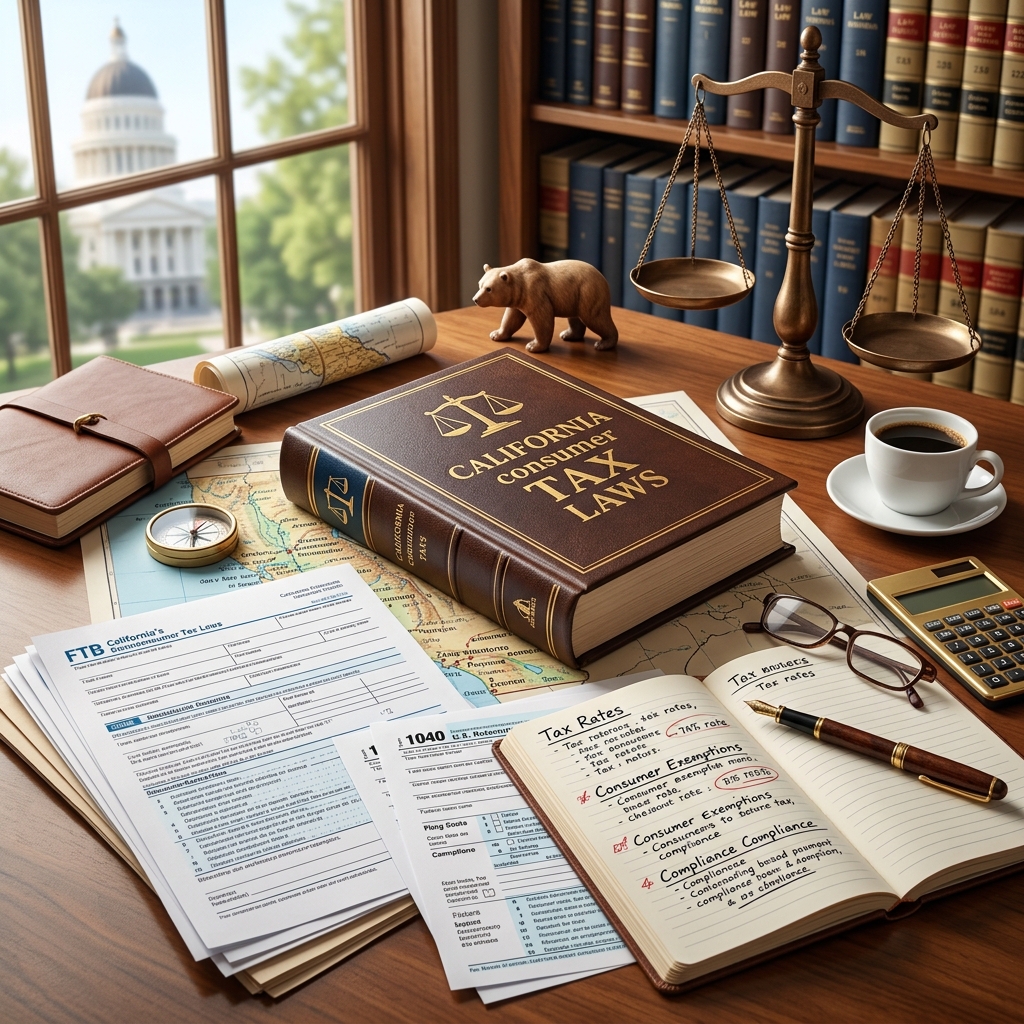
California’s consumer tax rules affect almost every purchase residents make, from groceries and clothing to online orders and major household appliances. Knowing when tax applies, who must pay it, and how it is reported can help both consumers and small businesses avoid unexpected bills, penalties, and interest.
This guide explains the core features of California sales and use tax, highlights common exemptions, and outlines practical steps for staying compliant when buying or selling goods in the state.
1. The Role of Sales and Use Tax in California
California does not impose a general tax on consumption the way some countries do with a value-added tax. Instead, it relies heavily on a combination of sales tax and use tax on tangible personal property — physical items such as furniture, electronics, appliances, and many retail goods.
1.1 Statewide Base Rate and Local Add-Ons
The core statewide sales tax rate is 7.25%, the highest minimum statewide rate in the United States. Local governments may add their own district taxes. As a result, the total rate paid by consumers varies significantly by city and county.
- Statewide base rate: 7.25%
- Typical combined rates: approximately 7.25%–10.75%, depending on location.
- Local district taxes are generally capped at 2%, though legislative exceptions can push some jurisdictions higher.
Because district taxes differ, the same item can be taxed at different rates depending on where it is purchased or delivered.
| Location Type | Approximate Total Rate | Notes |
|---|---|---|
| Statewide minimum | 7.25% | Base rate, without local district tax. |
| Typical urban areas | 8.5%–10% | Includes one or more local district taxes. |
| Highest documented areas | Up to about 10.75% | Multiple district add-ons approved by statute. |
1.2 Sales Tax vs. Use Tax: Two Sides of the Same Coin
California’s sales and use taxes are designed to work together to ensure that taxable purchases are treated similarly, whether they occur inside or outside the state.
- Sales tax is generally collected by retailers on taxable sales made in California.
- Use tax applies when buyers consume, store, or use taxable property in California but no sales tax was collected at the time of purchase.
Use tax prevents out-of-state or online purchases from gaining an unfair tax advantage over local businesses, and it helps maintain funding for state and local services.
2. What Purchases Are Taxable?
The most important distinction for consumers is the difference between taxable tangible personal property and generally nontaxable items such as most grocery staples or certain medical products.
2.1 Tangible Goods Typically Subject to Tax
In California, most physical goods sold at retail are taxable unless a specific exemption applies.
- Household goods and furnishings (furniture, decor, bedding)
- Electronics (televisions, computers, phones)
- Appliances (refrigerators, washers, dryers)
- Clothing and footwear
- Sporting goods and hobby supplies
Retailers are responsible for calculating and collecting the appropriate rate based on the location of the sale or delivery.
2.2 Items Often Exempt from Sales Tax
California law carves out important exemptions for everyday necessities and certain medical items.
- Unprepared grocery food bought at supermarkets, such as fresh produce, staples, and many packaged items.
- Prescription medications and many medical devices.
- Diapers and menstrual hygiene products, which are specifically exempt from state sales tax.
- Certain cold prepared foods to-go, depending on how they are sold.
- Purchases made with CalFresh or similar food benefit programs.
However, prepared food sold for immediate consumption, such as restaurant meals or hot takeout, is usually taxable.
2.3 Digital Products and SaaS
California’s sales tax rules largely focus on physical goods. As of recent guidance, digital products like eBooks, downloaded music, and streaming services, along with most Software as a Service (SaaS), are generally not subject to sales tax.
Because these rules can evolve, businesses offering digital services should regularly confirm current treatment with official guidance from the California Department of Tax and Fee Administration (CDTFA).
3. Understanding California Use Tax
Use tax is one of the most misunderstood features of California’s consumer tax system. Yet it is critical for residents who shop online or buy goods from out-of-state sellers.
3.1 When Use Tax Applies
Use tax applies to the use, storage, or consumption in California of tangible personal property when no sales tax was collected at the time of purchase.
- Goods bought from out-of-state retailers that do not collect California tax.
- Online marketplace purchases where the seller lacks obligation or fails to collect tax.
- Items brought into California from another country or state for personal or business use.
In these situations, the buyer — not the seller — is responsible for calculating, reporting, and paying the tax.
3.2 Who Must Report Use Tax?
Use tax responsibilities differ for individuals and businesses.
- Individuals generally report use tax on their California income tax return, especially for sizable untaxed purchases from out-of-state sellers.
- Businesses with a seller’s permit report use tax on their regular sales and use tax returns, listing taxable purchases under the appropriate line for “Purchases subject to use tax.”
- Qualified purchasers — certain businesses that are not required to hold a seller’s permit — must register with CDTFA and file annual use tax returns directly.
Failure to report and pay use tax can result in assessments, penalties, and interest once discovered in audits or cross-checks with income tax filings.
3.3 Why Use Tax Exists
California adopted use tax in the 1930s as a companion to sales tax to prevent shoppers from avoiding tax by buying in other states. Today, it also helps ensure that online purchases are treated consistently, regardless of where the seller is located.
The policy goal is to keep a level playing field for in-state retailers who must collect tax and to preserve funding for public services throughout California.
4. Tax Obligations for Businesses and Online Sellers
From a consumer perspective, it’s helpful to understand how businesses are required to handle tax collection. This determines whether the buyer sees tax on their receipt or must later self-report use tax.
4.1 Registering with CDTFA
Retailers engaged in business in California are generally required to register with the CDTFA and obtain a seller’s permit before making taxable sales. Registration allows them to collect sales tax, file returns, and remit the tax collected.
4.2 Nexus and Out-of-State Sellers
Out-of-state businesses can be required to collect California tax if they have sufficient ties — known as nexus — to the state.
- Physical presence, such as offices, stores, or warehouses, creates nexus.
- Economic thresholds based on total sales into California can also trigger nexus obligations for remote sellers.
Once nexus is established, the seller must generally collect applicable sales or use tax on taxable sales delivered to California customers and file returns with CDTFA.
4.3 Business Purchases and Use Tax
Businesses are not only collectors of tax; they are also consumers of taxable property. When a business buys items for its own use from a vendor that does not charge California tax, the business owes use tax and must report those purchases.
CDTFA’s enforcement efforts often focus on whether businesses have properly accounted for untaxed purchases, especially major equipment, supplies, or inventory withdrawn for personal use.
5. Special Consumer Tax Topics
Beyond general sales and use tax rules, California residents encounter consumer tax obligations in several specific contexts, such as fuel purchases and online shopping.
5.1 Fuel and Gasoline Taxes
California imposes substantial taxes and fees on motor fuels, contributing to some of the highest pump prices in the country. State excise tax on gasoline is significant, and local taxes and fees further increase the total amount per gallon.
While these fuel taxes are not calculated like retail sales tax, they function as consumer-level taxes embedded in the price of gasoline and other fuels used by residents.
5.2 Online and Marketplace Purchases
As online shopping has grown, California has updated its laws to ensure that remote and marketplace sellers collect tax where required. As of the last decade, sales tax applies to many online purchases of tangible goods, and larger remote sellers often must register and collect tax just like local stores.
However, smaller sellers or foreign vendors may still fail to collect tax. In those cases, the buyer remains responsible for use tax on the purchase.
5.3 Large One-Time Purchases
Major purchases, such as boats, vehicles, and expensive equipment, receive special scrutiny. Buying such items in another state does not automatically eliminate California tax if the item is brought into and used in California.
Consumers should review CDTFA guidance and, when necessary, consult professionals before attempting to rely on exemptions or timing rules for high-value property.
6. Practical Compliance Tips for Consumers
Most consumers comply with California tax law simply by paying the sales tax charged at checkout. However, a few practical habits can help ensure you are also meeting your use tax obligations.
- Keep receipts for large online or out-of-state purchases, especially when no tax appears on the invoice.
- Review your income tax return instructions for the section on use tax reporting and estimate the total tax due for untaxed purchases.
- Consider business use separately from personal use; business purchases often require reporting on CDTFA returns.
- Check exemption rules before assuming an item is tax-free; many exemptions are narrow and depend on how the item is sold.
- Verify tax rates in your area using official tools provided by CDTFA to avoid under- or over-collection.
Developing these habits can reduce the risk of unexpected tax bills or audit issues later on.
7. Common Questions About California Consumer Taxes
FAQ 1: Do I owe tax on items bought from an out-of-state website if they didn’t charge California tax?
If you purchased tangible personal property for use, storage, or consumption in California and the seller did not collect California sales or use tax, you likely owe use tax on the purchase.
FAQ 2: How do I report use tax as an individual?
Individuals commonly report use tax on their California income tax return. You estimate the tax owed on untaxed purchases and include it on the designated line. For substantial purchases, keeping detailed records is essential.
FAQ 3: Are groceries always tax-free in California?
Unprepared grocery staples are generally exempt from sales tax, but prepared or heated food sold for immediate consumption is usually taxable. Some borderline items may be treated differently depending on how they are sold and packaged.
FAQ 4: Do streaming services and downloaded media incur sales tax?
As of recent guidance, California generally does not tax digital goods like eBooks, music downloads, or streaming services, nor most SaaS offerings. However, businesses should confirm current rules with CDTFA because tax policy in this area can change.
FAQ 5: If I am a small online seller shipping to California, when must I collect tax?
You may be required to collect tax if you have physical presence or meet economic nexus thresholds in California. Once nexus exists, registering with CDTFA and collecting applicable sales or use tax on taxable sales is generally mandatory.
References
- California Use Tax, Good for You. Good for California. — California Department of Tax and Fee Administration (CDTFA). 2023-08-01. https://cdtfa.ca.gov/taxes-and-fees/use-tax/
- Sales & Use Tax in California — California Department of Tax and Fee Administration (CDTFA). 2023-06-15. https://cdtfa.ca.gov/taxes-and-fees/sutprograms.htm
- Taxation in California — Legislative Analyst’s Office summary via public record. 2024-02-10. https://en.wikipedia.org/wiki/Taxation_in_California
- California Sales Tax Rates 2026: Nexus, Due Dates & Filing Rules — TaxCloud. 2026-01-05. https://taxcloud.com/sales-tax/california/
- California Sales Tax Guide for Businesses — Polston Tax. 2025-06-20. https://polstontax.com/blog/california-sales-tax-guide-for-businesses/
- Resources — California Taxpayers Association (CalTax). 2023-07-15. https://caltax.org/resources/
Similar Articles








Read full bio of Sneha Tete


