
Understanding Boating Under the Influence Laws and Consequences
How boating under the influence laws work, what penalties you face, and practical ways to stay safe and sober on the water.
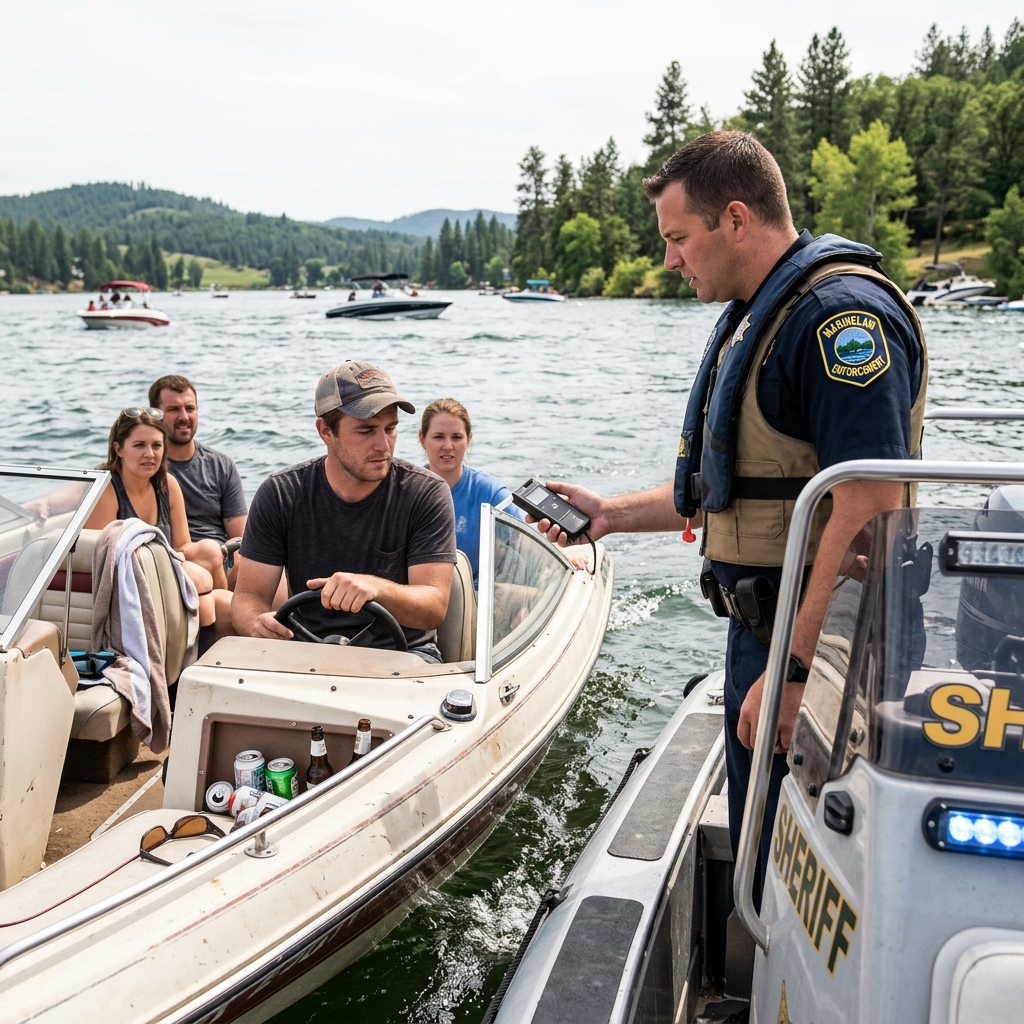
Operating a boat while impaired is not only dangerous, it is also a crime in every U.S. state and under federal law. Boating under the influence (often called BUI) combines all the risks of drunk driving with unique hazards on the water, and modern enforcement has become increasingly strict.
This article explains how BUI laws work, how they differ from driving under the influence (DUI), what penalties you may face, and what practical steps you can take to stay safe and avoid criminal charges.
What Does Boating Under the Influence Mean?
Boating under the influence generally means operating a vessel while impaired by alcohol, drugs, or a combination of substances, or with a blood alcohol concentration (BAC) at or above the legal limit.
Although each state defines impairment in its own statutes, most BUI laws share several common features:
- It is illegal to operate any vessel or watercraft while impaired, including motorboats, sailboats, personal watercraft, and sometimes non‑motorized craft like water skis or sailboards.
- Legal BAC limits typically mirror DUI standards, often 0.08% for adults and lower limits for operators under age 21.
- Impairment can be proven by BAC alone or by evidence of unsafe operation, poor coordination, or other observable signs.
- Intoxicating drugs (illegal drugs, certain prescription medications, and marijuana) can also support a BUI charge, even without alcohol.
Boats, Watercraft, and Other Covered Devices
BUI statutes typically apply to a wide range of devices used on the water. For example, some state laws cover boats, personal watercraft (like jet skis), sailboards, water skis, aquaplanes, and similar equipment used for recreation.
Because of this broad coverage, recreational boaters, waterskiers, and jet ski operators all need to pay close attention to alcohol use while on the water.
How BUI Laws Differ From DUI Laws
BUI laws are closely modeled on DUI laws, but the nature of boating leads to some important differences. The table below highlights common contrasts:
| Aspect | DUI (Driving) | BUI (Boating) |
|---|---|---|
| Legal BAC limit (adult) | Typically 0.08% | Typically 0.08% for recreational vessels; sometimes 0.04% for commercial vessels. |
| Location | Public roads and highways | Public waterways (lakes, rivers, coastal waters) |
| License consequences | Driver’s license suspension is common | Some states suspend boating privileges; others do not automatically suspend the driver’s license. |
| Testing obligations | Implied consent to breath/blood tests, refusal often leads to license suspension | Implied consent for vessel operators is common, but procedures and consequences of refusal vary by state. |
| Enforcement authority | Primarily state and local police | State and local officers, marine patrols, and the U.S. Coast Guard on federal waters. |
| Typical penalties | Misdemeanors or felonies depending on injury, prior offenses, and high BAC | Mostly misdemeanors for simple BUI; felony charges possible when injuries or deaths occur. |
Because boating often happens on shared waters patrolled by several agencies, BUI cases can involve overlapping state and federal law.
Federal and State Authority Over BUI
Federal BUI Enforcement
The U.S. Coast Guard enforces a federal prohibition on operating a vessel while under the influence of alcohol or drugs on U.S. waterways. This federal law applies to:
- Coastal waters
- Navigable rivers and lakes used for interstate or foreign commerce
- Other waters under federal jurisdiction
Coast Guard officers can board vessels, conduct safety inspections, administer sobriety tests, and refer cases for criminal prosecution when they suspect impairment. Federal penalties can include fines, imprisonment, and revocation of boating privileges.
State BUI Laws
All 50 states have laws making it illegal to operate a boat under the influence, and each state defines its own standards and penalties. A few examples illustrate how these laws vary:
- Georgia prohibits boating under the influence and sets a BAC limit of 0.08% for adults, with stricter limits for operators under 21. Penalties can include misdemeanor charges, fines up to $1,000, up to one year in jail, and suspension of boating privileges.
- California criminalizes operating a vessel or manipulating water skis while under the influence or with a BAC of 0.08% or higher for recreational vessels, and 0.04% or higher for commercial vessels, typically as a misdemeanor.
- Washington State treats BUI as a gross misdemeanor with potential penalties of up to 364 days in jail and a $5,000 fine, without automatic driver’s license suspension.
- Virginia applies its BUI laws to all watercraft, using BAC limits similar to DUI (0.08% for adults, 0.02% for divers under 21), with sanctions ranging from misdemeanors to felonies when injury or death occurs.
Although specifics differ, the core message is consistent: intoxicated operation of a vessel is illegal everywhere and carries potentially serious consequences.
Common Elements of BUI Offenses
Across jurisdictions, several recurring elements tend to appear in BUI statutes.
Per Se BAC Limits
Most states use a per se approach, meaning you are considered legally under the influence if your BAC meets or exceeds a specified threshold, regardless of visible impairment. For recreational boaters, that threshold is commonly 0.08%.
Some laws also set separate thresholds for:
- Commercial vessel operators (often 0.04% BAC)
- Underage operators (often 0.02% BAC or any detectable alcohol)
Impairment-Based Standards
Even if your BAC is below the per se limit, you may still be charged with BUI if officers believe your ability to operate the vessel is impaired. Observable indicators include slurred speech, erratic navigation, difficulty following instructions, or unsafe maneuvers.
Drugs and Controlled Substances
BUI laws almost always extend beyond alcohol to cover controlled substances, including:
- Illegal drugs (such as cocaine or methamphetamine)
- Marijuana, where legal limits on THC concentration may apply
- Certain prescription or over‑the‑counter medications that affect coordination or judgment
Some states specify exact concentration limits for particular substances (for example, Virginia’s stated thresholds for cocaine and methamphetamine in the blood).
Penalties and Legal Consequences
While penalties vary, most jurisdictions treat BUI as a serious crime, especially when it leads to injuries or fatalities.
Misdemeanor Penalties
For a first-time or basic BUI offense, you may face:
- Criminal fines ranging from hundreds to several thousands of dollars.
- Jail sentences, typically up to six months or one year, and up to 364 days in some states.
- Probation and court‑ordered conditions such as substance abuse counseling or boating safety courses.
- Suspension of boating privileges for periods that can range from several months to several years.
Felony Charges
When intoxicated boating causes serious bodily injury or death, many states elevate the offense to a felony. Possible outcomes include:
- Extended prison sentences, sometimes up to multiple years.
- Long‑term or permanent loss of boating privileges.
- A permanent criminal record that appears in background checks and may affect employment or professional licensing.
Additional Consequences
Beyond criminal penalties, BUI convictions can have indirect effects:
- Increased insurance premiums or cancellation of coverage for boats and vehicles.
- Difficulty renting boats or joining boating clubs due to safety and liability concerns.
- Reputational harm in your community or industry, particularly for professional mariners.
How BUI Investigations and Enforcement Work
Marine officers and Coast Guard personnel use a combination of safety inspections, observations, and testing to detect BUI.
Stopping and Boarding Vessels
On the water, law enforcement may stop and board vessels for reasons such as:
- Routine safety checks (life jackets, fire extinguishers, registration)
- Observed navigation violations or hazardous operation
- Reports of dangerous or erratic boating
During such encounters, officers may look for signs of intoxication, similar to roadside DUI stops.
Field Sobriety and Chemical Testing
Many states use implied consent laws, meaning that by operating a vessel, you agree in advance to submit to chemical testing for alcohol or drugs if lawfully requested.
Key points include:
- Breath or blood tests may be administered to measure BAC or drug levels.
- Refusing a test can lead to civil or criminal penalties, such as loss of boating privileges or fines, and in some states the refusal can be used as evidence.
- Officers may also use field sobriety tests adapted for the boating environment.
Because conditions on the water differ from roads, officers must account for vessel movement, sun exposure, and fatigue when evaluating potential impairment.
Why Alcohol and Boating Are a Dangerous Combination
Alcohol use is particularly risky on the water because it interacts with environmental factors that already challenge coordination and judgment.
Environmental Stressors
Boaters face elements such as:
- Sun and heat, which can cause dehydration and fatigue.
- Wind and waves, which challenge balance and reaction times.
- Motion, which can lead to seasickness and disorientation.
- Noise and vibration from engines and other vessels.
The U.S. Coast Guard notes that boaters often become tired more quickly on the water, and alcohol intensifies these effects. Impaired boaters are more likely to misjudge distances, fail to notice hazards, or fall overboard, and intoxicated passengers also face higher risk of injury.
Practical Strategies to Avoid BUI
Responsible boaters can significantly reduce risk by making clear plans around alcohol use.
Plan Before You Launch
- Designate a sober operator for the entire trip, not just the journey home.
- Decide whether alcohol will be allowed on board; the safest choice is often to keep the boat alcohol‑free.
- Set time limits for your outing to avoid fatigue and overexposure to sun and heat.
Safer Refreshment Choices
The U.S. Coast Guard recommends several alternatives to drinking while afloat:
- Bring plenty of water, sports drinks, iced tea, lemonade, or other non‑alcoholic beverages.
- Pack satisfying food and snacks to maintain energy.
- Wear lightweight, sun‑protective clothing to stay cool.
If You Choose to Drink
Even when responsible adults choose to include alcohol as part of a day on the water, it is important to:
- Keep alcohol consumption on shore, such as at a dockside gathering or picnic area, with time between drinking and any further vessel operation.
- Allow at least an hour per drink before operating a boat, recognizing that individual tolerance varies.
- Avoid mixing alcohol with drugs or medications that can increase impairment.
Frequently Asked Questions About BUI
Is it illegal to have any alcohol on a boat?
Most jurisdictions do not prohibit simply having alcoholic beverages on a recreational boat. The key legal issue is whether the person operating the vessel is impaired or over the legal BAC limit. However, some areas have local restrictions on open containers, so you should check local regulations before your trip.
Can I be charged with BUI if I am under 0.08% BAC?
Yes. In many states, officers can charge BUI based on observable impairment even if your BAC is below the per se limit. Underage operators may also face charges at much lower BAC thresholds, often 0.02% or any detectable alcohol.
Does a BUI affect my driver’s license?
This depends on the state. Some jurisdictions link boating offenses to motor vehicle records and may suspend driving privileges or report convictions to the department of motor vehicles. Others, such as Washington State, do not automatically suspend a driver’s license for BUI but may impose other penalties.
Who enforces BUI laws?
BUI enforcement can involve state marine patrols, local law enforcement, and the U.S. Coast Guard on waters under federal jurisdiction. Any of these agencies may stop vessels, investigate suspected impairment, and bring charges.
Can passengers drink alcohol on a boat?
Passengers are often allowed to consume alcohol where local law permits, but intoxicated passengers face increased risk of falling overboard or being injured in onboard accidents. If alcohol is present, boat operators should take extra precautions to ensure passengers remain safe and seated whenever possible.
What should I do if I am accused of BUI?
Because BUI laws are complex and vary widely by jurisdiction, anyone facing a charge should consult a qualified criminal defense or maritime attorney in the state where the incident occurred. Legal advice is important for understanding rights, potential defenses, and long‑term consequences.
Key Safety Takeaways for Boaters
- Never operate a vessel while impaired. BUI is illegal in all states and under federal law.
- Know your local regulations, including BAC limits, age‑related rules, and penalties.
- Plan for a sober skipper and stick to that plan all day—not just for the trip home.
- Consider keeping your boat alcohol‑free to minimize risk to yourself and your passengers.
- Spread awareness among family and friends about BUI risks and legal consequences.
References
- Boating Under the Influence – GA DNR Law Enforcement — Georgia Department of Natural Resources. 2024-01-01. https://gadnrle.org/bui
- BUI Initiatives – USCG Boating Safety — U.S. Coast Guard. 2023-06-15. https://www.uscgboating.org/recreational-boaters/boating-under-the-influence.php
- BUI | Boating Under the Influence Laws and Penalties — Boat Ed / Kalkomey Enterprises. 2023-05-10. https://www.boat-ed.com/bui-laws/
- Boaters – Operation Dry Water — National Association of State Boating Law Administrators (NASBLA). 2023-07-01. https://www.nasbla.org/operationdrywater/boaters/state-laws
- Boating Under the Influence (BUI) Laws in California — Shouse Law Group. 2022-08-20. https://www.shouselaw.com/ca/defense/laws/boating-under-the-influence/
- Boating Under the Influence (BUI) in Washington State — Law Office of David N. Jolly. 2022-03-01. https://www.duiwashington.com/boating-under-the-influence-washington-state
- Virginia Boating Under the Influence Laws — James E. Short, PLC. 2023-02-10. https://www.shortplc.com/library/virginia-boating-under-the-influence-laws.cfm
Similar Articles








Read full bio of Sneha Tete




