
Understanding Bicycle Laws in the United States
Learn how bicycle laws work across the U.S., including your rights, responsibilities, and safety requirements on today’s roads.
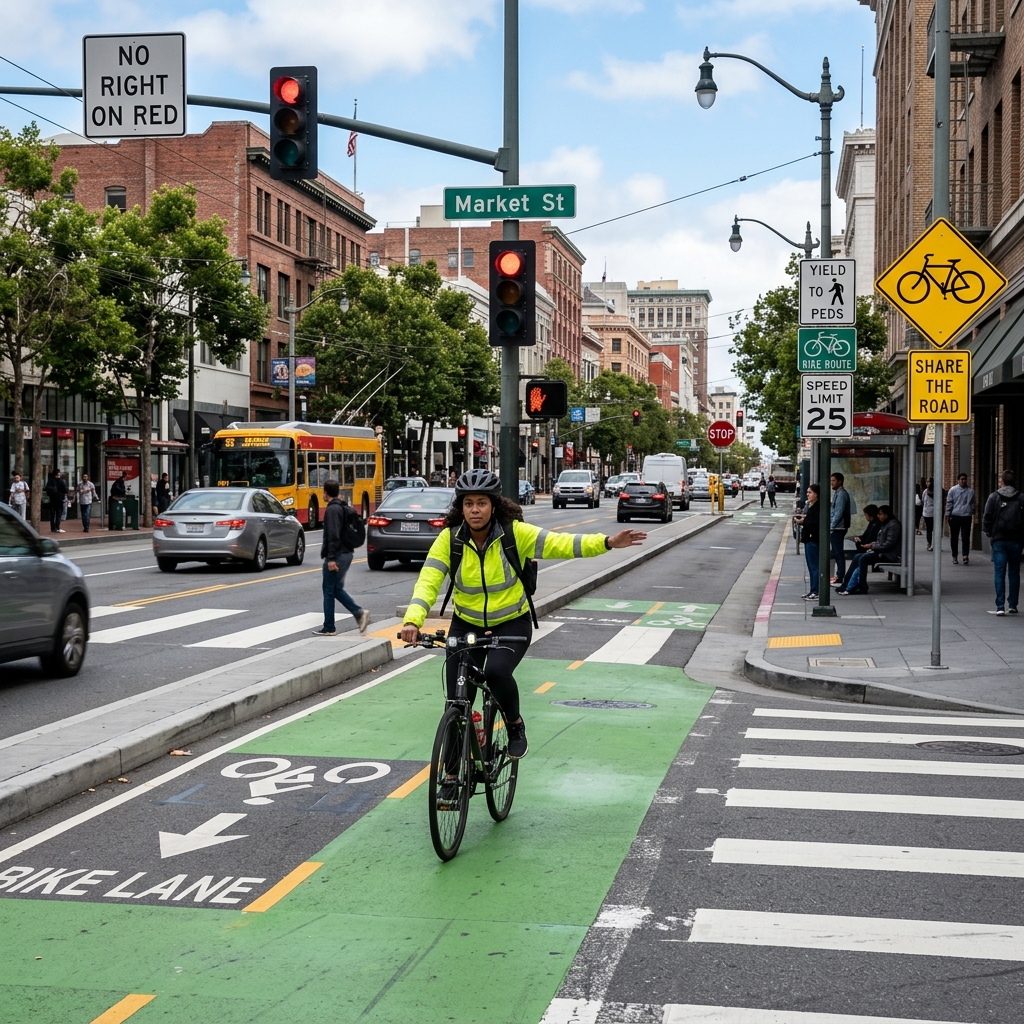
Bicycles play an increasingly important role in transportation, recreation, and public health across the United States. At the same time, cycling is governed by a patchwork of laws that can be confusing for riders who cross city, county, or state lines. This guide explains the core legal principles that apply to bicyclists nationwide, highlights common state rules, and offers practical tips for staying safe and compliant on the road.
1. How Bicycle Law Fits Into the U.S. Legal System
There is no single national bicycle code that governs every aspect of cycling. Instead, bicycle law is shaped by a mix of federal standards, state statutes, and local ordinances. Understanding this structure helps explain why rules can differ from one place to another.
- Federal law primarily addresses safety standards for the design and manufacture of bicycles and certain consumer protections.
- State law sets most of the rules for how, where, and by whom bicycles may be operated, including traffic obligations and helmet requirements.
- Local ordinances often regulate sidewalk riding, bike lanes, and other location-specific issues, sometimes adding stricter rules than state law.
Because authority is shared, riders should consider state-level rules a starting point and then check city or county regulations for additional restrictions, especially on sidewalks and paths.
2. Bicycles as Vehicles: Rights and Responsibilities
In all 50 states, bicycles are either explicitly defined as vehicles or bicyclists are given the same rights and duties as drivers of motor vehicles when using the roadway. This principle underpins many other rules.
2.1 Equal Right to Use the Road
Generally, bicyclists have the legal right to use most public roads, excluding certain limited-access highways such as interstates and expressways where non-motorized traffic is prohibited for safety reasons. This means:
- Cyclists may travel in the roadway lane, not just on the shoulder or in bike lanes, unless a specific rule requires otherwise.
- Drivers must treat bicycles as legitimate traffic and share the lane when appropriate, passing only when it is safe and lawful to do so.
2.2 Duty to Follow Traffic Rules
With equal rights come parallel responsibilities. When riding on the roadway, bicyclists are generally required to obey the same traffic laws that apply to motor vehicles.
Core duties include:
- Stopping at red lights and stop signs.
- Riding on the right-hand side of the road, in the same direction as traffic.
- Yielding the right-of-way where required, including to pedestrians in crosswalks.
- Using appropriate signals when turning or changing lanes (often by hand signals).
Violations such as running red lights, failing to yield, or riding against traffic can lead to citations, just as they would for drivers, and significantly increase crash risk.
3. Lane Positioning and Where Cyclists May Ride
One of the most common questions riders face is where they must position themselves in the roadway. State laws often address both lateral position (within a lane) and the choice of lane itself.
3.1 Riding with the Flow of Traffic
Every U.S. state requires road users, including bicyclists, to travel on the right-hand side of the roadway and in the same direction as motorized traffic. Riding against traffic is generally illegal and increases collision risk because drivers do not expect or look for vehicles coming from that direction.
3.2 Keeping to the Right and Use of Bike Lanes
Consistent with rules for slower vehicles, many states require bicyclists who are moving at less than the normal speed of traffic to ride:
- In a designated bicycle lane, where one is present and usable, or
- As close as practicable to the right-hand curb or edge of the roadway.
However, these requirements typically include exceptions. Riders may move farther left when:
- Preparing for a left turn.
- Passing a slower vehicle or avoiding a hazard.
- The lane is too narrow for a bicycle and a motor vehicle to safely share side by side.
Some jurisdictions explicitly allow cyclists to “take the lane”—occupying the center of the lane—when necessary for safety, such as approaching intersections or navigating narrow bridges.
3.3 Highways, Interstates, and Limited-Access Roads
Most states prohibit bicycles on certain high-speed, limited-access facilities, including interstate highways and expressways. These restrictions are designed to reduce the risk of severe crashes where speed differentials are large and there is no safe shoulder or crossing opportunity.
| Road Type | Typical Bicycle Access |
|---|---|
| Local streets | Generally permitted, subject to standard traffic rules. |
| Arterial roads | Usually allowed; may include bike lanes or restrictions at specific segments. |
| Rural highways | Often allowed, though conditions can be challenging for cyclists. |
| Expressways / interstates | Commonly prohibited to bicycles and other non-motorized users. |
4. Sidewalks, Crosswalks, and Shared Spaces
Sidewalk riding is one of the most inconsistent areas of bicycle law. Some states largely leave sidewalk rules to municipalities, while others set statewide bans or permissions.
4.1 Are Bicycles Allowed on Sidewalks?
Policies vary widely:
- In some states, bicycles are considered vehicles and cannot lawfully be operated on sidewalks unless a local ordinance allows it.
- Other states permit sidewalk riding but authorize cities to restrict it in downtown or business districts.
- Several jurisdictions treat cyclists on sidewalks similarly to pedestrians, giving them comparable rights and duties while still demanding caution.
Because of this variation, riders should review both state statutes and city codes before assuming sidewalk riding is legal. National safety guidance also recommends avoiding sidewalk riding where possible because conflicts with pedestrians and turning vehicles are more likely.
4.2 Duties When Riding on Sidewalks and in Crosswalks
Where sidewalk riding is legal, cyclists almost always have special obligations to protect pedestrians.
Typical rules include:
- Yielding the right-of-way to pedestrians at all times.
- Giving an audible signal before passing, such as ringing a bell or calling out.
- Avoiding excessive speeds, especially when approaching crosswalks or congested areas.
- Not darting from sidewalks into the roadway in a way that does not give drivers time to react.
Riders who use sidewalks should also slow at driveways and intersections, scan for vehicles turning or backing up, and follow pedestrian signals when crossing streets.
5. Helmet and Rider Age Regulations
Helmet laws are another area where states take different approaches. While no U.S. state currently requires all cyclists of every age to wear helmets statewide, many require helmets for younger riders.
5.1 Child Helmet Requirements
Numerous states mandate that children wear approved bicycle helmets when riding or being carried on a bicycle. Age thresholds vary. For example, New York law requires helmets for bicyclists and passengers age 14 and under and prohibits transporting children under one year old on bicycles.
These laws often specify:
- Helmet standards (such as meeting recognized safety certifications).
- Proper fit and positioning on the head.
- Use in child seats or trailers when children are passengers.
5.2 Recommended Helmet Use for Adults
Even where not legally required, national safety agencies strongly encourage helmet use for riders of all ages. Research has consistently shown that helmets significantly reduce the risk and severity of head injury in bicycle crashes.
Key fitting principles include:
- Positioning the helmet level on the head, covering the top of the forehead.
- Adjusting straps so the helmet does not rock back and forth or side to side.
6. Bicycle Equipment and Visibility Requirements
While states regulate how bicycles are operated, federal rules set safety standards for how bicycles are built and equipped before they reach consumers, particularly regarding reflectors and braking systems. Many states then add operational requirements, especially for night riding.
6.1 Federal Safety Standards for Bicycles
The U.S. Consumer Product Safety Commission (CPSC) maintains regulations on bicycle design and performance in the Code of Federal Regulations, Title 16, Part 1512. These rules apply to manufacturers and importers, not directly to riders, but they influence what equipment is available.
Among other requirements, bicycles must include:
- Front and rear brakes (or rear only in some configurations), with minimum performance standards.
- A system of reflectors designed to make cyclists visible to motorists at night.
- Design safeguards such as smooth edges and adequate clearances to prevent contact between pedals and the ground when turning.
6.2 Lights and Reflectors for Night Riding
State vehicle codes and safety agencies typically require additional lighting when bicycles are operated after dark. Requirements usually include:
- A white front lamp visible from a substantial distance (e.g., 500 feet).
- A red rear light and/or reflector visible from several hundred feet behind.
- Side reflectors or reflective tires to increase visibility at angles.
Safety guidance also encourages the use of flashing front and rear lights and reflective clothing or gear to improve detection by drivers.
6.3 Bells, Audible Signals, and Other Devices
Some states require bicycles to be equipped with a bell, horn, or other device that can be heard at a defined distance, while prohibiting sirens and whistles. For example, New York law requires an audible device audible at least 100 feet away but forbids sirens. Even where not mandated, a bell or similar device is valuable for warning pedestrians when riding on shared paths or sidewalks.
7. Safe Riding Practices that Complement the Law
Legal compliance is only one aspect of safe cycling. National agencies provide guidance on practices that, while not always legally required, can significantly reduce risk.
7.1 Pre-Ride Preparation
- Choose a bicycle that fits your height and body type to maintain control.
- Check brakes, tire pressure, and lights before riding.
- Secure loose clothing and laces to avoid entanglement in the chain.
7.2 Defensive Riding on the Roadway
- Plan routes that favor lower traffic volumes, slower speeds, and dedicated bike facilities where available.
- Maintain predictable movements, signaling turns and lane changes.
- Watch for turning vehicles at intersections and driveways, especially when riding near the curb or on sidewalks.
7.3 Best Practices for Sidewalk and Path Use
- Confirm sidewalk riding is legal in your area before using it as an alternative to the roadway.
- Ride at walking speed when near pedestrians and in complex environments.
- Announce overtakes clearly (e.g., “Passing on your left”) or use a bell, and always yield to pedestrians.
8. Frequently Asked Questions About Bicycle Laws
FAQ 1: Do bicyclists always have to ride in bike lanes?
No. Where bike lanes exist, many state laws require slower cyclists to use them if they are safe and practical. However, riders are typically allowed to leave the bike lane to turn, pass, or avoid hazards, and in some areas bike lane use is encouraged rather than mandatory.
FAQ 2: Can I be ticketed for running a red light or stop sign on a bike?
Yes. Because bicyclists are generally required to obey the same traffic signals and signs as motorists, running red lights or stop signs can result in citations and fines, and may also raise liability questions if a crash occurs.
FAQ 3: Is riding my bike on the sidewalk always safer than the road?
Not necessarily. Although sidewalks may feel safer because they are separated from moving traffic, crash risk can increase at driveways and intersections where motorists do not expect fast-moving traffic on sidewalks. National safety guidance often recommends limiting sidewalk riding and using bike lanes or low-speed streets instead when possible.
FAQ 4: Are adult cyclists legally required to wear helmets?
In many states, helmet requirements apply only to children below a certain age, such as 14 or 16, while adults are not required to wear helmets statewide. However, some local jurisdictions impose broader helmet rules, and safety agencies strongly recommend helmet use for all riders.
FAQ 5: Do I need special lights if I only ride at dusk?
Yes, you may. Several state laws define nighttime as starting shortly after sunset, and require at least a white front light and a red rear light or reflector when visibility is reduced. Using lights earlier than legally required is a good safety practice, especially during dusk, dawn, or poor weather.
9. How to Learn Your Local Bicycle Laws
Because bicycle rules vary, riders should consult official sources for their specific location. Helpful strategies include:
- Checking state vehicle or transportation codes for cycling-related sections.
- Reviewing city or county ordinances, especially for sidewalk regulations and local helmet laws.
- Visiting state or local transportation department websites for cycling guides and safety materials.
Many jurisdictions publish cyclist handbooks or road-sharing guides that summarize key rules in plain language and provide diagrams or examples. Combining these legal resources with safety education—such as on-bike classes offered by schools or advocacy groups—can help riders navigate confidently and lawfully.
References
- Bicycle Traffic Law — Florida Bicycle Association. 2023-05-01. https://floridabicycle.org/bicycle-traffic-law
- Cycling Laws in All 50 States — Bike Legal. 2022-11-10. https://www.bikelegalfirm.com/cycling-laws-in-the-united-states
- Bicycle Safety — National Highway Traffic Safety Administration (NHTSA). 2023-08-15. https://www.nhtsa.gov/road-safety/bicycle-safety
- Bicycle Requirements Business Guidance — U.S. Consumer Product Safety Commission (CPSC). 2021-06-30. https://www.cpsc.gov/content/bicycle-requirements-business-guidance
- Is It Illegal to Ride Your Bike on the Sidewalk: Every State’s Laws — Bike Law. 2022-08-01. https://www.bikelaw.com/2022/08/is-it-illegal-to-ride-bike-on-sidewalk/
- Bicycle & Wheel Sport Riding Tips and Rules of the Road — New York State Governor’s Traffic Safety Committee. 2023-04-20. https://trafficsafety.ny.gov/bicycle-wheel-sport-riding-tips-and-rules-road
- Bicycle Laws by State — World Population Review. 2026-01-10. https://worldpopulationreview.com/state-rankings/bicycle-laws-by-state
Similar Articles








Read full bio of Sneha Tete


