
Understanding Battered Women’s Syndrome in Law and Mental Health
A clear, trauma-informed overview of battered women’s syndrome, its psychological impact, legal use, and support options for survivors.
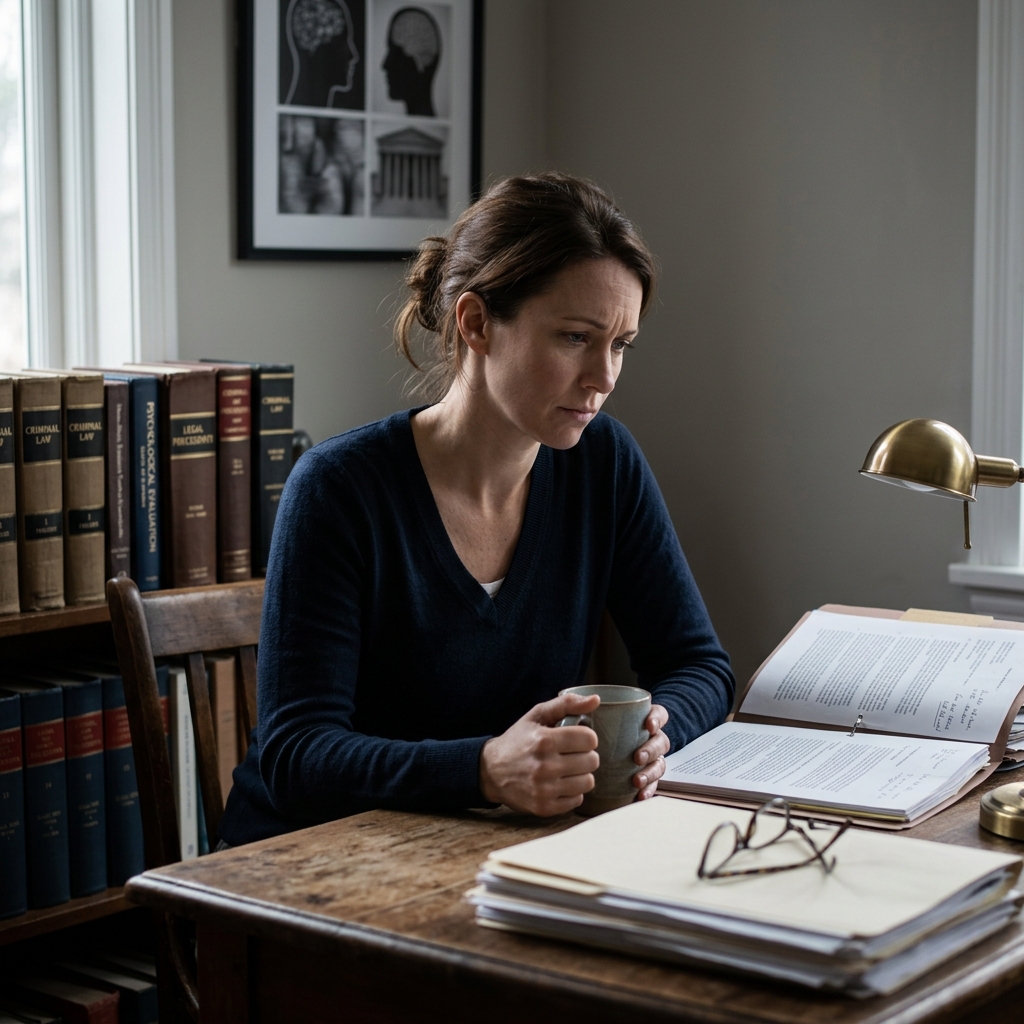
Battered women’s syndrome is a term used to describe the psychological and behavioral effects of long-term intimate partner abuse. It is not a formal mental health diagnosis, but a way that courts and experts explain why some survivors remain in dangerous relationships and how those experiences can influence their actions, including decisions to use force in self-defense.
This article offers a practical overview for survivors, families, and anyone trying to understand how repeated domestic violence can shape a person’s responses, and why the law sometimes recognizes battered women’s syndrome in criminal and family cases.
What Is Battered Women’s Syndrome?
The term battered women’s syndrome (BWS) originally grew out of research into women who had been repeatedly abused by intimate partners and who showed a common pattern of symptoms and reactions. Over time, it has been used in psychology and law to describe:
- A constellation of medical and psychological symptoms linked to sustained physical, sexual, or emotional abuse in intimate relationships.
- How life with an abusive partner can produce trauma responses resembling post‑traumatic stress disorder (PTSD).
- Behavior that may seem confusing to outsiders (such as staying with or returning to the abuser) but makes sense in the context of fear, isolation, and coercive control.
Courts have increasingly adopted broader terms such as abused person syndrome to reflect that these patterns are not limited by gender and can affect anyone subjected to chronic abuse by a family or household member.
BWS and Trauma: Relationship to PTSD
Clinical research has shown that many people described as having battered women’s syndrome also meet criteria for post‑traumatic stress disorder, a recognized mental health condition triggered by exposure to severe, recurring trauma. This trauma can involve:
- Physical assaults and beatings
- Sexual violence and coercion
- Psychological abuse, threats, stalking, and power‑and‑control tactics
Typical PTSD‑type responses in survivors of long‑term intimate partner violence may include:
- Intrusive re‑experiencing of past incidents through flashbacks, nightmares, and distressing memories
- Avoidance of people, places, and situations that remind them of the abuse
- Hypervigilance and anxiety, constantly scanning for danger even in seemingly safe environments
- Disrupted relationships, difficulty trusting others and feeling cut off from family or friends
- Somatic or body‑based symptoms such as headaches, gastrointestinal problems, sleep disturbance, and chronic pain
- Sexual and intimacy difficulties, even after leaving the abusive relationship
- Dissociation, or mentally “checking out” during or after traumatic events, sometimes with memory gaps
Because these reactions overlap substantially with PTSD, some experts argue that the label “battered women’s syndrome” should be replaced with standard trauma diagnoses, while others maintain it still has value in legal settings to help explain domestic violence dynamics to judges and juries.
How an Abusive Relationship Develops and Maintains Control
Battered women’s syndrome cannot be understood without looking closely at how abusive partners maintain power. Many survivors describe a pattern that includes physical assaults alongside psychological strategies that make leaving feel dangerous or impossible.
| Common Abuser Tactics | Impact on Survivor |
|---|---|
| Physical and sexual violence | Injury, fear of serious harm or death, chronic pain, and medical issues |
| Threats and intimidation | Heightened anxiety, sense that leaving will trigger worse violence or retaliation |
| Isolation from friends and family | Loss of support network, increased dependence on the abuser, difficulty seeking help |
| Control of finances, work, and daily life | Economic dependence and practical barriers to escape such as no money or transportation |
| Manipulation and blame‑shifting | Self‑doubt, self‑blame, erosion of confidence and decision‑making ability |
Research has shown that both the severity and the intermittency of abuse can shape the psychological aftermath. Periods of calm or affection alternating with violence can create powerful emotional bonds and confusion, making it harder for survivors to clearly label the relationship as abusive and to take steps toward leaving.
Why Survivors May Not “Just Leave”
One common misunderstanding is the idea that a person experiencing domestic violence could simply walk away if they truly wanted to. Battered women’s syndrome helps explain why that assumption misses the reality of many survivors’ lives.
Key Barriers to Leaving an Abusive Relationship
- Fear of lethal retaliation: Abusers may threaten to track down and kill the survivor or harm children and other relatives if they attempt to leave.
- Concern for children: Survivors may worry about losing custody, being unable to protect their children, or exposing them to ongoing conflict.
- Financial dependence: Without access to money, housing, or employment, immediate survival needs can override the desire to escape.
- Legal and practical obstacles: Difficulties obtaining restraining orders, safe shelter, or reliable enforcement can make leaving feel unsafe or unrealistic.
- Learned helplessness and self‑blame: Over time, repeated failure to stop the abuse may lead survivors to believe they have no control or that the violence is somehow their fault.
- Emotional attachment: Abusers are often not violent all the time. Moments of kindness, apologies, and promises can sustain hope that things will change.
These factors can combine to create a situation in which the survivor experiences the home as a kind of hostage environment, with escaping perceived as more dangerous than staying.
Battered Women’s Syndrome in Criminal Law
One of the reasons battered women’s syndrome gained attention is its role in explaining why some survivors use force—sometimes lethal force—against their abusers. In many countries, courts have allowed expert testimony on BWS to help juries understand the defendant’s actions in context.
Use in Self‑Defense Cases
Expert evidence about battered women’s syndrome often supports a claim that the survivor’s belief in the need for self‑defense was reasonable, even if the threat did not look immediate in a narrow, moment‑by‑moment sense.
- Experts may describe the history of serious injuries, escalating violence, weapons in the home, and explicit death threats.
- They can explain how repeated battering alters a survivor’s perception of danger and options, including the sense that outside help will not arrive in time.
- Courts sometimes recognize that, in a chronic abuse context, waiting for a “next blow” before acting could be fatal.
Legal guides and evidence rules have increasingly acknowledged that these patterns apply across genders and family roles, and use terms such as “abused person syndrome” to highlight the focus on the abuse rather than on the survivor’s gender.
Limitations and Critiques
While BWS has been described as expanding the concept of self‑defense, it is important to understand what it is not.
- Not a standalone legal defense: Battered women’s syndrome is typically used to support existing defenses such as self‑defense or duress, rather than functioning as a separate plea.
- Not a formal diagnosis: Major diagnostic manuals like the DSM do not list BWS as a discrete condition; instead, clinicians rely on established trauma‑related diagnoses such as PTSD.
- Risk of stereotyping: Some critics argue that using the term can reinforce an image of survivors as inherently damaged, passive, or helpless, which may not fit every person’s experience.
Because of these concerns, many mental health professionals and legal scholars encourage careful, trauma‑informed use of the concept, with emphasis on explaining specific behaviors rather than labeling survivors.
Evidence and Assessment in BWS‑Related Cases
When battered women’s syndrome is raised in a legal context, courts often rely on thorough documentation of the abusive relationship. An expert may be asked to review multiple sources of information to build an accurate picture.
Common Types of Evidence
- Survivor interviews describing the history, frequency, and severity of abuse
- Statements from friends, relatives, neighbors, coworkers, or other witnesses who observed injuries or controlling behavior
- Police reports and prior criminal charges involving domestic incidents
- Medical records from emergency rooms, general practitioners, or mental health providers documenting injuries or trauma symptoms
- Records related to child welfare, custody disputes, or protective orders
Research assessing groups of women who had recently left abusive relationships has found that characteristic features associated with battered women’s syndrome are often strongly interrelated and linked to the dynamics of the prior abuse. This supports the idea that the pattern is rooted in the relationship context rather than in the survivor’s personality.
Support, Treatment, and Recovery
Although the term “battered women’s syndrome” is frequently discussed in legal settings, the underlying issue remains the same: people living with intimate partner violence need safety, support, and trauma‑informed care. Survivors can and do rebuild their lives, even after long periods of abuse.
Therapeutic Approaches
Mental health treatment for survivors may focus on both trauma recovery and practical coping skills.
- Addressing intrusive memories and nightmares through evidence‑based trauma therapies
- Reducing hypervigilance and anxiety with grounding and relaxation techniques
- Identifying and challenging self‑blaming thoughts like “It was my fault” or “I should have stopped it”
- Improving relationship skills and rebuilding trust with supportive people
- Developing plans for ongoing safety, whether the survivor stays or leaves
Many survivors benefit from combining individual therapy with group or peer support, where they can connect with others who have lived through similar situations and learn new strategies for healing.
Legal and Practical Resources
In addition to counseling, practical supports can be crucial:
- Domestic violence hotlines and shelters
- Legal aid services for protective orders, custody, or immigration issues
- Advocacy programs that help with housing, employment, and financial stability
- Safety planning resources tailored to the survivor’s specific circumstances
Because access to restraining orders, emergency support, and child protections can vary widely, survivors are encouraged to consult local services or legal professionals familiar with domestic violence law in their jurisdiction.
Frequently Asked Questions (FAQs)
Is battered women’s syndrome an official medical diagnosis?
No. Battered women’s syndrome is not listed as an independent diagnosis in major psychiatric manuals. Clinicians typically use recognized trauma‑related diagnoses such as post‑traumatic stress disorder to describe the symptoms associated with long‑term abuse.
Can men or non‑binary people experience something similar?
Yes. Although the original term focused on women, courts and experts increasingly use broader phrases like “abused person syndrome” to acknowledge that anyone, regardless of gender, can develop comparable symptoms and behavior patterns after sustained domestic violence.
Does having battered women’s syndrome mean a survivor is weak?
No. The concept describes adaptive responses to extreme and ongoing danger. Many of the behaviors associated with BWS—such as heightened vigilance or dissociation—are survival strategies in a harmful environment, not signs of personal weakness.
Is battered women’s syndrome a legal defense?
On its own, battered women’s syndrome is not a separate legal defense. Instead, expert testimony about BWS may be used to support an existing defense such as self‑defense, by explaining the survivor’s perception of danger and the history of abuse.
What should someone do if they think they are in a similar situation?
Anyone living with intimate partner violence is encouraged to seek help from trusted local resources such as domestic violence hotlines, shelters, health providers, or legal aid organizations. These services can assist with safety planning, emotional support, and understanding legal options.
References
- Battered woman syndrome — Various authors. 2024-01-10. https://en.wikipedia.org/wiki/Battered_woman_syndrome
- What Is Battered Woman Syndrome? — WebMD Editorial Staff. 2022-09-07. https://www.webmd.com/mental-health/features/battered-woman-syndrome
- What Is Battered Woman Syndrome? — Charlie Health. 2023-10-05. https://www.charliehealth.com/post/cycle-of-abuse-2
- Battered woman syndrome: Updating the expert checklist — Forensic Psychiatry Institute. 2021-03-15. https://www.forensicpsychiatryinstitute.com/battered-woman-syndrome/
- The battered woman syndrome: effects of severity and intermittency of abuse on IES scores — PubMed (NCBI). 1993-12-01. https://pubmed.ncbi.nlm.nih.gov/8267102/
- Critique of the “Battered Woman Syndrome” Model — American Academy of Experts in Traumatic Stress. 2005-06-01. https://www.aaets.org/traumatic-stress-library/critique-of-the-battered-woman-syndrome-model
- 7.06 Abused Person Syndrome — New York Court System Evidence Guide. 2020-01-01. https://www.nycourts.gov/JUDGES/evidence/7-OPINION/7.06_Abused_Person_Syndrome.pdf
- Battered Woman Syndrome: A Legitimate Defense? — Office of Justice Programs. 1987-01-01. https://www.ojp.gov/ncjrs/virtual-library/abstracts/battered-woman-syndrome-legitimate-defense-violence-opposing
Similar Articles








Read full bio of medha deb


