
Understanding Bad Faith Insurance Claim Denials
Learn how to recognize bad faith insurance denials, your legal rights, and practical steps to protect yourself when an insurer refuses to pay.
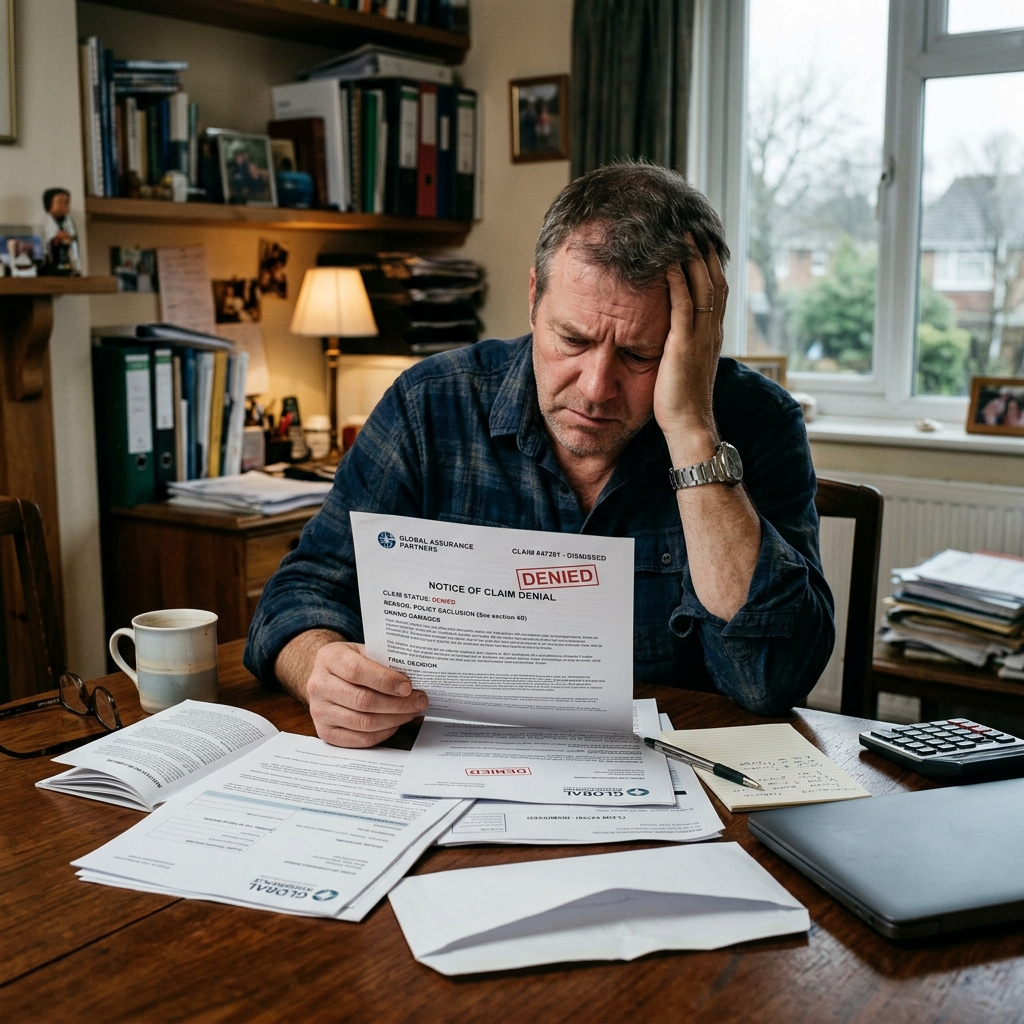
Insurance is meant to provide financial protection when something goes wrong. Yet, some policyholders discover that when they finally need coverage, their insurer delays payment, underpays benefits, or denies the claim outright. When this conduct is not just a mistake but is unreasonable, dishonest, or unfair, it may amount to bad faith insurance, giving the policyholder separate legal rights beyond the original policy benefits.
What Does Bad Faith Insurance Mean?
In most states, insurance companies owe a legal duty to act in good faith toward their policyholders when handling claims. That duty includes fairly investigating the claim, applying policy terms honestly, and making reasonable decisions about paying, settling, or defending claims.
Bad faith generally refers to situations where an insurer violates that duty by engaging in unfair claim handling practices, such as unreasonably denying a valid claim, intentionally delaying payment, or failing to conduct a proper investigation. Courts often describe this as conduct where the insurer puts its own financial interests ahead of the policyholder’s contractual rights.
- Good faith: Honest, prompt, and reasonable handling of claims.
- Bad faith: Unreasonable, dishonest, or unfair practices that harm the policyholder’s ability to receive benefits.
Importantly, a simple disagreement or an honest mistake is usually not enough to create a bad faith case. The focus is on whether the insurer’s conduct lacked a reasonable basis and violated its legal obligations.
Bad Faith vs. Legitimate Claim Denials
Insurers are not required to pay every claim. They may lawfully deny a claim when:
- The loss is not covered by the policy.
- An exclusion clearly applies (for example, certain types of intentional acts or specific hazards).
- The policyholder failed to meet policy conditions, such as paying premiums or providing required documentation.
A legitimate denial is based on a reasonable interpretation of the policy and evidence. A bad faith denial happens when the insurer refuses to pay despite clear coverage or without conducting a fair investigation.
| Legitimate Denial | Bad Faith Denial |
|---|---|
| Based on clear policy exclusion or lack of coverage. | Denies a valid claim without a reasonable basis. |
| Supported by a timely, thorough investigation. | Denies or delays without adequate investigation or explanation. |
| Communicated with detailed written reasons. | Provides vague, shifting, or misleading reasons for denial. |
| Offers payment that reasonably reflects the loss. | Lowball offers far below documented damages. |
Common Examples of Bad Faith Claim Handling
While each case is fact-specific, certain patterns frequently appear in bad faith insurance disputes. Consumer protection regulators and legal guides consistently highlight the following conduct as potential bad faith indicators.
Unreasonable Denial of Covered Claims
An insurer might deny a claim despite clear coverage language and supporting evidence. Red flags include:
- Ignoring or dismissing key documents, such as medical records or repair estimates.
- Misstating policy terms or applying exclusions that do not fit the situation.
- Refusing to reconsider denial even after new evidence is provided.
Deliberate or Unjustified Delays
Some companies delay payment or communication to hold onto funds or pressure policyholders into accepting less than they are owed. Warning signs of bad faith delays include:
- Repeated requests for the same information without explanation.
- Long gaps in responses with no valid reason given.
- Failure to make a decision within time frames required by state law or regulations.
Incomplete or Biased Investigations
Insurers must conduct a reasonable investigation before denying a claim. Potential bad faith arises when they:
- Rely solely on internal assumptions or selective evidence.
- Fail to interview relevant witnesses or inspect the property in question.
- Ignore expert reports that support the policyholder’s position.
Lowball Settlement Offers
Offering a settlement far below the documented cost of repairs, medical bills, or other losses may be an unfair practice, especially if the insurer cannot justify the amount. This is particularly serious in liability claims where the insurer controls settlement negotiations and may expose the policyholder to an excess judgment by refusing a reasonable offer within policy limits.
Failure to Defend or Settle Liability Claims
In third-party liability policies (such as auto or general liability insurance), the insurer often must defend the policyholder if a lawsuit alleges covered claims. Bad faith can include:
- Wrongful failure to defend: Refusing to provide a legal defense when the complaint potentially falls within policy coverage.
- Unreasonable failure to settle: Rejecting a reasonable settlement offer within the policy limits, resulting in a judgment that exceeds the coverage amount.
In these situations, courts may make the insurer responsible for the entire judgment, including amounts above the policy limits.
Key Legal Elements of a Bad Faith Claim
To pursue a bad faith lawsuit against an insurance company, a policyholder typically must prove several core elements. While the precise legal standard varies by jurisdiction, consumer legal resources consistently identify the following factors.
1. Existence of a Valid Policy and Covered Claim
The policyholder must first show that a valid insurance policy was in force and that the claim fell within its coverage. This involves establishing:
- The policy was active at the time of the loss.
- Premiums were paid and conditions met.
- The loss is a type of risk the policy covers.
2. Wrongful Withholding of Benefits
The next step is demonstrating that the insurer denied, delayed, or underpaid benefits that should have been paid under the policy. This may involve showing:
- An outright denial of a claim that met the policy requirements.
- Unjustified delay in investigating or paying benefits.
- Payment of an unreasonably low amount compared to documented losses.
3. Unreasonableness or Bad Faith Conduct
Bad faith is not established by a mere breach of contract. The policyholder must show that the insurer’s conduct was unreasonable, arbitrary, or dishonest under the circumstances. This often includes:
- Failure to conduct a proper investigation before denying coverage.
- Misrepresentation of policy terms or relevant law.
- Ignoring clear evidence that supports the claim.
4. Damages Caused by the Insurer’s Misconduct
Finally, the policyholder must prove that they suffered harm as a direct result of the insurer’s bad faith. Consumer legal sources list common categories of damages in these cases.
- Economic losses: Out-of-pocket expenses, unpaid benefits, interest, and financial consequences of the denial or delay.
- Emotional distress: Anxiety, stress, or other non-economic harm attributable to the insurer’s conduct.
- Excess judgment: In third-party cases, liability for amounts above policy limits due to an insurer’s failure to settle.
- Punitive damages: In egregious cases, courts may award additional damages to punish and deter particularly wrongful behavior.
First-Party vs. Third-Party Bad Faith Claims
Bad faith law often distinguishes between first-party and third-party claims.
First-Party Bad Faith
In a first-party claim, the policyholder is seeking benefits directly from their own insurer, such as under a homeowners, health, disability, or comprehensive auto policy. Bad faith may include:
- Unreasonable denial of coverage for property damage or personal injury.
- Failure to pay policy benefits promptly after liability and amount are clear.
- Improper valuation of losses, leading to significant underpayment.
Damages typically include the unpaid policy benefits, additional losses from the delay, and sometimes compensation for emotional distress and punitive damages.
Third-Party Bad Faith
Third-party bad faith usually involves liability policies where the insurer must defend and indemnify the policyholder if they are sued by someone else. Key bad faith scenarios include:
- Refusing to defend the policyholder against a covered lawsuit.
- Failing to accept reasonable settlement offers within policy limits.
When an insurer unreasonably fails to settle and the court later awards an amount above the policy limits, the policyholder may seek the full amount from the insurer in a bad faith action.
Practical Steps if You Suspect Bad Faith
If you believe your claim has been mishandled, there are concrete steps you can take to protect your rights. Consumer legal resources and state regulators consistently emphasize documentation and persistence.
1. Review Your Insurance Policy
- Obtain a complete copy of your policy, including endorsements and exclusions.
- Confirm that the loss type and date fall within the coverage period.
- Check for any conditions you must meet, such as notice requirements or proof-of-loss obligations.
2. Document Everything
- Keep written records of all communications with the insurer (emails, letters, claim portals, and notes of phone calls).
- Organize supporting evidence such as medical records, repair estimates, photographs, and invoices.
- Create a timeline of key events: date of loss, claim filing, responses, and decisions.
3. Request a Detailed Written Explanation
Ask the insurer to provide a clear written explanation for any denial, delay, or partial payment. In many jurisdictions, insurers are required by law or regulation to give specific reasons for their decisions.
4. Use Internal Appeals or Complaints
- File an internal appeal or reconsideration request with the insurance company, attaching all relevant documentation.
- If you believe the company is violating state insurance laws or regulations, submit a complaint to your state’s department of insurance or equivalent regulator.
5. Consult an Experienced Insurance Attorney
Bad faith claims can be complex, and rules vary significantly by state. Consumer legal guides consistently recommend consulting an attorney who focuses on insurance law when you suspect bad faith.
- A lawyer can evaluate whether the facts support a bad faith claim in your jurisdiction.
- They can negotiate with the insurer, represent you in litigation, and help preserve important evidence.
- They can also advise you about potential damages and the best strategy to recover what you are owed.
Frequently Asked Questions About Bad Faith Insurance
Is every claim denial an example of bad faith?
No. An insurer is allowed to deny claims that are not covered by the policy, that fall under exclusions, or that lack sufficient proof. Bad faith arises when the insurer’s denial is unreasonable or dishonest, such as ignoring clear evidence or misrepresenting policy terms.
Can I sue my insurance company for bad faith?
In many states, policyholders can bring a lawsuit against their insurer if they can prove wrongful withholding of benefits and unreasonable conduct. Some states recognize both contractual and separate tort claims for bad faith, which can affect the types of damages available.
What kind of compensation is available in bad faith cases?
Available remedies vary by jurisdiction, but commonly include:
- Payment of the original policy benefits wrongfully withheld.
- Additional economic losses caused by the denial or delay.
- Compensation for emotional distress in some cases.
- Punitive damages in situations involving particularly egregious misconduct.
How do I prove my insurer acted unreasonably?
Evidence typically includes the insurance policy, communications with the insurer, claim file documents, expert reports, and records of damages. Legal resources emphasize the importance of thorough documentation and a clear timeline to show patterns of delay, misrepresentation, or inadequate investigation.
Do state insurance departments help with bad faith claims?
State insurance departments can often investigate complaints, enforce regulations, and require insurers to correct certain practices. However, they usually do not represent individual consumers in private lawsuits. Filing a complaint may still be useful to document misconduct and prompt regulatory scrutiny.
How Policyholders Can Reduce the Risk of Claim Problems
Although bad faith can never be wholly prevented by policyholders, certain proactive steps can make claims smoother and strengthen your position if problems arise.
- Understand your coverage: Read your policy before a loss occurs and clarify ambiguous terms with your agent.
- Report claims promptly: Comply with notice deadlines and provide accurate information from the outset.
- Preserve evidence: Take photos, keep receipts, and maintain medical records or repair estimates.
- Stay organized: Use folders or digital tools to track all claim-related documents and correspondence.
- Seek legal advice early: If the insurer’s behavior raises concerns, consult an attorney before signing releases or accepting settlement offers.
References
- Insurance Bad Faith Law — Justia. 2024-01-15. https://www.justia.com/injury/insurance-bad-faith/
- Elements of a Bad Faith Insurance Claim — FindLaw. 2023-07-10. https://www.findlaw.com/consumer/insurance/elements-of-a-bad-faith-insurance-claim.html
- Bad Faith Insurance Lawsuits — LawInfo. 2022-11-05. https://www.lawinfo.com/resources/insurance-bad-faith-denial-of-benefits/
- Recognize & Challenge Bad Faith Insurance Practices — ECD Law. 2023-03-09. https://ecd.law/understanding-bad-faith-insurance-claims-when-to-take-legal-action/
- Can I Sue an Insurance Company for Bad Faith? — DBJ Law. 2022-09-14. https://www.dbjlaw.net/can-i-sue-an-insurance-company-for-bad-faith/
- Understanding the Concept of Bad Faith Insurance Practices — Voss Law Firm. 2023-05-21. https://www.vosslawfirm.com/blog/understanding-the-concept-of-bad-faith-insurance-practices-by-insurance-companies.cfm
- 9 Bad Faith Insurance Practices You Should Know — PARRIS Law Firm. 2023-08-02. https://parris.com/news/personal-injury/9-bad-faith-insurance-practices-to-look-out-for
Similar Articles








Read full bio of medha deb




