
Attorney-Client Privilege: Essential Guide To Rules, Exceptions
Learn how attorney-client privilege protects your private legal conversations, when it applies, and the key exceptions that can expose your communications.
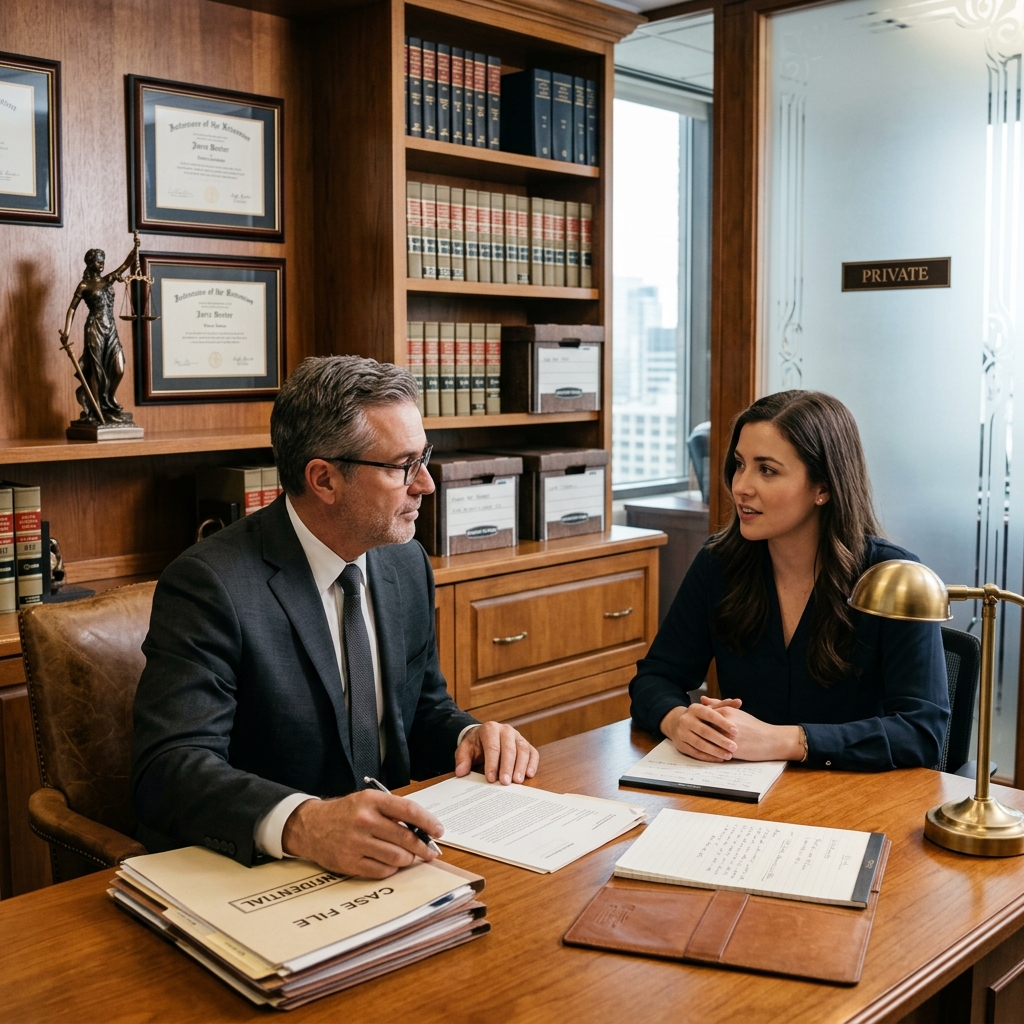
Attorney-client privilege is a cornerstone of the legal system. It allows you to speak honestly with your lawyer, knowing your private communications normally cannot be exposed in court or shared with others without your consent. This article explains how that protection works, when it applies, and the important situations where it can be lost or limited.
Why Attorney-Client Privilege Exists
Attorney-client privilege is an evidentiary rule that keeps certain communications between a lawyer and their client confidential in legal proceedings. The underlying goal is simple: if clients can trust that their disclosures will be kept secret, they are more likely to be candid. That candor allows lawyers to give accurate advice and mount an effective defense.
- Encourages honesty: Clients can admit embarrassing, damaging, or incriminating facts without fear of immediate exposure.
- Improves legal advice: Lawyers need the full story to analyze risks, evaluate evidence, and recommend realistic strategies.
- Supports fair trials: When attorneys have complete information, courts are more likely to receive well-prepared, accurate arguments.
Privilege is distinct from a lawyer’s general duty of confidentiality. Privilege controls what can be revealed as evidence in court; confidentiality governs how lawyers must protect client information in all contexts, including outside the courtroom.
Core Elements of Attorney-Client Privilege
Not every conversation with a lawyer is privileged. Courts typically look for several core elements before the rule will apply.
| Element | What It Means | Practical Example |
|---|---|---|
| Client seeking legal advice | The person is asking a lawyer for legal guidance or representation, not simply chatting socially. | Explaining your criminal charges to a defense attorney to understand possible outcomes. |
| Qualified legal professional | The communication is with a licensed attorney or their authorized representative acting in a professional capacity. | Speaking with a law firm’s paralegal about case details at the lawyer’s direction. |
| Confidential intent | The client intends the conversation to be private and takes reasonable steps to keep it that way. | Meeting in a closed office or using secure email rather than posting in a public forum. |
| Communication content | The protection applies to communications, not necessarily to underlying facts. | Your admission to the lawyer is privileged; the existence of physical evidence itself is not. |
When these elements are satisfied, courts generally treat the communication as privileged. That means the lawyer can refuse to testify about those conversations, and opposing parties cannot force disclosure through subpoenas or discovery requests.
What Types of Communications Are Protected?
Attorney-client privilege extends beyond face-to-face conversations. Any medium used to communicate for the purpose of seeking or providing legal advice may be covered.
- Verbal discussions: In-office meetings, phone calls, or video conferences discussing legal issues.
- Written communications: Letters, signed statements, and draft documents shared with the lawyer for advice.
- Electronic messages: Emails, texts, and secure messaging apps used to discuss the case or get legal guidance.
- Communications via staff: Interactions with paralegals, legal assistants, or other staff acting on the lawyer’s behalf.
Importantly, privilege usually protects communications about past conduct, including admissions of prior crimes, as long as they are made in the course of seeking legal advice. In most jurisdictions, a lawyer may keep such past admissions confidential and still vigorously defend the client in court.
Client Control: Who Owns the Privilege?
The privilege belongs to the client, not the attorney. That means:
- Only the client can waive: The client decides whether to allow disclosure of privileged information.
- Lawyer must assert privilege: When asked to reveal confidential communications, the lawyer is expected to refuse and invoke privilege unless the client has consented.
- Privilege usually survives death: In many contexts, the protection continues even after the client’s death and after the lawyer-client relationship ends.
Because the client controls privilege, strategic decisions sometimes involve waiving protections. For example, a client might authorize partial disclosure when arguing that they relied on counsel’s advice or when cooperating with government investigations.
How Attorney-Client Privilege Differs from Confidentiality
Attorney-client privilege and ethical confidentiality often overlap, but they are not identical.
- Privilege: A rule of evidence controlling what can be introduced or compelled in court.
- Confidentiality: Professional obligations that govern how attorneys handle private information in all settings, including negotiations, internal firm communications, and public statements.
A lawyer might be ethically barred from sharing certain information even when privilege technically would not apply, such as business details unrelated to a specific legal proceeding. Conversely, some information may be privileged in court but subject to disclosure in limited circumstances under professional conduct rules.
Common Ways Privilege Can Be Waived or Lost
Clients and lawyers must be careful not to inadvertently undermine privilege. Several common scenarios can lead to waiver or loss of protection.
1. Sharing Communications with Third Parties
Privilege typically requires that communications remain confidential. When a client voluntarily discloses the substance of those communications to someone outside the attorney-client relationship, courts often treat that as a waiver.
- Forwarding a legal advice email to a friend or business partner.
- Discussing detailed legal strategy with family members in the presence of non-privileged individuals.
- Posting information from legal consultations on social media.
Limited exceptions can apply when disclosure is necessary to carry out representation, such as sharing information with an interpreter or investigator working for the lawyer. In those cases, the third party may be treated as part of the legal team and the privilege can remain intact.
2. Using Legal Advice as a Defense
When a client argues that they relied on counsel’s advice—such as an “advice of counsel” defense in civil or criminal matters—courts may require disclosure of related communications to evaluate that claim, effectively waiving privilege for those topics.
3. Intentional Consent to Disclosure
A client may give informed consent for the attorney to share certain privileged information. For instance, a client might authorize the lawyer to reveal specific facts during plea negotiations or settlement discussions. Once consent is given and disclosure occurs, privilege is generally considered waived as to that information.
Key Exceptions: When Privilege Does Not Apply
Although attorney-client privilege is robust, it does not protect all communications. Courts recognize several important exceptions, particularly where ongoing wrongdoing or serious harm is involved.
The Crime-Fraud Exception
The most widely recognized limitation is the crime-fraud exception. This doctrine denies privilege to communications that are made for the purpose of committing, continuing, or concealing a crime or fraud.
- Applies to ongoing or future misconduct, not merely admissions of past crimes.
- Covers communications seeking guidance on how to perpetrate illegal activity or hide evidence.
- Allows courts to require disclosure of otherwise confidential communications if they are in furtherance of wrongful conduct.
For example, if a client consults a lawyer to structure transactions intended to defraud investors, or seeks advice on destroying incriminating documents, those communications may fall within the crime-fraud exception and lose protection.
Preventing Imminent Serious Harm
Professional conduct rules and some statutes allow or require lawyers to reveal information when necessary to prevent reasonably certain death or substantial bodily harm. In such cases, the duty to protect life and safety can override privilege and confidentiality.
- Threats of serious violence against specific individuals.
- Plans to commit a violent crime in the near future.
- Situations where a lawyer reasonably believes disclosure is needed to avert grave harm.
Jurisdictions differ in how they implement these obligations, but the trend is toward allowing limited disclosure to protect human life and safety.
Other Legal Carve-Outs
Additional exceptions may arise under specific laws or rules, including:
- Government or congressional investigations: Privilege is still recognized, but its application may be more complex and contested when agencies or legislative bodies seek information.
- Conflicts with court orders: In rare circumstances, courts may order disclosure after careful balancing of interests, often in conjunction with crime-fraud concerns.
Attorney-Client Privilege in Criminal Defense Cases
Privilege plays a particularly critical role in criminal defense, where liberty and sometimes life are at stake. Defendants must be able to tell their lawyers the unvarnished truth for counsel to evaluate charges, evidence strength, and potential defenses.
Past Crime Admissions
In general, a client’s admission of past criminal conduct to their lawyer is protected by privilege when made in the course of seeking legal assistance. Even if the client confesses to the charged offense, the lawyer typically may keep that information confidential and still challenge the prosecution’s case.
This does not mean lawyers present false evidence or allow perjury. Ethical rules bar attorneys from knowingly putting forward testimony they know is false or fabricating evidence, even while privilege protects confidential discussions.
Strategy Discussions and Case Analysis
Legal strategy discussions—such as whether to negotiate a plea, what witnesses to call, or how to cross-examine key witnesses—are classic examples of privileged communications. Revealing those conversations would undermine the adversarial process and discourage candid collaboration between client and counsel.
Best Practices for Protecting Your Privileged Communications
Clients play an active role in preserving privilege. Simple steps can significantly reduce the risk of accidental waiver.
- Keep conversations private: Avoid having non-essential third parties present during important legal discussions.
- Use secure communication channels: Prefer secure email, client portals, or phone calls over public or shared platforms.
- Do not forward legal advice widely: Share privileged communications only with your lawyer and authorized legal team.
- Clarify when you seek legal advice: Make it clear you are consulting the lawyer in their professional capacity, not just as a friend or acquaintance.
- Ask before sharing: If in doubt about whether you can disclose certain information, ask your attorney first.
By following these practices, you help ensure that your communications remain shielded and your lawyer can represent you effectively.
Frequently Asked Questions (FAQs)
Does telling my lawyer I committed a crime mean they must report me?
Generally, no. Admissions of past crimes made while seeking legal advice are usually protected by attorney-client privilege and are not reportable solely for that reason. Exceptions arise when you discuss plans for future crimes or serious harm, which may trigger the crime-fraud exception or duties to prevent harm.
Is everything I say to a lawyer automatically privileged?
No. Privilege applies when you are seeking legal advice, the lawyer is acting in a professional capacity, and you intend the conversation to be confidential. Casual conversations or public disclosures may not be protected.
Can my lawyer ever testify against me about our conversations?
In most circumstances, your lawyer cannot be compelled to testify about privileged communications and must assert privilege on your behalf. However, if you waive the privilege or if the crime-fraud exception applies, the court may allow disclosure of specific communications.
If I bring a friend or family member to a meeting, do I lose privilege?
Possibly. Introducing non-essential third parties can jeopardize confidentiality, and courts may treat that as a waiver of privilege. There are limited exceptions for individuals who are needed to facilitate communication, such as interpreters or investigators working for the lawyer.
How long does attorney-client privilege last?
Privilege typically continues after the case ends and, in many situations, even after the client’s death. It is not limited to the duration of the formal representation.
References
- Attorney-client privilege | Wex — Legal Information Institute, Cornell Law School. 2023-05-01. https://www.law.cornell.edu/wex/attorney-client_privilege
- What is attorney-client privilege? — Illinois Legal Aid Online. 2024-02-15. https://www.illinoislegalaid.org/legal-information/what-attorney-client-privilege
- Attorney-Client Privilege in California | Evidence Code 954 — EG Attorneys. 2023-03-10. https://www.egattorneys.com/attorney-client-privilege-in-california
- The Crime-Fraud Exception to the Attorney-Client Privilege — Justia. 2022-08-19. https://www.justia.com/criminal/working-with-a-criminal-lawyer/the-crime-fraud-exception/
- Privilege Pierced by Ongoing or Future Wrongful Conduct: The Crime-Fraud Privilege Exception Is Broader Than You Think — Defense Counsel Journal, International Association of Defense Counsel. 2019-01-01. https://www.iadclaw.org/defensecounseljournal/privilege-pierced-by-ongoing-or-future-wrongful-conduct-the-crime-fraud-privilege-exception-is-broader-than-you-think/
- Attorney-Client Privilege in Wisconsin — GRGB Law. 2022-11-03. https://www.grgblaw.com/wisconsin-trial-lawyers/attorney-client-privilege-wisconsin
- Attorney-Client Privilege in Government and Congressional Investigations — American Bar Association, Business Law Today. 2019-01-01. https://www.americanbar.org/groups/business_law/resources/business-law-today/2019-january/attorney-client-privilege/
Similar Articles








Read full bio of medha deb




