
Understanding Arraignments and Bond Hearings
Learn what happens at arraignments and bond hearings, how bail is set, and what defendants should expect at these early court stages.
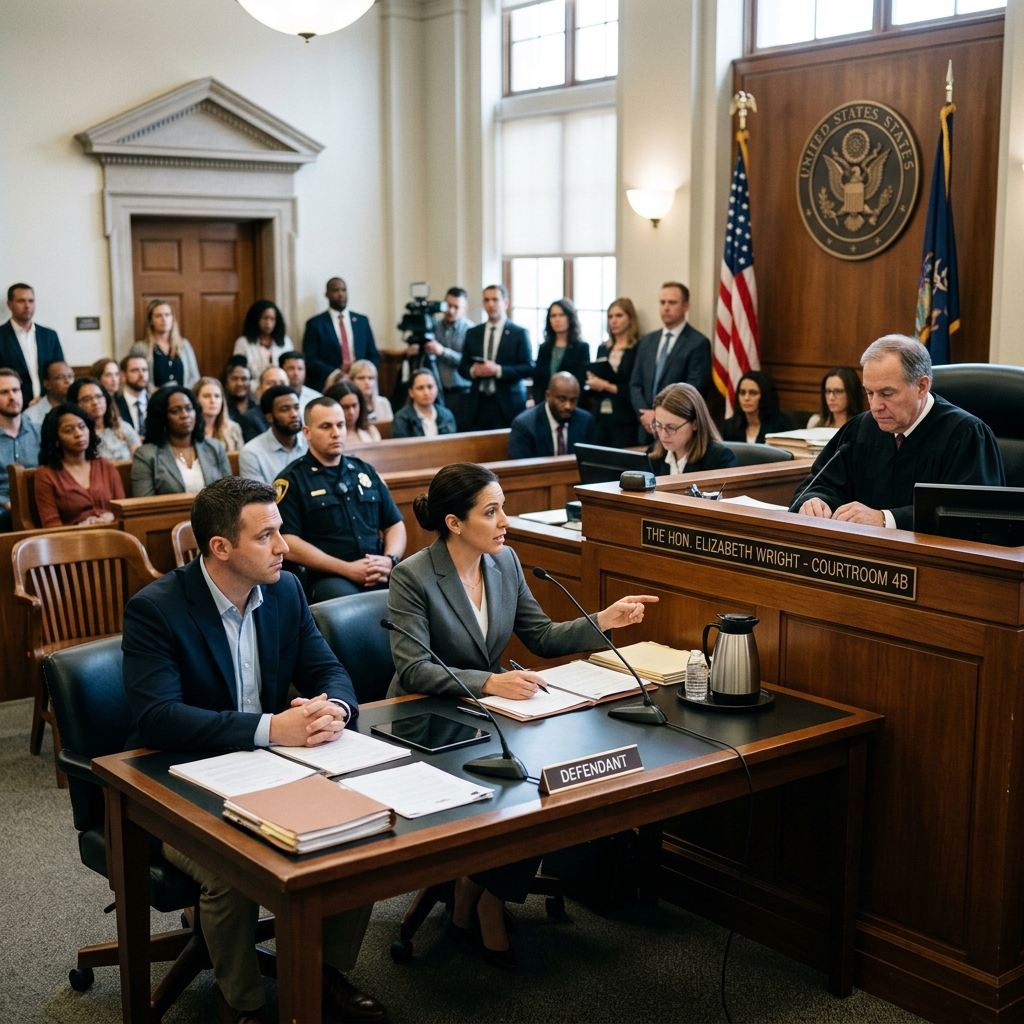
When someone is arrested and charged with a crime in the United States, the first formal steps in court are usually the arraignment and, often, a bond (bail) hearing. These early hearings do not decide guilt or innocence; instead, they inform the accused of the charges, protect constitutional rights, and determine whether the person will be released or kept in custody while the case moves forward.
This guide explains how arraignments and bond hearings work, what typically happens at each stage, and what defendants and families can realistically expect.
The Role of Arraignment in the Criminal Process
An arraignment is usually the first court appearance after a person is arrested and formally charged. In many jurisdictions, it occurs the same day or the day after arrest, or within a few days for less urgent cases. The main purpose is to make sure the accused person understands the accusations and their rights, and to begin organizing how the case will proceed.
Key objectives of an arraignment
Although details vary by state and by whether the case is in state or federal court, arraignments usually serve several core objectives:
- Informing the defendant of the charges filed against them
- Advising the defendant of their constitutional rights, including the right to counsel
- Addressing the issue of bail or bond and release conditions
- Taking an initial plea (for example, guilty or not guilty)
- Scheduling the next court dates, such as a preliminary hearing or pretrial conference
What typically happens at an arraignment
At a basic level, an arraignment is a structured conversation between the judge, the prosecutor, the defendant, and defense counsel (or a public defender). The judge usually follows a similar sequence each time.
You can generally expect the following steps:
- The case is called in open court and the defendant comes before the judge.
- The judge confirms the defendant’s identity and that they have received charging documents (such as a complaint or indictment).
- The judge reads or summarizes the charges and potential classification (misdemeanor or felony).
- The judge explains key constitutional rights, including:
- The right to be represented by an attorney, and to have one appointed if the defendant cannot afford one
- The right to remain silent and not incriminate oneself
- The right to a speedy and public trial
- The right to a jury trial in many criminal cases
- The right to confront and cross-examine witnesses
- If the defendant does not yet have a lawyer and qualifies financially, the court will usually appoint a public defender or other counsel.
- The court then turns to the question of bail or bond and conditions of release.
- Finally, the defendant is asked to enter an initial plea.
Defendant Rights Highlighted at Arraignment
One of the most important functions of an arraignment is to make sure the accused person knows their rights before the case moves forward. The specific wording differs, but most courts emphasize similar protections.
Core rights usually explained
- Right to counsel: The defendant has the right to be represented by an attorney, and if they cannot afford one, the court will typically appoint a lawyer at public expense.
- Right to remain silent: The defendant does not have to answer questions about the alleged crime and cannot be forced to testify against themselves.
- Right to a speedy trial: The case must move forward within time limits set by law, subject to certain exceptions and waivers.
- Right to a jury trial in many criminal cases, especially felonies.
- Right to confront witnesses: The defendant has the right to be present, to hear the evidence, and to cross-examine witnesses through their lawyer.
- Right to compulsory process: The defendant can use court subpoenas to call witnesses in their favor.
For defendants with limited English proficiency, many courts must also provide an interpreter so the accused can fully understand the proceedings and their rights.
Understanding Bail and Bond Hearings
Frequently, the arraignment is also when the judge decides whether the defendant will be released while the case is pending, and under what conditions. In some systems, there is a separate bond hearing or bail hearing focused specifically on pretrial release.
What is bail or bond?
Bail generally refers to the conditions under which a person is allowed to remain out of custody before trial. A key part is often a monetary bond, which may be cash or a surety arrangement to help ensure the defendant returns to court.
By law, especially in federal court, defendants often have a right to reasonable bail in non-capital cases, but courts may deny release when the law allows and when serious safety or flight concerns exist.
Factors judges consider at bail or bond hearings
Before deciding whether to release a defendant and on what terms, judges typically weigh several factors. Federal law, for example, directs judges to consider the nature of the offense, the strength of the evidence, and the defendant’s history and characteristics in assessing flight risk and danger to the community.
Common considerations include:
- Seriousness of the charges (for example, violent felonies versus minor misdemeanors)
- Defendant’s criminal history, including prior failures to appear in court
- Connections to the community, such as family, residence, and employment
- Risk of flight or likelihood of missing future court dates
- Potential danger to specific people or the broader community
- Any evidence of threats to witnesses or victims
Types of bail and release conditions
Depending on the jurisdiction and the case, judges may choose from several options when deciding bail and conditions:
- Release on recognizance (ROR): The defendant is released without paying money, promising to return to court.
- Unsecured bond: A monetary amount is set, but no money is paid upfront unless the defendant fails to appear.
- Cash or surety bond: The court requires cash or a bond posted through a surety (such as a bail bonds company) up to a specified amount.
- Supervised release: The defendant is released but must report to a pretrial services officer or comply with monitoring conditions.
- No bond / detention: In some circumstances, the court may decide that no conditions can reasonably assure safety or the defendant’s appearance and order continued detention.
Typical Arraignment Timeline in a Criminal Case
The precise timing of an arraignment depends on whether the case is in state or federal court and on local rules. However, a broad pattern can be described.
| Stage | What Happens | Approximate Timing |
|---|---|---|
| Arrest | Defendant is taken into custody by law enforcement based on probable cause. | Immediately, often at or soon after the alleged incident. |
| Charging | Prosecutor files a complaint or seeks an indictment from a grand jury for serious offenses. | Shortly after arrest; timing depends on jurisdiction. |
| Initial hearing / arraignment | Judge informs defendant of charges and rights, addresses counsel, bail, and plea. | Same day or next day in many federal and state courts, or within a few days. |
| Subsequent hearings | Preliminary hearing, pretrial conferences, motion hearings, or plea discussions. | Weeks to months after arraignment, depending on the case. |
Entering a Plea at Arraignment
One of the most visible moments at arraignment is when the judge asks how the defendant pleads to the charges. In many cases, defendants enter a preliminary plea and may change it later if a plea agreement is reached.
Common plea options
- Not guilty: The defendant denies the charge and wants to contest it. This plea preserves all defenses and moves the case toward further hearings and possibly trial.
- Guilty: The defendant admits the charge and accepts conviction. Courts usually make sure the plea is voluntary and that the defendant understands the consequences.
- No contest (nolo contendere): The defendant does not admit guilt but does not dispute the charge. The court treats it similarly to a guilty plea for criminal sentencing, although it can have different implications in civil cases.
In many criminal cases, especially more serious ones, defendants initially plead not guilty at arraignment to allow time to consult with counsel, review evidence, and consider options.
How Arraignments Differ Between State and Federal Court
Although the basic ideas are similar, the details of arraignments and bond hearings can differ between state and federal systems and from one state to another.
Federal court features
In federal criminal cases, the initial hearing and arraignment are typically held before a magistrate judge. At this stage, the judge:
- Advises the defendant of the charges and potential penalties
- Ensures the defendant has or will have an attorney
- Holds a detention/bail hearing to decide release or custody under federal standards
- Takes a plea and sets future dates
Federal law directs judges to consider flight risk and danger to the community when deciding whether to release or detain a defendant before trial, sometimes leading to more structured detention hearings.
State court variations
State courts follow the same general pattern but may label hearings differently or have separate proceedings for bail, probable cause, and arraignment. For example:
- Some states hold a separate bail or bond hearing shortly after arrest to address release, even before formal arraignment.
- In certain systems, a preliminary hearing or probable cause hearing may come before or after arraignment to determine whether enough evidence exists to move forward.
- Procedures can differ for misdemeanors versus felonies, including whether an indictment is required and when it is read in court.
Practical Tips for Defendants and Families
Facing an arraignment or bond hearing can be stressful, especially for people with no prior contact with the criminal justice system. Understanding what is coming can help defendants and families prepare.
Before the hearing
- Consult a criminal defense lawyer as early as possible. Even a brief consultation can clarify whether to request certain bail terms or how to handle the plea.
- Gather basic background information that might help at a bond hearing, such as proof of employment, community ties, and family responsibilities.
- If family is involved, they should plan for financial decisions, such as whether they can afford to post cash bail or use a bonding company if permitted.
During the hearing
- Arrive early, dress respectfully, and address the judge formally (for example, “Your Honor”).
- Listen carefully when the judge explains rights and charges; ask your attorney to clarify anything you do not understand.
- Allow your lawyer to speak on your behalf about bail and conditions; they can highlight factors that support release.
- Do not argue the facts of the case at arraignment; this is usually not the stage where evidence is presented or credibility is decided.
After the hearing
- Carefully note future court dates and comply with all conditions of release, such as travel limits or check-ins.
- Stay in close contact with your attorney, and begin gathering any documents or witnesses that may be important later.
- Understand that the case is only at the beginning stage; there may still be negotiations, motions, and potential plea discussions ahead.
Frequently Asked Questions About Arraignments and Bond Hearings
Is an arraignment the same as a trial?
No. An arraignment is not a trial. It is a short hearing where the judge explains charges and rights, considers bail, and takes an initial plea. There is usually no witness testimony or evidence presented at this stage, and the court does not decide whether the defendant is guilty or not guilty.
Do I need a lawyer for my arraignment?
While some jurisdictions allow defendants to appear without a lawyer, having counsel at arraignment is strongly recommended. At this stage, the court may make important decisions about bail and conditions of release, and the defendant will be asked to enter a plea. If you cannot afford a lawyer, the court will typically appoint a public defender or similar counsel.
What happens if I cannot afford bail?
If a judge sets a bail amount that the defendant cannot afford to pay, the defendant may remain in custody, sometimes with the option of a later request to modify bail. In some jurisdictions, the defendant can ask for a separate bond hearing or appeal the bail decision. Defendants may also be eligible for less restrictive conditions, such as supervised release, depending on the law and circumstances.
Can the judge deny bail altogether?
In certain serious cases, such as some violent crimes or situations where there is strong evidence of danger or flight risk, courts may decide that no conditions can reasonably assure public safety or appearance in court and may order detention without bail where permitted by law. The rules differ by state and between state and federal courts, and some offenses may have specific statutory limits on bail.
Can I change my plea after the arraignment?
Often, yes. Many defendants initially plead not guilty at arraignment and later change their plea if they reach a plea agreement with the prosecution or decide to admit to a charge. The ability to change a plea and the process for doing so depend on local rules and the stage of the case, so it should be done with the advice of counsel.
How long does an arraignment or bond hearing usually take?
The time spent in the courtroom can be relatively short—sometimes only a few minutes per case—although defendants may wait longer for their case to be called. The length of the hearing depends on whether bail is contested, how many cases are on the court’s calendar that day, and whether there are issues about appointing counsel or language interpretation.
Why These Early Hearings Matter
Although arraignments and bond hearings occur at the beginning of a case, they can have lasting consequences. Decisions made at these hearings can determine whether a defendant waits for trial in jail or at home, what conditions they must follow, and how quickly their case moves through the system.
Understanding the goals and typical procedures at these early stages can help defendants protect their rights, make informed choices about pleas and bail, and work more effectively with their attorneys as the criminal case continues.
References
- Initial Hearing / Arraignment — U.S. Department of Justice, Office of the U.S. Attorneys. 2020-02-10. https://www.justice.gov/usao/justice-101/initial-hearing
- The Arraignment — California Courts, Self-Help Guide. 2023-05-01. https://selfhelp.courts.ca.gov/criminal-court/overview/arraignment
- The Criminal Justice Process — Tennessee District Attorneys General Conference. 2022-01-15. https://www.tndagc.org/the-criminal-justice-process/
- Arraignment Court Process — District of Columbia Courts (video transcript). 2019-03-12. https://www.youtube.com/watch?v=jXLVFJIzlc8
- Arraignment & Bail Process: Entering a Plea — Wallin & Klarich. 2021-06-01. https://www.wklaw.com/arraignment-and-bail
- Bond Hearings in North Carolina — Powers Law Firm PA. 2022-09-20. https://www.carolinaattorneys.com/bond-hearings-in-north-carolina.html
- Understanding Criminal Procedure and Arraignments in North Carolina — Kenneth J. Steinberg, Attorney at Law. 2022-04-05. https://www.kennethjsteinberglaw.com/arraignment
Similar Articles








Read full bio of Sneha Tete




