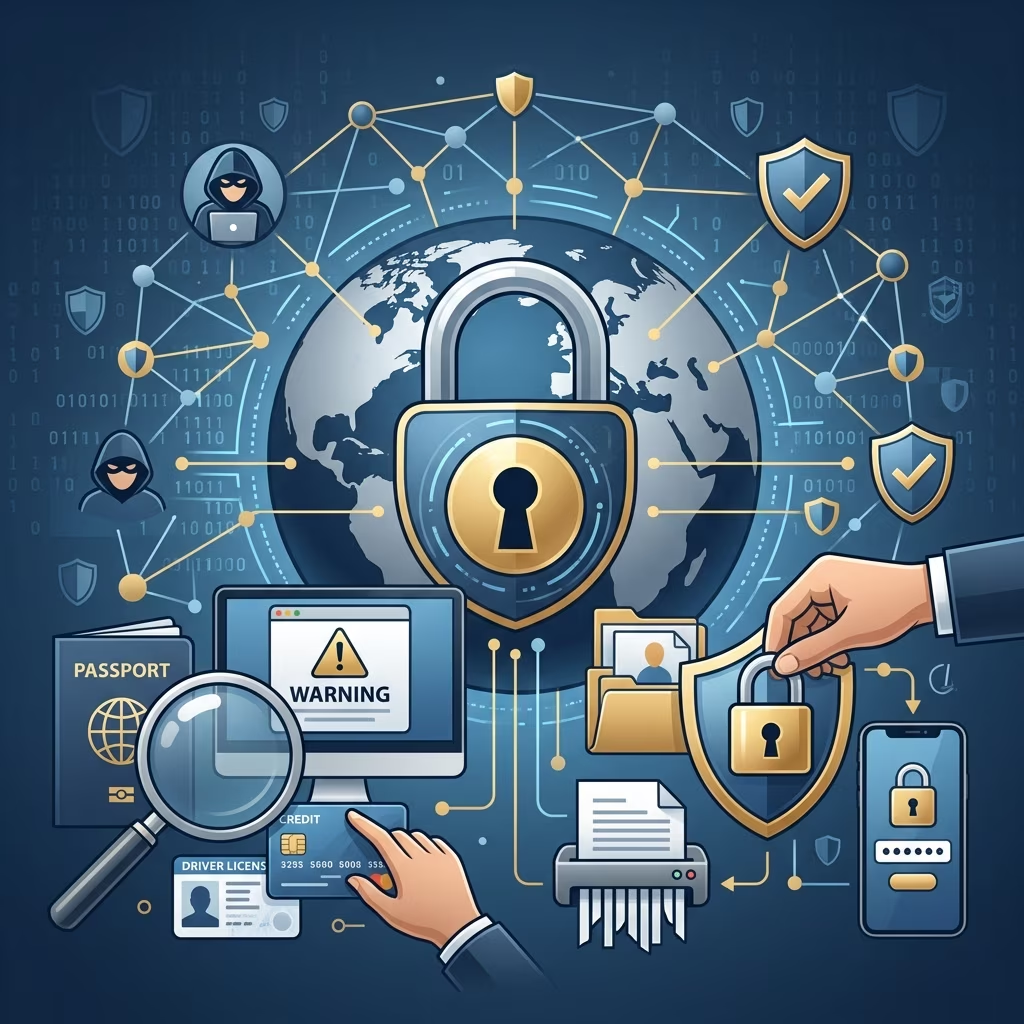
Identity theft is one of the most pervasive crimes affecting consumers today. It occurs when someone uses your personal information without permission to commit fraud, open accounts, or steal money. According to U.S. consumer protection agencies, keeping your data secure and acting quickly when something looks wrong are critical steps to minimizing harm.
This article explains how identity theft works, the warning signs to watch for, practical prevention strategies, and clear actions you can take if you suspect your identity has been compromised. While inspired by official victim‑witness guidance, all content here is written in original language and organized for easy, everyday use.
What Is Identity Theft and Why It Matters
Identity theft generally involves someone acquiring pieces of your personal information and using them as if they were you. Commonly misused details include:
- Full name and date of birth
- Social Security number or other government ID numbers
- Bank account and credit card numbers
- Login credentials for email, financial, or shopping accounts
- Address, phone number, and other contact information
Once a criminal has enough data, they may open new credit lines, file fraudulent tax returns, drain bank accounts, or make unauthorized purchases. U.S. government consumer advice emphasizes that identity theft can impact not just your finances but also your credit record, tax status, and even medical or employment records if false data is used in your name.
Common Ways Thieves Steal Personal Information
Understanding how criminals obtain information helps you block many attacks before they succeed. Authorities and security experts highlight several frequent methods:
Digital Attacks and Online Scams
- Phishing emails and texts that pretend to be banks, government agencies, or delivery services and try to trick you into clicking a link or sharing login details.
- Fake websites designed to look like legitimate banking or shopping pages but capture anything you type.
- Malware and viruses that record keystrokes or search for stored passwords if your device is not properly secured.
- Unsafe public Wi‑Fi where attackers can intercept data sent over open networks, especially when no encryption or VPN is used.
Physical Methods and Social Engineering
- Mail theft, where thieves take bank statements, new credit cards, tax documents, or pre‑approved offers directly out of your mailbox.
- Dumpster diving, looking through discarded paperwork for account numbers or other personal details.
- Impersonation calls, in which fraudsters pose as company employees, tech support, or government officials and pressure you to reveal sensitive information.
- Stolen wallets or lost devices that contain ID cards, access badges, or stored passwords.
Data Breaches and Large‑Scale Exposure
Even if you are cautious, companies or institutions that store your data can be hacked. Official guidance advises reading breach notifications you receive and following instructions such as enrolling in credit monitoring or changing credentials.
| Digital Methods | Physical Methods |
|---|---|
| Phishing emails and fake websites | Mail theft and dumpster diving |
| Malware, viruses, and credential theft | Stealing wallets, phones, or paper records |
| Exposed data from online breaches | Impersonation calls or in‑person scams |
Warning Signs That Your Identity May Be Misused
Early detection dramatically reduces the damage criminals can cause. Government consumer protection offices recommend watching for the following red flags:
- Unexpected bills or account statements for services or credit cards you never opened.
- Collection calls or notices about debts that do not belong to you.
- Missing regular statements or mail, which could mean someone has redirected your address.
- Unfamiliar charges, even small ones, on bank or credit card accounts.
- Credit report entries showing new accounts, inquiries, or addresses you do not recognize.
- IRS or tax authority notices indicating multiple returns were filed in your name or questioning unreported income.
If any of these occur, treat them as potential indicators of identity theft and investigate promptly rather than assuming they are simple errors.
Core Strategies to Prevent Identity Theft
No single action can guarantee safety. However, combining several habits greatly reduces your risk. The following strategies are based on recommendations from state attorneys general, federal consumer agencies, and security organizations.
1. Limit Exposure of Sensitive Information
- Keep documents with your Social Security number, government ID, or account numbers in a secure place at home or work.
- Avoid carrying unnecessary cards and identification in your wallet; only bring what you truly need.
- Do not share personal, financial, or health information by phone, mail, or online unless you initiated contact and trust the recipient.
- Ask businesses why they need your data, how they will protect it, and who they will share it with before you provide it.
2. Strengthen Passwords and Account Security
- Create strong, unique passwords for each account, using a mix of letters, numbers, and symbols rather than personal details.
- Use a reputable password manager so you do not have to reuse passwords across multiple services.
- Turn on multi‑factor authentication (MFA) whenever possible to require an additional code or device confirmation before logging in.
- Change passwords regularly and avoid saving them on public or shared computers.
3. Protect Your Devices and Internet Use
- Install and update antivirus and firewall software on computers and smartphones to block malicious software.
- Use secure, encrypted internet connections when sending credit card numbers or personal information; avoid entering sensitive data on public Wi‑Fi.
- Password‑protect phones and other mobile devices to prevent unauthorized access if they are lost or stolen.
- Before disposing of a device, wipe or reset it according to manufacturer or service‑provider instructions and remove memory cards, SIM cards, and stored data.
4. Handle Paper Records Securely
- Shred bank statements, loan applications, insurance forms, receipts, and other sensitive documents when you no longer need them.
- Be cautious with pre‑approved credit offers and similar mailings that contain personal details; destroy them rather than tossing them intact.
- Keep track of important mail such as tax documents, new cards, or benefit statements and follow up if they do not arrive on schedule.
5. Monitor Financial Accounts and Credit Reports
- Review bank and credit card statements promptly for any unauthorized charges or withdrawals; report suspicious activity immediately.
- Check your credit reports regularly with major bureaus such as Equifax, Experian, and TransUnion. U.S. guidance notes that consumers can obtain reports at no cost on a recurring basis.
- Consider placing a fraud alert or credit freeze if you suspect misuse, which makes it harder for thieves to open new accounts in your name.
What To Do If You Suspect Identity Theft
If you believe your identity has been compromised, act quickly. Official advice from consumer protection agencies and financial institutions recommends taking the following steps:
Step 1: Contact Financial Institutions
- Call your bank and credit card companies right away to report unauthorized transactions or accounts.
- Ask them to close or freeze affected accounts, issue new cards or numbers, and monitor for further suspicious activity.
- Follow up in writing where appropriate to create a documented record of the fraud report.
Step 2: Review and Protect Your Credit File
- Request updated copies of your credit reports from each major bureau to identify fraudulent accounts or inquiries.
- Place a fraud alert so potential lenders know to take extra steps to verify your identity before approving new credit.
- Consider a credit freeze if you want to prevent new accounts from being opened entirely until you lift the freeze.
Step 3: Report the Theft to Appropriate Authorities
- File a report with your local law enforcement agency, especially if physical documents or cards were stolen.
- Use national consumer complaint tools or dedicated identity theft reporting systems provided by government agencies to document the incident and receive tailored guidance.
- Keep copies of all reports and reference numbers; they may be necessary to correct records or dispute fraudulent debts.
Step 4: Correct Records and Continue Monitoring
- Dispute fraudulent charges and accounts in writing with creditors and credit bureaus.
- Review statements and credit reports closely for several months after the incident to ensure no new misuse appears.
- Update compromised passwords, enable multi‑factor authentication, and consider changing email addresses linked to financial accounts.
Practical Everyday Habits That Lower Your Risk
Large prevention steps matter, but small daily choices also play a significant role in protecting your identity. Combining these habits with the core strategies above helps build a strong overall defense:
- Pause before clicking links or opening attachments, especially when messages seem urgent or threaten consequences if you do not respond.
- Use only one dedicated credit card for online purchases to simplify monitoring.
- Avoid oversharing on social media—details like your full birthdate, children’s names, or pet names are often used in security questions and passwords.
- Log out of sensitive accounts and do not save passwords on shared or public devices.
- Review your tax and social security accounts for accuracy and signs of fraudulent filings or benefit claims.
Frequently Asked Questions About Identity Theft
Is identity theft only about money being stolen?
No. While financial loss is common, identity theft can also involve misuse of your personal information to obtain medical services, employment, benefits, or even commit crimes under your name. That is why monitoring government, tax, and benefits records is important, not just bank accounts.
How often should I check my credit report?
Consumer protection guidance suggests reviewing your credit report regularly, such as once or several times per year, to catch unauthorized accounts early. Many people choose to rotate which bureau they check so they have frequent visibility without extra cost.
Is using public Wi‑Fi always unsafe?
Public Wi‑Fi can be risky if you access sensitive sites without added protection. If you must use it, avoid logging into financial accounts, and consider using a virtual private network (VPN) and encrypted connections to reduce exposure.
Do I need to shred every document?
You do not need to shred ordinary, non‑sensitive mail. Focus on documents that include account numbers, government IDs, medical information, financial details, or other personal data that could be useful to thieves.
What is the difference between a fraud alert and a credit freeze?
A fraud alert tells businesses checking your credit to take extra steps to confirm your identity before opening new accounts, while a credit freeze generally blocks new creditors from accessing your file at all until you lift the freeze. Both tools help limit the damage if your identity has been compromised.
References
- Identity Theft and Online Security — Federal Trade Commission. 2023-06-01. https://consumer.ftc.gov/identity-theft-online-security
- Help Prevent Identity Theft — Office of the Texas Attorney General. 2022-09-15. https://www.texasattorneygeneral.gov/consumer-protection/identity-theft/help-prevent-identity-theft
- Checklist to Help Prevent Identity Theft — Missouri Attorney General. 2021-11-10. https://ago.mo.gov/get-help/programs-services-from-a-z/identity-theft-data-security/identity-theft-preventative-checklist
- G-200: Identity Theft: Awareness Strategies to Protect Yourself — New Mexico State University. 2020-05-01. https://pubs.nmsu.edu/_g/G200/index.html
- Strategies for Preventing Identity Theft — CrowdStrike, Inc. 2023-02-20. https://www.crowdstrike.com/en-us/cybersecurity-101/identity-protection/identity-theft-prevention-strategies/
- How Do I Protect Myself Against Identity Theft? — USAA Educational Foundation. 2022-07-30. https://usaaef.org/insurance-protection/consumer-protection/military-consumer-protection/how-do-i-protect-myself-against-identity-theft/
- How to Protect Yourself from Identity Theft and Fraud — Security Bank USA. 2021-08-12. https://www.securitybankusa.bank/blog/post/how-to-protect-yourself-from-identity-theft-and-fraud