
Understanding and Combating Child Sex Trafficking
A detailed, practical overview of child sex trafficking, its impact, warning signs, legal framework, and how communities can help protect children.
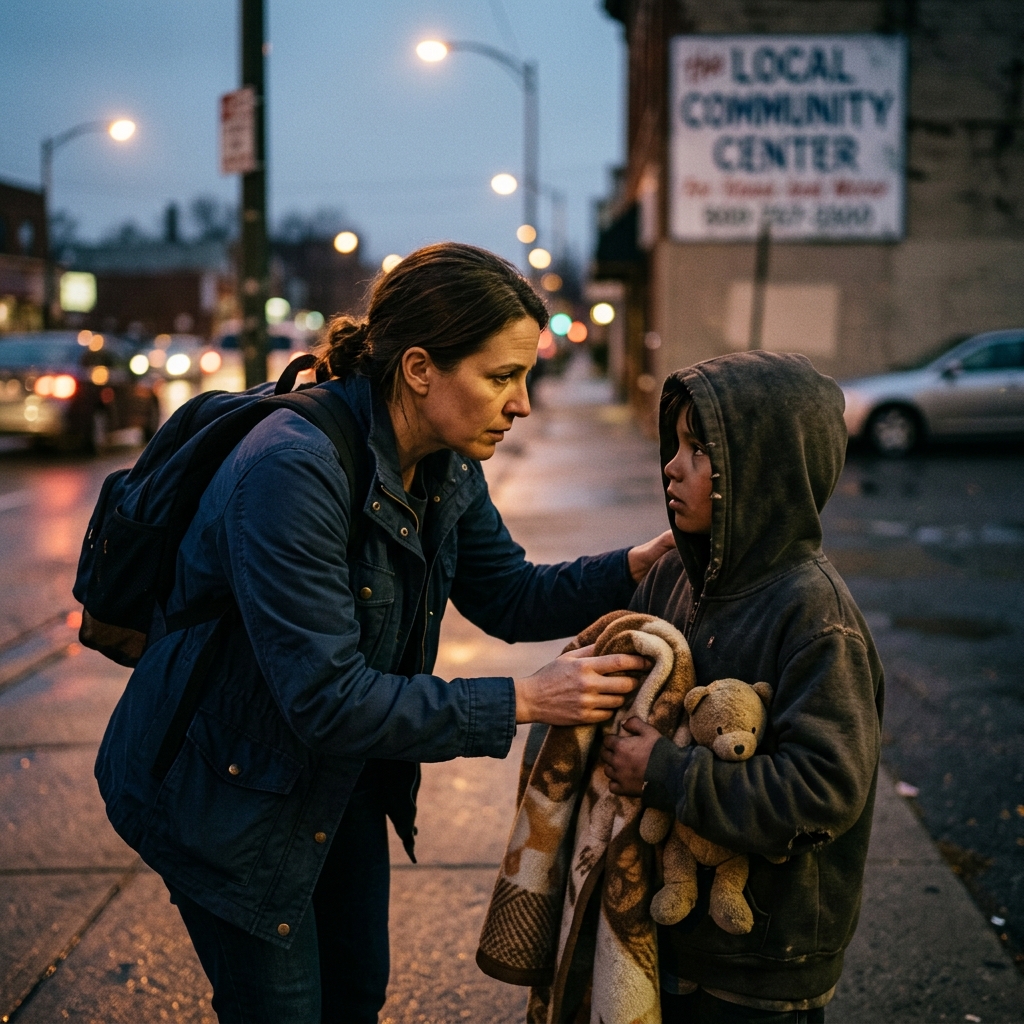
Child sex trafficking is a severe form of abuse and exploitation in which children are used for commercial sexual activities through manipulation, threats, or violence. It is both a crime and a grave human rights violation, affecting families and communities across the United States and around the world.
This article explains what child sex trafficking is, how it operates, what warning signs to watch for, how law enforcement and partner agencies respond, and how individuals, families, and communities can help protect children. It is inspired by official U.S. government guidance but presents the information in original language and structure.
1. What Is Child Sex Trafficking?
Under U.S. federal law, sex trafficking involves causing a person to engage in commercial sex acts through force, fraud, or coercion. When the victim is under 18 years of age, any commercial sex act constitutes sex trafficking, even if there is no proof of force, fraud, or coercion.
Key elements of child sex trafficking include:
- Victim is a minor: A child under 18 cannot legally consent to commercial sexual exploitation.
- Commercial sexual activity: Any sex act exchanged for something of value (money, shelter, drugs, food, protection, or other benefits).
- Exploitation by another person: Traffickers profit from the child’s exploitation, often using manipulation, violence, or control.
Child sex trafficking can involve in-person exploitation, online exploitation, or a combination of both. It may occur in private homes, hotels, street-based settings, clubs, or on digital platforms where abuse is arranged or advertised.
2. How Traffickers Exploit Children
Traffickers often study and exploit vulnerabilities. Children who already face instability or isolation are at elevated risk. While any child can be victimized, traffickers commonly target those who appear unprotected or in need of support.
2.1 Common Recruitment Tactics
- False promises of love or support: Traffickers may pose as romantic partners, offering affection and attention, then gradually introduce exploitation.
- Promises of money, gifts, or careers: Offers of modeling jobs, music opportunities, or quick cash can be used to lure children into exploitative situations.
- Exploitation of basic needs: Children without stable housing, food, or safety may trade sex for survival; traffickers deliberately control access to these necessities.
- Online grooming: Offenders use social media, gaming platforms, and chat apps to build trust, obtain sexual images, and then coerce ongoing exploitation.
- Peer recruitment: Some victims are pressured to recruit friends or classmates, giving traffickers wider access to children.
2.2 Control and Coercion Methods
Once a trafficker initiates exploitation, they typically maintain control through a mix of psychological and physical tactics:
- Threats and intimidation: Threatening harm to the child, their family, or friends to keep them compliant.
- Violence: Physical assaults, sexual assaults, or torture to instill fear and dependence.
- Debt bondage: Claiming the child owes money for housing, food, or transportation and must continue exploitation to repay it.
- Isolation: Cutting off access to supportive adults, limiting phone use or movement.
- Shame and manipulation: Using prior sexual acts or sexually explicit images to blackmail the child (sometimes called sextortion).
3. Children at Heightened Risk
While no single profile can predict victimization, research and law enforcement experience show that some groups of children face higher risks of sex trafficking.
| Context | Examples of Risk Factors |
|---|---|
| Family and home environment | Lack of stable housing; history of abuse or neglect; involvement in child welfare or foster care; frequent running away from home. |
| Social and emotional factors | Low self-esteem; social isolation; prior sexual victimization; behavioral health challenges; substance use. |
| System involvement | Contact with juvenile justice systems; history of truancy; frequent contact with law enforcement; gaps in school attendance. |
| Digital environment | High unsupervised internet and social media use; sharing of sexual images; interactions with unknown adults online. |
These factors do not mean a child is responsible for their victimization; rather, they signal areas where additional protection and support can reduce risk.
4. Warning Signs of Possible Trafficking
Recognizing indicators of child sex trafficking can help adults intervene earlier. Indicators often appear in combinations and should be considered in context.
4.1 Behavioral and Emotional Indicators
- Sudden changes in behavior, including extreme secrecy, anxiety, or aggression.
- Reluctance to talk about new friends, relationships, or where they spend time.
- Appearing fearful or submissive when certain individuals are mentioned or present.
- Describing an older “boyfriend,” “girlfriend,” or “manager” who controls decisions.
4.2 Physical and Material Indicators
- Unexplained injuries or signs of physical abuse.
- Sudden possession of expensive items (phones, clothing, jewelry) without clear source of income.
- Evidence of frequent travel to hotels or unfamiliar locations.
- Tattoos or markings that may signal ownership or branding, such as names, numbers, or symbols.
4.3 Social and Digital Indicators
- Frequent absences from school, running away, or staying out overnight.
- Multiple social media accounts, secret messaging apps, or profiles using sexualized images.
- Posting or sharing sexual content online; receiving large numbers of messages from unknown adults.
- Being observed with significantly older individuals who appear controlling.
No single indicator proves trafficking, but concerning patterns warrant attention and, in some cases, a report to authorities.
5. Legal Framework and National Strategy
The United States has developed laws, policies, and coordinated programs to combat child sex trafficking and related online exploitation.
5.1 Federal Criminal Laws
Federal statutes treat child sex trafficking as a serious felony, often with lengthy prison sentences. Key features include:
- Protection of minors: Any commercial sex act involving a child is prosecutable as trafficking.
- Penalties for traffickers and facilitators: Those who recruit, advertise, transport, or profit from child sex trafficking can face federal charges.
- Criminalization of child sexual abuse material: Creation, possession, and distribution of visual depictions of child sexual abuse are separate crimes, often linked to trafficking conduct.
5.2 National Coordination and Executive Policy
Federal agencies work together to prevent trafficking, locate victims, and improve investigative capacity. Policy initiatives emphasize:
- Enhanced information-sharing among law enforcement and technology companies to detect child sexual abuse material online.
- Improved ability to locate missing children, including those who have run away from foster care or other placements.
- Expanded victim services and safe housing for trafficking survivors in partnership with state, local, and community organizations.
- Prevention education in schools about human trafficking and online exploitation risks.
6. Role of Law Enforcement and Task Forces
Law enforcement agencies at federal, state, and local levels collaborate to identify victims, investigate traffickers, and protect at-risk children.
6.1 Federal Agencies
- Federal Bureau of Investigation (FBI): Investigates human trafficking and child exploitation cases under dedicated programs, working closely with regional task forces.
- Department of Homeland Security (DHS): Through investigative components and training centers, DHS addresses child exploitation and supports frontline officers.
- Department of Justice (DOJ): Supports specialized initiatives, grants, and task forces that strengthen local responses to trafficking.
6.2 Internet Crimes Against Children (ICAC) Task Forces
The Internet Crimes Against Children Task Force Program helps state and local law enforcement respond effectively to technology-facilitated child sexual exploitation, including sex trafficking.
- Provides forensic and investigative support for complex online cases.
- Offers training and technical assistance to improve digital evidence collection and analysis.
- Connects victim services and community education efforts with investigative work.
6.3 Community Collaboration for Investigations
Guidance for law enforcement emphasizes working with multiple partners to identify and support child victims while holding traffickers accountable.
- Coordinating with prosecutors to build strong cases.
- Working with schools to identify concerns and support affected students.
- Partnering with victim service providers, juvenile justice, child welfare, and probation agencies to ensure safety and continuity of care.
- Developing protocols for information-sharing between agencies to link tips and leads.
7. Victim-Centered Responses and Support
Children who have been trafficked often experience complex trauma. Effective responses focus on safety, dignity, and long-term recovery rather than punishment for behaviors linked to victimization.
7.1 Key Principles of Victim-Centered Practice
- Safety first: Immediate attention to physical safety, medical needs, and secure housing.
- Trauma-informed care: Recognizing that children may distrust adults, minimize abuse, or appear aggressive as a response to trauma.
- Non-criminalization of victims: Avoiding treating exploited children as offenders for acts they were compelled to commit.
- Empowerment and choice: Involving children, as appropriate, in decisions about services and support.
7.2 Types of Services Needed
Effective support typically involves a coordinated network of services:
- Medical care and mental health treatment, including specialized trauma therapy.
- Safe, stable housing options for children who cannot safely return home.
- Educational support to help re-engage in school and address learning disruptions.
- Legal assistance, including help navigating criminal investigations or immigration issues.
- Family support services when reunification is appropriate and safe.
8. Prevention: What Families and Communities Can Do
Preventing child sex trafficking requires a combination of awareness, early intervention, and supportive environments. Families, schools, and community organizations all play a role.
8.1 Practical Steps for Parents and Caregivers
- Maintain open communication about online behavior, friendships, and relationships.
- Discuss boundaries and consent in age-appropriate ways, emphasizing that no one has the right to force or pressure them into sexual activity.
- Monitor online activity and understand the apps, games, and platforms children use.
- Watch for sudden behavioral changes or new relationships that raise concern.
- Seek help early if a child runs away, shows signs of exploitation, or is in contact with suspicious adults.
8.2 Roles for Schools and Youth-Serving Organizations
- Offer training for staff on recognizing indicators of trafficking and responding appropriately.
- Integrate prevention education about human trafficking and online safety into curricula, consistent with local policies.
- Develop clear protocols for reporting concerns to law enforcement or child protective services.
- Provide safe spaces and trusted adults for youth to disclose concerns or ask for help.
8.3 Community-Level Actions
- Support organizations that provide safe housing and victim services for trafficked children.
- Promote awareness campaigns that highlight trafficking indicators and reporting options.
- Encourage cross-agency partnerships through local task forces addressing trafficking and exploitation.
9. How to Report Suspected Child Sex Trafficking
Prompt reporting can help protect children and enable law enforcement to intervene. If you suspect a child may be a victim of sex trafficking or related exploitation, use one or more of the following options.
- Emergency situations: Call local emergency services immediately when there is an imminent threat to a child’s safety.
- Local law enforcement: Contact your local police or sheriff’s department to report concerns.
- National Center for Missing & Exploited Children (NCMEC): Submit an online tip through the CyberTipline or call the hotline to report online child exploitation or trafficking concerns.
- Child abuse hotlines: National child abuse hotlines can connect callers with local reporting agencies and crisis counselors.
- Human trafficking hotlines: National trafficking hotlines operate 24/7 to help identify and support victims and guide callers on next steps.
When reporting, provide as much detail as safely possible, including descriptions, locations, online profiles or phone numbers, and any observed behaviors. Do not attempt to confront suspected traffickers directly, as this can endanger both the child and the reporter.
10. Frequently Asked Questions (FAQs)
10.1 Is child sex trafficking only a problem in big cities?
No. Human trafficking, including child sex trafficking, can occur in any type of community – urban, suburban, or rural. Traffickers operate wherever they can find vulnerable children and opportunities to evade detection.
10.2 Do trafficked children always see themselves as victims?
Not always. Some children may feel loyalty toward traffickers who initially provided affection or basic needs. Others may feel shame or fear, or believe they are to blame. Trauma-informed approaches recognize that children may not immediately identify as victims or disclose exploitation.
10.3 Can a child be trafficked by a family member or caregiver?
Yes. Traffickers can be relatives, caregivers, acquaintances, or strangers. Exploitation by a trusted adult can be particularly difficult for children to disclose and may require careful, supportive intervention.
10.4 Is online exploitation considered trafficking?
Online abuse that involves commercial sexual activity or is linked to the production or distribution of child sexual abuse material may be part of trafficking. Technology often facilitates recruitment, control, and advertising of victims, which is why specialized programs focus on internet-related crimes against children.
10.5 How can communities support survivors after trafficking?
Communities can support survivors by funding and promoting access to trauma-informed services, safe housing, education, and legal assistance; reducing stigma; and participating in collaborative efforts that prioritize the long-term well-being of children. Partnering with established victim service organizations and multidisciplinary teams is crucial.
References
- Human Trafficking — Federal Bureau of Investigation. 2024-01-22. https://www.fbi.gov/investigate/violent-crime/human-trafficking
- Executive Order on Combating Human Trafficking and Online Child Exploitation in the United States — The White House (Archived). 2020-01-31. https://trumpwhitehouse.archives.gov/presidential-actions/executive-order-combating-human-trafficking-online-child-exploitation-united-states/
- Fact Sheet: How DHS is Combating Child Exploitation and Abuse — U.S. Department of Homeland Security. 2025-04-17. https://www.dhs.gov/news/2025/04/17/fact-sheet-how-dhs-combating-child-exploitation-and-abuse
- Special Programs and Initiatives: Human Trafficking — U.S. Department of Justice, Office for Victims of Crime / Bureau of Justice Assistance. 2023-06-01. https://www.justice.gov/humantrafficking/special-initiatives
- Internet Crimes Against Children Task Force Program — Office of Juvenile Justice and Delinquency Prevention, U.S. Department of Justice. 2023-11-15. https://ojjdp.ojp.gov/programs/internet-crimes-against-children-task-force-program
- Combating Child Sex Trafficking: A Guide for Law Enforcement Leaders — Office of Community Oriented Policing Services, U.S. Department of Justice. 2014-09-01. https://portal.cops.usdoj.gov/resourcecenter/content.ashx/cops-p342-pub.pdf
- The Fight Against Child Trafficking — Save the Children. 2023-03-10. https://www.savethechildren.org/us/charity-stories/child-trafficking-awareness
Similar Articles








Read full bio of medha deb




