Phone scammers are constantly evolving, and one of the most frustrating tactics in recent years is neighbor spoofing. This method manipulates caller ID to make a call look local, increasing the chance that you will pick up. Understanding how this scam works and how to respond can significantly reduce your risk of financial loss and identity theft.
What Is Neighbor Spoofing?
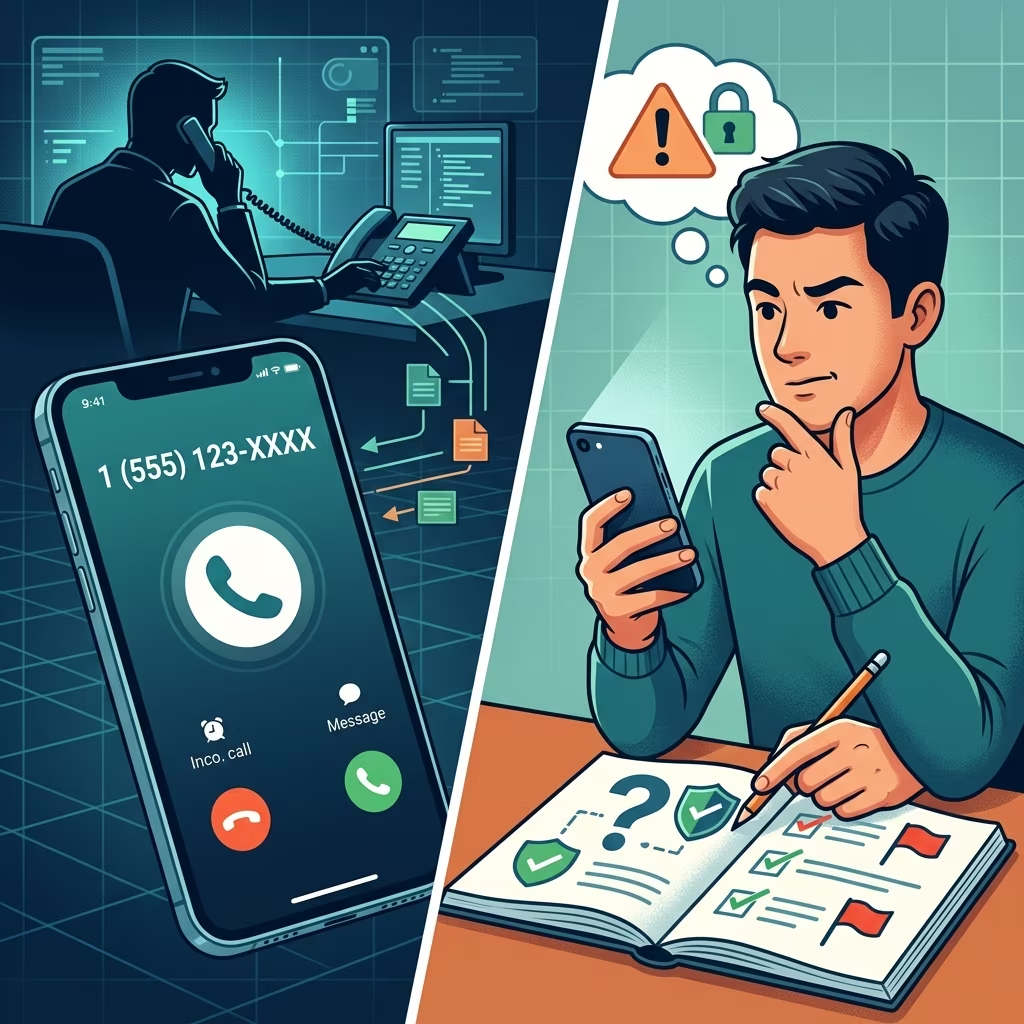
Neighbor spoofing is a specific form of caller ID spoofing in which scammers alter the phone number shown on your screen to resemble your own number or one from your local area code and prefix. The call may appear to come from:
- A number with the same area code and first three digits as your phone number.
- A nearby town or city that you recognize.
- A number labeled as a local business, doctor, or service provider.
In reality, the call is often placed using internet-based telephony or automated dialing systems that can easily send fake caller ID information through the network.
How Caller ID Spoofing Makes Neighbor Spoofing Possible
To understand neighbor spoofing, it helps to know the basics of caller ID spoofing. Caller ID spoofing is a technique where the caller sends false information to the telephone network so that the recipient sees a falsified caller ID instead of the caller’s true number.
Common technologies used to spoof caller ID include:
- VoIP services that allow custom caller ID settings and bulk robocalls.
- Automated dialers that generate sequences of numbers similar to targets’ phone numbers.
- Access to telephone signaling systems and specialized equipment that can inject fake caller ID data.
Because caller ID was designed primarily for convenience rather than security, it is relatively easy to manipulate. That makes it a useful tool for scammers seeking to build false trust and get people to answer calls they would otherwise ignore.
Why Scammers Use Local-Looking Numbers
Neighbor spoofing exploits natural human behavior. People are more likely to answer calls when they:
- Recognize the area code as their own or nearby.
- Assume a call might be from a neighbor, local school, or medical office.
- Think the call might relate to a delivery, appointment, or urgent local issue.
By mimicking local numbers, scammers increase answer rates and create a sense of familiarity or urgency. The goal is to start a conversation, gather personal details, or pressure the victim into making payments or sharing sensitive information.
Typical Neighbor Spoofing Scenarios
Neighbor spoofing calls can take many forms, but a few patterns are especially common:
- Robocalls with prerecorded messages: Automated voices may claim to represent a government agency, utility company, or bank, often threatening legal action or service termination unless you respond immediately.
- Impersonation of local businesses: The caller ID may display the number of a medical office, insurance agent, or delivery service to make requests for payment or personal information appear legitimate.
- Short “one-ring” or missed calls: Scammers may hang up quickly, hoping you will call back. Returning such calls can confirm that your number is active, increasing future spam.
- Mirroring your own number: In some cases, your exact phone number appears as the incoming caller ID, creating confusion and prompting you to answer or attempt to call back.
Common Warning Signs During the Call
Once you answer, there are often clear indicators that a neighbor spoofing call is not legitimate:
- Urgent or threatening language: The caller claims immediate action is required to avoid penalties, arrest, or service disruption.
- Requests for sensitive information: They ask for Social Security numbers, bank account details, credit card numbers, or authentication codes.
- Pressure to pay quickly: Scammers may demand payment via wire transfer, prepaid card, cryptocurrency, or mobile payment service, often insisting you do not hang up.
- Lack of prior contact: There is no logical reason for the call, no previous letters or emails, and no clear explanation of how they obtained your number.
Legal Context: Is Neighbor Spoofing Illegal?
In the United States, caller ID spoofing itself is not always illegal, but it becomes unlawful when used to defraud, cause harm, or obtain something of value without authorization. Federal law prohibits transmitting misleading or inaccurate caller ID information with fraudulent intent, and enforcement agencies can take action against violators.
Regulators and phone carriers have introduced measures such as authentication frameworks and call labeling to help identify and reduce illegal spoofing, but these tools do not eliminate all scam calls. As a result, individual consumers still need to pay close attention to suspicious calls and practice self-protection.
Neighbor Spoofing vs. Other Phone Scams
| Scam Type | Main Technique | Caller ID Appearance | Primary Goal |
|---|---|---|---|
| Neighbor spoofing | Local-looking numbers used to increase answer rates. | Same or similar area code and prefix as your number. | Gain trust, collect data, or pressure quick payments. |
| Generic robocalls | Bulk automated dialing with prerecorded messages. | May be random, blocked, or obviously out-of-area. | Sell products, services, or conduct phishing campaigns. |
| Caller ID spoofing (broad) | Any falsification of caller ID information. | Could mimic government, businesses, or individuals. | Impersonation, fraud, or misleading solicitations. |
| Legitimate masked calls | Businesses using one central outgoing number. | Number may be unfamiliar but traceable to a real entity. | Customer service, reminders, or marketing. |
Practical Steps to Protect Yourself
While you cannot fully stop neighbor spoofing attempts, you can reduce risk by changing how you handle unexpected calls and configuring your devices more carefully.
Be Selective About Answering Calls
- Allow calls from unknown local numbers to go to voicemail when possible.
- If the caller does not leave a message, treat the call as non-urgent.
- Do not return missed calls from suspicious numbers simply to see who it was.
Use Call Blocking and Filtering Tools
Many carriers and smartphone operating systems offer tools to reduce unwanted calls:
- Enable built-in spam and robocall filtering features on your device.
- Consider reputable call-blocking apps that can identify likely scams and prevent them from ringing your phone.
- Ask your phone carrier about additional network-based protections or labeling services.
Limit Sharing of Personal Information Over the Phone
Even harmless-sounding details can be combined to build a profile for fraud. To stay safer:
- Refuse to provide sensitive data (such as Social Security numbers, bank details, or one-time passcodes) to unsolicited callers.
- If someone claims to represent a government agency, bank, or service provider, hang up and call the organization back using an official number from your card, bill, or website.
- Verify any payment request through a known channel before proceeding.
Register With Do Not Call Lists
National Do Not Call registries are not a complete solution, but they can reduce legitimate telemarketing calls and make scam calls easier to spot.
- In the U.S., add your number to the National Do Not Call Registry.
- In Canada, register with the National Do Not Call List.
- Remember that many illegal robocallers ignore these rules, so you still must screen calls carefully.
What to Do If Your Own Number Is Being Spoofed
In some cases, scammers use your exact phone number as the caller ID displayed to other people. You may then receive confused or angry return calls asking why you called.
If you suspect your number is being misused:
- Calmly explain to callers that your number has likely been spoofed and you did not initiate the call.
- Ask your phone carrier whether they offer tools to monitor or mitigate spoofing associated with your line.
- Document repeated incidents in case you need to show a pattern of misuse when reporting to regulators.
Reporting Neighbor Spoofing and Scam Calls
Reporting scam calls helps enforcement agencies track patterns and take action against major offenders.
- In the U.S., you can report unwanted or fraudulent calls to the Federal Trade Commission (FTC) through its complaint systems.
- Consumer organizations and watchdog groups often maintain tools, such as scam trackers, where you can log details about suspicious calls.
- Keep records of the numbers used, the approximate time and date, and any information the caller tried to obtain.
Frequently Asked Questions About Neighbor Spoofing
Is every local call a neighbor spoofing scam?
No. Many legitimate businesses, schools, and medical offices use local numbers. However, because scammers also imitate local caller IDs, treat any unexpected call with caution and verify the identity of the caller before sharing personal information.
Can I stop neighbor spoofing completely?
There is currently no way for an individual consumer to fully block neighbor spoofing. Regulatory efforts and carrier-level technologies reduce some illegal spoofing, but scammers adapt quickly. Your best defense is adjusting how you respond to unfamiliar calls, using call-blocking tools, and consistently avoiding the disclosure of sensitive data.
Why do I get more scam calls after answering one?
Scammers often maintain lists of active numbers. When you answer or return a call, your number may be flagged as responsive, making it more likely to receive additional scam or robocalls in the future. Ignoring suspicious calls and letting them go to voicemail can reduce that reinforcement.
What should I do if a caller claims to be from my bank or a government agency?
End the call and contact the institution directly using an official phone number from your card, statement, or website. Do not rely on caller ID or numbers provided during the call. Authentic organizations accept that you may want to verify their identity and will not pressure you to bypass official channels.
Is it safe to use call-blocking apps?
Many reputable apps and carrier services provide valuable protection, though none are perfect. Before installing any app, review its privacy policy, user reviews from credible sources, and permissions it requests. Whenever possible, begin with tools provided by your phone’s operating system or carrier, then consider additional services if needed.
References
- BBB Scam Alert: “Neighbor spoofing” is a common type of phone scam — Better Business Bureau. 2019-01-28. https://www.bbb.org/article/news-releases/16670-a-new-kind-of-phone-scam-neighbor-spoofing
- What is neighbor spoofing, and how can you stop it? — ExpressVPN. 2023-08-03. https://www.expressvpn.com/blog/neighbor-spoofing/
- Caller ID spoofing — Wikipedia (referencing telephony and regulatory sources). 2024-03-01. https://en.wikipedia.org/wiki/Caller_ID_spoofing
- Understanding Spam Calls / Caller ID Spoofing — Verizon. 2024-02-15. https://www.verizon.com/support/knowledge-base-218765/
- The Neighbour Spoofing Phone Scam — Iris Powered by Generali (GEICO Identity Protection). 2021-07-20. https://geico.idprotectiononline.com/support/prevention-tips/article-group-avoid-scams-us/the-calls-coming-from-inside-the-house-the-neighbor-spoofing-scam