
Ag-Gag Laws: 6 States, Court Rulings, And Public Health 2025
Exploring the origins, provisions, legal battles, and impacts of ag-gag laws on free speech and animal welfare.
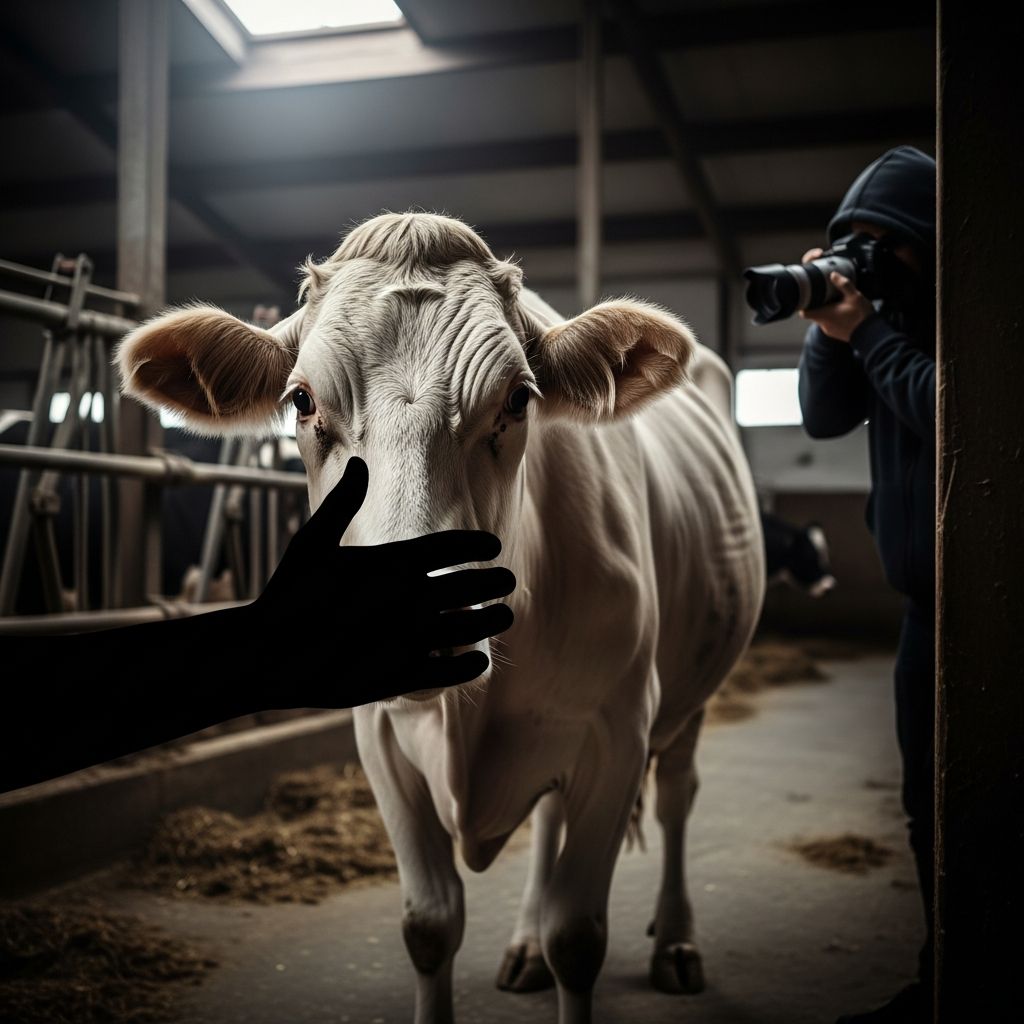
Ag-gag laws represent a contentious intersection of property rights, free speech, and animal welfare in the United States. These statutes aim to prevent unauthorized recordings and investigations at agricultural facilities, primarily factory farms, but they have sparked fierce debates over constitutional rights and public transparency.
The Historical Development of Ag-Gag Legislation
The roots of ag-gag laws trace back to the early 1990s amid concerns over ecoterrorism and property damage in agricultural settings. Kansas pioneered the approach in 1990 with the Farm Animal and Field Crop and Research Facilities Protection Act, criminalizing trespass for the purpose of capturing images or videos intended to harm the enterprise. This initial focus on physical interference evolved over time.
By the 2010s, the emphasis shifted toward curbing undercover journalism and activism. States like Iowa, Missouri, Utah, and South Carolina enacted measures in 2012 targeting false pretenses for employment and delayed reporting of recordings. This resurgence coincided with high-profile exposés by animal rights groups revealing alleged abuses in industrial farming, prompting the industry to seek legislative shields.
The American Legislative Exchange Council (ALEC) has played a role in promoting model legislation that prioritizes unrestricted agricultural commerce, influencing bills that expand penalties beyond traditional trespass. Today, these laws balance economic interests against demands for accountability in livestock production.
Core Components of Ag-Gag Statutes
Ag-gag laws typically fall into three categories, each designed to deter investigations without owner consent.
- Agricultural Interference Provisions: These ban recording audio, video, or images inside factory farms or processing plants without permission. Violators face fines or misdemeanor charges.
- Agricultural Fraud Measures: Aimed at undercover employees, these criminalize gaining access or employment through deception, even if no damage occurs.
- Rapid-Reporting Requirements: Investigators must surrender footage to authorities within 24-48 hours, limiting time for public dissemination or verification.
Penalties vary: fines from $500 to $5,000 per day, potential felonies for repeat offenses, and in some cases, triple damages for economic losses. Washington State’s pending bill exemplifies this, tying liability to verifiable harm.
State-by-State Landscape of Enacted and Proposed Laws
Six states currently enforce ag-gag laws, while others have seen introductions or failures. The table below summarizes key examples:
| State | Status | Key Provisions | Year Enacted/Struck Down |
|---|---|---|---|
| Iowa | Enacted (Struck Down) | False pretenses for employment; recording bans | 2012 / 2017 |
| Utah | Enacted (Struck Down) | Recording without consent; employment fraud | 2012 / 2017 |
| Arkansas | Enacted (Under Challenge) | Deception for access; civil penalties | 2017 / Challenged 2022 |
| South Dakota | Enacted | Deception for access/employment; surveillance devices | 2025 |
| Texas | Enacted | Unauthorized recording and sampling | 2021 |
| Montana | Enacted | Interference with agricultural operations | 2021 |
Proposals have surfaced in over half of state legislatures, often failing amid outcry from free speech advocates. Arizona, Missouri, and Washington have seen repeated attempts.
Constitutional Challenges and Court Rulings
Ag-gag laws face robust First Amendment scrutiny, with courts frequently ruling them unconstitutional. In 2017, a U.S. District Court in Utah invalidated the state’s law, finding it targeted protected speech like newsgathering without serving compelling interests. Similar outcomes struck down Iowa’s statute for unduly burdening journalists.
The 8th Circuit revived challenges to Arkansas’ law in 2022, highlighting ongoing litigation. Critics argue these laws create a ‘chilling effect’ on whistleblowers, suppressing evidence of animal cruelty, worker safety violations, and food safety risks. Proponents counter that they safeguard private property, but judges have prioritized speech rights.
Effects on Animal Welfare and Investigative Journalism
By punishing undercover work, ag-gag laws hinder exposés that have led to prosecutions for abuse. Groups like the Animal Legal Defense Fund argue they protect cruelty, as footage has prompted reforms and charges. Without such investigations, systemic issues in factory farms—crowding, mutilations without anesthesia—remain hidden.
Journalists and activists rely on these methods for public interest reporting, akin to traditional undercover stings. Laws forcing rapid disclosure disrupt verification processes, potentially allowing facilities to destroy evidence.
Public Health and Food Safety Ramifications
Beyond animals, ag-gag laws impact human health. Industrial food animal production (IFAP) links to antibiotic resistance, pathogen outbreaks, and community pollution. Suppressing footage obscures violations like improper waste management or diseased livestock entering the food chain.
Occupational hazards for farmworkers, including injuries and chemical exposure, also evade scrutiny. A 2020 analysis warned of a ‘chilling effect’ on research and reporting, potentially endangering consumers.
Industry Perspective: Defending Agricultural Operations
Farmers view ag-gag laws as vital against activist infiltration aimed at economic sabotage. Secret recordings, often edited, fuel public backlash and boycotts, harming livelihoods. Groups assert that legal cruelty reporting channels exist, making deception unnecessary.
In an era of biosecurity threats, these laws prevent unauthorized access that could spread disease, echoing 1990s bioterrorism fears.
Future Directions and Policy Debates
With court losses mounting, proponents refine bills to withstand scrutiny, focusing on intent to harm. Advocates for transparency push alternatives like whistleblower protections without deception. Nationally, federal oversight remains limited, leaving states to navigate tensions.
Emerging tech like drones poses new challenges, prompting expanded surveillance bans. Public opinion, swayed by viral videos, pressures lawmakers toward openness.
Frequently Asked Questions
What exactly do ag-gag laws prohibit?
They generally ban unauthorized recording, employment via deception, and delayed reporting of farm footage.
Which states have active ag-gag laws?
As of 2025, states like South Dakota, Texas, Arkansas, Idaho, Montana, and North Carolina maintain versions, though some face challenges.
Have courts upheld any ag-gag laws?
Many have been struck down; Arkansas’ is under appeal, but most federal rulings favor free speech.
Do these laws affect food safety inspections?
Indirectly yes, by limiting whistleblower evidence that could alert regulators to contamination risks.
Can journalists still investigate farms legally?
With consent or from public areas, yes; undercover methods are restricted in ag-gag states.
Balancing Rights in Modern Agriculture
Ag-gag laws underscore America’s struggle to reconcile privacy in private enterprise with the public’s right to know about food production. As litigation continues, the evolution of these statutes will shape transparency in an industry feeding millions.
References
- Overview of Ag-gag Laws — Animal Legal & Historical Center. 2023. https://www.animallaw.info/article/overview-ag-gag-laws
- What Is Ag-Gag Legislation? — ASPCA. 2025. https://www.aspca.org/improving-laws-animals/public-policy/what-ag-gag-legislation
- What is an “Ag-Gag” Law? — Southern Ag Today. 2023-03-31. https://southernagtoday.org/2023/03/31/what-is-an-ag-gag-law/
- An overview of ”ag-gag” laws — Reporters Committee for Freedom of the Press. 2023. https://www.rcfp.org/journals/overview-ag-gag-laws/
- “Ag-Gag” Laws: Evolution, Resurgence, and Public Health Implications — PMC / National Library of Medicine. 2020. https://pmc.ncbi.nlm.nih.gov/articles/PMC7195182/
Similar Articles








Read full bio of Sneha Tete




