
Understanding Adoption in Prince Edward Island
A practical guide to how adoption works in Prince Edward Island, for both people placing a child and those hoping to adopt.
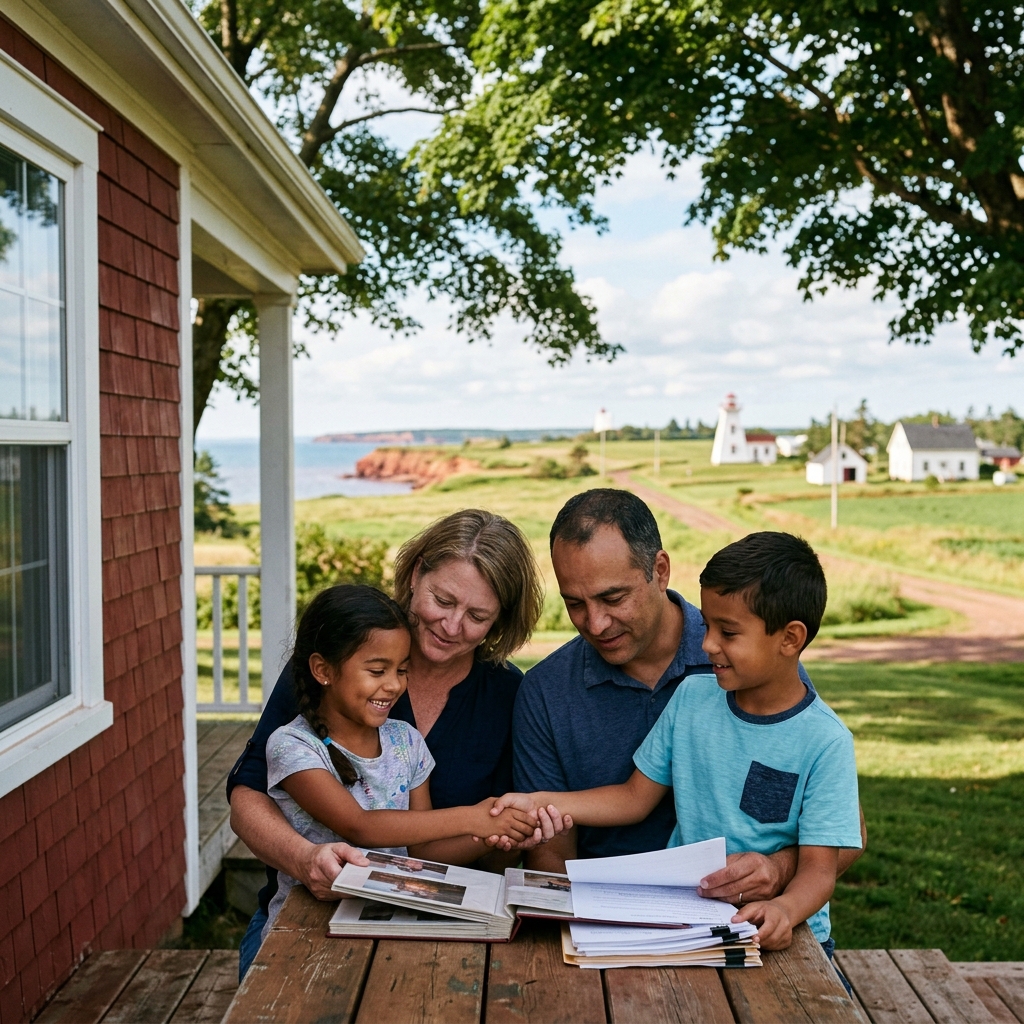
Adoption is a legal process that permanently creates a new parent–child relationship. In Prince Edward Island (PEI), adoption is governed by provincial law and supervised by government authorities to ensure that every decision puts the child’s best interests first. Adoption changes who is recognized as a child’s legal parent, and it affects rights, responsibilities, inheritance, and day‑to‑day caregiving.
This guide explains how adoption works in PEI for people who want to adopt and for birth parents considering placing a child. It focuses on core legal principles, typical steps in the process, and practical issues families often face before and after an adoption.
1. Core Principles of Adoption in PEI
PEI’s adoption system is built around several key ideas that shape every decision by social workers, lawyers, and judges.
- Best interests of the child – The child’s safety, stability, and long‑term well‑being are the priority in every adoption decision.
- Legal permanence – Adoption permanently transfers parental rights and obligations from birth parents to adoptive parents.
- Regulated process – Only arrangements allowed under the Adoption Act are legal; private deals outside the law are not allowed.
- Protection against pressure – It is unlawful to force, threaten, or pay someone to place a child for adoption.
- Respect for family connections – When possible and safe, relative and kinship placements are considered to preserve family ties.
Because adoption is permanent, the law requires careful screening of adoptive families and informed consent from birth parents whenever possible.
2. Who Oversees Adoption in PEI?
Adoption in PEI involves both government agencies and the courts.
- Adoption Services (Child and Family Services) – A branch of the provincial Department of Social Development and Seniors that handles public adoptions, assesses adoptive applicants, and supports birth parents considering adoption.
- Director of Child Protection – The official responsible for licensing private adoption agencies, issuing permits for certain family placements, and overseeing child protection matters related to adoption.
- Authorized social workers – Professionals who assess adoptive parents, provide counselling to birth parents, and prepare reports for the court.
- Courts – Only a judge can issue an adoption order, which is the final document that legally completes the adoption.
All of these actors work within the framework of PEI’s Adoption Act and related regulations.
3. Different Paths to Adoption
Under PEI law, only certain types of adoption arrangements are allowed. Each path has its own process and requirements, but all must follow provincial legislation.
3.1 Public (Government) Adoption
Public adoption involves children who are in the care or custody of the province, often because of child protection concerns.
- Children may be placed in foster care before adoption.
- The province seeks permanent families for children who cannot safely return to their birth parents.
- Adoptive parents are screened and matched by Adoption Services.
In public adoptions, the government is deeply involved in planning, matching, and post‑adoption support.
3.2 Licensed Private Adoption
Private adoptions must be arranged by a person or agency licensed by the Director of Child Protection. Typical features include:
- Birth parents voluntarily planning adoption for their child.
- Matching with a family who has been assessed and approved.
- Independent legal advice and social work support for both sides.
Private adoptions are still regulated: informal agreements that bypass licensed professionals and legal requirements are prohibited.
3.3 Relative and Kinship Adoption
PEI law allows birth parents to plan an adoption to certain relatives through a special permit from the Director of Child Protection.
- The child may be adopted by grandparents, aunts, uncles, or other relatives if they meet legal criteria.
- Birth parents must apply for a permit and complete counselling.
- An authorized social worker assesses the proposed adoptive family.
Relative adoptions are often used when birth parents want the child to remain within the extended family while still gaining stability and permanence.
3.4 Intercountry (International) Adoption
When a child is adopted from another country into PEI, there are two processes:
- the adoption process in the child’s country and in PEI; and
- the immigration or citizenship process so the child can legally enter and live in Canada.
International adoptions must follow:
- PEI’s adoption legislation;
- federal immigration law; and
- the sending country’s adoption laws and any international agreements (such as the Hague Convention on Intercountry Adoption).
3.5 Adult Adoption
In Canada, many provinces, including PEI, allow adoption of adults under certain conditions. Adult adoption usually involves:
- a long‑standing parent–child type relationship, and
- a reasonable age gap between the person adopting and the person being adopted.
The adult being adopted must consent, and the court considers whether the adoption is appropriate and in that person’s interests.
4. Who Can Adopt in Prince Edward Island?
PEI has eligibility criteria for people who wish to adopt. While specific details can change over time, common requirements include:
- being a Canadian citizen or permanent resident;
- being a resident of PEI and at least 18 years old; and
- having a home environment that can provide a safe and healthy setting for a child.
Adoptive applicants must also complete mandatory education and a home study assessment before they can be approved.
| Factor | What Authorities Look For |
|---|---|
| Age | Minimum age 18; sufficient maturity and stability to parent long‑term. |
| Residency | Living in PEI and available for home visits and local support services. |
| Citizenship/Status | Canadian citizen or permanent resident so the child’s legal status is secure. |
| Home Environment | Safe, suitable living space and stable lifestyle. |
| Health & Finances | Physical and emotional capacity to parent and adequate financial resources. |
5. Preparing to Adopt: Training and Home Study
Before a child can be placed, prospective adoptive parents go through a structured preparation process.
5.1 Adoption Preparation Training
Pre‑adoption education helps families understand the realities of adoption, including:
- attachment and bonding;
- trauma, loss, and grief from the child’s perspective;
- openness and maintaining safe connections with birth family when appropriate; and
- the legal and lifelong nature of adoption.
Training also gives applicants space to consider whether adoption is truly right for them and what type of child they can realistically support.
5.2 Home Study Assessment
A home study is a detailed evaluation that every adoptive family must complete.
An authorized social worker will typically:
- visit the family home several times;
- interview all household members;
- review health, financial, and personal background information; and
- obtain criminal record and child abuse registry checks.
The goal is not to find a “perfect” family but to ensure the child will be safe and that the family understands the responsibilities they are taking on.
6. Rights and Responsibilities of Birth Parents
Birth parents play a central role in many adoption plans, particularly when they are voluntarily considering adoption for their child.
6.1 Counselling and Information
Before choosing adoption, birth parents are strongly encouraged—and in some types of adoption required—to meet with an authorized social worker.
Counselling can cover:
- alternatives to adoption, such as parenting with supports, temporary care, or kinship care;
- emotional impact of adoption and grief;
- legal consequences of adoption, including loss of parental rights; and
- options for openness or ongoing contact, if appropriate.
6.2 Consent to Adoption
Adoption cannot proceed without proper legal consent, unless a court decides to dispense with consent under specific circumstances set out in law.
- Birth parents usually sign formal consent documents after counselling and a waiting period determined by law.
- Consent must be informed and voluntary; coercion or payment is prohibited.
- Once an adoption order is made, the birth parents’ legal rights and responsibilities generally end.
7. Legal Steps in the Adoption Process
The legal part of adoption is what makes the new family relationship fully recognized under law. While details vary depending on the type of adoption, the general steps include:
7.1 Matching and Placement
- The child is matched with an approved adoptive family that can meet their needs.
- There may be transition visits before the child moves in permanently.
- The family may have a supervision period where a social worker monitors how the placement is going.
7.2 Pre‑Hearing Study or Report
Before the court hearing, an authorized social worker prepares a written report for the judge.
- This report describes the child’s situation, the adoptive family’s background, and how the placement serves the child’s best interests.
- It may include information about the child’s needs, the family’s parenting plan, and any ongoing contact arrangements with birth relatives.
7.3 Role of Lawyers
Because adoption has major legal consequences, legal advice is important.
- Birth parents often have their own lawyer to explain rights and consent documents.
- Adoptive parents usually hire a lawyer to prepare the court application and review agreements.
7.4 Court Hearing and Adoption Order
The adoption is completed by a judge making an adoption order.
- The judge reviews the social worker’s report, consent forms, and legal documents.
- The primary test is whether the adoption is in the child’s best interests.
- If satisfied, the judge issues an order that legally makes the child a member of the adoptive family.
After the order:
- the adoptive parents are recorded as the child’s parents on the birth registration or a new registration;
- the child generally gains the same rights as any child born to those parents, including inheritance rights; and
- the adoption is typically permanent and cannot be undone except in very rare circumstances.
8. Life After Adoption: Records, Supports, and Openness
Adoption does not end when the court process is over. Children and families may need support and information over many years.
8.1 Post‑Adoption Supports
Across Canada, adoptive families may access different kinds of assistance, especially when adopting children from the public system.
- Financial assistance – In some cases, subsidies may help cover ongoing costs for children with higher needs or for sibling groups.
- Service support – Access to counselling, therapy, respite care, or specialized services during and after adoption.
- Parental or adoptive leave – Job‑protected time off for adoptive parents to bond with their child, often combined with federal employment insurance benefits.
The exact supports available in PEI may change over time, so families should check with provincial Adoption Services and federal benefit programs for current details.
8.2 Adoption Records and Information
Many adopted people and birth relatives later want information about each other. PEI, like other provinces, has laws and policies about who can access adoption records, when, and under what conditions. These rules balance privacy with the importance of identity, medical history, and family connections.
Options may include:
- requesting non‑identifying information about birth or adoptive families;
- search and reunion services through designated provincial services; and
- voluntary contact registers, where parties can indicate if they are open to contact.
8.3 Open and Semi‑Open Arrangements
Modern adoptions often include some level of openness, ranging from the exchange of letters through intermediaries to ongoing visits, when this supports the child’s well‑being.
- Openness can help a child maintain a sense of identity and connection to their origins.
- Any openness arrangement must be safe, child‑focused, and workable for everyone involved.
- Some aspects may be documented in agreements, but enforceability depends on provincial law and court decisions.
9. Frequently Asked Questions About Adoption in PEI
What law governs adoption in Prince Edward Island?
Adoption in PEI is primarily governed by the provincial Adoption Act and related regulations. Other laws, such as child protection legislation, federal immigration rules (for international adoptions), and vital statistics laws, can also apply.
Can someone arrange an adoption privately without going through authorities?
No. PEI law only allows adoptions that fall within specific legal routes, such as public adoption, licensed private adoption, or permitted relative placements. Informal transfers of custody or payments in exchange for a child are prohibited and may be illegal.
Do adoptive parents have the same rights as birth parents?
Yes. Once an adoption order is made, adoptive parents are treated as the child’s parents for all legal purposes, and the child generally has the same status as a biological child in that family.
Is there financial help for adoptive families?
In public adoptions, some provinces and territories, including PEI, may offer subsidies or assistance, especially for children with complex needs or sibling groups. Federal tax credits and employment insurance benefits may also be available to adoptive parents.
Can adults be adopted in PEI?
Yes. Canadian legal resources indicate that PEI permits adult adoption, usually where there is a parent‑like relationship and an appropriate age difference between the parties. The adult being adopted must consent, and the court must be satisfied that the adoption is appropriate.
How long does the adoption process take?
Timeframes vary widely depending on the type of adoption, the child’s needs, and the complexity of the case. Steps such as training, home study, matching, supervision, and court hearings can take many months or longer. Because procedures and wait times change, prospective parents should contact PEI Adoption Services or a licensed agency for current information.
Where can I get more information or start the process?
People living in PEI who are interested in adoption or considering placing a child can contact provincial Adoption Services or community legal information organizations for up‑to‑date guidance, referrals, and resources.
References
- Adoption — Government of Prince Edward Island, Department of Social Development and Seniors. 2023-05-01. https://www.princeedwardisland.ca/en/information/social-development-and-seniors/adoption
- Adoption – Community Legal Information — Community Legal Information (PEI). 2023-04-01. https://legalinfopei.ca/information/resource/adoption
- Adoption — Government of Prince Edward Island, Topic Page. 2023-05-01. https://www.princeedwardisland.ca/en/topic/adoption
- How can you adopt a child, and what does the process look like? — Community Legal Information (PEI) video transcript. 2022-10-01. https://www.facebook.com/legalinfopei/videos/how-can-you-adopt-a-child-and-what-does-the-process-look-likeadoption-is-a-legal/1457676089289551/
- Adoption Policies Across Canada — Cardus. 2020-11-10. https://www.cardus.ca/research/adoption-policies-across-canada/
- Prince Edward Island Adoption Assistance Program — Families Rising. 2022-01-15. https://wearefamiliesrising.org/adoption-assistance/prince-edward-island-adoption-assistance-program/
- Adult Adoption Law in Canada — Adopting Back. 2017-06-01. https://adoptingback.com/adopting-back/canada-adult-adoption-law/
Similar Articles








Read full bio of Sneha Tete


