
When Undergarments Cause Injury: Legal Claims and Consumer Rights
Explore how defective bras have led to significant personal injury lawsuits and what consumers need to know.
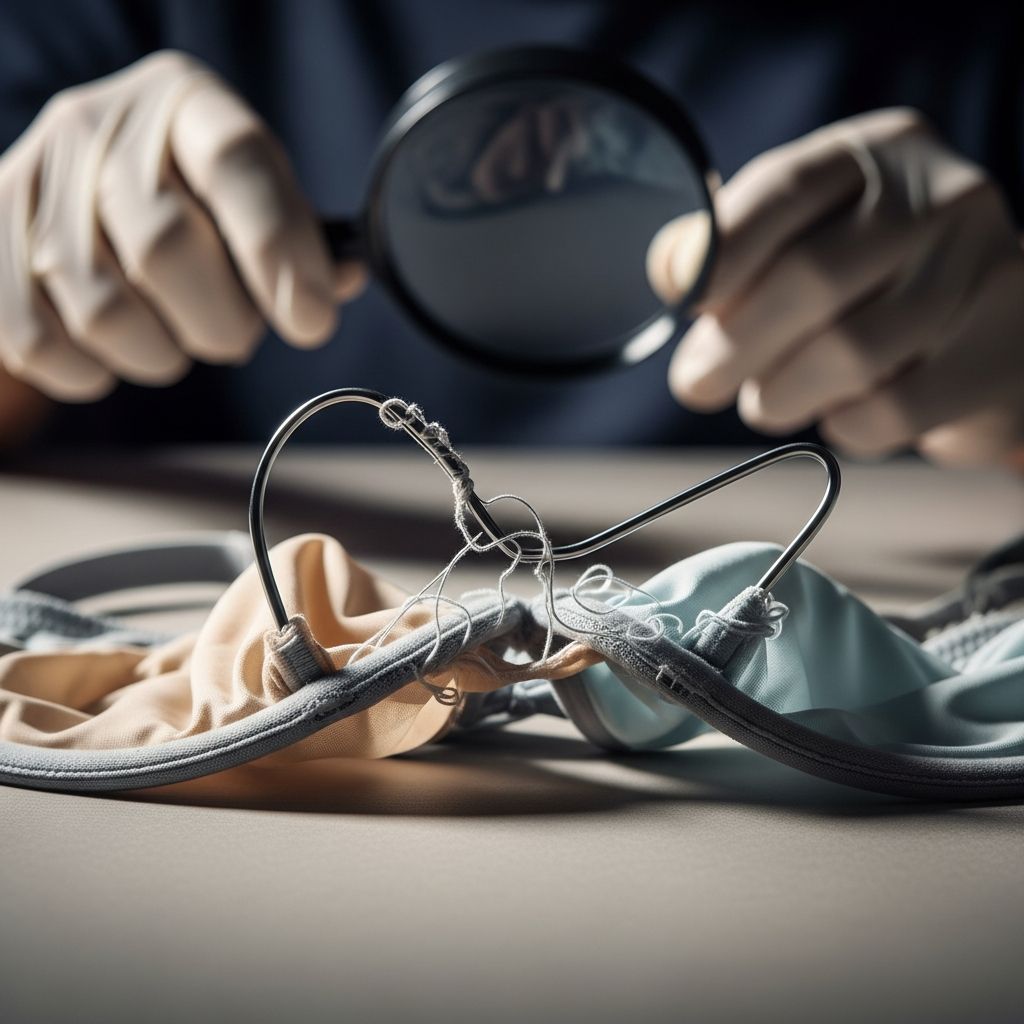
Understanding Product Liability in Intimate Apparel
When a consumer purchases clothing, particularly intimate garments like bras, there is an implicit expectation that the product will not cause physical harm. However, there are documented cases where defective bras have resulted in severe dermatological injuries, leading to significant legal disputes. The intersection of product liability law and personal injury claims creates a complex framework for determining manufacturer responsibility when intimate apparel causes damage to the wearer’s skin and overall health.
Product liability encompasses three primary legal theories: negligence, strict liability, and breach of warranty. In cases involving defective intimate garments, manufacturers can be held accountable if their products fail to meet safety standards or contain harmful substances. The presence of allergenic chemicals or manufacturing defects that cause skin irritation, welts, hives, or permanent scarring may constitute grounds for legal action against the brand.
Chemical Contaminants and Manufacturing Defects
One of the most critical issues in recent litigation involving intimate apparel concerns the presence of chemical contaminants. Laboratory testing of certain bra models has revealed the presence of formaldehyde, a chemical commonly used in textile manufacturing as a preservative and wrinkle-resistant agent. While legitimate industrial purposes exist for this substance, when formaldehyde exceeds safe exposure levels or remains in finished products without proper disclosure, it can trigger severe allergic reactions in sensitive individuals.
Manufacturing defects may occur through several mechanisms:
- Inadequate quality control during production processes
- Failure to properly remove or neutralize chemical residues before distribution
- Use of contaminated raw materials or fabric sources
- Improper storage conditions that introduce harmful substances into finished products
- Absence of safety testing protocols before products reach consumers
When manufacturers fail to implement rigorous safety measures or quality assurance procedures, the resulting injuries to consumers may support claims for damages. Courts have recognized that companies have a duty to ensure their products are safe for their intended use, particularly when such products will have direct contact with sensitive skin areas.
Documented Cases and Injury Patterns
Real-world litigation provides insight into the types of injuries consumers have experienced from defective intimate apparel. Documented cases describe severe dermatological reactions including blistering welts, persistent itching that disrupts sleep, hives, redness, inflammation, and in some instances, permanent scarring that affects the affected areas long after product cessation.
Victims have reported experiencing symptoms that are “red hot to the touch, burning and itching,” along with welts described as “very inflamed” and “blistery.” These symptoms often develop relatively quickly after wearing the affected garments and can persist or worsen with continued exposure. The severity and immediacy of these reactions suggest allergic responses rather than typical minor irritation, strengthening the case that such products are defective or dangerous.
Multiple consumers have reported similar injury patterns associated with specific product lines, suggesting these are not isolated incidents but rather systematic product failures. When numerous individuals experience comparable harm from the same product model or manufacturer, this pattern evidence becomes valuable in establishing that the defect is inherent to the product design or manufacturing process rather than user error or individual sensitivity.
Legal Standards for Establishing Manufacturer Liability
To successfully pursue a personal injury claim against a manufacturer, plaintiffs typically must demonstrate one or more of the following:
- The product contained a dangerous defect or harmful substance at the time of sale
- The manufacturer knew or should have known about the defect
- The manufacturer failed to warn consumers about potential risks
- The defect was the direct cause of the plaintiff’s injuries
- The plaintiff suffered quantifiable damages as a result of using the product
In cases involving chemical contaminants in intimate apparel, plaintiffs can argue that laboratory evidence of harmful substances proves the defect existed at the time of purchase. Furthermore, if the manufacturer made public statements denying the presence of such chemicals while evidence suggests otherwise, this inconsistency strengthens liability claims.
Medical documentation becomes essential in establishing causation. When a physician diagnoses an allergic reaction that correlates with exposure to a known allergen found in the product, this creates a clear nexus between the defective item and the injury sustained. The specificity of the reaction to the product exposure, combined with medical evidence, substantially supports plaintiff claims.
Class Action Considerations and Collective Remedies
When multiple consumers experience similar injuries from the same defective product, class action lawsuits become viable mechanisms for seeking justice and compensation collectively. Class actions allow numerous injured individuals to consolidate their claims, reducing litigation costs for each participant and providing manufacturers with incentive to resolve cases efficiently.
Class certification requirements typically include demonstrating that:
- Numerous individuals suffered similar injuries from the same product
- Common legal questions predominate over individual issues
- Class representatives adequately represent all group members
- Class action provides the superior mechanism for resolving disputes
In situations where dozens or hundreds of consumers report comparable dermatological injuries from specific bra models, courts often find these prerequisites satisfied. Class actions can encompass individuals seeking compensation for medical expenses, pain and suffering, lost wages due to medical treatment or recovery time, and in severe cases, permanent disfigurement or scarring damages.
Types of Compensatory Damages Available
Individuals injured by defective intimate apparel may pursue various categories of damages. Medical expenses represent a foundational component, encompassing costs for emergency room visits, dermatological consultations, prescription treatments, topical medications, and ongoing medical care required to address injuries or complications.
Pain and suffering damages account for physical discomfort experienced during the acute injury phase and any chronic pain that persists. When injuries disrupt sleep patterns, as documented in some cases, this sleep deprivation itself constitutes compensable harm affecting quality of life and overall wellness.
Permanent scarring or disfigurement may justify enhanced damages, particularly if the scarring occurs in visible areas affecting the plaintiff’s appearance, confidence, or social functioning. Courts recognize that permanent physical changes carry intrinsic value beyond immediate medical costs.
Lost wages or diminished earning capacity may apply if injuries prevent the individual from working during recovery or if permanent scarring affects employment, particularly in customer-facing positions. Psychological damages related to anxiety about wearing certain clothing or social stigma associated with visible scarring also receive consideration in comprehensive damage calculations.
Manufacturer Defense Strategies and Counterarguments
Manufacturers facing personal injury claims typically advance several defensive arguments. Companies often assert they maintain strict quality control procedures and testing protocols, suggesting that any contamination resulted from storage issues, user mishandling, or independent third-party interference rather than manufacturing failure.
Some manufacturers deny using specific chemicals in their production processes while suggesting that if such substances are present, they derive from raw material suppliers rather than intentional corporate action. This strategy attempts to shift liability upstream in the supply chain.
Manufacturers may also argue that individual allergic sensitivities vary considerably and that products safe for most consumers cannot be deemed defective simply because particular individuals experience adverse reactions. However, this defense weakens significantly when numerous consumers report comparable injuries or when chemical presence exceeds established safety thresholds.
Evidence Collection and Documentation Strategies
Successful personal injury cases involving defective apparel require comprehensive evidence collection. Maintaining the original product packaging, labels, and product itself preserves evidence of manufacturing details and any safety warnings or lack thereof.
Medical documentation should include:
- Photographs of injuries at various stages of development and healing
- Medical records from treating physicians with detailed descriptions of symptoms and diagnoses
- Allergy testing results if performed to identify specific allergens
- Treatment records documenting medications, therapies, and medical costs
- Timeline documentation showing when symptoms appeared relative to product use
Third-party laboratory testing of the product can provide objective evidence of chemical contaminants or manufacturing defects. When independent laboratories detect harmful substances, this evidence carries significant weight in litigation, particularly if it contradicts manufacturer claims.
Communication records with the manufacturer, including complaint submissions, responses, and any refusal to acknowledge problems, can demonstrate corporate awareness of potential issues and unwillingness to take corrective action.
Regulatory Framework and Safety Standards
The intimate apparel industry operates within regulatory frameworks established by government agencies responsible for consumer product safety. Federal regulations establish limits for chemical residues in textiles and require manufacturers to implement safety testing and quality assurance measures.
When products violate established regulatory standards or industry best practices for chemical residue removal, this regulatory noncompliance strengthens personal injury claims. Manufacturers can be cited for violations, and regulatory findings often serve as evidence in subsequent private litigation.
Industry standards for formaldehyde content in finished textiles establish maximum allowable concentrations. Products exceeding these thresholds represent clear regulatory violations and defects. The existence of clear regulatory standards makes it difficult for manufacturers to argue that their products were reasonably safe.
Timeline of Legal Proceedings and Resolution Expectations
Personal injury litigation involving defective products typically progresses through several phases. Initial case filing establishes the legal claim and begins discovery, the process through which both parties exchange evidence and information.
Class certification, when applicable, may require judicial review to determine whether the case meets legal standards for collective litigation. This phase can involve substantial briefing and evidence presentation establishing that numerically sufficient claimants exist with common issues.
Settlement negotiations frequently occur following initial discovery phases when both parties have sufficient information to assess case strength and potential liability exposure. Many defective product cases resolve through settlements rather than trial verdicts, particularly when manufacturers face substantial liability exposure from numerous claimants.
If settlement cannot be reached, trial proceedings involve presentation of evidence, expert testimony regarding product defects and causation, and jury consideration of liability and damages. Trials in defective product cases can extend over weeks or months depending on case complexity and number of claims involved.
Frequently Asked Questions
Q: Can a manufacturer be held liable even if they claim they don’t intentionally use harmful chemicals?
A: Yes. Under strict liability principles, manufacturers can be held responsible for defects that exist in products at the time of sale, regardless of intent. If harmful chemicals are present in finished products distributed to consumers, liability may attach even if the manufacturer denies intentional use of such substances.
Q: What type of medical evidence strengthens a personal injury claim related to bra-induced skin reactions?
A: Medical evidence proving an allergic reaction coinciding with product use substantially strengthens claims. Physician diagnosis of contact dermatitis or chemical sensitivity, combined with symptoms that emerged after wearing the product and resolved upon cessation of use, creates strong causation evidence.
Q: How does joining a class action lawsuit differ from pursuing an individual claim?
A: Class actions consolidate numerous similar claims, reducing individual litigation costs and legal complexity. Individual claims offer more control over the litigation process and potentially higher per-person compensation, though they involve greater personal expense and litigation burden.
Q: What role does independent laboratory testing play in defective product litigation?
A: Independent laboratory analysis of the actual product provides objective evidence of chemical presence or manufacturing defects. This third-party verification carries substantial evidentiary weight and can contradict manufacturer denials of chemical use or presence.
Q: Can consumers recover damages for permanent scarring caused by defective bras?
A: Yes. Permanent scarring constitutes compensable harm, with damages potentially including medical costs for scar revision treatments, pain and suffering, disfigurement damages, and in some jurisdictions, punitive damages if manufacturer conduct was particularly egregious.
References
- Lawsuit claims bras caused rashes, scarring — 6abc Philadelphia. 2024. https://6abc.com/archive/6499478/
- Suit Alleges New Victoria’s Secret Hazard: Bra Rash — ABA Journal. 2024. https://www.abajournal.com/news/article/suit_alleges_new_victorias_secret_hazard_bra_rash
- Victoria’s Secret Sued Over Defective Bras — The Injury Lawyer Directory. 2024. https://the-injury-lawyer-directory.com/victorias-secret-sued-over-defective-bras/
- Consumer Product Safety Commission: Textile Flammability Standards — U.S. Consumer Product Safety Commission. https://www.cpsc.gov/
- Formaldehyde in Textiles: Health Effects and Standards — Occupational Safety and Health Administration. https://www.osha.gov/
Similar Articles








Read full bio of Sneha Tete




