Underage Drinking in the U.S.: Legal Risks and Real-Life Consequences
A practical guide to what really happens when someone under 21 is caught with alcohol, and how to limit the damage.
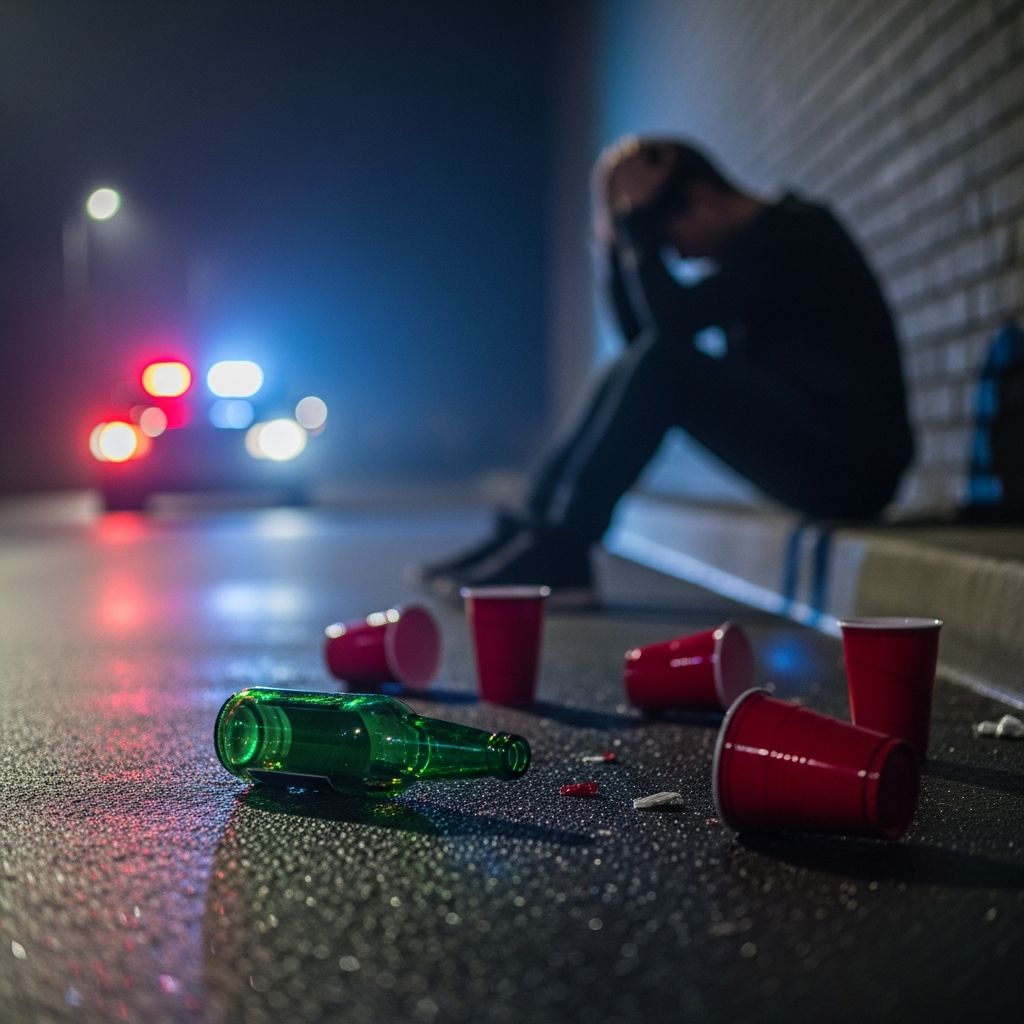
What Really Happens If You’re Caught Drinking Under 21
In the United States, the minimum legal drinking age is 21, set nationwide by the National Minimum Drinking Age Act of 1984, which tied federal highway funds to states’ adoption of age-21 laws. That means nearly every alcohol-related encounter by someone under 21 has potential legal, financial, and academic fallout.
This guide explains, in plain language, what can happen if you are caught with alcohol as a minor, what types of charges are common, how penalties differ among states, and what the long-term consequences can be. It is informational only and not a substitute for legal advice in your specific state.
1. Why Underage Drinking Is Taken So Seriously
Lawmakers treat underage drinking as both a public safety and a public health issue. Each year, thousands of young people die from causes linked to alcohol, including car crashes, homicides, suicides, and alcohol poisoning.
- Roughly 4,000 people under 21 die in the U.S. each year from excessive drinking and its direct or indirect effects.
- Alcohol is involved in a large share of fatal car crashes, assaults, and self-harm among youth.
- Heavy drinking during adolescence can disrupt brain development involved in reasoning, memory, and impulse control.
Because of these risks, states and local governments layer multiple laws and penalties on underage possession, purchase, and use of alcohol, and especially on drinking and driving.
2. Common Charges Minors May Face
The exact label and statute number differ from state to state, but most under-21 drinking cases involve one or more of these charges:
2.1 Minor in Possession (MIP) or Underage Possession
This is one of the most common charges. You can be cited for MIP if you:
- Hold or carry an alcoholic beverage in a public place
- Have alcohol in a vehicle you control
- Possess or consume alcohol at a party or private home (depending on state law)
Some states go further and have “internal possession” laws—making it illegal for a minor simply to have alcohol in their body, even if they are not holding a drink.
2.2 Attempted Purchase or False ID
Trying to buy alcohol underage can lead to separate charges, which may include:
- Attempting to purchase alcohol while under 21
- Using a fake or altered ID
- Lending your ID to someone else so they can buy alcohol
Penalties can include fines, license suspension, and, in some states, criminal misdemeanor charges.
2.3 Public Intoxication or Disorderly Conduct
If alcohol use is paired with disruptive or unsafe behavior—like fighting, disturbing the peace, or being dangerously intoxicated in public—you may be cited for:
- Public intoxication
- Disorderly conduct
- Resisting or obstructing an officer (if you do not comply during the stop)
2.4 Zero-Tolerance DUI (Under-21 Drinking and Driving)
Every state has some form of zero-tolerance drunk-driving law for drivers under 21. These laws often set a blood alcohol concentration (BAC) threshold that is much lower than the 0.08% limit for adults.
- Even a small amount of alcohol in your system can trigger an under-21 DUI or administrative license sanction.
- Consequences usually include immediate license suspension, fines, and possible criminal charges.
3. What to Expect When You’re Stopped or Cited
The process typically follows several stages. The details vary by jurisdiction, but the main steps are similar.
3.1 The Initial Encounter
You might encounter law enforcement in multiple scenarios, such as:
- Police responding to a loud party or noise complaint
- A traffic stop for a moving violation or suspected impaired driving
- Officers patrolling near concerts, sporting events, or college campuses
Officers may ask your age, request identification, and look for evidence of alcohol (containers, odor, slurred speech, balance problems, etc.). If driving, you may be asked to perform field sobriety tests or take a breath test.
3.2 Citation, Detention, or Arrest
Depending on the severity and your state’s laws, several things can happen:
- Written citation or summons requiring you (and sometimes a parent) to appear in court
- Detention or transport to a juvenile facility or police station for processing
- Arrest if additional crimes are alleged (e.g., DUI, fake ID, assault, or property damage)
In many MIP cases, minors are released to a parent or guardian after receiving a citation, but that does not mean the matter is minor or will disappear on its own.
3.3 Court Appearance or Juvenile Proceedings
Most underage drinking matters are handled in:
- Juvenile court if the person is under 18
- Adult criminal or municipal court if the person is 18–20
In court, you may face a range of outcomes, from diversion programs and counseling to fines and license suspension, or even a criminal conviction on your record, depending on the statute and state.
4. Typical Penalties and How They Vary by State
The core federal rule is age 21 for purchase and public consumption, but each state sets its own enforcement scheme and penalties. These can include:
- Fines
- Community service
- Mandatory alcohol education or treatment
- Driver’s license suspension
- Probation or juvenile adjudication
- Criminal misdemeanor convictions
| Type of Penalty | How It Commonly Appears | Potential Impact |
|---|---|---|
| Fines | Flat fine or escalating fines for repeat offenses | Immediate financial cost; may increase with each conviction |
| Community Service | Required volunteer hours, often 20–100+ | Time burden and court monitoring of compliance |
| Alcohol Education | Classes, online courses, or counseling sessions | Completion often required to avoid harsher penalties |
| License Suspension | 90-day to multi-year suspension for repeat offenders | Loss of ability to drive legally; may affect work and school |
| Probation / Juvenile Adjudication | Supervision, check-ins, and behavioral conditions | Violation can lead to additional sanctions or detention |
| Criminal Record | Misdemeanor conviction in some states | Potential long-term impact on jobs, school, and housing |
4.1 State-Level Examples (Illustrative)
While every jurisdiction is different, published summaries of state laws show the range of possible consequences:
- Some states treat underage possession as a misdemeanor punishable by fines, probation, and license suspension.
- Others emphasize graduated penalties, where fines and license suspensions increase with each conviction.
- Zero-tolerance DUI laws often mandate automatic license loss, even for relatively low BAC levels under 0.08%.
Because of this variation, it is important to consult a local attorney if you or your child is charged—what seems like a minor citation in one state can carry serious legal weight in another.
5. Beyond the Ticket: Hidden and Long-Term Consequences
The fine on the citation is only one piece of the total cost. Underage drinking can trigger a chain of longer-term effects.
5.1 Academic and Disciplinary Fallout
Schools and universities often have their own policies on alcohol use and criminal charges:
- Reports of an arrest or citation can lead to school disciplinary hearings.
- Sanctions may include probation, loss of housing, suspension, or in severe cases expulsion.
- College applications and financial aid forms may ask about criminal or disciplinary history; some scholarships can be revoked or denied due to alcohol-related misconduct.
5.2 Employment and Background Checks
A juvenile adjudication or misdemeanor record may show up in certain background checks, depending on sealing or expungement rules in your state. Potential impacts include:
- Difficulty obtaining certain professional licenses or jobs requiring clean records
- Problems with military enlistment or security clearances
- Questions or delays in hiring when alcohol-related offenses appear on a report
5.3 Health and Safety Risks That Outlast the Case
Legal consequences are only part of the story. Underage drinking is linked with:
- Increased risk of alcohol use disorder later in life—the younger someone starts drinking, the higher their risk of dependence.
- Higher rates of injury, violence, and risky sexual behavior, which can have lifelong consequences.
- Negative effects on mental health, including anxiety and depression, especially when alcohol is used to cope.
6. Possible Defenses and Alternative Outcomes
Being cited does not always mean you will be convicted. There may be legal and procedural options, depending on the facts and local law.
6.1 Diversion, First-Offender, and Education Programs
Many courts, especially for first-time underage drinking cases, offer ways to resolve the charge while limiting long-term harm:
- Diversion programs that require classes, counseling, and staying out of trouble for a period
- Deferred adjudication, where the court withholds a finding of guilt if you complete conditions
- Opportunities to seal or expunge records if you meet strict criteria and timelines (varies by state)
Completion of these programs may result in the charge being dismissed or reduced, though administrative penalties like prior license suspensions may still apply.
6.2 Substantive or Procedural Defenses
In some cases, an attorney may challenge aspects of the case, such as:
- Whether officers had legal grounds to stop, search, or detain you
- Whether the substance was actually an alcoholic beverage as defined by state law
- Whether the BAC test was administered and interpreted properly (for DUI-type charges)
- Whether statutory exceptions apply, such as private consumption under parental supervision in states that allow it
Only a licensed attorney can analyze these issues with reference to your jurisdiction’s specific statutes and case law.
7. What Parents and Guardians Should Know
Parents are often central to how an underage drinking incident is resolved, and in some circumstances they may even face liability of their own.
7.1 “Social Host” and Furnishing Laws
Many states have social host or furnishing statutes that penalize adults who supply alcohol to minors or knowingly allow underage drinking parties on property they control.
- These laws can impose civil liability (lawsuits) or criminal penalties on adults who host or permit underage drinking.
- Some states allow minors to drink in a private home under a parent’s supervision, but others prohibit this entirely or limit the scope of the exception.
7.2 How Parents Can Respond Constructively
When a minor is caught drinking, the goal is not just minimizing penalties but reducing the odds of it happening again. Research-based approaches include:
- Open, non-judgmental communication about risks and expectations, instead of only punishment
- Monitoring changes in behavior, friends, or school performance that may signal ongoing alcohol problems
- Seeking a substance use assessment or counseling if there are signs of repeated misuse or co-occurring mental health issues
8. Reducing the Risk: Practical Steps for Youth
No underage person can “eliminate” the legal risk of drinking, but there are safer choices that can significantly reduce harm.
- Avoid riding with any driver who has been drinking; call a sober adult, taxi, or rideshare instead.
- If you attend parties, have an exit plan and a way to leave safely if alcohol is present or the situation gets out of control.
- Know that zero-tolerance laws mean even a small amount of alcohol can cost you your license.
- Learn to say no confidently and have alternative activities that do not revolve around alcohol.
Frequently Asked Questions (FAQs)
Q1: Will an underage drinking ticket go on my permanent record?
It depends on your state, your age at the time of the offense, and how the case is resolved. Some states treat minor-in-possession as a juvenile matter that can later be sealed, while others create an adult misdemeanor record. Diversion or deferred adjudication may reduce the long-term impact, but you should consult a local attorney about your specific options.
Q2: Can I lose my driver’s license even if I wasn’t driving?
Yes, in many states simply being convicted of underage possession, purchase, or consumption can trigger an administrative driver’s license suspension, even if the incident did not involve a vehicle. The length of suspension and whether you can apply for restricted driving privileges vary by jurisdiction.
Q3: Is it ever legal for someone under 21 to drink alcohol in the U.S.?
National law sets the drinking age at 21 for purchase and public consumption, but some states have narrow exceptions. Examples include drinking in a private residence with parental consent, religious ceremonies, or specific educational or culinary programs. These exceptions are highly state-specific, and relying on them without clear guidance can still lead to charges.
Q4: What should I do right after being cited or arrested for underage drinking?
If you are under 18, notify your parent or guardian as soon as possible. In all cases, keep your paperwork, note the court date, and consider speaking with a criminal defense or juvenile law attorney in your area. Do not skip court or ignore the citation—doing so can lead to additional charges or warrants.
Q5: How can parents help prevent underage drinking in the first place?
Evidence-informed prevention strategies include setting clear expectations about alcohol use, modeling responsible behavior, staying engaged with your child’s social life, and talking early and often about the risks of alcohol. Community-based and school-based prevention programs can also reinforce these messages and reduce underage drinking rates.
References
- Underage Drinking: Signs, Consequences and How to Prevent It — The Nestled Recovery Center. 2023-06-01. https://thenestledrecovery.com/rehab-blog/underage-drinking/
- Underage Drinking Laws – State-by-State Map — Edgar Snyder & Associates. 2023-01-15. https://www.edgarsnyder.com/resources/underage-drinking-laws
- Underage Drinking Laws in PA: Criminal Penalties For Minors — Pribanic & Pribanic, LLC. 2022-09-10. https://www.pddlaw.net/practice-areas/criminal-law/juvenile-law/under-age-drinking-defense/
- The Risks Associated with Underage Drinking — Addiction Policy Forum. 2021-04-08. https://www.addictionpolicy.org/post/the-risks-of-underage-drinking
- Underage Drinking: Laws — Alcohol.org / American Addiction Centers. 2022-11-20. https://alcohol.org/laws/underage-drinking/
- Why a Minimum Legal Drinking Age of 21 Works — U.S. Centers for Disease Control and Prevention (CDC). 2023-08-18. https://www.cdc.gov/alcohol/underage-drinking/minimum-legal-drinking-age.html
- Alcohol Consumption by Youth in the United States — Background summary drawing on multiple primary legal sources. Last updated 2024-05-10. https://en.wikipedia.org/wiki/Alcohol_consumption_by_youth_in_the_United_States
Similar Articles







Read full bio of medha deb