
Underage Drinking and Driving: Consequences You Can’t Ignore
A detailed look at how underage drinking and driving triggers criminal penalties, license suspensions, and lasting impacts on a young person’s future.
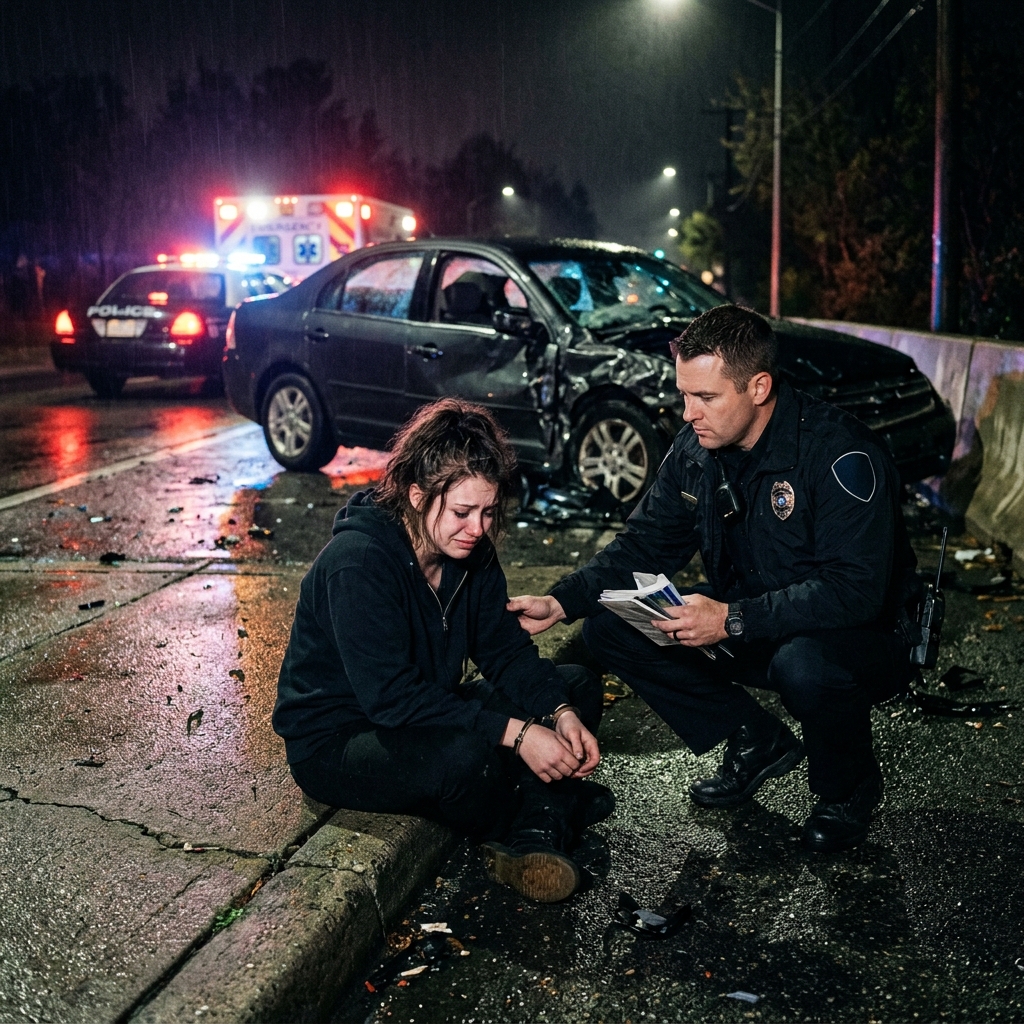
For drivers under 21, mixing alcohol and a vehicle is far more than a poor decision—it is often a crime that can reshape their future. While adults face driving under the influence (DUI or DWI) charges based on blood alcohol concentration (BAC) limits like 0.08%, many states hold minors to a much stricter standard: zero tolerance. Under these laws, any detectable amount of alcohol in an underage driver’s system can trigger serious legal and administrative penalties.
This article explains how underage drinking and driving is treated across the United States, the typical penalties involved, and the practical consequences for education, employment, and family life. It also outlines how these laws differ from adult DUI statutes and what steps families can consider when a young person is accused of an alcohol-related driving offense.
Zero Tolerance: Why Underage Drivers Are Held to a Different Standard
In most U.S. jurisdictions, people under 21 are barred from purchasing or publicly consuming alcohol. Building on this, many states have enacted zero tolerance laws that make it illegal for minors to operate a vehicle with any trace of alcohol in their system, not just levels associated with legal intoxication.
- Lower or no BAC threshold: Instead of 0.08%, minors can be charged if tests show a very low BAC or simply a detectable amount of alcohol.
- Broader definitions of violation: Some statutes make it illegal to drive while consuming alcohol or after consuming alcohol when physical evidence is present in the body, even below adult DUI limits.
- Separate offense from adult DUI: Underage drinking and driving is often classified differently from standard DUI, with its own penalties and license rules.
The underlying policy is preventative: lawmakers aim to discourage any drinking by drivers who are new behind the wheel and statistically more likely to be involved in crashes. As a result, minors may face penalties even when they would not be considered legally drunk under adult standards.
Criminal vs. Administrative Penalties: Two Tracks of Consequences
Underage drinking and driving cases often involve both criminal penalties (handled by the courts) and administrative penalties (handled by motor vehicle agencies). Understanding the difference helps parents and young defendants grasp why consequences can be severe even for a first offense.
Criminal Penalties
Many states classify underage drinking and driving as a misdemeanor offense, although more serious or repeated violations may be treated as felonies.
- Fines: Courts may impose fines ranging from a few hundred to several thousand dollars, depending on the state and whether it is a first or subsequent offense.
- Jail or detention: Though short jail terms are less common for minor first offenses, statutes frequently authorize jail time, especially when BAC is high or an accident occurs.
- Probation: Judges can order probation, requiring compliance with conditions such as counseling, curfews, or no alcohol use.
- Community service and education: Mandatory community service and alcohol awareness classes are common requirements in underage alcohol cases.
Administrative Penalties
Separately from the criminal case, motor vehicle departments typically impose penalties focused on driving privileges. These can be triggered by chemical test results or by a conviction, and they often occur automatically once certain conditions are met.
- License suspension: Many states suspend young drivers’ licenses for months or years following an underage alcohol offense, even when court sanctions are modest.
- Revocation of driving privileges: For more serious or repeated offenses, full driving privileges may be revoked for extended periods.
- Ignition interlock requirements: Some jurisdictions require installation of a device that prevents a vehicle from starting if alcohol is detected in the driver’s breath.
- Points and remedial programs: Motor vehicle agencies may add points to the driver’s record and require attendance at traffic survival or similar programs.
Penalties by Example: How States Handle Underage Drinking and Driving
While every state has its own laws, several common themes appear: zero tolerance, escalating consequences, and special rules for younger minors. The table below compares key aspects of underage drinking and driving penalties in a few sample jurisdictions.
| State (Example) | Core Rule for Underage Drivers | Typical Penalties (First Offense) | License Consequences |
|---|---|---|---|
| Zero tolerance framework (general) | Any detectable amount of alcohol in a driver under 21 can trigger an underage DUI or similar offense. | Fines from several hundred to several thousand dollars; potential alcohol education or rehabilitation; rare but possible jail, especially at higher BAC. | License suspension often at least one year; possible vehicle impoundment and mandatory programs. |
| Example of state zero tolerance statute | Driving or being in control of a vehicle while consuming alcohol or with physical evidence of alcohol in the body is a misdemeanor for those under 21. | Classified as a misdemeanor; penalties determined by court but may include fine and other conditions. | License suspension of 30 days for first violation and 180 days for subsequent violations under the same statute. |
| Texas (overall minor drinking laws) | Illegal for anyone under 21 to buy, try to buy, possess, or drink alcohol; separate offenses for driving with any alcohol. | Class C misdemeanor for many underage alcohol violations; fines up to $500; alcohol awareness class; 8–40 hours community service. | Driver’s license loss ranging from 30 days to as long as two years depending on age, offense type, and number of prior violations. |
These examples illustrate how states pair criminal consequences with immediate disruption of the young driver’s ability to get behind the wheel, often for months or years.
How Underage DUI Differs from Adult DUI
Underage drinking and driving statutes are not simply scaled-down versions of adult DUI laws. They usually operate alongside those laws and can be applied either separately or in combination, based on circumstances and BAC.
- BAC thresholds: Adults are typically prosecuted for DUI or DWI when their BAC is 0.08% or higher. Minors may face consequences with much lower readings—or without a specific BAC number at all—if alcohol is detected.
- Nature of the offense: Underage drinking and driving may be categorized as a misdemeanor with emphasis on education and rehabilitation, whereas high-BAC adult DUIs can carry mandatory jail and felony treatment.
- License rules: Minors often face longer mandatory suspensions for certain underage offenses than adults do for comparable DUI convictions.
- Collateral obligations: Youth-specific statutes more frequently require alcohol awareness classes that involve both the minor and, in some cases, the parents or guardians.
Importantly, a minor involved in an accident or found with a very high BAC might be charged under both the youth-specific statute and the regular DUI law, exposing them to compounded penalties.
Beyond the Courtroom: Real-Life Impacts on a Young Person’s Future
The immediate penalties—fines, classes, and loss of driving privileges—are only part of the story. An underage drinking and driving record can influence nearly every major aspect of a young person’s life for years to come.
Educational Consequences
Colleges and universities often ask applicants to disclose criminal or disciplinary histories. While policies vary, an underage DUI or related offense can raise questions about judgment and reliability.
- Admissions review: Some schools may treat alcohol-related driving offenses as conduct issues that require additional explanation in applications or interviews.
- Scholarship eligibility: Merit or behavior-based financial aid packages can be jeopardized by criminal records or university disciplinary actions linked to underage drinking.
- On-campus restrictions: Students with alcohol-related offenses may be subject to stricter housing rules or required participation in campus education programs.
Employment and Professional Licensing
Many employers conduct background checks, particularly for positions involving driving, working with vulnerable populations, or handling sensitive information.
- Hiring decisions: A minor alcohol-related driving conviction can be viewed negatively by employers, particularly in transportation or delivery roles.
- Professional licenses: Certain regulated professions—such as teaching, healthcare, or law—may consider alcohol-related criminal records when evaluating licensing applications.
- Internships and part-time work: Opportunities that require a clean driving record may not be available to a young person with a recent license suspension.
Auto Insurance and Financial Costs
Insurance companies closely track violations and collisions. An underage DUI or similar offense can lead to significant increases in premiums or loss of coverage.
- Premium increases: Insurers may classify underage DUI as a high-risk indicator, raising rates for the young driver and sometimes affecting household policies.
- Policy conditions: Some insurers require proof of license reinstatement, completion of mandated programs, or installation of an ignition interlock device.
- Long-term cost: Elevated premiums can persist for years, well beyond the formal end of the license suspension.
Family and Emotional Impact
When a young person is arrested for drinking and driving, the experience often affects the entire household. Parents may have to attend court, help with fees, and manage transportation logistics during the suspension period.
- Stress and conflict: Disagreements about responsibility, punishment, and future privileges can strain family relationships.
- Practical burdens: Parents may need to adjust work schedules, coordinate rides, and supervise compliance with court orders and programs.
- Emotional toll: Young drivers may experience anxiety, embarrassment, and fear about their future, particularly if the incident involved an accident or injury.
Responding to an Underage Drinking and Driving Charge
When an underage driver is accused of an alcohol-related offense, timely and informed action is important. Each case is unique, but several general steps can help families navigate the process.
- Understand the specific charge: Clarify whether the allegation is an underage DUI, a general DUI under adult statutes, or a separate drinking offense linked to driving. Different charges carry different penalties and procedures.
- Note deadlines for administrative hearings: License suspensions often move quickly. In many states, failing to request a hearing in time can result in automatic loss of driving privileges.
- Consider legal counsel: Because consequences can include long suspensions and significant fines, families often seek assistance from attorneys familiar with juvenile and DUI law.
- Document mitigating factors: Completion of voluntary counseling, good academic records, and absence of prior incidents may be relevant to how courts and agencies view the case.
Even when evidence of alcohol use is clear, legal advice can help identify options such as plea agreements, diversion programs, or specialized teen courts that focus on rehabilitation.
Prevention: Reducing the Risk Before It Becomes a Charge
The best way to handle underage drinking and driving is to prevent it altogether. Families and communities can adopt strategies aimed at reducing opportunities and incentives for young drivers to mix alcohol with vehicles.
- Clear family rules: Consistent expectations about no drinking and driving, coupled with open communication and realistic transportation plans, can help reduce risky decisions.
- Education on consequences: Many youths underestimate the severity of penalties for even low-level alcohol offenses. Reviewing actual state penalties and potential long-term impacts can make abstract rules more concrete.
- Safe ride options: Encouraging use of designated drivers, ride-sharing, or calling parents for rides instead of driving after drinking can save lives and prevent legal problems.
- Community programs: Schools and community organizations often provide educational programs that address both the legal and health risks of underage drinking and driving.
Frequently Asked Questions (FAQs)
1. Can a minor be charged with DUI even if their BAC is below 0.08%?
Yes. Under zero tolerance laws, minors can face underage DUI or similar charges with very low BAC or any detectable amount of alcohol, even when they would not meet adult DUI thresholds.
2. Will an underage drinking and driving conviction automatically suspend a driver’s license?
In many states, a conviction or certain chemical test results lead to automatic license suspensions for minors. The length of suspension varies widely but may range from several months to multiple years, particularly for repeat offenses.
3. Are jail sentences common for first-time underage drinking and driving offenses?
Jail is typically less common for minor first offenses, but statutes do allow it in many jurisdictions, especially when BAC is high, the incident involves an accident, or the minor has prior violations.
4. Do underage DUI penalties differ between drivers under 18 and those aged 18–20?
Often, yes. Some statutes set special rules for drivers under 18, including longer mandatory license suspensions or additional court supervision, while separate provisions govern 18–20-year-old drivers.
5. How long can an underage alcohol-related driving offense affect insurance rates?
Insurance impacts vary by company, but many insurers treat underage DUI and related offenses as high-risk indicators for several years, leading to higher premiums and stricter policy conditions.
References
- Traffic and Safety – Teenage DUI — Illinois State Police. 2023-01-01. https://isp.illinois.gov/TrafficSafety/TeenageDui
- Underage Drinking and Driving in Arizona — Tobin Law Office. 2023-01-01. https://tobinlawoffice.com/underage-drinking-driving-arizona/
- Underage DUI & DWI and Zero Tolerance Laws — Justia. 2022-06-01. https://www.justia.com/criminal/drunk-driving-dui-dwi/handling-a-dui-stop/underage-dui/
- Drinking Laws — Texas Foster Youth Justice Project. 2022-01-01. https://texasfosteryouth.org/guides/aging-out-guide/juvenile-and-criminal-issues/drinking-laws/
- Alcohol Related Laws for Minors (DL-20) — Texas Department of Public Safety. 2021-01-01. https://www.dps.texas.gov/DriverLicense/documents/DL-20.pdf
- Sec. 169A.33 — Underage Drinking and Driving — Minnesota Statutes. 2023-01-01. https://www.revisor.mn.gov/statutes/cite/169a.33
- Texas Alcoholic Beverage Code § 106.041 — FindLaw. 2023-01-01. https://codes.findlaw.com/tx/alcoholic-beverage-code/alco-bev-sect-106-041/
Similar Articles








Read full bio of Sneha Tete




