
Counterintuitive Productivity Tips: 11 Proven Ways To Focus.
Discover surprising strategies that defy traditional advice to boost your output and focus effectively.
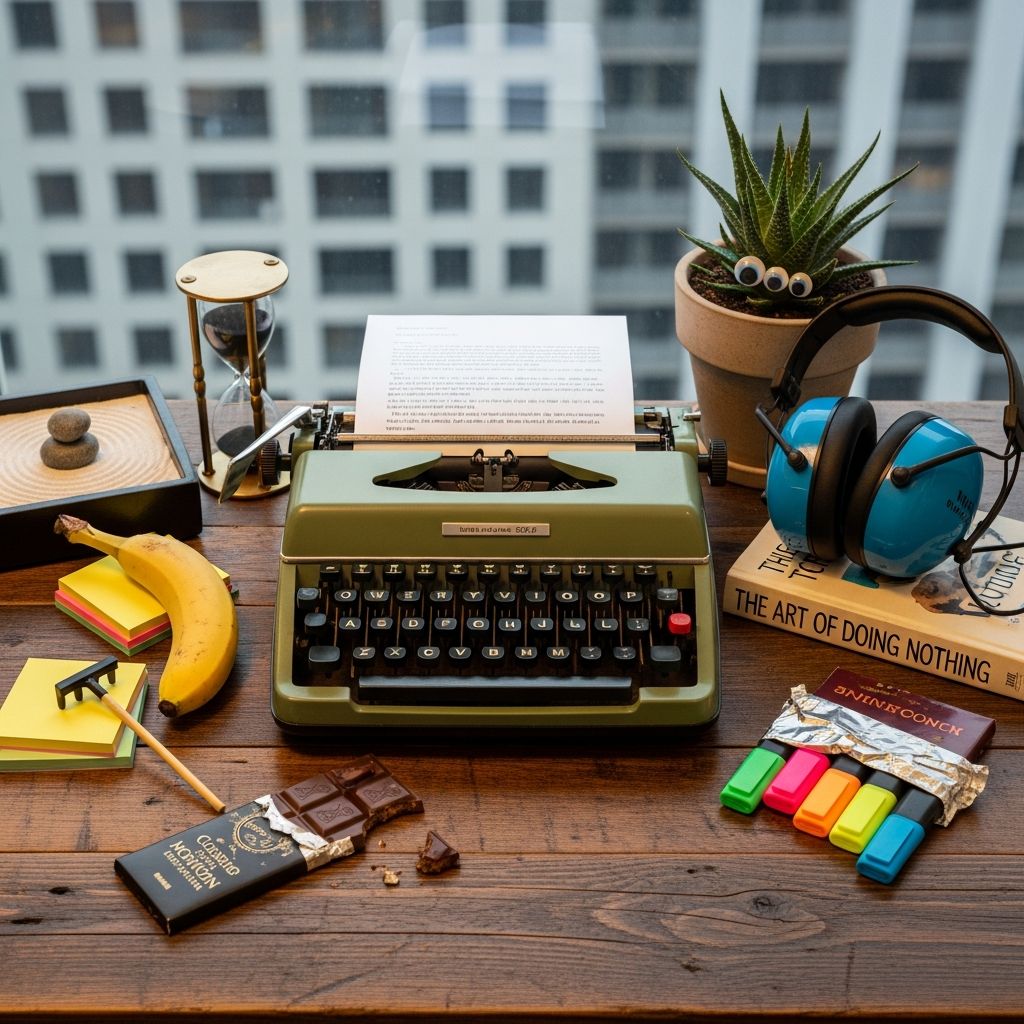
In today’s fast-paced work environment, traditional productivity advice often falls short. Grinding through endless hours or juggling multiple tasks rarely leads to optimal results. Instead, embracing counterintuitive strategies can transform your workflow, reduce stress, and yield higher-quality output. This article delves into proven, unconventional tactics drawn from psychological research and real-world applications, helping you achieve more with less effort.
Embrace the Power of Mindful Idleness
Productivity doesn’t always mean constant motion. Scheduled pauses, often dismissed as laziness, are essential for cognitive recovery. Research shows that high performers alternate intense focus periods with genuine breaks, restoring mental energy and sharpening decision-making.
Consider the 52-17 rule: dedicate 52 minutes to deep work, then step away for 17 minutes. During these intervals, avoid screens—opt for walks, stretching, or casual chats. This pattern combats fatigue from prolonged concentration, fostering sustained performance throughout the day.
- Avoid common pitfalls: Resist checking emails or social media; true breaks demand disconnection.
- Environment matters: Leave your desk to signal a mental shift.
- Track benefits: Monitor energy levels post-break to refine timing.
Implementing this hack requires discipline but pays dividends in afternoon vigor, turning sluggish slumps into productive surges.
Harness Creativity Through Playfulness
Seriousness stifles innovation. Introducing lighthearted elements into your routine can elevate mood, spark ideas, and enhance problem-solving. Studies indicate that playful mindsets correlate with higher creativity and engagement.
Infuse fun by gamifying tasks: reward milestones with silly celebrations or use humor in brainstorming. This shifts perspective from drudgery to enjoyment, making challenging projects more approachable.
| Playful Tactic | Expected Benefit | Implementation Tip |
|---|---|---|
| Team games during meetings | Boosts collaboration | Start with icebreakers |
| Humorous rewards | Increases motivation | Use quirky prizes |
| Fun visuals in presentations | Improves retention | Incorporate memes |
Over time, this approach builds resilience against burnout, creating a positive feedback loop of joy and output.
Strategic Procrastination: Schedule Your Distractions
Procrastination isn’t inherently bad—uncontrolled, it disrupts flow. By allocating specific times for non-essential activities, you harness its restorative power without derailing progress.
Block 15-20 minutes mid-morning or afternoon for browsing, snacking, or light web surfing. This ‘guilt-free recharge’ prevents random urges from interrupting deep work, as evidenced by habit experts who advocate intentional downtime.
- Identify your top distractions.
- Assign fixed slots in your calendar.
- Stick to timers to maintain boundaries.
Users report heightened focus post-sessions, realizing these breaks mimic natural mental resets, amplifying overall efficiency.
Analog Methods for Digital Overload
In a tech-saturated world, reverting to pen-and-paper boosts retention and comprehension. Handwriting engages brain regions tied to memory, outperforming typing for learning complex material.
During meetings or study sessions, jot notes manually. The physical act reinforces recall, ideal for lawyers reviewing cases or professionals absorbing strategies. Combine with doodling—simple sketches during calls enhance listening by up to 29%, activating reward pathways.
Transition gradually: use notebooks alongside devices, reviewing handwritten insights later to solidify knowledge.
Nature’s Boost: Sunlight and Greenery
Natural light regulates circadian rhythms, elevating alertness and mood. Position your workspace near windows; sunlight exposure reduces stress hormones, increasing task endurance.
Incorporate plants: greenery purifies air and visually signals tranquility, with studies showing 15% productivity gains in verdant offices. For remote workers, open blinds or step outside briefly.
- Sunlit spots combat seasonal dips.
- Plants lower cognitive fatigue.
- Combine for synergistic effects.
Cuteness as a Focus Enhancer
Viewing adorable images triggers dopamine, heightening attention and care in tasks. Brief animal video sessions during planned breaks improve emotional states, leading to careful, error-free work.
Curate a ‘cuteness folder’ for quick access. This micro-intervention counters negativity bias, fostering positivity without time loss.
Master the Art of Refusal
Overcommitment breeds mediocrity. Politely declining low-priority requests preserves bandwidth for high-impact work, aligning with the Pareto Principle: 80% results from 20% efforts.
Frame refusals positively: ‘I’d love to help next week’ or delegate alternatives. This builds respect and prevents overload.
Distraction Engineering
Proximity invites interruption. Relocate temptations—phones to another room, snacks out of arm’s reach—exploiting the ’20-second rule’ where minor barriers sustain focus.
Designate ‘focus zones’ free of triggers, using tools like app blockers for reinforcement.
Prioritize Reflection Over Action
Blind execution wastes effort. Allocate time for contemplation: question task purpose, anticipate outcomes. This ‘slow productivity’ ensures alignment with goals, especially in creative fields.
Journal daily: What advanced progress? What to adjust? Reflection refines processes, yielding smarter workflows.
Short Bursts for Urgency
Limit task time to spark intensity. Set 25-50 minute caps, creating artificial deadlines that curb dawdling and elevate quality.
Productivity trackers reveal patterns, allowing tailored adjustments for peak performance windows.
Bypass Starting Paralysis
Intimidating openings stall momentum. Dive into core content first, circling back to intros later. This builds progress inertia, dissolving perfectionism.
Apply to writing, projects: outline middles, refine edges subsequently.
Frequently Asked Questions (FAQs)
Can planned breaks really increase output?
Yes, data from productivity software shows top performers use focused sprints followed by restorative pauses, enhancing concentration and decision-making.
Why does handwriting beat typing for retention?
Manual note-taking activates deeper neural processing, improving memory encoding over digital methods.
Is saying no professional?
Absolutely—strategic boundaries demonstrate self-awareness and enable higher-value contributions.
How do plants affect workplace efficiency?
They reduce stress and boost concentration, with research linking indoor foliage to measurable productivity uplifts.
What’s the best break activity?
Non-digital pursuits like walking or socializing; avoid screens to maximize mental recovery.
References
- Eight counterintuitive ways to be more productive — WeWork. 2023-05-15. https://www.wework.com/ideas/professional-development/creativity-culture/8-ways-to-be-more-productive-counterintuitive
- 11 Counterintuitive Work Habits to Make Your Team’s Time Count — Insightful.io. 2024-02-20. https://www.insightful.io/blog/11-counterintuitive-work-habits
- Increase productivity with one counterintuitive trick — Toister Solutions. 2018-10-10. https://www.toistersolutions.com/blog/increase-productivity-with-this-one-counterintuitive-trick
Similar Articles








Read full bio of medha deb




