
Turning an ADU Into a Rental: Legal, Financial, and Practical Essentials
A homeowner’s guide to using an accessory dwelling unit (ADU) as a rental while staying compliant with zoning laws, landlord rules, and best practices.
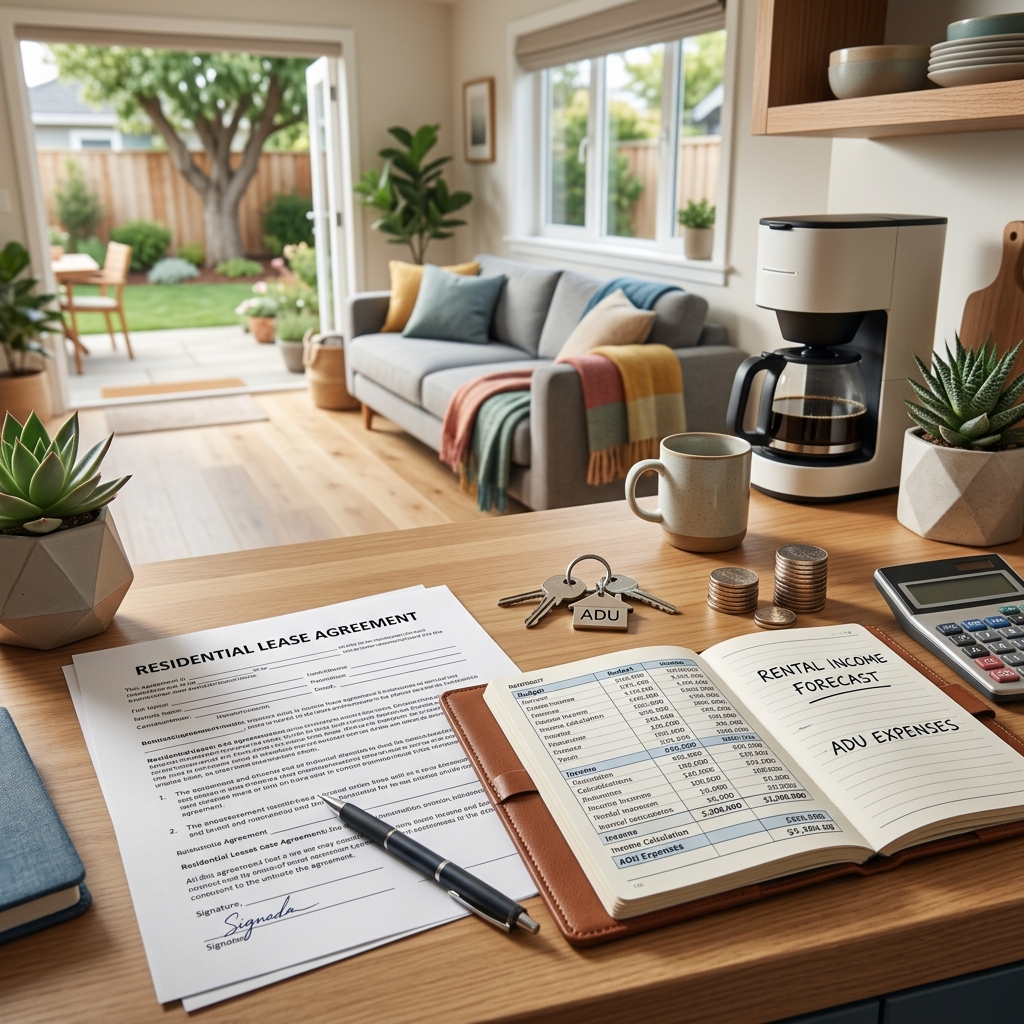
Accessory dwelling units (ADUs) are increasingly popular among homeowners who want more flexibility from their property, whether to house family members or generate extra income as a rental. Before you list an ADU on a rental platform or sign a lease, you need to understand how local laws, building codes, and landlord obligations apply to these smaller units.
This guide explains what an ADU is, when it can be used as a rental, how to navigate zoning and permits, and how to manage the unit effectively once tenants move in.
Understanding What Counts as an ADU
An accessory dwelling unit is a secondary residential space located on the same lot as a primary home. To qualify as an ADU, the unit typically needs:
- Its own sleeping area
- A separate kitchen or kitchenette
- A bathroom with toilet and bathing facilities
- A distinct entrance, either directly from the outside or via a shared corridor
ADUs can be created in several ways:
- A newly built, detached small house in the yard
- An addition to the main home designed as an independent apartment
- Conversion of existing space, such as a garage or basement, into a self-contained unit
Regardless of the form, the ADU sits on the same parcel as the primary residence and usually shares utility connections with the main house.
Can You Rent Out an ADU? The Big Picture
In many parts of the United States, it is possible to rent out an ADU, but the rules vary substantially by state, city, and even neighborhood. Some jurisdictions actively encourage ADUs to expand affordable housing supply, while others impose size limits, occupancy restrictions, or limits on short-term rentals.
Key considerations before you decide to rent your ADU include:
- Zoning and land-use regulations that permit or restrict ADUs
- Building codes and safety standards that the unit must meet
- Owner-occupancy requirements in some areas
- Local rules on short-term versus long-term rentals
- Homeowners association (HOA) covenants that may restrict rentals
Local Zoning, ADU Laws, and Short-Term Rental Rules
Zoning frameworks determine whether your property can legally include an ADU and how you may use it. For example, some states now allow certain ADUs by right in single-family zones, subject to size and design restrictions.
Typical zoning and land-use controls that matter for ADU rentals include:
- Eligibility of the lot: Some jurisdictions only allow ADUs on single-family lots, or require minimum lot sizes.
- Maximum unit size: Laws may cap ADUs at a percentage of the main dwelling’s size or a fixed square footage threshold.
- Height, setback, and design rules: Regulations often govern how close the ADU can be to property lines and how it interacts visually with neighboring homes.
- Short-term rental limitations: Many cities restrict or ban ADUs from being used for stays under a certain number of days, especially to discourage conversion into vacation rentals.
Because ordinances are highly local and regularly updated, the most reliable approach is to contact your city or county planning department to confirm what is allowed on your parcel before you invest in building or renting an ADU.
Permits, Inspections, and Code Compliance
If your ADU was constructed without formal permits or is in a converted space, you must ensure the unit complies with relevant building, electrical, plumbing, and fire codes before renting it out. Code compliance is not only a legal requirement; it is central to tenant safety and to your liability protection.
Steps to verify that your ADU is code-compliant include:
- Confirming that the original construction or conversion was permitted
- Scheduling inspections to check structural integrity, wiring, plumbing, and fire safety
- Ensuring adequate egress routes and smoke/CO alarms as required by local code
- Verifying that utility connections are safe and properly metered
Some jurisdictions also require a rental license or inspection before you can legally lease any unit, including ADUs. Your local housing or building department can explain whether such licensing applies to you.
Financing and the Economics of an ADU Rental
ADUs can represent a significant investment, but they can also add value to your property and create a steady income stream. Typical cost drivers include construction, permitting fees, utility upgrades, design, and finishes.
Common financing options for building or upgrading an ADU include:
- Using savings or cash reserves
- Home equity products, such as a home equity line of credit or second mortgage
- Cash-out refinancing of your primary home
- Construction or renovation loans specifically designed for home improvements
- Programs through local governments or nonprofits that support ADU construction
Some mortgage and rehabilitation loan programs allow you to count a portion of projected ADU rent as qualifying income, improving your ability to secure financing.
| Potential Advantages | Potential Challenges |
|---|---|
|
|
Designing Your ADU for Long-Term Rental Success
Once legal and financial questions are settled, the physical design of your ADU strongly influences tenant satisfaction, your ability to command rent, and your experience as an on-site landlord.
Important design and layout considerations include:
- Privacy and separation: Place entrances, windows, and outdoor spaces to minimize direct intrusions between the main house and ADU.
- Safe access: Ensure walkways, stairs, and lighting provide a comfortable, code-compliant path to the unit.
- Functional floor plan: Optimize storage, kitchen workspace, and multi-use areas in compact footprints.
- Sound control: Use materials and layouts that reduce noise transfer between units.
- Quality finishes: Durable flooring, reliable appliances, and modern fixtures can help attract and retain good tenants.
Short-Term vs. Long-Term ADU Rentals
Homeowners often wonder whether to use an ADU as a traditional long-term rental or a short-term listing. The suitability of each approach depends heavily on local regulations, neighborhood norms, and your own tolerance for turnover and involvement.
Long-term rentals typically provide:
- Stable monthly income
- Lower turnover and fewer check-ins
- More predictability for neighbors and the community
Short-term rentals may offer:
- Potentially higher nightly rates
- Flexibility to use the space yourself during gaps
- More frequent cleaning and management responsibilities
Many cities that permit ADUs restrict or prohibit their use as short-term rentals, especially in areas where housing affordability is a concern. Before pursuing a short-term model, verify whether you need additional licensing or whether such rentals are allowed at all.
Landlord Duties When Renting an ADU
When you rent an ADU, you become a landlord with legal obligations similar to any other rental housing provider. These obligations are shaped by state and local landlord-tenant law and often include:
- Maintaining a habitable living environment with essential services
- Complying with fair housing rules and nondiscrimination requirements
- Respecting notice requirements for entering the unit
- Following lawful procedures for rent collection, late fees, and any eviction actions
In addition, you should understand how living in close proximity to your tenant may affect your daily life, and set expectations clearly from the start.
Drafting a Strong Lease for Your ADU Rental
A well-crafted lease agreement is one of the most important tools for managing your ADU rental effectively. The lease should specify rights and responsibilities in detail and address the unique dynamics of having tenants on the same property as your home.
Core lease elements to address include:
- Rent amount and due dates
- Security deposit terms, including conditions for withholding and return
- Length of the lease and renewal or termination procedures
- Utility responsibilities: who pays for electricity, water, internet, and other services
- Parking arrangements and any restrictions on vehicles
- Pet policies, including deposits and rules about animals on shared grounds
- Maintenance and repairs—how tenants request service and how quickly you respond
- Use of shared spaces such as yards, laundry rooms, or storage areas
- Noise, quiet hours, and guest policies to balance privacy and comfort
Because every property is different, leases should be tailored to the specifics of your ADU. Many homeowners benefit from having a lawyer review their lease, especially when renting for the first time.
Screening Tenants for On-Site Living
Screening is especially significant for ADU rentals because the tenant will live very close to you. A thoughtful process can improve the likelihood of a good long-term fit while respecting legal limits on what landlords may ask or consider.
Common elements of a screening process include:
- Application review and verification of identity
- Employment and income checks to confirm ability to pay rent
- Reference checks from prior landlords, if available
- Credit reports and background checks, conducted in compliance with applicable law
Some owners also work with property management services or local housing programs to help with tenant placement and compliance.
Managing Daily Life With an ADU Tenant
Once a tenant moves into the ADU, your role shifts from project planner to day-to-day housing provider. Good communication and clear boundaries can make this arrangement smoother for everyone.
Best practices for harmonious on-site living include:
- Discussing expectations about noise, guests, and privacy before move-in
- Creating written house rules that align with the lease terms
- Providing tenants with clear instructions for appliances, systems, and emergency contact information
- Responding to maintenance requests in a timely, professional manner
- Respecting tenants’ privacy and treating the ADU as their home, not an extension of your own living space
Common Pitfalls and How to Avoid Them
Many issues with ADU rentals stem from gaps in planning or communication, rather than from the concept itself. Consider these frequent pitfalls:
- Skipping zoning and permit checks: Building or renting without proper authorization can lead to fines, required deconstruction, or forced vacancy.
- Unclear lease terms: Vague language about shared spaces, noise, or parking can create conflict later.
- Underestimating costs: Not accounting for construction overruns, utility upgrades, or ongoing maintenance can strain finances.
- Lax screening: Inadequate vetting can lead to unpaid rent or incompatible lifestyles in close quarters.
Being proactive about legal compliance, documentation, and communication greatly increases the chances that your ADU rental will be a positive experience for both you and your tenant.
Frequently Asked Questions About ADU Rentals
Can I legally rent my ADU to anyone I choose?
You may generally select tenants based on objective criteria like income, credit history, and references, but you must comply with fair housing laws that prohibit discrimination on protected grounds. Local regulations may also impose specific eligibility rules in certain affordable housing programs.
Do I need a separate lease for the ADU if I live on the same property?
Yes. The ADU should have its own written lease that clearly distinguishes the unit, outlines rent obligations, and addresses shared spaces. This protects both you and the tenant by defining expectations and procedures in advance.
Is a short-term rental of my ADU treated differently than a long-term lease?
Often it is. Many jurisdictions impose additional licensing, taxation, or outright restrictions on short-term rentals compared with traditional long-term housing. ADUs may be limited to long-term occupancy, especially in areas where they are used to expand the stock of affordable housing.
Will adding an ADU always increase my property value?
Legally permitted, well-designed ADUs can add value by increasing usable living space and potential rental income, but the actual impact depends on local market conditions and buyer preferences.
How do I find out which rules apply to my specific property?
The most reliable method is to contact your local planning or building department and review zoning ordinances, building codes, and any rental licensing requirements. Regulations can change over time, so reviewing current laws is essential before you build or rent an ADU.
References
- Accessory Dwelling Unit (ADU): Definition, Costs & Benefits — Investopedia. 2023-04-21. https://www.investopedia.com/terms/a/accessory-dwelling-unit-adu.asp
- What is an ADU (Accessory Dwelling Unit) — Zillow. 2024-01-15. https://www.zillow.com/learn/how-to-build-accessory-dwelling-unit-adu/
- Accessory Dwelling Units — Mass.gov. 2025-01-31. https://www.mass.gov/info-details/accessory-dwelling-units
- How to Manage Your ADU as a Rental Unit — Freddie Mac: My Home. 2022-09-19. https://myhome.freddiemac.com/blog/homeownership/how-to-manage-your-adu-as-a-rental-unit
- Using Your ADU as a Rental? 13 Tips to Know — Redfin. 2023-06-08. https://www.redfin.com/blog/adu-rental-tips/
- Using an ADU as an Income Property — Ferguson Home. 2023-03-10. https://www.fergusonhome.com/adu-income-property/a27268
- ADU Rental Information — Loudoun County Government. 2024-05-01. https://www.loudoun.gov/2676/ADU-Rental-Information
Similar Articles








Read full bio of medha deb


