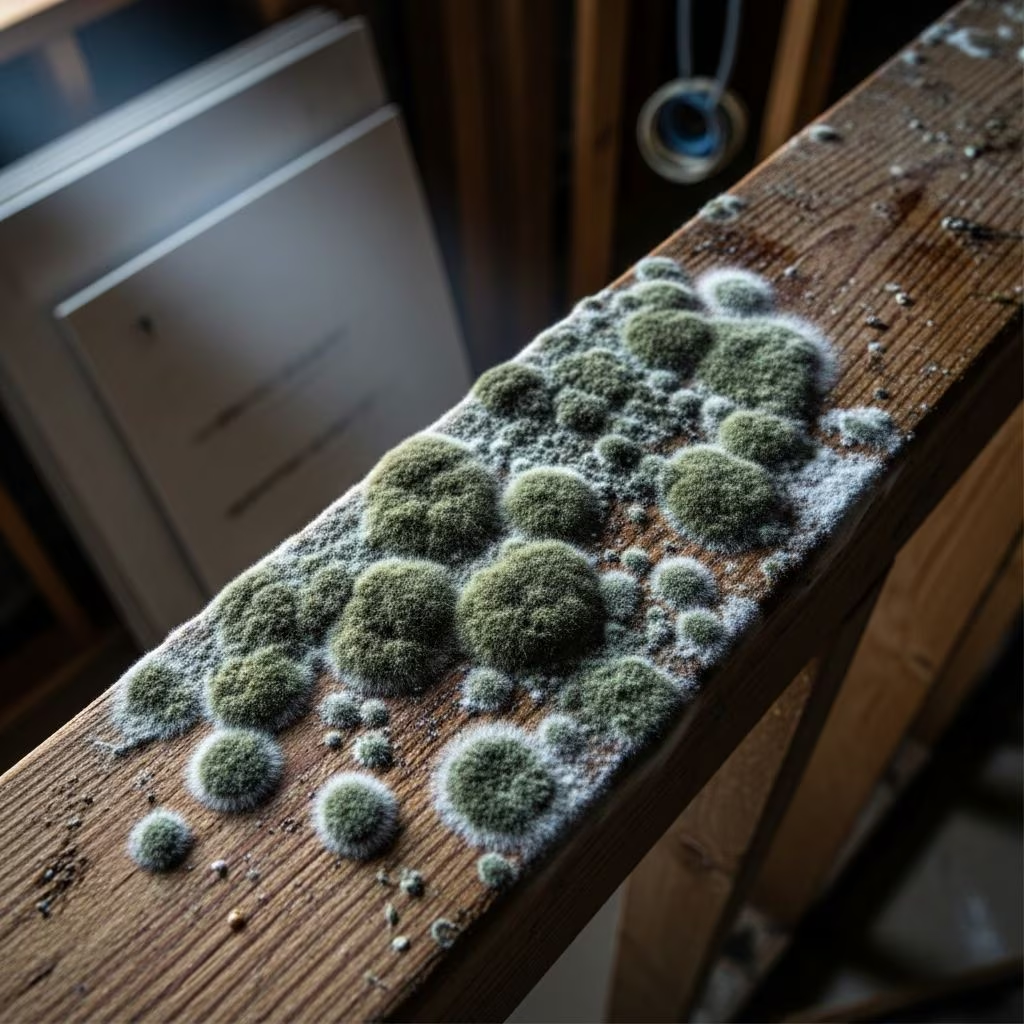
When you purchase a new home, the last thing you expect is hidden dangers like toxic mold lurking in the walls or floors. Mold thrives in damp environments and can pose serious health risks, especially if undetected during the buying process. This comprehensive guide explores how to recognize mold problems, safeguard your well-being, execute effective cleanup, prevent future growth, and navigate legal pathways for resolution.
Understanding the Hidden Threat of Mold
Mold is a type of fungus that spreads through microscopic spores present in the air. In homes, it flourishes when moisture combines with organic materials like wood, drywall, or insulation. New constructions aren’t immune; poor ventilation, construction defects, or undetected leaks can foster rapid growth. Toxic molds, often mislabeled as ‘black mold,’ release mycotoxins that may trigger allergic reactions, respiratory issues, or more severe conditions in vulnerable individuals such as children, the elderly, or those with compromised immune systems.
Health symptoms from exposure include persistent coughing, wheezing, eye irritation, skin rashes, and headaches. Prolonged contact can exacerbate asthma or lead to chronic fatigue. According to health authorities, no mold type is inherently more toxic than others, but the extent of exposure matters greatly. In a new home, discovering mold shortly after moving in raises red flags about builder oversights or seller nondisclosure.
Spotting Early Warning Signs
Visual cues are the first indicators: black, green, or orange patches on walls, ceilings, or floors, often accompanied by a musty odor. Check high-humidity areas like basements, bathrooms, attics, and around windows. Water stains, bubbling paint, or warped flooring signal underlying moisture issues.
- Inspect behind furniture and appliances where air circulation is poor.
- Look for discoloration on clothing, shoes, or stored items, hinting at airborne spores.
- Use a moisture meter on drywall and wood to detect dampness before visible mold appears.
In new homes, mold might stem from construction moisture trapped in materials or faulty HVAC systems. Professional inspections during home buying can miss these if not specifically targeted.
Immediate Steps for Health Protection
Upon suspicion, prioritize safety. Vacate the affected area if symptoms arise, especially for sensitive household members. Do not disturb visible mold without precautions, as this disperses spores. Document everything with photos, videos, and notes on symptoms and timelines—this builds a case for potential claims.
Wear N95 masks, gloves, and goggles before entering. Increase ventilation by opening windows, but avoid fans that spread spores if mold is active. Temporarily relocate belongings to uncontaminated spaces and consider professional content cleaning for salvageable items.
Effective Cleanup Strategies
Small infestations under 10 square feet can be DIY-managed, but larger areas demand experts. Always address the moisture source first: repair leaks, improve drainage, and dry thoroughly within 24-48 hours.
DIY Cleaning Protocols
For hard surfaces:
- Isolate the area with plastic sheeting.
- Vacuum with HEPA filter to capture spores.
- Scrub with hot water, non-ammonia soap, or a bleach solution (1 cup bleach per gallon water)—never mix cleaners.
- Dry completely and apply mold inhibitors.
Porous items like carpets or drywall often require disposal. For salvageable fabrics, use enzyme cleaners or hydrogen peroxide, then HEPA vacuum. Fogging with mold solutions can create temporary safe zones but isn’t a substitute for removal.
Professional Remediation Essentials
Hire certified inspectors (e.g., NEHA, IICRC) separate from remediators to avoid conflicts. They test air and surfaces, create protocols, and verify post-cleanup. Expect containment, HEPA filtration, material removal, and rebuilding. Costs range widely but are often recoverable via insurance or claims.
Prevention Tactics for Long-Term Safety
Control indoor humidity at 30-50% using dehumidifiers and hygrometers. Enhance ventilation with exhaust fans in kitchens and baths, vent dryers outdoors, and ensure gutters direct water away.
| Prevention Method | Benefits | Implementation Tips |
|---|---|---|
| Dehumidifiers | Removes excess moisture | Place in basements; empty regularly |
| Exhaust Fans | Expels humid air | Run during showers/cooking |
| Proper Drainage | Prevents foundation water | Slope ground away; clean gutters |
| HEPA Air Filters | Captures airborne spores | Use whole-house systems |
| Regular Inspections | Early detection | Monthly moisture checks |
Regular cleaning with vinegar or baking soda solutions keeps surfaces mold-free.
Legal Recourse for Undisclosed Mold
New home buyers rely on disclosures and inspections. If mold results from pre-existing defects hidden by sellers or builders, you may claim breach of contract, fraud, or negligence. State laws vary; some mandate mold disclosure.
- Gather Evidence: Inspection reports, photos, medical records.
- Notify Seller/Builder: In writing, demand remediation or compensation.
- File Insurance: Homeowners policies often cover sudden mold; check exclusions.
- Consult Attorney: Personal injury lawyers assess habitability claims, diminished value, or health damages.
Warranties from builders might cover defects. Statutes of limitations apply—act swiftly. Successful cases recover remediation costs, temporary housing, medical bills, and property devaluation.
Navigating Insurance and Financial Impacts
Review your policy: coverage for sudden leaks differs from gradual seepage. Document moisture sources to strengthen claims. If denied, appeal with expert reports. Some states regulate mold coverage mandates.
Frequently Asked Questions
What health risks does toxic mold pose in new homes?
Mold exposure can cause respiratory issues, allergies, and fatigue, worsening in those with sensitivities.
Can I clean mold myself in a new house?
Yes, for small areas (<10 sq ft), but use protective gear and fix moisture first. Larger issues need pros.
How do I know if my new home has hidden mold?
Look for musty smells, water damage, or use moisture meters. Air testing confirms spores.
Is mold covered by homeowners insurance?
Often for sudden events, but preventive maintenance is key to avoid denials.
What if the seller didn’t disclose mold?
Pursue legal action for nondisclosure; consult a real estate attorney promptly.
How to prevent mold after remediation?
Maintain low humidity, good ventilation, and regular checks.
This guide equips you to tackle mold decisively, protecting your investment and health.
References
- Mold in Your Home: What to Do with Your Belongings? — Dr. Kelly McCann. Accessed 2026. https://drkellymccann.com/mold-in-your-home-what-to-do-with-your-belongings/
- Mold or Moisture in My Home: What Do I Do? — California Department of Public Health (CDPH). Accessed 2026. https://www.cdph.ca.gov/Programs/CCDPHP/DEODC/EHIB/CPE/CDPH%20Document%20Library/Mold/MMIMH_English.pdf
- Mold – CDC — Centers for Disease Control and Prevention (CDC). Accessed 2026. https://www.cdc.gov/mold-health/about/index.html
- Packing and Leaving a Moldy Home — Mold Free Living. Accessed 2026. https://moldfreeliving.com/packing-and-leaving-a-moldy-home/
- Mold in the home: Identifying and treating the issue to prevent health problems — Harvard Health Publishing. 2023-10-24. https://www.health.harvard.edu/healthy-aging-and-longevity/mold-in-the-home-identifying-and-treating-the-issue-to-prevent-health-problems