
Tornado Protection Guide for Business Leaders
Essential strategies to safeguard your business, workforce, and operations from devastating tornado impacts.
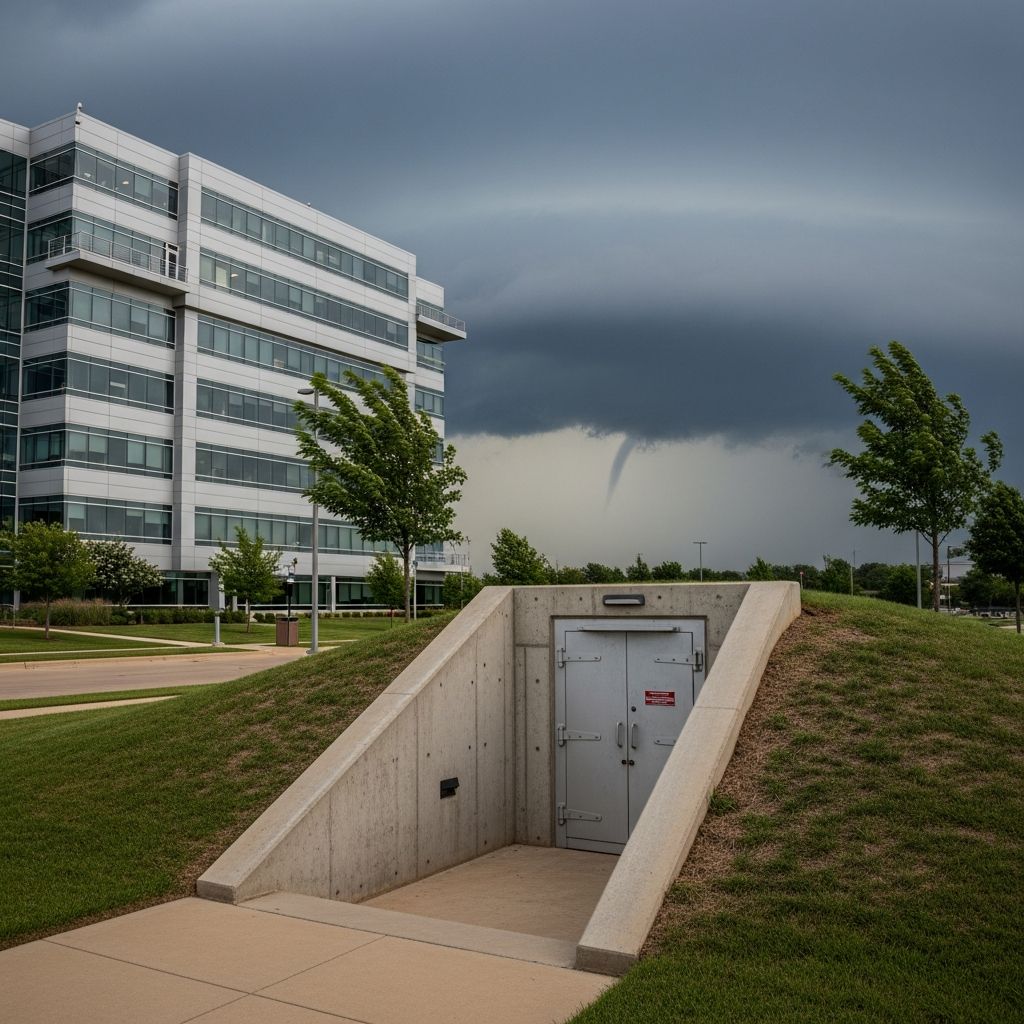
Tornadoes pose severe threats to businesses, capable of causing structural damage, injuries, and operational disruptions. Effective preparation minimizes these risks, protecting employees, assets, and continuity. This guide outlines proactive measures drawn from authoritative sources.
Understanding Tornado Risks and Alert Systems
Tornadoes form rapidly, often with little warning, making early detection critical. A tornado watch indicates conditions favorable for tornadoes, while a tornado warning means a tornado has been sighted or detected by radar, requiring immediate action. Businesses must integrate multiple alert methods, including National Weather Service (NWS) updates, NOAA weather radios, and Wireless Emergency Alerts (WEA) on mobile devices.
Designate a staff member to monitor radar via NWS apps or local broadcasts during watches. Train everyone to recognize visual cues like rotating wall clouds or a funnel descending from thunderclouds. Reliable communication ensures timely sheltering.
Building a Robust Emergency Response Framework
A comprehensive emergency plan is foundational. Include shelter locations, personnel accountability, hazardous material handling, and communication protocols. Review annually and involve all staff in development.
- Compile contact lists for employees, vendors, clients, and emergency services like electricians and plumbers.
- Assign roles with backups for monitoring weather, leading evacuations, and post-event assessments.
- Secure vital records off-site or in waterproof containers to prevent loss.
Integrate business continuity elements, such as redirecting phone lines and inventorying assets for insurance claims.
Selecting and Equipping Optimal Shelter Zones
The best protection comes from interior spaces on the lowest floor, away from windows and exterior walls. Basements or underground shelters offer maximum safety; if unavailable, prioritize small, windowless rooms like bathrooms or hallways.
| Building Type | Recommended Shelter | Key Precautions |
|---|---|---|
| Single-Story | Central hallway or closet | Avoid glass areas; use furniture for cover |
| Multi-Story | Lowest interior floor | No elevators; stay low |
| Retail/High-Volume | Designated safe room | Consult engineers for reinforcement |
| Outdoor Operations | Nearby sturdy structure | Seek cover immediately on warning |
Stock shelters with essentials: first aid kits, water (1 gallon per person/day for 3 days), non-perishable food, flashlights, batteries, NOAA radios, blankets, and helmets for debris protection. For large retail, engineer dedicated safe rooms if feasible.
Implementing Training and Simulation Drills
Knowledge alone fails without practice. Conduct tornado drills quarterly, simulating warnings to test routes, assembly times, and accountability. Include scenarios for different shifts and customer presence.
- Train on alert recognition and siren protocols, supplementing with apps.
- Practice orderly movement to shelters, accounting for mobility-impaired individuals.
- Post-drill debriefs identify improvements, ensuring 100% participation.
Retail outlets should emphasize customer notifications via PA systems and signage. Regular training builds muscle memory, reducing panic during real events.
Physical Fortifications and Pre-Storm Hardening
Proactively mitigate damage by inspecting and reinforcing structures. Trim overhanging trees, secure loose roofing, siding, and hatches. Install storm shutters or plywood over windows during watches.
Maintain generators with fuel for power outages, testing monthly. Anchor outdoor items like signs and equipment to prevent projectiles. For high-risk areas, construct FEMA-compliant safe rooms. Avoid indoor gasoline storage to prevent ignition risks.
Real-Time Actions During Imminent Threats
Upon a warning, activate the plan instantly. Unplug non-essential equipment, close interior doors, and move to shelters under sturdy tables, covering heads with arms or padding. Stay until the all-clear from NWS.
- For vehicles: Abandon and seek sturdy shelter; never hide under overpasses.
- Account for all onsite via sign-ins or apps.
- Avoid large spans like gymnasiums prone to collapse.
Post-Tornado Damage Evaluation and Recovery
Wait for official all-clear before exiting. Check for injuries, downed lines, gas leaks, or fires. Do not touch exposed wires or enter unstable structures.
- Account for personnel using call lists.
- Assess damage: Photograph for insurers, prioritizing structural integrity.
- Assemble recovery team for utilities, cleanup, and temporary repairs.
- Enforce no-smoking and spark-free zones.
Restore power methodically, redirect communications, and salvage inventory. Update insurance claims promptly, leveraging asset inventories.
Insurance Review and Financial Safeguards
Verify commercial property insurance covers wind damage, business interruption, and debris removal. Document coverage gaps pre-season and consider riders for safe rooms. Post-event, inventory losses meticulously for reimbursement.
Special Considerations for Diverse Business Types
Manufacturing firms secure hazardous materials; retail trains on crowd control. Offices prioritize high-rise protocols; farms shelter livestock. Tailor plans to unique vulnerabilities.
Frequently Asked Questions
What distinguishes a tornado watch from a warning?
A watch signals potential tornado development; a warning confirms a tornado, demanding immediate shelter.
How often should businesses drill for tornadoes?
At least quarterly, with annual full reviews per OSHA guidelines.
What if no basement is available?
Use interior lowest-level rooms away from windows, under heavy furniture.
Can generators power a business post-tornado?
Yes, if tested regularly with fuel reserves for critical operations.
How to handle customers during a warning?
Direct to designated areas calmly via announcements; practice in drills.
Long-Term Resilience Building
Beyond immediate safety, foster a culture of readiness. Partner with local emergency management for resources. Invest in weather-resistant construction over time. These steps not only save lives but preserve economic stability amid increasing severe weather frequency.
References
- Tornado Preparedness in the Workplace — Axcet HR Solutions. 2023. https://blog.axcethr.com/tornado-preparedness-in-the-workplace-keeping-employees-safe
- Commercial Tornado Preparedness — NFP. 2024-03-15. https://www.nfp.com/risk/catastrophe-preparedness/commercial-tornado-preparedness/
- Tornado Preparation and Safety Tips for Businesses — The Hanover Insurance Group. 2025. https://www.hanover.com/resources/tips-individuals-and-businesses/prepare-now-learn-how/tornado-preparation-and-safety-tips-businesses
- Tornado Preparedness and Response — OSHA. 2024-06-01. http://www.osha.gov/tornado
- Best Practices for Large Retail Outlets in Preparation for Severe Wind and Tornado Emergencies — American Meteorological Society. 2023-05-20. https://www.ametsoc.org/ams/about-ams/ams-statements/statements-of-the-ams-in-force/best-practices-for-large-retail-outlets-in-preparation-for-severe-wind-and-tornado-emergencies/
- Tornado Safety Rules — National Weather Service. 2025-01-10. https://www.weather.gov/bmx/sps_torsafetyrules
Similar Articles








Read full bio of medha deb




