
Top 7 Workplace Injuries and Prevention Strategies
Discover the most frequent workplace injuries, their causes, impacts, and proven strategies to prevent them for safer work environments.
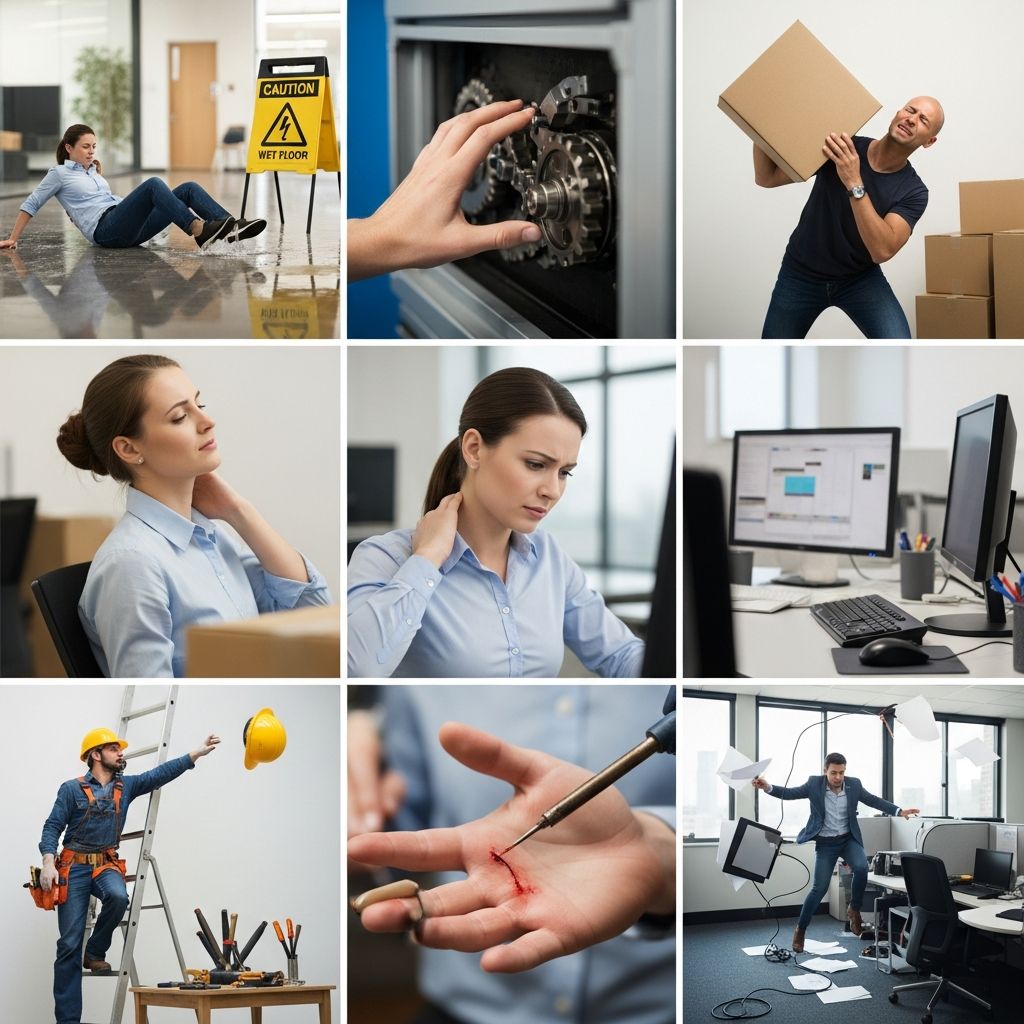
Workplace injuries affect millions annually, leading to medical bills, lost wages, and long-term health issues. According to the U.S. Bureau of Labor Statistics, overexertion, slips, trips, falls, and contact with objects dominate nonfatal injury cases, accounting for more than 75% of incidents requiring days away from work. Understanding these risks empowers employers to implement safeguards and workers to protect themselves.
Understanding the Scope of Workplace Injuries
In 2021-2022, the National Safety Council reported over 1 million days-away-from-work cases from overexertion and bodily reaction alone, followed closely by contact with equipment and falls. These injuries span industries from construction and manufacturing to offices and healthcare. The economic toll exceeds billions in costs, underscoring the need for proactive measures. This article breaks down the top seven injury types, their causes, real-world examples, and prevention tactics grounded in OSHA guidelines and expert data.
1. Overexertion and Strain Injuries
Overexertion tops the list, representing 31% of occupational injuries, often from lifting, pushing, pulling, or carrying heavy loads. These musculoskeletal disorders primarily impact backs, shoulders, and knees, forcing workers off the job for weeks or months.
- Common scenarios: Warehouse workers heaving boxes, nurses transferring patients, or construction crews hauling materials.
- Contributing factors: Poor lifting techniques, inadequate equipment, or high workloads without breaks.
Prevention relies on ergonomics. Employers should provide training on proper body mechanics, mechanical aids like dollies, and adjustable workstations. Regular stretching and job rotation reduce repetitive stress.
2. Slips, Trips, and Falls on the Same Level
Slips and trips without full falls or on flat surfaces cause sprains, fractures, and head trauma, ranking high in frequency across all sectors. Wet floors, cluttered aisles, uneven mats, or poor lighting create hazards in offices, factories, and retail spaces.
| Hazard | Common Locations | Potential Injuries |
|---|---|---|
| Wet or oily surfaces | Kitchens, factories | Sprains, fractures |
| Cluttered walkways | Warehouses, offices | Trips leading to wrist/ankle damage |
| Poor lighting | Parking lots, hallways | Head impacts |
Counter these with immediate spill cleanup, non-slip footwear mandates, clear signage, and routine housekeeping inspections.
3. Falls from Heights
Falls to lower levels, such as from ladders, roofs, or scaffolds, result in severe outcomes like spinal injuries and concussions. Construction and maintenance workers face the highest risks, but any elevated work poses dangers.
- Statistics: Falls remain a leading fatality cause per BLS data.
- Risks: Unsecured ladders, missing guardrails, or unstable platforms.
OSHA mandates fall protection systems including harnesses, netting, and toeboards. Pre-use inspections and certified training are non-negotiable.
4. Contact with Objects and Equipment
Being struck by, caught between, or compressed by machinery and falling objects leads to crushing injuries, amputations, and lacerations. Factories, construction sites, and warehouses see these most often.
Examples include forklifts pinning workers, tools dropping from heights, or sleeves snagging in conveyors.
| Injury Type | Example | Prevention |
|---|---|---|
| Struck by | Falling tools | Hard hats, tool lanyards |
| Caught in/between | Machine entanglement | Lockout/tagout procedures |
| Overexertion from impact | Forklift collisions | Spotters, barriers |
Implement machine guarding, personal protective equipment (PPE), and lockout/tagout protocols to eliminate these threats.
5. Repetitive Motion and Ergonomic Injuries
Repetitive tasks like typing, assembly line work, or prolonged standing cause carpal tunnel, tendonitis, and back pain. Office workers, manufacturers, and healthcare staff are prime victims.
- Symptoms develop gradually: Numbness, pain, reduced mobility.
- Aggravators: Poor posture, non-ergonomic tools, extended hours without breaks.
Mitigate with ergonomic assessments, adjustable chairs/desks, wrist supports, and micro-breaks. Training on neutral body positions yields long-term gains.
6. Vehicle and Transportation Incidents
Drivers in delivery, trucking, or field services face crashes accounting for nearly 50% of some states’ workplace fatalities. On-site vehicle backups or forklift mishaps compound risks.
Safe driver programs, vehicle maintenance, and no-phone policies slash incidents. For pedestrians, designated walkways and horns enhance safety.
7. Exposure to Harmful Substances and Burns
Chemical splashes, toxic fumes, electrical shocks, and thermal burns affect specialized fields like manufacturing, welding, and healthcare. Long-term effects include respiratory issues, skin damage, or cancer.
- High-risk groups: Welders (fumes), cleaners (chemicals), electricians (shocks).
- Acute cases: Explosions or hot surfaces in food service.
Ventilation systems, PPE like respirators and gloves, and hazard communication training per OSHA standards prevent most exposures.
Industry-Specific Risks and Trends
Construction leads in falls and equipment strikes, while healthcare sees strains from patient handling. Offices grapple with ergonomic woes. Recent data shows a rise in harmful exposures post-COVID, including infectious diseases. Employers must tailor safety plans to their sector.
Legal Rights and Workers’ Compensation
Injured workers qualify for compensation covering medical care, lost income, and rehab. Reporting promptly preserves claims. OSHA violations, like inadequate fall protection, can lead to fines and lawsuits. Consult professionals for navigation.
Proven Prevention Framework
Build a safety culture with:
- Regular training and drills.
- Hazard assessments and audits.
- PPE provision and enforcement.
- Employee reporting without fear.
- Tech like sensors for real-time alerts.
These steps not only comply with regulations but boost productivity by minimizing downtime.
Frequently Asked Questions (FAQs)
What should I do immediately after a workplace injury?
Seek medical attention, report to your supervisor, document details, and notify your workers’ comp insurer promptly to secure benefits.
How can employers reduce overexertion risks?
Through ergonomic training, team lifts, mechanical aids, and workload balancing to avoid fatigue.
Are office workers safe from serious injuries?
No—repetitive strain and slips remain prevalent; ergonomic setups and clear paths are essential.
What PPE is required for chemical exposure?
Gloves, goggles, respirators, and suits based on hazard assessments per OSHA guidelines.
Can I sue my employer for an injury?
Workers’ comp is usually the exclusive remedy, but third-party negligence or gross misconduct may allow lawsuits.
References
- 7 of the Most Common Work-Related Injuries — Zehl Law. 2023. https://www.zehllaw.com/7-of-the-most-common-work-related-injuries/
- Top 10 Most Common Workplace Injuries — Arbill. 2024. https://www.arbill.com/safety-topics/top-10-most-common-workplace-injuries/
- Seven of the Most Surprisingly Common Workplace Injuries — Robinson Law. 2023. https://robinsonlwyr.com/7-most-common-workplace-injuries/
- Understanding Common Work-Related Injuries — AOA Ortho. 2024. https://www.aoaortho.com/understanding-common-work-related-injuries/
- Most Common Workplace Injuries in the United States (2025) — Pearson & Koutcher Law. 2025-01-15. https://www.pearsonkoutcherlaw.com/blog/most-common-workplace-injuries/
- Top Work-Related Injury Causes — National Safety Council Injury Facts. 2024. https://injuryfacts.nsc.org/work/work-overview/top-work-related-injury-causes/
- Most Common Workplace Injuries and How to Prevent Them — Wood County Hospital. 2023. https://www.woodcountyhospital.org/news/articles/most-common-workplace-injuries-and-how-to-prevent-them/
Similar Articles








Read full bio of Sneha Tete




