
Tinder’s Hidden Edge: Personality Boosts Looks in Real Meets
Discover how Tinder users rate matches hotter after meeting, as personality traits like humor and friendliness reshape first impressions beyond photos.
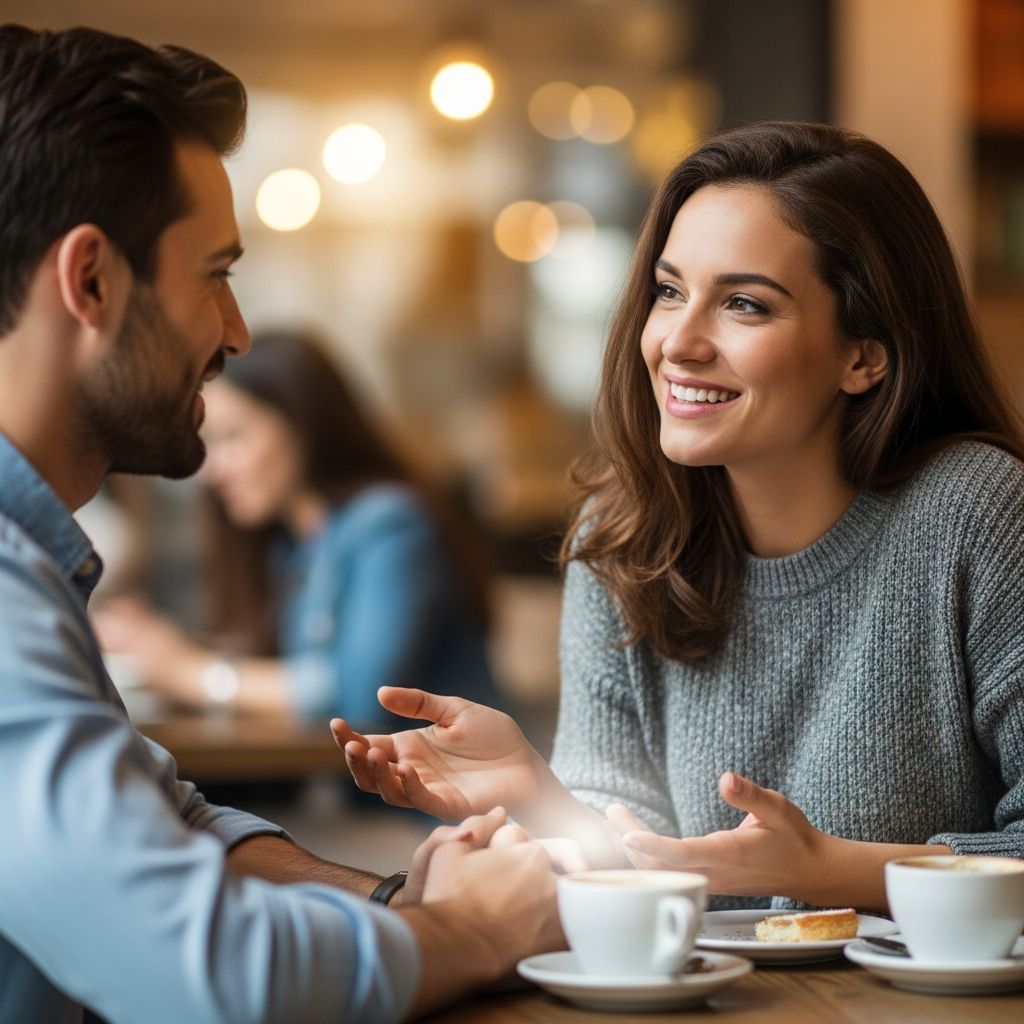
Online dating platforms like Tinder have transformed how people connect, but a key question lingers: do profile photos truly predict real-world chemistry? Research reveals that interactions in person often lead users to perceive matches as more appealing than their images suggest, highlighting the power of personality over pixels.
The Science of Shifting Perceptions in Dating Apps
Studies demonstrate a fascinating psychological shift when digital swipes turn into face-to-face encounters. Participants in controlled experiments initially rated potential matches based solely on photographs, much like browsing Tinder. After brief conversations, their reassessments frequently upgraded those ratings significantly.
This phenomenon underscores that static images capture only a fraction of human appeal. Real-life dynamics—body language, tone, and shared laughter—fill in the gaps, often elevating mid-range profiles to standout status. For average-looking individuals, this boost is particularly pronounced, proving that first impressions evolve rapidly with interaction.
Key Traits That Spark Real-Life Attraction
Two standout qualities consistently drive these upward revisions: friendliness and a sharp sense of humor. Friendliness signals social compatibility, fostering a sense of ease and potential friendship, while humor injects fun and memorability into brief exchanges.
- Friendliness: Creates an immediate bond, making interactions feel natural and inviting.
- Humor: Demonstrates quick wit, turning ordinary chats into engaging moments.
Those starting with moderate attractiveness ratings benefit most, as there’s ample room for personality to shine. Top-tier photo subjects see minimal gains, constrained by a ‘ceiling effect’ where perfection leaves little enhancement space. This insight empowers users: cultivating these traits can dramatically improve outcomes beyond visual appeal.
Inside Tinder’s Matching Engine: Beyond the Swipe
Tinder’s algorithm prioritizes active users, ensuring matches feel timely and relevant. Regular engagement boosts visibility, signaling to the system that you’re invested in genuine connections. Proximity plays a crucial role too, favoring nearby profiles to encourage real-world meetups.
The platform has evolved past outdated metrics like the Elo score, now using dynamic factors such as likes, passes, and profile interactions. This adaptive approach refines recommendations continuously, aiming for higher-quality pairings.
| Factor | Description | Impact on Matches |
|---|---|---|
| Activity Level | Frequent app use and timely responses | High – Prioritizes active users for better engagement |
| Proximity | Distance from current location | High – Favors local connections for IRL potential |
| Likes/Nopes | User preferences and interactions | Medium – Refines future suggestions |
| Profile Completeness | Bio, photos, and details | Medium – Enhances personalization |
Users control much of this through consistent activity, underscoring that success hinges on participation rather than secrets.
Photo Filters and the Quest for Authenticity
Amid these mechanics, controversies swirl around image manipulation. Dating apps thrive on eye-catching visuals, but tools like filters and AI enhancements can create misleading expectations. Lawsuits against Match Group, Tinder’s parent, allege the company knew users preferred ‘enhanced’ photos yet failed to disclose practices that might prioritize hotter images over reality.
Critics argue this borders on deceptive marketing, potentially violating consumer protection laws. Platforms counter that enhancements are user-driven, akin to makeup or lighting in traditional dating. However, if algorithms favor filtered profiles, it raises fairness questions for unenhanced users.
Legal Scrutiny on Dating App Practices
Class-action suits probe whether Match Group promoted Tinder as a tool for real connections while allegedly boosting visibility for idealized images. Plaintiffs claim internal knowledge of user behavior—favoring striking photos—led to undisclosed optimizations, possibly constituting false advertising.
Defenses highlight user agency: anyone can apply filters, and the app doesn’t mandate them. Yet, if data shows enhanced profiles dominate matches, it challenges claims of a level field. Courts will weigh transparency obligations against industry norms.
Real User Experiences: From Screen to Reality
Anecdotes abound of Tinder matches exceeding photo expectations. One study participant noted a ‘4/10’ photo subject becoming an ‘8/10′ post-chat, thanks to infectious laughter. Conversely, photogenic ’10s’ sometimes disappoint if personality lags, affirming the research.
Men and women report similar patterns, though average profiles gain more from charm. This levels the playing field, rewarding substance over superficiality in the long run.
Strategies to Maximize Your Tinder Success
To leverage these insights:
- Showcase Personality Early: Use bios and prompts to hint at humor and warmth.
- Stay Active: Log in daily for algorithm favoritism.
- Opt for Natural Photos: Authenticity builds trust for IRL meets.
- Focus on Mid-Tier Appeal: Room for personality growth is your advantage.
- Prompt Real Talks: Transition from swipes to conversations quickly.
These tactics align with both science and system design, boosting match quality.
Broader Implications for Digital Dating
The blend of algorithms, psychology, and visuals defines modern romance. As platforms refine matching, emphasizing personality could reduce ghosting and flakes. Users, meanwhile, should prioritize traits that translate offline.
Regulatory eyes on disclosures may enforce clearer policies, benefiting all. Ultimately, Tinder’s strength lies in bridging digital sparks to real flames, where true appeal emerges.
Frequently Asked Questions
Why do Tinder matches often look better in person?
Personality traits like humor and friendliness enhance perceived attractiveness after interactions, per University of Kansas research.
Does Tinder still use Elo scores?
No, Tinder replaced Elo with a dynamic system based on likes, activity, and engagement.
Can average-looking people succeed on Tinder?
Yes, especially with strong social skills; studies show the biggest rating boosts for mid-range profiles.
Are photo filters allowed on dating apps?
They are user-applied, but controversies arise if algorithms favor them disproportionately.
How does Tinder prioritize matches?
Active users, proximity, and interaction patterns drive recommendations for meaningful connections.
References
- Your Tinder Match Will Become Hotter After You Meet Them IRL — Elite Daily. 2016-04-12. https://www.elitedaily.com/dating/tinder-match-hotter-after-meet-irl/1953774
- Powering Tinder® — The Method Behind Our Matching — Tinder Help Center. 2023-11-01. https://www.help.tinder.com/hc/en-us/articles/7606685697037-Powering-Tinder-The-Method-Behind-Our-Matching
Similar Articles








Read full bio of medha deb




