
Third Circuit Expands Employer Duties Under FMLA
Understanding why employers must let workers fix deficient medical leave requests and what that means for FMLA compliance.
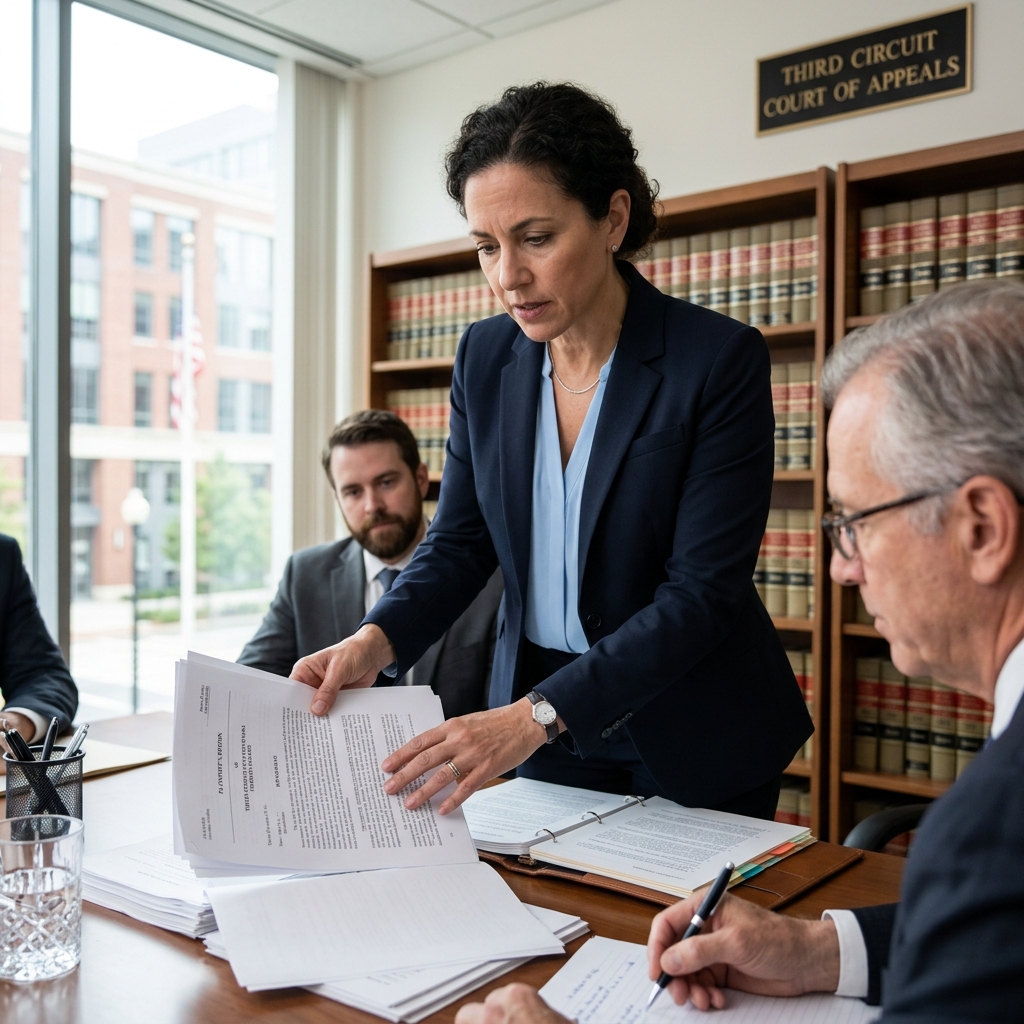
The Family and Medical Leave Act (FMLA) gives eligible employees the right to take unpaid, job-protected leave for specified family and medical reasons. Recent case law from the United States Court of Appeals for the Third Circuit has clarified that employers cannot simply deny a faulty medical leave request and move on. Instead, they must notify employees of any deficiencies and offer a meaningful opportunity to correct them. This development significantly reshapes how employers should administer FMLA and underscores important protections for workers who need medical leave.
Overview: What the Third Circuit Decided
In a precedential decision, the Third Circuit held that when an employee submits an FMLA medical certification that is insufficient or incomplete, the employer has an affirmative duty to:
- Identify the perceived deficiencies in the certification.
- Notify the employee of what specific additional information is required.
- Provide the employee a chance to cure the deficiencies within a reasonable timeframe.
This duty is grounded in Department of Labor regulations interpreting the FMLA, which require employers to cooperate with employees in the certification process rather than using technical defects as a basis to deny leave outright. The court’s ruling aligns with the FMLA’s broader purpose: ensuring that legitimate medical needs are accommodated, not thwarted by procedural missteps.
Legal Foundation: FMLA and Department of Labor Regulations
The FMLA, codified at 29 U.S.C. § 2601 et seq., provides eligible employees up to 12 weeks of unpaid leave per year for qualifying reasons, including serious health conditions. Employers covered by the statute must preserve the employee’s job and benefits during this protected leave and may not interfere with or retaliate against workers who exercise their rights.
Department of Labor (DOL) regulations define what constitutes a serious health condition, the certification process, and the obligations of both employees and employers. In particular, the regulations explain that if an employer finds a medical certification incomplete or insufficient, the employer must:
- Inform the employee in writing of the deficiency.
- Specify what additional information is required to make the certification adequate.
- Allow the employee at least seven days to fix the problem, unless unusual circumstances justify a shorter period.
The Third Circuit’s ruling did not create these obligations from scratch; instead, it enforced them, holding that employers must follow these regulatory steps before denying FMLA leave on certification grounds. This reinforces the principle that FMLA administration is a cooperative process, not a one-sided evaluation.
Deficient Certifications: Incomplete vs. Insufficient
To understand the impact of the ruling, it is important to distinguish between two key concepts used in the regulations:
- Incomplete certification
Missing required entries or answers. For example, a health care provider may leave blank the expected duration of the condition or frequency of treatment. - Insufficient certification
Information is provided but is too vague, ambiguous, or non-responsive to let the employer determine whether the leave is FMLA-qualifying.
In both situations, the employer cannot simply state that the certification is flawed and decline the leave. The Third Circuit emphasized that employers must point out the specific issues and give employees an opportunity to submit clarifying or supplemental information.
Third Circuit Context: Serious Health Conditions and Timing
The Third Circuit has recently been active in refining FMLA doctrine, particularly in cases involving serious health conditions and leave administration. For example, in Rodriquez v. SEPTA, the court explained that a chronic serious health condition must involve periodic medical visits and must be established at the time the employee requests FMLA leave.[10] The court underscored that the existence of a qualifying condition is assessed at the moment leave is sought, not based on speculative or future treatment patterns.
This broader line of cases shows a consistent theme: the Third Circuit expects employers to rely on medical evidence and regulatory requirements, not assumptions or rigid technicalities, when evaluating FMLA requests. The recent ruling on deficient certifications fits squarely within this approach by requiring employers to engage with the information they receive and help employees correct deficiencies.
Key Obligations for Employers Under the Ruling
Employers subject to the Third Circuit’s jurisdiction—which includes Pennsylvania, New Jersey, Delaware, and the Virgin Islands—should carefully review their FMLA procedures. The decision highlights several concrete duties:
- Duty to notify of deficiencies
Employers must tell employees when certifications are incomplete or insufficient and explain why. - Duty to specify needed information
Vague notices are not enough. Employers must identify what information is missing or unclear so the employee and health care provider can respond appropriately. - Duty to allow correction
Employees must receive a reasonable window—typically at least seven days—to cure deficiencies. - Prohibition on immediate denial
Denying leave solely because the initial certification is flawed, without first allowing correction, may constitute unlawful interference with FMLA rights. - Recordkeeping and documentation
Employers should document their notices, timelines, and communication with employees to demonstrate compliance if challenged.
Impact on Employees Seeking Medical Leave
For employees, the ruling offers stronger protection against losing FMLA leave due to technical mistakes. Workers often rely on health care providers to fill in forms correctly, and they may not understand the precise level of detail needed. By placing the duty to highlight and explain deficiencies on the employer, the Third Circuit ensures that employees are not punished for errors they did not knowingly make.
Employees benefit from:
- A clear path to fix certification issues before leave is denied.
- Greater transparency about what medical information is required.
- Improved chances that legitimate medical needs will be recognized as FMLA-qualifying.
At the same time, employees must still provide accurate and timely medical information. The ruling does not excuse them from meeting their obligations; it simply ensures they have fair notice and an opportunity to comply.
Compliance Strategies for Employers
Given the expanded duties identified by the Third Circuit, employers should consider revising their FMLA administration practices to reduce legal risk and improve clarity. Key strategies include:
1. Standardized Notice Templates
Using standardized forms and letters can help ensure that every employee who submits a flawed certification receives a consistent, detailed explanation. Templates should:
- Identify whether the certification is incomplete or insufficient.
- List specific missing or unclear items (e.g., duration, treatment frequency).
- Explain the deadline and method for providing corrected information.
2. Training for HR and Supervisors
Human resources professionals and frontline supervisors are often the first to receive leave requests. Training should cover:
- Basics of FMLA eligibility and serious health conditions.
- How to spot incomplete or insufficient certifications.
- Steps to provide proper notice and opportunities to amend.
3. Coordinated Medical Certification Review
Employers may designate a specific team or individual to review certifications to ensure consistency. Centralized review reduces the risk of uneven practices and strengthens documentation.
4. Clear Communication with Employees
In addition to written notices, employers should encourage employees to ask questions about the certification process and should respond promptly. This approach supports compliance and may prevent disputes.
Balancing Employer Burdens and Employee Protections
The Third Circuit’s ruling imposes additional administrative steps on employers, and some commentators have expressed concern about the expanded burden. The dissent in the case highlighted the practical challenges of requiring employers to affirmatively assist in correcting deficient certifications. However, the majority viewed these duties as necessary to fulfill the FMLA’s remedial purpose and ensure workers could realistically exercise their rights.
From an operational standpoint, the burden is largely procedural: employers must communicate clearly and provide opportunities to fix problems rather than using deficiencies as a reason for immediate denial. As long as employers build these steps into their FMLA processes, the additional burden can be managed, and the risk of litigation reduced.
Sample Comparison: Old vs. Updated Employer Practices
| Aspect | Earlier Practice (Risky) | Compliant Practice After Third Circuit Ruling |
|---|---|---|
| Handling flawed certifications | Deny FMLA leave when the initial certification appears incomplete or unclear. | Notify the employee of specific deficiencies and allow time to correct before denial. |
| Employee communication | Use generic letters or brief notices that say certification is inadequate. | Provide detailed written notice explaining what information is missing or insufficient. |
| Documentation | Maintain minimal records of leave requests and communications. | Keep thorough records of certifications, deficiency notices, timelines, and employee responses. |
| Risk of FMLA interference claims | Higher risk if denial is based on defective certification without opportunity to cure. | Reduced risk by following DOL regulations and Third Circuit guidance on notice and correction. |
Frequently Asked Questions (FAQs)
1. Does this ruling apply nationwide?
No. The decision is directly binding on federal courts within the Third Circuit (Pennsylvania, New Jersey, Delaware, and the Virgin Islands). However, because it interprets federal law and DOL regulations, other courts may look to it as persuasive authority. Employers operating in multiple states should monitor developments in other circuits and ensure compliance with the DOL regulations, which apply nationwide.
2. Can an employer ever deny FMLA leave without allowing corrections?
Yes, in certain circumstances. For example, if an employee fails to provide any medical certification after being properly requested and given sufficient time, an employer may lawfully deny FMLA leave. The Third Circuit’s ruling focuses on situations where a certification is submitted but is incomplete or insufficient. In those cases, employers must give the employee a chance to correct it before denial.
3. What happens if an employee does not fix the deficient certification?
If the employee receives proper notice of deficiencies and an opportunity to cure but fails to submit adequate information, the employer may deny FMLA leave on that basis. The employer should document the notice, deadlines, and lack of response or insufficient response to defend against potential claims.
4. How does this interact with ADA or other accommodation laws?
The FMLA and the Americans with Disabilities Act (ADA) are separate statutes, though they often arise in related contexts. The Third Circuit has previously addressed standards for return to work under FMLA and ADA in cases like Budhun v. Reading Hospital and Medical Center. Employers must analyze each situation under both laws when applicable, but the duty to allow correction of deficient FMLA certifications specifically arises from FMLA regulations, not the ADA.
5. Are chronic illnesses always covered by FMLA?
No. The Third Circuit has clarified that not every chronic illness qualifies as a serious health condition under the FMLA. A chronic condition generally must involve ongoing treatment, periodic medical visits, and periods of incapacity.[10] Medical documentation must establish that these criteria are met at the time leave is requested. Employers should evaluate certifications against these regulatory standards while still providing the required opportunity to correct deficiencies.
Practical Takeaways
The Third Circuit has sent a clear message: employers must actively assist in clarifying and completing FMLA medical certifications rather than using technical defects to deny leave. This ruling reinforces the cooperative nature of FMLA administration and strengthens the practical ability of employees to secure medical leave when warranted.
Employers should:
- Review and update FMLA policies to align with Department of Labor regulations and Third Circuit guidance.
- Implement training and standardized procedures for handling incomplete or insufficient certifications.
- Maintain robust documentation of notices and employee communications.
Employees, meanwhile, should understand that they have the right to be informed of deficiencies in their certifications and to correct them, but they must also ensure that their medical information is accurate, detailed, and provided on time. Together, these steps help realize the FMLA’s goal of providing reliable, job-protected leave for those facing serious health conditions and family caregiving responsibilities.
References
- Employers Must Allow Workers to Amend Medical Leave Requests — FindLaw. 2024-XX-XX. https://www.findlaw.com/legalblogs/third-circuit/employers-must-allow-workers-to-amend-medical-leave-requests/
- Family and Medical Leave Act Regulations — U.S. Department of Labor. 2024-XX-XX. https://www.dol.gov/agencies/whd/fmla
- Instructions for Claims Under the Family and Medical Leave Act — U.S. Court of Appeals for the Third Circuit. 2024-06-01. https://www.ca3.uscourts.gov/sites/ca3/files/10_Chap_10_June-2024.pdf
- Third Circuit Affirms Treatment Required Before FMLA Leave Request to Establish Serious Health Condition — Freeman Mathis & Gary LLP. 2024-XX-XX. https://www.fmglaw.com/employment/third-circuit-affirms-treatment-required-before-fmla-leave-request-to-establish-serious-health-condition/
- Chronic Illnesses May Not Always Be FMLA-Protected in the Third Circuit — Margolis Edelstein. 2024-10-11. https://www.margolisedelstein.com/articles/chronic-illnesses-may-not-always-be-fmla-protected-in-the-third-circuit/
- Third Circuit Sets Standard for Return to Work Under the Family and Medical Leave Act — Duane Morris LLP. 2014-09-02. https://www.duanemorris.com/alerts/third_circuit_sets_standard_return_to_work_under_FMLA_5301.html
- Third Circuit Reinstates FMLA Lawsuit — Wilentz, Goldman & Spitzer. 2025-07-25. https://www.wilentz.com/blog/employment/2025-07-25-third-circuit-reinstates-fmla-lawsuit
Similar Articles








Read full bio of medha deb




