
Text Messages In Divorce: 5 Court-Ready Preservation Steps Now
Discover how digital communications like texts can sway divorce outcomes, from custody battles to asset splits.
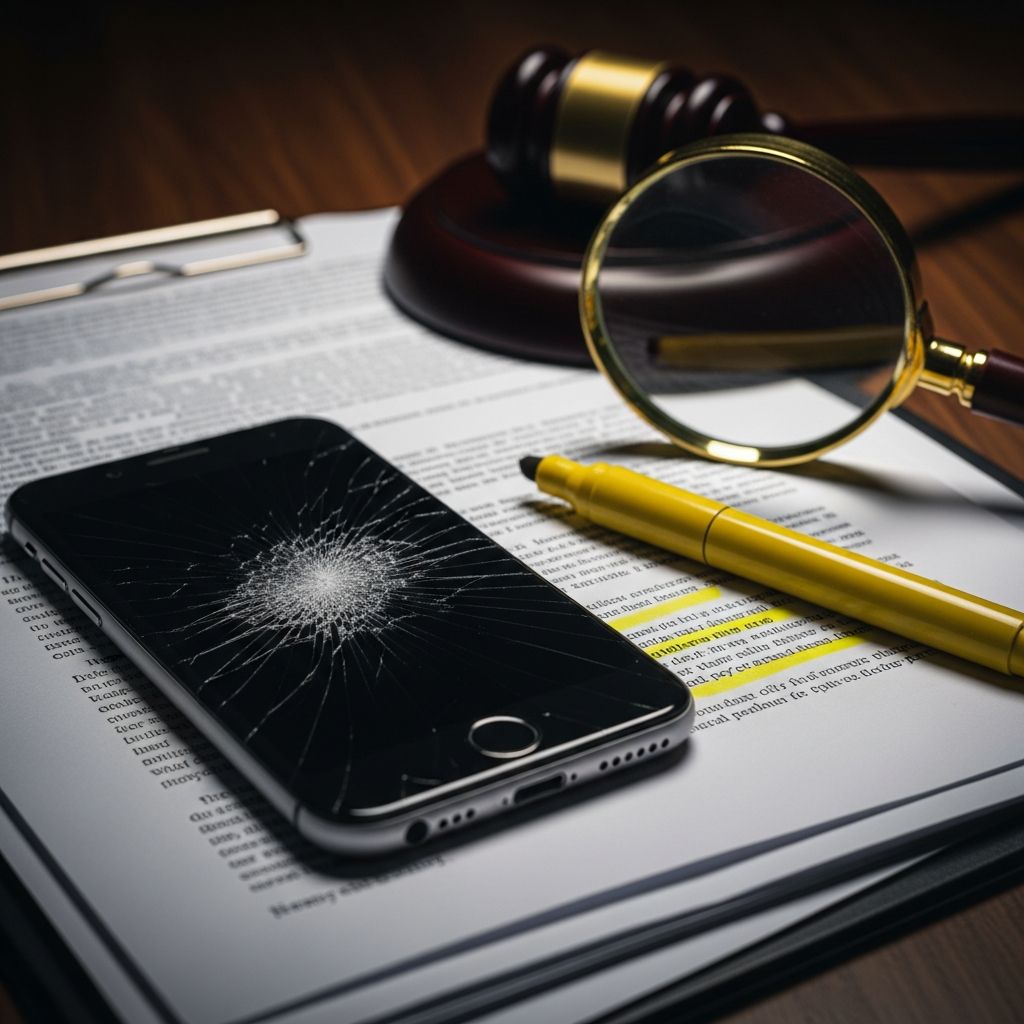
Digital conversations have transformed family law, with text messages often deciding divorce disputes on custody, property, and support. Courts treat them as reliable records when properly verified, impacting case strategies profoundly.
Legal Foundation for Digital Proof in Matrimonial Disputes
Family courts across jurisdictions recognize electronic communications as valid evidence under rules akin to written documents. Federal Evidence Rule 901 and state equivalents require proving authenticity through timestamps, sender details, or contextual matches. This framework ensures texts hold weight comparable to emails or letters in revealing spousal conduct.
Relevance drives admissibility: messages must tie directly to issues like asset division or child welfare. Irrelevant chats risk exclusion, emphasizing strategic selection by attorneys. Judges assess if content illuminates fault, cooperation, or deception without hearsay complications.
Authenticating Texts: Proving Origin and Integrity
Authentication demands demonstrating messages originate from claimed parties without tampering. Screenshots alone often fall short; courts prefer phone records, carrier subpoenas, or forensic extracts confirming numbers, dates, and chains. Circumstantial clues, like unique discussion details, bolster claims when direct proof lacks.
Forensic tools extract full threads, preserving metadata against alteration accusations. Expert testimony counters disputes, as in cases where copy-paste methods failed scrutiny. Chain-of-custody logs from collection to presentation safeguard integrity, mirroring physical evidence protocols.
Preservation Strategies to Secure Court-Ready Texts
- Capture comprehensively: Use built-in exports or apps to save entire conversations with headers, avoiding selective screenshots that invite bias claims.
- Document context: Pair texts with call logs or witnesses verifying exchanges.
- Avoid illegal access: Stick to your devices or shared accounts; unauthorized hacks violate privacy statutes.
- Consult counsel early: Lawyers guide lawful subpoenas for opponent records.
- Store securely: Backups on tamper-proof media prevent loss or disputes.
These steps minimize challenges, turning casual chats into persuasive exhibits.
Custody Battles: Texts Shaping Parental Fitness
Parenting exchanges often tip custody scales. Supportive messages showing scheduling reliability or child-focused decisions favor the sender, while hostile rants evidencing alienation attempts harm them. Courts probe for patterns: consistent nurturing versus neglectful dismissals.
| Positive Text Indicators | Negative Text Indicators |
|---|---|
| Coordinated school pickups, medical updates | Threats to withhold visitation |
| Empathetic responses to child needs | Derogatory remarks about co-parent |
| Shared holiday planning | Ignoring urgent child health alerts |
Such evidence influences best-interest analyses, prioritizing stable environments.
Financial Transparency: Unmasking Hidden Assets
Texts discussing extravagance, secret accounts, or asset transfers expose dissipation. Phrases like “transfer to my buddy’s crypto” or “hotel charge on joint card” trigger equitable division adjustments. Judges penalize concealment, reallocating shares accordingly.
Patterns of gambling boasts or luxury gifts during marital strain support waste claims, reducing the offender’s support entitlements. Comprehensive threads, not isolates, convince courts of intent.
Infidelity and Misconduct: Proving Fault Where Relevant
In fault-based divorces, flirtatious or explicit exchanges confirm adultery, justifying alimony denial or property tilts. Even no-fault states consider related waste, like affair-funded trips draining joint funds. Authentication via intimate details unique to spouses strengthens these revelations.
Harassment texts—threats, insults—further erode credibility, amplifying sanctions. Third-party forwards falter as hearsay unless testifiers corroborate.
Privacy Boundaries: Lawful Acquisition Limits
Courts reject illegally obtained texts, protecting against spousal spying via spyware or passcode cracks. Shared family plans simplify access, but solo devices demand subpoenas. Ethical collection upholds evidence value, avoiding suppression motions.
Strategic Roles: Offense and Defense Applications
Plaintiffs wield texts to build narratives of betrayal; defendants counter with benign contexts or forgeries. Cross-examinations test authenticity, underscoring preparation. Settlement pressures mount when damaging threads surface early.
Expert Insights: Forensic Roles in Validation
Digital forensics experts retrieve deleted messages, analyze metadata for edits, and testify on origins. Their reports sway judges amid authenticity battles, as poor captures undermine cases. Retaining specialists proactively fortifies positions.
Frequently Asked Questions
Can any text message be used in my divorce?
No, only relevant, authenticated ones tied to case issues like custody or finances qualify.
How do I prove a text came from my spouse?
Match phone numbers, timestamps, content specifics, and subpoena records for verification.
Are third-party texts about my spouse admissible?
Typically hearsay; require the sender’s sworn testimony for entry.
What if messages were deleted?
Forensic recovery or carrier data may retrieve them, per court order.
Can texts affect alimony or property division?
Yes, evidence of waste, infidelity, or deceit prompts unfavorable adjustments.
Is it legal to screenshot my spouse’s phone?
If accessible without breach (e.g., shared device), yes; otherwise, seek legal channels.
Text messages permeate modern divorces, demanding vigilant handling. Parties should presume all digital words endure judicial review, consulting attorneys to harness or mitigate their power effectively.
References
- Are Text Messages Admissible Evidence in Divorce Court? — Stobie Family Law Group. 2024. https://stobiefamilylawgroup.com/are-text-messages-admissible-evidence-in-divorce-court/
- Can Text Messages Be Used as Evidence In A Divorce Case? — Atticus Family Law. 2024. https://atticusfamilylaw.com/blog/can-text-messages-be-used-as-evidence-in-a-divorce/
- Are Text Messages Reliable Evidence in Family Court? — KSBFamLaw. 2023-02. https://www.ksbfamlaw.com/blog/2023/february/are-text-messages-reliable-evidence-in-family-co/
- How to Use Text Messages and Emails in Your Divorce Case — The Marks Law Firm. 2024. https://www.themarkslawfirm.com/how-to-use-text-messages-and-emails-in-divorce-case/
- Text Message Evidence in Divorce Litigation — Stange Law Firm. 2024. https://www.stangelawfirm.com/articles/text-message-evidence-in-divorce-litigation/
- Can Text Messages Be Used in Family Court? — HBPLaw. 2024-11. https://hbplaw.com/blog/2024/11/text-messages-evidence-court/
- Can Text Messages Impact My Divorce Case? — GRG Law. 2024. https://www.grgblaw.com/wisconsin-trial-lawyers/can-text-messages-impact-my-divorce-case
Similar Articles








Read full bio of medha deb




