
Teen Cyberbullying Lawsuits and Facebook Defamation
How one Georgia teen’s lawsuit over a fake Facebook profile highlights the legal risks of cyberbullying and online defamation.
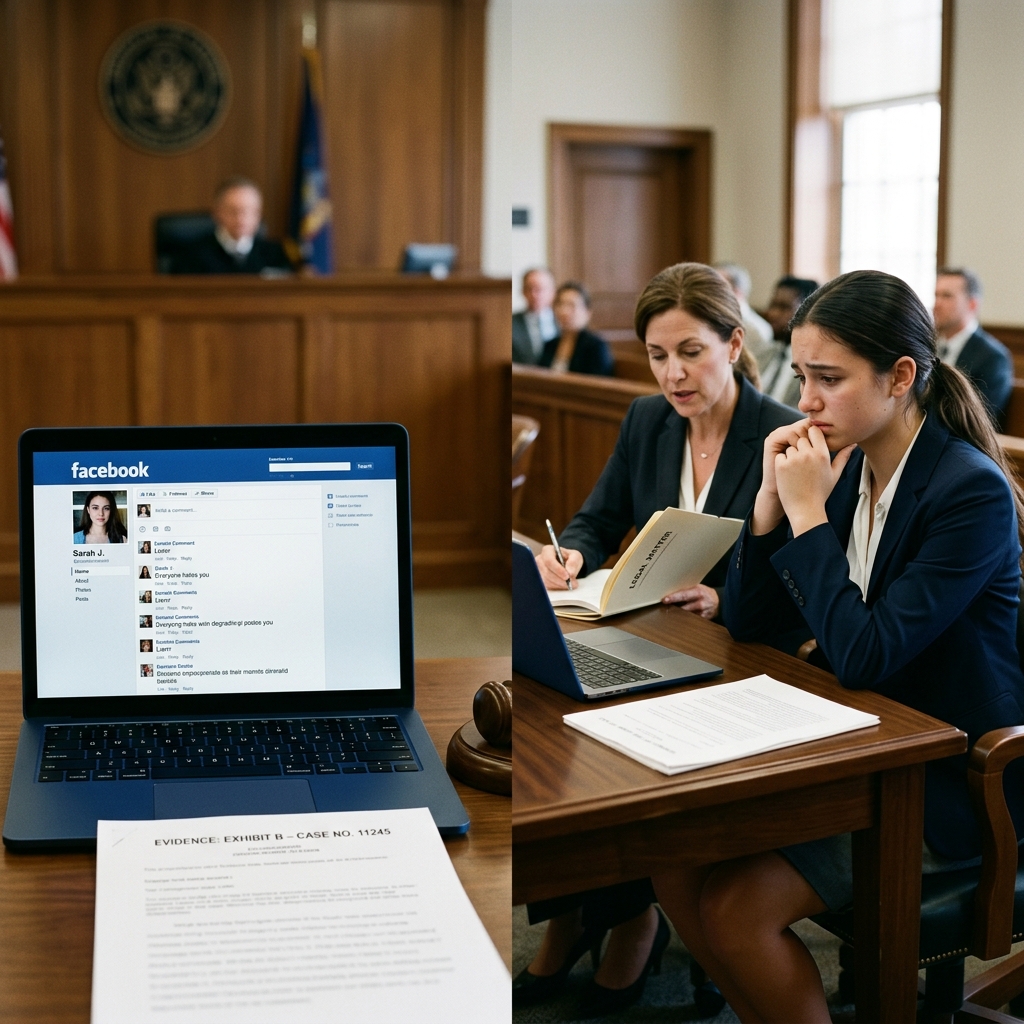
When online cruelty crosses the line from hurtful to harmful, some families are turning to the courts. In one widely discussed Georgia case, a middle school student and her parents filed a lawsuit after classmates allegedly created a fake Facebook profile in her name, filled it with racist and sexually explicit content, and used it to humiliate her among peers. The case illustrates how
cyberbullying
,defamation
, andparent responsibility
intersect in the age of social media.This article uses that Facebook cyberbullying lawsuit as a starting point to explain how the law treats fake profiles and online harassment, what defamation means when the victim is a minor, and what practical options families have when schools or police say their hands are tied.
From Playground Taunts to Digital Attacks
Traditional bullying once happened mostly in hallways, schoolyards, and buses. Today, much of it occurs through screens, often on platforms like Facebook, Instagram, TikTok, and messaging apps. In the Georgia case, classmates allegedly built a fake Facebook page using a distorted photo of the teen and then posted fabricated comments suggesting drug use, sexual behavior, and racist attitudes.
Several features of cyberbullying make it uniquely damaging:
- Persistence: Hurtful posts can remain visible 24/7, long after the initial incident.
- Audience size: Content can be shared widely, amplifying embarrassment and stigma.
- Anonymity or impersonation: Bullies may hide behind fake profiles or impersonate the victim.
- Difficulty escaping: For teens, social media is deeply embedded in daily life, making it hard to avoid harassment.
In cases like the Georgia lawsuit, the bullying goes beyond hurt feelings. False statements can damage reputations, affect friendships, and create a hostile school environment. That’s where defamation law may come into play.
What Makes Online Bullying a Legal Issue?
Not every mean comment is illegal. However, when bullies publish false statements about someone that could seriously harm their reputation, and those statements are presented as fact, the law may treat that conduct as
defamation
.In the Georgia Facebook case, the teen’s lawsuit alleges:
- Libel: Defamatory statements posted in writing online, including on fake profiles and comment threads.
- Intentional infliction of emotional distress: Conduct so extreme and outrageous that it is intended to, or recklessly causes, severe emotional harm.
Her family pursued civil claims because, according to news coverage, the school and local law enforcement initially concluded they had limited ability to intervene based on existing policies and statutes. The lawsuit therefore became their avenue to seek accountability.
Understanding Libel and Cyber Defamation
Defamation law varies by state, but courts generally look for a set of core elements in a libel claim.
| Element of Libel | Meaning in an Online Context |
|---|---|
| Publication | Content is shared with at least one person other than the victim, such as posts on Facebook or messages in group chats. |
| Defamatory statement | The statement would tend to harm the target’s reputation in the eyes of a reasonable person. |
| Falsity | The statement is not true and is presented as fact, rather than opinion or parody. |
| Fault | At minimum, the speaker failed to exercise reasonable care; in some cases intent or reckless disregard must be shown. |
| Harm | The victim suffered reputational, emotional, or other damages as a result of the publication. |
In fake-profile cases,
publication
is usually easy to prove because the profile, comments, or group posts are shared with other users. A page depicting a teen as racist or sexually promiscuous may reasonably be seen as damaging to that teen’s reputation among classmates, teachers, or future schools.Courts also consider whether an ordinary reader would believe the content. If the profile looks realistic and uses the teen’s photo, name, and plausible details, judges may view the statements as more credible and therefore more harmful.
Intentional Infliction of Emotional Distress
Beyond defamation, some lawsuits claim that cyberbullying amounts to
intentional infliction of emotional distress
. This civil claim typically requires showing:- The bully’s conduct was extreme and outrageous.
- The conduct was intended to cause distress or carried out with reckless disregard for the victim’s well-being.
- The victim experienced severe emotional harm, such as anxiety, depression, or loss of functioning.
In the Georgia Facebook case, the complaint alleged both libel and intentional infliction of emotional distress, highlighting the emotional impact of the fabricated profile on the teen’s life. While not every harassment claim will meet the high legal threshold for this tort, cases involving prolonged or particularly humiliating online attacks may come closer.
When Parents Are Pulled Into the Lawsuit
One striking aspect of modern cyberbullying lawsuits is that they often name not only the teen bullies, but also their parents as defendants.[10] Families pursuing legal action may argue that guardians failed to supervise their children’s online activities or neglected to act once they knew about harmful content.
Legal commentary on the Georgia case and other similar lawsuits has emphasized a few themes regarding parent liability:
- Knowledge matters: Courts look at what parents knew or reasonably should have known about their child’s online behavior.
- Failure to act: In one reported decision, judges focused on the fact that parents did not require their child to remove a harmful page even after being alerted to its existence.
- Supervision expectations: As social media has become central to teen life, courts may examine whether parents took reasonable steps to supervise accounts, set rules, or respond to concerns.
Holding parents financially responsible can serve multiple purposes: it creates a party with resources to pay damages, sends a message about supervision duties, and underscores that online conduct has offline consequences.[10]
Can Families Sue Facebook or Other Platforms?
Some cyberbullying disputes have expanded beyond individual bullies to include social media companies as defendants. For example, separate cases have named Facebook over groups or pages used to bully teens.[10] However, U.S. law generally gives online platforms broad immunity for content created by users.
Under federal law, particularly Section 230 of the Communications Decency Act, platforms are typically not treated as the “publisher” or “speaker” of user-generated content. This makes it very difficult to hold them liable for posts created by third parties, even when those posts are harmful or offensive.
As a result, lawsuits like the Georgia case focus largely on the classmates and their parents, rather than on Facebook itself, although plaintiffs may still pressure platforms to remove content, suspend accounts, or improve reporting tools.
Why Some Families Turn to Civil Courts
Families often first report cyberbullying to schools or law enforcement. But responses can vary widely. In some situations:
- Schools may say the incident is outside their jurisdiction if it occurs off campus or outside school hours.
- Police may conclude that the behavior does not meet the elements of a criminal offense.
- Existing anti-bullying policies may not clearly address impersonation or fake profiles.
When these avenues seem ineffective, civil lawsuits offer an alternative route. Through defamation and related claims, families can seek:
- Damages for emotional distress, reputational harm, and related costs.
- Injunctions requiring removal of harmful content or restricting future conduct.
- Public accountability that signals the seriousness of online harassment.
The Georgia teen’s case received national media attention, which her parents reportedly hoped would also raise awareness and encourage stronger school and legal responses to cyberbullying.
Practical Steps for Parents and Teens
Not every family will want or be able to pursue litigation, but there are tangible steps that parents and teens can take when facing cyberbullying, whether or not a lawsuit is on the horizon.
Document Everything
Evidence is critical in both school investigations and potential legal claims. Families should:
- Save screenshots of profiles, posts, comments, and messages.
- Preserve timestamps and usernames associated with offending content.
- Record how long the material remained online and who could access it.
Detailed documentation can help show publication, content, and impact—key pieces for both defamation claims and internal school processes.
Use Platform Reporting Tools
Most major social media platforms offer reporting mechanisms for harassment, impersonation, and harmful content. Families can:
- Report fake accounts or pages impersonating the teen.
- Flag abusive posts for review under community standards.
- Request account removal or content takedown where appropriate.
While platforms do not always respond quickly or in the way victims hope, filing formal reports creates a record that may matter later.
Engage Schools Early
Even when cyberbullying occurs off campus, it can spill into the school environment, affecting safety and student well-being. Many states now require schools to adopt anti-bullying policies that include cyberbullying. Parents can:
- Share documentation with school administrators or counselors.
- Ask how the school’s anti-bullying policy applies to off-campus online conduct.
- Request safety planning or mediation when appropriate.
Some schools will involve law enforcement or district officials when online harassment is severe or persistent.
Consult Legal Counsel
Talking to an attorney experienced in defamation or youth law can help families understand:
- Whether the conduct meets legal standards for defamation or other claims.
- The pros and cons of litigation versus other approaches.
- Possible remedies, including negotiated settlements or court orders.
Lawyers can also advise on how to approach the bullies’ parents, whether to send a formal demand letter, and how to protect the teen’s privacy during any legal process.
Balancing Free Speech and Protection from Harm
Cyberbullying lawsuits raise challenging questions about free speech, adolescent behavior, and accountability. Courts must distinguish between:
- Opinion and insult, which are generally protected speech.
- False statements of fact that are presented as true and cause real harm.
- Parody or obvious jokes versus realistic impersonation likely to mislead others.
In teen contexts, judges also consider the developing maturity of minors, school discipline options, and the broader social impact of their rulings. Early cases like the Georgia Facebook lawsuit contribute to evolving norms around what constitutes actionable online harassment.
Frequently Asked Questions (FAQs)
1. Is all cyberbullying illegal?
No. Hurtful or cruel speech is not automatically illegal. Cyberbullying becomes a legal issue when it crosses into areas such as defamation, stalking, threats, or harassment defined in criminal or civil law. A fake profile that spreads believable, harmful falsehoods may support a defamation claim, but ordinary name-calling usually does not.
2. Can a minor sue classmates for defamation?
Yes, minors can be plaintiffs in defamation lawsuits, typically with their parents or guardians bringing the suit on their behalf. In the Georgia Facebook case, the teen and her parents sued classmates and their parents for libel and emotional distress based on the fake profile and offensive content.
3. Are parents always responsible for their child’s online bullying?
No, responsibility depends on the specific facts and the law of the jurisdiction. Some courts have found parents liable when they knew about harmful online content and failed to take steps to remove it or stop their child’s behavior. Other cases may focus primarily on the teen who created the content.
4. Can families force Facebook to remove a fake profile?
Families can request removal through Facebook’s reporting tools, and platforms frequently take down clear impersonation accounts. However, legal claims against Facebook itself are usually limited because federal law protects platforms from liability for most user-generated content.
5. What should parents do first if their child is targeted?
Parents should immediately document the content, report it to the platform, talk with their child about safety and emotional impact, and notify the school if the bullying involves classmates. Consulting an attorney may be appropriate in severe cases, especially where false statements could significantly damage the child’s reputation or mental health.
References
- Teen Sues Classmates Over Facebook Cyberbullying — FindLaw Legal Blogs. 2012-04-30. https://www.findlaw.com/legalblogs/law-and-life/teen-sued-classmates-over-facebook-cyberbullying/
- Teen Sues Classmates for Libel Over Facebook Page — NBC News. 2012-04-30. https://www.nbcnews.com/id/wbna47196239
- Teen Sues Over Facebook Bullying — Wired. 2012-04-27. https://www.wired.com/2012/04/teen-sues-over-bullying/
- Facebook Cyberbullying Case Study & Legal Information — Kelly / Warner Law. 2013-06-10. https://kellywarnerlaw.com/facebook-cyberbullying-case-legal-info
- Teen Sues Facebook Over Cyberbullying — HotHardware. 2013-01-24. https://hothardware.com/news/teen-sues-facebook-over-cyberbullying
Similar Articles








Read full bio of Sneha Tete


