
Tech Transforming DUI Defense Strategies
Discover how AI, digital tools, and virtual courts are revolutionizing DUI defense, empowering attorneys with data-driven strategies for better outcomes.
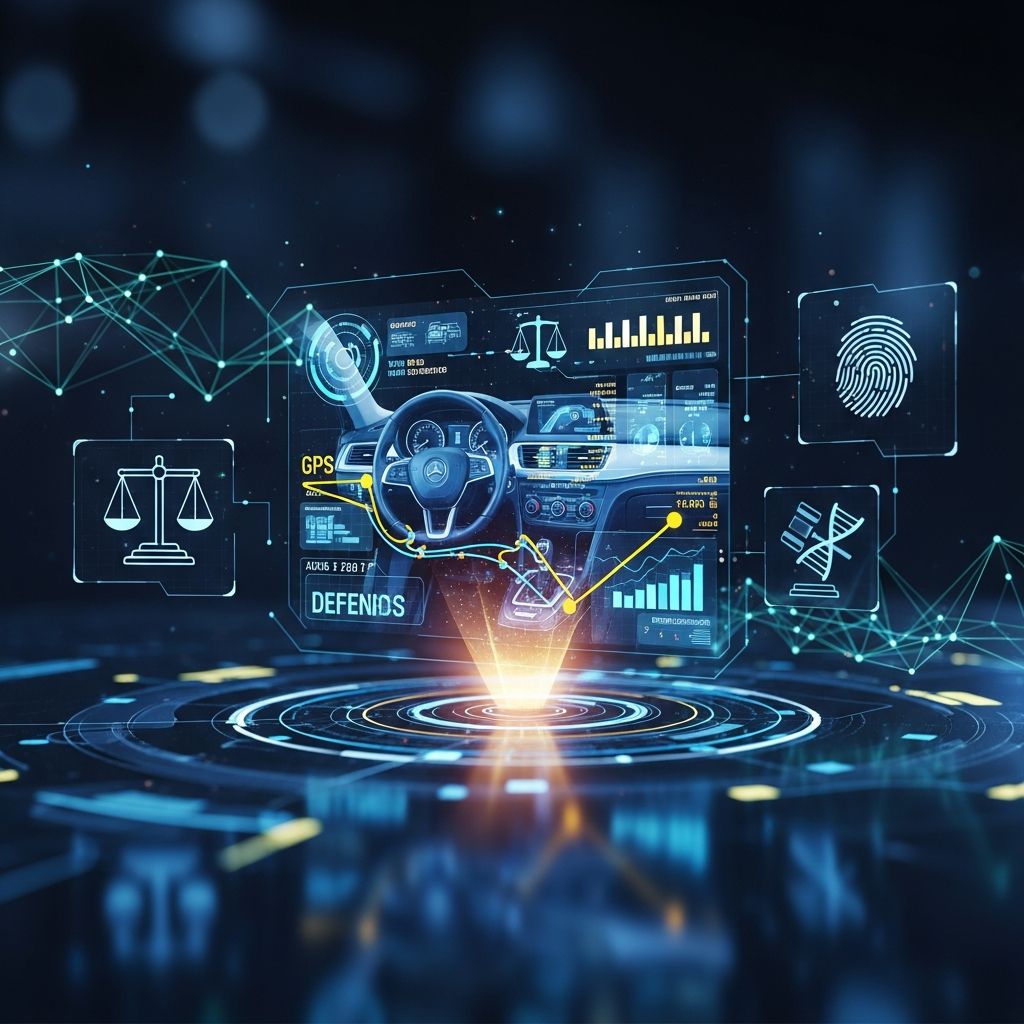
Advancements in technology are fundamentally altering the landscape of DUI defense, providing attorneys with powerful tools to dissect evidence, predict outcomes, and streamline legal processes. From AI-driven data scrutiny to virtual courtroom innovations, these developments enable more precise and efficient defenses against driving under the influence charges.
AI’s Role in Scrutinizing Evidence
Artificial intelligence is at the forefront of transforming how DUI cases are analyzed. AI systems can process massive volumes of data from sources like dashcam videos, body cameras, and police reports in minutes, identifying subtle inconsistencies that human reviewers might overlook. For instance, algorithms detect irregularities in field sobriety test administration, such as improper instructions or environmental factors affecting performance.
This capability extends to chemical testing devices. Breathalyzers and blood tests, once considered ironclad evidence, are now subject to AI evaluation for calibration errors, procedural lapses, or external influences like medical conditions that could skew results. By cross-referencing test data against historical patterns, AI flags potential inaccuracies, allowing defense teams to challenge reliability in court.
Digital Forensics and Multimedia Review
Modern DUI investigations generate extensive digital trails, including GPS logs, cell phone records, and surveillance footage. AI-powered digital forensics tools excel at parsing this information to reconstruct timelines and verify alibis. GPS data might reveal a defendant was not operating the vehicle, while communication records can establish alternative narratives contradicting police accounts.
Body and dash camera footage, often hours long, poses a review challenge. AI platforms transcribe audio with speaker identification, highlight tone changes, and flag mismatches between video and written reports. This not only saves time but uncovers violations like extended stops or omitted Miranda warnings, grounds for evidence suppression.
- Automated transcription of jail calls and interviews for key statements.
- Visual analysis detecting behaviors inconsistent with impairment claims.
- Timeline synchronization across multiple digital sources.
Predictive Analytics for Strategic Decisions
Predictive models powered by AI analyze thousands of past DUI cases to forecast outcomes based on variables like judge tendencies, evidence strength, and prosecution patterns. Attorneys gain insights into plea deal viability or trial success probabilities, optimizing strategies accordingly.
These tools also reveal prosecutorial trends, such as frequent reliance on certain test types or overlooked defenses. Armed with this foresight, lawyers anticipate moves, bolstering counterarguments and negotiation positions.
| Factor | AI Prediction Impact | Example Benefit |
|---|---|---|
| Judge History | High conviction rates in similar cases | Prioritize plea negotiations |
| Evidence Quality | Calibration issues detected | Motion to suppress tests |
| Prosecution Tactics | Common witness reliance | Prepare cross-examination |
Virtual Courtrooms and Remote Proceedings
The shift to virtual DUI hearings, accelerated by recent global events, demands adapted defense tactics. Online platforms enable real-time document sharing and expert consultations, enhancing preparation. Attorneys rehearse technical setups to avoid glitches, focusing on clear digital presentations.
Despite challenges like connectivity issues, virtual courts offer advantages: broader expert access and reduced travel burdens. Defense strategies emphasize visual aids and structured arguments suited to screens, potentially swaying remote judges more effectively.
Challenges and Ethical Considerations
While transformative, technology introduces hurdles. AI biases from training data can skew analyses, necessitating human oversight. Privacy concerns arise with digital evidence handling, and courts scrutinize AI-generated insights for admissibility.
Attorneys must balance tech reliance with legal acumen, ensuring tools augment rather than replace judgment. Continuous training on evolving platforms is essential for competitive edges.
Future Innovations in DUI Defense
Looking ahead, augmented reality could simulate field tests for jury demonstrations, while advanced AI predicts jury biases. Blockchain might secure evidence chains, preventing tampering claims. Early adopters will dominate as these integrate into standard practice.
Frequently Asked Questions (FAQs)
Can AI reliably challenge breathalyzer results?
Yes, AI identifies calibration errors and anomalies by comparing against vast datasets, often leading to successful admissibility challenges.
How does video analysis help in DUI cases?
AI scans footage for procedural violations, inconsistencies, and behaviors contradicting intoxication, supporting suppression motions.
Are virtual hearings fair for defendants?
They can be, with proper preparation; real-time tools aid defenses but require tech proficiency to mitigate glitches.
What are the risks of AI in defense?
Potential biases and admissibility issues exist; skilled attorneys verify outputs to ensure accuracy.
Will technology replace DUI lawyers?
No, AI handles data tasks, but human expertise interprets law and strategy.
Case Studies: Tech in Action
In one Florida case, AI analysis of dashcam footage revealed improper sobriety test cues, leading to dismissed charges. Another instance involved predictive analytics advising a plea, reducing penalties significantly. These examples illustrate tangible benefits.
Expanding on evidence review, consider a scenario where bulk-uploaded files—reports, videos, calls—are processed overnight. Transcripts with timestamps enable pinpoint defenses, turning overwhelming data into advantages.
GPS forensics proved pivotal when data showed a passenger driving, exonerating the owner. Such reconstructions dismantle prosecution narratives methodically.
Implementing Tech in Your Defense
Firms adopting AI platforms report faster case prep and higher success rates. Start with accessible tools for transcription and basic analytics, scaling to advanced forensics. Client education on tech’s role builds trust.
Collaboration with tech-savvy experts ensures comprehensive coverage. As DUI laws evolve with tech, proactive integration is key to superior representation.
Technology’s infusion into DUI defense marks a paradigm shift, leveling playing fields through precision and efficiency. Clients benefit from meticulous, evidence-based advocacy that exploits every prosecutorial weakness.
References
- How AI Technology is Transforming DUI Defense Strategies in Florida — Musca Law, P.A. 2024-10-15. https://www.muscalaw.com/blog/how-ai-technology-transforming-dui-defense-strategies-florida
- DUI Defense Strategies + Using AI to Investigate — Rev. 2025-03-12. https://www.rev.com/blog/dui-defense-strategies
- Can AI Help Defend You Against a DUI? Legal Tech and the Future of Defense — Steven Titus & Associates, P.C. 2025-01-20. https://www.steventituslaw.com/blog/can-ai-help-defend-you-against-a-dui-legal-tech-and-the-future-of-defense/
- Virtual DUI Court: How Remote Hearings Are Shaping Modern Criminal Defense — DUI Queen. 2025-10-15. https://www.duiqueen.com/blog/2025/october/virtual-dui-court-how-remote-hearings-are-shapin/
- How Technology Is Changing the Landscape of Criminal Defense — LN Legal. 2024-11-05. https://lnlegal.com/criminal-defense/how-technology-is-changing-the-landscape-of-crim/
- How AI is Changing Criminal Investigations and Defense Strategies — Roy Kahn Law. 2025-02-28. https://roykahnlaw.com/how-ai-is-changing-criminal-investigations-and-defense-strategies/
Similar Articles








Read full bio of Sneha Tete




