
Systemic Fracture: The Legal System and Black Women
How the justice system marginalizes Black women, girls, and non-binary people.
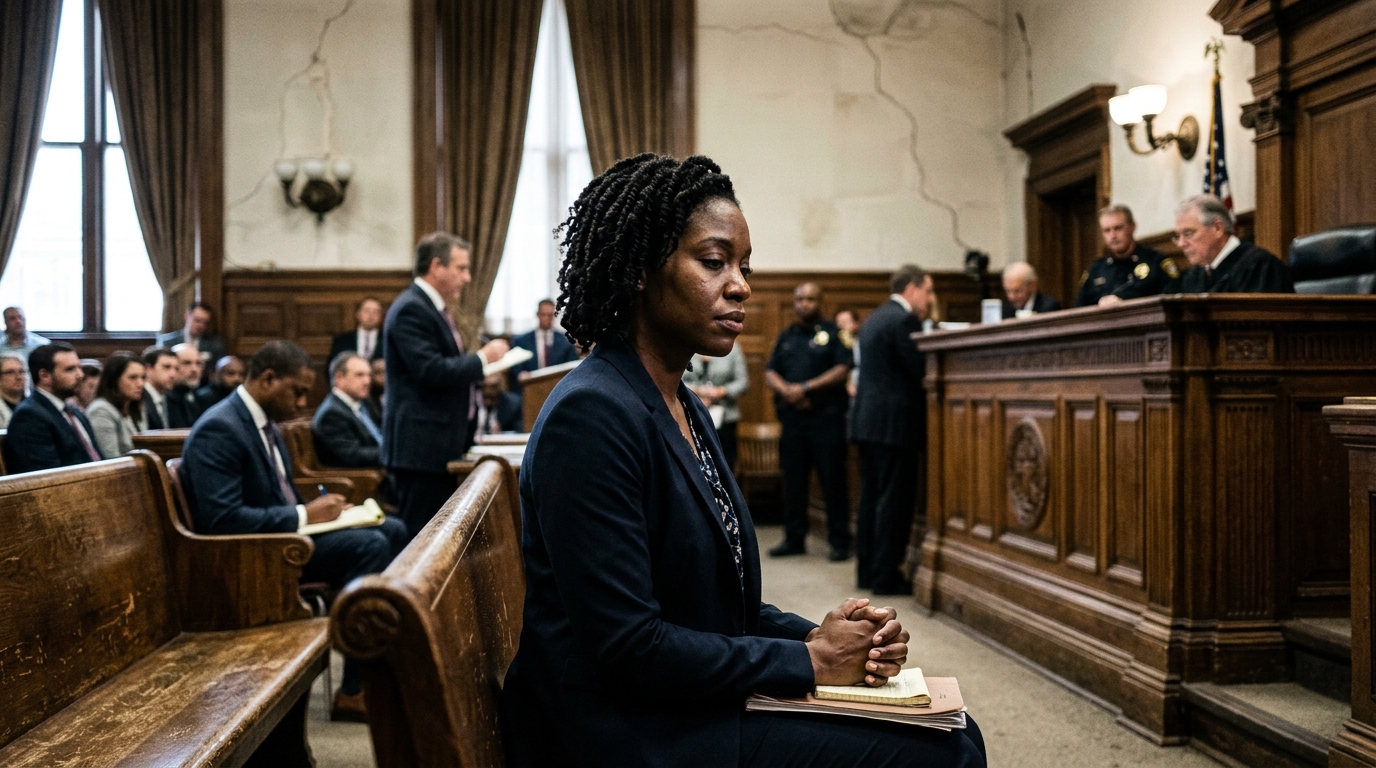
Intersecting Inequities: The Reality for Black Women and Girls in Justice Systems
The American justice system is ostensibly designed to protect the rights, safety, and liberties of the public. However, a closer examination of legal and carceral practices reveals a deeply entrenched structural bias that disproportionately harms Black women, girls, and non-binary individuals. Grounded in a complex intersection of racial prejudice and gender-based discrimination, these systemic failures manifest in virtually every layer of the justice process. From early educational environments to law enforcement interactions and courtroom proceedings, Black women and girls frequently find themselves criminalized rather than protected.
To understand the profound impact of these systemic fractures, it is essential to analyze the underlying mechanisms that drive such disparities. This is not merely a matter of individual bias among law enforcement officers or judges; it is a feature of a historically rooted framework that consistently invalidates the trauma, innocence, and vulnerability of Black individuals. Intersectionality—a framework first articulated by legal scholar Kimberlé Crenshaw—provides the necessary lens to comprehend how the simultaneous experiences of anti-Black racism and misogyny create unique vulnerabilities that the legal system routinely exploits rather than mitigates. The historical context of the war on drugs further accelerated the mass incarceration of marginalized communities, specifically focusing on how women of color were caught in the crossfire of aggressive policing and mandatory minimums.
The Phenomenon of Adultification in Educational Settings
The marginalization of Black girls often begins long before any formal interaction with the criminal justice system; it takes root in the classroom. A deeply pervasive psychological phenomenon known as “adultification bias” fundamentally alters how Black girls are perceived and treated by educators, administrators, and school resource officers. Research conducted by the Georgetown Law Center on Poverty and Inequality demonstrates that adults routinely view Black girls—some as young as five years old—as less innocent, more independent, and more knowledgeable about adult topics than their white peers .
Because of this bias, behavior that is widely recognized as typical childhood or adolescent development in white children is frequently interpreted as malicious, insubordinate, or aggressive when exhibited by Black girls. This discrepancy leads directly to disproportionate rates of exclusionary discipline, such as suspensions and expulsions. Instead of receiving the nurturing and redirection appropriate for their age, Black girls are often pushed out of the educational environment and into the juvenile justice system.
This school-to-confinement pathway is further exacerbated by the increasing presence of law enforcement in schools. Zero-tolerance policies and the subjective enforcement of rules—such as dress code violations or “disruptive behavior”—disproportionately target Black girls. These exclusionary discipline policies do not improve school safety or student behavior; instead, they significantly decrease graduation rates and alienate students from their learning communities. The psychological toll of constantly being scrutinized and deemed inherently disruptive creates a hostile educational environment where Black girls feel unsupported and misunderstood. Reversing this trend requires educators to confront their implicit biases and adopt restorative justice practices that focus on conflict resolution and emotional development, rather than punitive exclusion.
From Victimization to Criminalization: The Abuse-to-Prison Pipeline
One of the most tragic failures of the legal system is its treatment of Black women and girls who are survivors of domestic and sexual violence. Rather than offering a haven of protection, the system frequently re-traumatizes and criminalizes them. This phenomenon is often referred to as the abuse-to-prison pipeline, a trajectory where the strategies employed by marginalized individuals to survive abuse are ultimately weaponized against them in a court of law .
When Black women attempt to defend themselves against intimate partner violence, their actions are rarely afforded the same presumption of justifiable self-defense that might be granted to others. Stereotypes that portray Black women as inherently aggressive or excessively resilient obscure their status as victims. Consequently, law enforcement officials responding to domestic disturbance calls frequently arrest the survivor alongside—or instead of—the primary aggressor. Policies such as mandatory arrest laws, initially designed to protect domestic violence victims, have paradoxically led to an increase in the arrest and prosecution of Black women .
Once caught in the criminal legal system, these survivors face staggering legal barriers. The intersection of racism and sexism means that the trauma experienced by Black women is frequently minimized or entirely dismissed by responding officers and the judicial branch. Furthermore, the reliance on rigid prosecutorial guidelines often prevents judges from considering the totality of the circumstances surrounding an offense. When survival mechanisms are criminalized, it sends a dangerous message to all victims of abuse: that seeking help from the state may be just as perilous as remaining with an abuser. The financial burden of bail, inadequate legal representation, and the threat of severe mandatory minimum sentences often coerce innocent survivors into accepting plea deals, further entrenching them in a lifelong cycle of legal and economic disenfranchisement. True legal reform must involve an overhaul of how the courts define and assess self-defense in the context of prolonged intimate partner violence.
Stark Realities: Examining the Data on Incarceration
The statistical landscape regarding the incarceration of Black women provides a sobering reflection of these intersecting biases. While the overall U.S. prison population has seen fluctuations over the past decade, the impact on marginalized groups remains disproportionately severe. According to the Bureau of Justice Statistics, at the end of 2022, Black individuals represented 32% of all sentenced state and federal prisoners, despite comprising only about 13% of the U.S. population . Furthermore, the data showed a concerning 5% increase in the number of females in state or federal prisons from year-end 2021 to 2022 .
This overrepresentation is not indicative of higher inherent criminality, but rather the culmination of over-policing in minority communities, systemic economic disadvantages, and a judicial process that frequently issues harsher sentences to Black defendants. To illustrate the compounding factors contributing to these disparities, the following table outlines several critical areas where the system disproportionately impacts Black women and girls:
| Systemic Issue | Impact on Black Women & Girls | Underlying Mechanism |
|---|---|---|
| School Discipline | Higher rates of suspension and arrest for minor infractions. | Adultification bias and subjective enforcement of school policies. |
| Self-Defense Criminalization | High rates of arrest when defending against intimate partner violence. | Failure to recognize victimization and stereotypes of inherent aggressiveness. |
| Pretrial Detention | Extended jail time prior to trial due to inability to pay cash bail. | Systemic wealth gaps and punitive bail structures. |
| Sentencing Disparities | Longer and harsher sentences compared to white counterparts for similar offenses. | Judicial bias and mandatory minimum sentencing laws. |
The Economic and Collateral Consequences of Systemic Involvement
Beyond the immediate physical and psychological trauma of incarceration, the collateral consequences of legal system involvement create enduring cycles of poverty and disenfranchisement for Black women and their families. When a mother or primary caregiver is incarcerated, the structural integrity of the entire family is compromised. Children are frequently displaced into the foster care system, perpetuating intergenerational trauma and increasing the likelihood that they, too, will eventually intersect with the juvenile justice system.
Furthermore, the financial devastation brought on by legal fees, predatory bail bond practices, and the loss of employment cannot be overstated. Even after serving a sentence or being acquitted, Black women face an uphill battle in securing stable housing and employment. The permanent stigma of a criminal record severely limits access to federal assistance programs, educational grants, and public housing, effectively ensuring that the punishment extends far beyond the duration of the court’s official sentence. This economic marginalization is a profound systemic failure that traps families in poverty and significantly elevates the risk of recidivism.
The Invisibility of Victimhood: When the System Looks Away
While Black women and girls are highly visible when it comes to policing and punishment, they are simultaneously rendered invisible when they are the victims of crime. The crisis of missing and murdered Black women and girls receives a fraction of the media attention and law enforcement resources dedicated to similar cases involving white victims. This discrepancy—often highlighted by sociologists as “missing white woman syndrome”—reflects a broader societal and institutional devaluation of Black lives.
When a Black woman or girl goes missing, their cases are frequently misclassified. Minors are routinely labeled as “runaways” rather than victims of abduction or human trafficking, which immediately and drastically reduces the urgency and resources allocated to the search. Similarly, violence against Black transgender and non-binary individuals is chronically underreported, with victims often misgendered in official police reports, further obscuring the true scale of the violence they face.
This apathy from the justice system sends a chilling message: that the state is more invested in punishing Black women than protecting them. This lack of institutional support forces communities to rely on grassroots organizations and mutual aid networks to organize search parties, raise public awareness, and demand accountability from local authorities.
Pathways to Transformation: Building a Just Framework
Dismantling a system so deeply rooted in bias requires comprehensive, transformative action rather than superficial reforms. True justice for Black women, girls, and gender-expansive individuals demands a fundamental restructuring of how society addresses harm, trauma, and safety.
First and foremost, policymakers must work to eradicate the school-to-prison pipeline by removing police from schools and investing heavily in counselors, social workers, and mental health professionals. Educators and administrators must be required to undergo rigorous, ongoing training to recognize and unlearn adultification bias, ensuring that Black girls are allowed the grace and developmental space of childhood.
In the realm of criminal law, the criminalization of survival must end. Legislative frameworks must be adapted to mandate trauma-informed responses to domestic violence calls, and self-defense laws must be equitably applied to protect survivors who use force against their abusers. Additionally, there must be a concerted effort to invest in community-led intervention programs. Rather than relying on law enforcement to mediate domestic disputes or mental health crises, cities should deploy specialized, non-police response teams trained in de-escalation and trauma counseling. These alternative response models have shown significant promise in reducing unnecessary arrests and preventing fatal encounters between marginalized individuals and the police. Funding for these initiatives can be sourced by reallocating portions of traditional law enforcement budgets toward social services, education, and community development.
Ultimately, a shift toward restorative justice models—which prioritize healing, accountability, and community support over punitive incarceration—offers a viable path forward. By centering the voices and experiences of those most impacted by these systemic failures, society can begin to construct a legal framework that genuinely protects all its citizens, regardless of race or gender.
Frequently Asked Questions (FAQs)
What is adultification bias?
Adultification bias is a form of racial prejudice where adults perceive Black children, particularly Black girls, as being older, more mature, and less innocent than their biological age. This bias leads to harsher disciplinary actions in schools and more severe treatment within the juvenile justice system.
How does the justice system criminalize survival?
The justice system criminalizes survival by prosecuting individuals who are forced to engage in illegal activities to escape or survive abuse. For Black women, this often occurs when they act in self-defense against an abusive partner but are arrested and prosecuted instead of being treated as victims in need of protection.
What is the school-to-prison pipeline?
The school-to-prison pipeline refers to the policies and practices that push students—disproportionately marginalized youth and youth of color—out of educational environments and into the juvenile and adult criminal justice systems, often through zero-tolerance discipline and police presence in schools.
Why are missing Black women and girls often ignored by the media?
This phenomenon is tied to systemic racial bias and the societal devaluation of Black lives. Often referred to as “missing white woman syndrome,” the media and law enforcement typically allocate disproportionate resources and urgent coverage to cases involving affluent white women, while marginalizing cases involving Black and Indigenous women.
References
- Girlhood Interrupted: The Erasure of Black Girls’ Childhood — Center on Poverty and Inequality, Georgetown Law. 2017-06-27. https://genderjusticeandopportunity.georgetown.edu/wp-content/uploads/2020/06/girlhood-interrupted.pdf
- Prisoners in 2022 – Statistical Tables — Bureau of Justice Statistics. 2023-11-30. https://bjs.ojp.gov/document/p22st.pdf
- The Impact of Incarceration and Mandatory Minimums on Survivors — U.S. Department of Justice, Office on Violence Against Women. 2017-05-01. https://www.justice.gov/ovw/page/file/926631/download
- Criminalized Survivors: Today’s Abuse to Prison Pipeline for Girls — Georgetown Law Center on Poverty and Inequality. 2019-10-01. https://genderjusticeandopportunity.georgetown.edu/wp-content/uploads/2020/06/Criminalized-Survivors-Report.pdf
Similar Articles








Read full bio of Sneha Tete


