
Is Synthetic Marijuana Like K2 or Spice Illegal?
Unraveling the legal status, health dangers, and enforcement of synthetic cannabinoids known as K2 and Spice across the US.
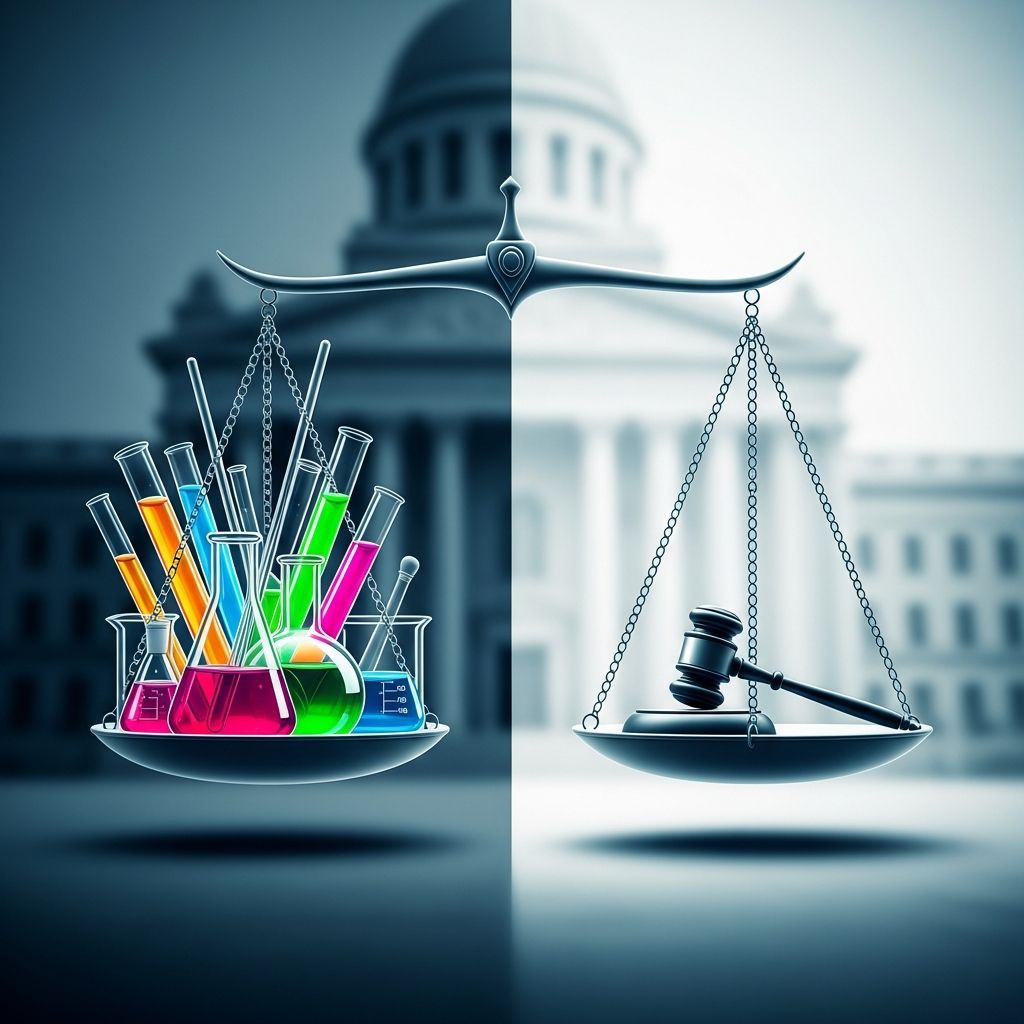
Synthetic cannabinoids, marketed under names like K2 and Spice, are man-made chemicals designed to imitate the effects of marijuana’s THC. These substances are illegal at both federal and state levels in the United States, classified as Schedule I controlled substances under the Controlled Substances Act.
Understanding Synthetic Cannabinoids: What They Are and How They Differ from Natural Marijuana
Synthetic marijuana refers to lab-created compounds from the synthetic cannabinoid class, sprayed onto dried plant material to mimic the high of cannabis. Unlike natural marijuana, which contains Δ9-tetrahydrocannabinol (THC) as its primary psychoactive ingredient, these synthetics use entirely artificial chemicals that bind much more potently to cannabinoid receptors in the brain.
Products like K2 and Spice are often packaged as “herbal incense,” “potpourri,” or air fresheners, with labels explicitly stating “not for human consumption” to evade initial regulatory scrutiny. This marketing ploy allowed early sales in head shops, gas stations, convenience stores, and online platforms.
The chemical makeup varies widely, with manufacturers constantly tweaking formulas to dodge bans. Over dozens of compounds have been identified, far exceeding the psychoactive profile of natural cannabis. This unpredictability heightens risks, as users cannot gauge potency or purity.
The Evolution of Synthetic Marijuana: From Legal Loophole to Nationwide Crackdown
Synthetic cannabinoids first surfaced in the U.S. around 2008, when U.S. Customs and Border Protection seized a shipment of “Spice” in Ohio. Initially unregulated due to their novel chemistry and “non-consumable” labeling, they exploded in popularity among teens and young adults seeking a legal high.
By 2010, reports of hospitalizations from seizures, hallucinations, and acute psychosis prompted action. In March 2011, the Drug Enforcement Administration (DEA) invoked emergency scheduling authority to ban five key chemicals used in K2 production, placing them in Schedule I alongside heroin and LSD. This temporary measure, justified as protecting public health, lasted at least one year while further studies were conducted.
Congress solidified these efforts with the Synthetic Drug Abuse Prevention Act of 2012, part of the FDA Safety and Innovation Act signed by President Obama. This law permanently scheduled 26 synthetic cannabinoids and cathinones (related stimulants like bath salts) as Schedule I drugs, while extending DEA’s emergency powers from 18 to 36 months.
The Controlled Substance Analogue Enforcement Act of 1986 provides additional teeth, treating unlisted analogues as controlled if they mimic scheduled drugs chemically or pharmacologically. Despite this, clandestine labs—often overseas or in U.S. neighborhoods—adapt recipes, perpetuating availability.
Federal vs. State Laws: A Comprehensive Patchwork of Bans
At the federal level, the DEA lists Spice and K2 under numerous trade names as Schedule I substances, prohibiting manufacture, distribution, possession, and use. Violations carry severe penalties, including fines and lengthy prison terms, comparable to heroin trafficking.
All 50 states have enacted laws banning synthetic marijuana, though specifics vary. Many classify it as a Schedule I drug equivalent to cocaine or heroin. Possession often constitutes a misdemeanor or felony, with intent to sell escalating charges.
| State Example | Key Provisions | Penalties for Possession |
|---|---|---|
| California | Bans all known synthetic cannabinoids; analogue clause applies | Misdemeanor, up to 1 year jail |
| Florida | Schedule I; possession under 20g misdemeanor | Felony for larger amounts or sales |
| Texas | Statewide ban since 2011; includes new variants | State jail felony for possession |
| New York | Permanently scheduled; sales targeted heavily | Felony possession, 1-20 years |
Some states differentiate by form—banning inhalation but not possession—while others impose felony charges universally. Enforcement challenges persist as new compounds emerge faster than legislation.
Health Hazards: Why Synthetics Are Far More Dangerous Than Real Marijuana
Synthetic cannabinoids pose exponentially greater risks than natural cannabis due to their super-potent receptor binding, leading to overdose-like effects even in small doses. Users report extreme anxiety, paranoia, rapid heart rate, vomiting, and violent behavior.
Severe cases involve kidney failure, heart attacks, strokes, and uncontrollable bleeding—linked to one confirmed death in Wisconsin in 2018. Unlike marijuana’s relatively mild profile, synthetics evade standard drug tests and cause dependency faster.
- Acute Effects: Hallucinations, seizures, hypertension, psychosis
- Long-term Risks: Organ damage, mental health disorders, addiction
- Overdose Potential: No known antidote; emergency intervention often required
Usage dips in states with legalized marijuana, suggesting synthetics fill a gap where natural cannabis is restricted.
Legal Consequences: Possession, Distribution, and Defenses
Simple possession can lead to arrest, fines from $1,000+, and jail time up to a year for first offenses. Distribution or sales trigger felony charges with 5-40 year sentences federally, depending on quantity and priors.
Military personnel face additional scrutiny; the U.S. Army banned synthetics in 2011 via policy memo, independent of DEA actions, with testing capabilities expanding.
Defenses may include lack of knowledge (e.g., mislabeled product), challenging lab analysis accuracy for novel compounds, or arguing analogue status. However, “not for human consumption” labels do not protect users legally.
How Law Enforcement Tracks and Combats Synthetic Drugs
Agencies like DEA and CBP monitor imports, seizures, and online sales. Labs analyze sprayed plant matter to identify banned chemicals. Retail raids target gas stations and smoke shops stocking these disguised products.
Public awareness campaigns highlight dangers, urging avoidance. Despite bans, underground production continues, necessitating ongoing federal-state collaboration.
Frequently Asked Questions About K2 and Spice
Are K2 and Spice the same substance?
They are similar synthetic cannabinoids but not identical; both are trade names for various lab-made THC mimics, differing by chemical formula and producer.
Is synthetic marijuana legal anywhere in the US?
No state permits recreational use; all ban known variants, though unlisted new compounds create temporary gray areas quickly closed by law.
Can you get addicted to fake pot?
Yes, rapidly due to potency; withdrawal mirrors severe cannabis dependence but with heightened psychosis risk.
Why do people use synthetic marijuana over real weed?
Perceived legality, stronger high, and evasion of standard drug tests drive use, especially where cannabis is illegal.
What should you do if caught with Spice?
Seek legal counsel immediately; penalties vary, but cooperation and clean record may mitigate charges.
Staying Safe: Advice for Avoiding Synthetic Drug Traps
Recognize packaging tricks and street names like “Mojo,” “Black Mamba,” or “Scooby Snax.” Educate youth on risks, as high school use rivals marijuana rates historically. Report suspicious products to authorities. Opt for regulated, natural alternatives where legal.
References
- DEA Bans Sale of K2, Synthetic Marijuana, and Five Chemicals Used to Make it — ABC News (Katie Moisse and Ray Sanchez). 2011-03-01. https://abcnews.go.com/Health/Wellness/k2-crackdown-drug-enforcement-administration-bans-fake-pot/story?id=13027548
- Synthetic Drugs (a.k.a. K2, Spice, Bath Salts, etc.) — White House Office of National Drug Control Policy. 2012 (archived). https://obamawhitehouse.archives.gov/ondcp/ondcp-fact-sheets/synthetic-drugs-k2-spice-bath-salts
- Synthetic Cannabinoids (K2, Spice) — Wisconsin Department of Health Services. Accessed 2026. https://www.dhs.wisconsin.gov/chemical/synthetic-cannabinoids.htm
- K2 Legal States 2026 — World Population Review. 2026. https://worldpopulationreview.com/state-rankings/k2-legal-states
- Spice/K2, Synthetic Marijuana — U.S. Drug Enforcement Administration. Accessed 2026. https://www.dea.gov/factsheets/spice-k2-synthetic-marijuana
- ‘Spice’ now illegal — U.S. Army. 2011-03-22. https://www.army.mil/article/53810/spice_now_illegal
Similar Articles








Read full bio of Sneha Tete




