
Pool Hazards: Key Insights on Injuries and Prevention
Uncover critical facts about swimming pool dangers, legal responsibilities, and proven strategies to safeguard lives around water.
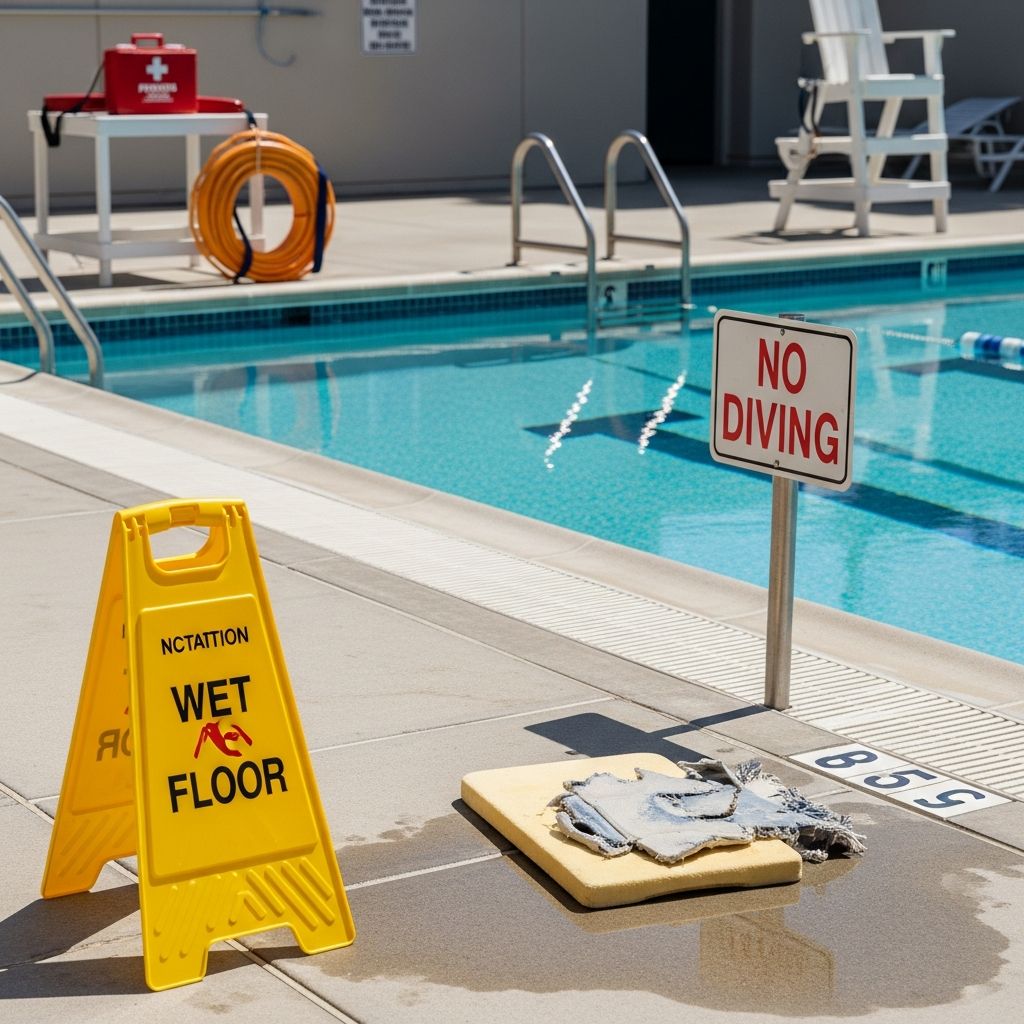
Swimming pools provide enjoyment and relief from summer heat, yet they harbor significant risks that lead to thousands of injuries and fatalities annually. Understanding these dangers empowers pool owners, parents, and visitors to take proactive steps. This article delves into the scope of pool-related incidents, primary causes, protective measures, legal frameworks, and practical advice for minimizing harm.
The Alarming Scope of Pool-Related Incidents
Pool accidents represent a major public health concern, with drownings and nonfatal injuries affecting communities nationwide. Data reveals that from 2005 to 2014, an average of 3,536 individuals died from drowning each year in the United States, translating to about 10 deaths daily. Beyond fatalities, thousands seek emergency care for pool injuries; the U.S. Consumer Product Safety Commission noted around 4,900 such visits annually from 2011 to 2013.
Children bear the brunt of these tragedies. Drowning ranks as the leading cause of unintentional death for ages 1-4 and second for ages 5-14. Recent figures from 2019-2021 show an average of 358 children under 15 fatally drowning in pools or spas yearly, with 6,500 requiring emergency room treatment. Notably, 75% of child drowning deaths and 77% of nonfatal injuries involve those 5 and younger. Residential pools account for 74% of fatal accidents, with 67% involving children under 3.
| Statistic | Value | Source |
|---|---|---|
| Average annual drowning deaths (2005-2014) | 3,536 | CDC via |
| Child drownings in pools/spas (2019-2021 avg.) | 358 under 15 | CPSC |
| Annual ER visits for pool injuries | 6,500 children | CPSC |
| Residential fatal accidents | 74% | |
| Children under 3 in drownings | 67% |
These numbers underscore the silent, rapid nature of drowning, which can occur in seconds without warning, even in shallow water or supervised settings.
Primary Causes Behind Pool Tragedies
Multiple factors contribute to pool mishaps, with lack of supervision topping the list. Statistics indicate that 77% of home drowning victims among children had been missing for five minutes or less, and 70% were not expected near the pool. Even brief distractions prove deadly, as young children can slip away unnoticed.
Suction entrapment poses another severe threat, where body parts or hair get caught in drains. From 2009-2013, 33 cases occurred, injuring 85% of victims, including 21 children under 15. Pools saw 45% of these, spas 33%, and 64% happened publicly.
Other contributors include slips on wet surfaces, diving mishaps into shallow areas, and equipment failures like broken ladders. Nonfatal incidents often lead to hospitalization; over 50% of young drowning victims require admission or transfer, with potential for permanent brain damage affecting cognition and memory. Medical expenses escalate quickly, from $8,000 initially to $250,000 yearly for ongoing care.
- Lack of barriers: Most child drownings (75% under 15) occur in home pools without adequate fencing.
- Unwitnessed events: 62.5% of cases involved victims found unresponsive.
- Age vulnerability: 42.1% of drownings hit ages 0-9, with males at higher risk.
Essential Prevention Strategies for Pool Safety
Effective safeguards dramatically reduce risks. Installing four-sided fencing at least 4 feet high, with self-closing, self-latching gates, prevents unauthorized access—crucial since 81% of known child fatalities occur residentially. Pool covers, alarms, and door sensors add layers of protection.
Constant supervision is non-negotiable. Designate a “Water Watcher”—an undistracted adult solely responsible for eyeing children in or near water. Swimming lessons build critical skills; while not foolproof, they boost confidence and survival odds. Warn children against drain play to avoid entrapment, ensuring covers comply with federal standards.
For public pools, lifeguards enhance safety; bystander CPR rates reach 91.3% with them present versus 68.6% in private settings. Homeowners should maintain equipment, clear debris, and post rules like “No running” or “No diving.”
Legal Responsibilities of Pool Owners
Property owners hold a duty to maintain safe premises, varying by jurisdiction but generally including proper barriers, signage, and equipment. Negligence—like absent fencing or faulty drains—can trigger liability for injuries. Premises liability laws hold owners accountable if hazards foreseeably cause harm.
In many areas, building codes mandate isolation fences separating pools from homes. Violations expose owners to lawsuits. For renters, landlords share responsibility for common areas. Parents may face claims if supervision lapses, but primary liability often falls on property controllers.
Insurance policies typically cover incidents, but exclusions apply for gross negligence. Documenting maintenance and safety features strengthens defenses.
Steps to Take After a Pool Incident
Immediate action saves lives: Remove the victim from water, call 911, and begin CPR if trained and breathing stops. Even responsive individuals need medical evaluation for secondary drowning risks.
For legal recourse, seek evidence: Photos of the scene, witness statements, and injury records. Consult an attorney specializing in personal injury; statutes of limitations apply, often 1-3 years. Compensation may cover medical bills, lost wages, pain, and long-term care.
Report serious incidents to authorities; CPSC tracks entrapment for recalls. Preserve the site to avoid spoliation claims.
Common Myths About Pool Safety Debunked
Myth 1: Shallow water is safe for toddlers. Reality: Most child drownings happen in under 4 feet.
Myth 2: Inflatable armbands suffice. Reality: They lack U.S. Coast Guard approval for safety and can deflate.
Myth 3: Drowning looks like struggle. Reality: It’s silent; victims slip underwater quietly.
Frequently Asked Questions (FAQs)
What is the top cause of child drownings?
A: Lack of supervision in residential pools, accounting for 74% of fatal cases.
Are above-ground pools safer?
A: No, 17% of child drownings under 15 occur there, plus 9% in portable pools.
How effective are pool fences?
A: Highly, as they block access; codes require them around all pools.
Can nonfatal drownings cause lasting damage?
A: Yes, often leading to brain injury, with 50%+ needing hospitalization.
Who is liable for guest injuries?
A: Typically the property owner if negligence like poor maintenance is proven.
Building a Safer Future Around Water
By prioritizing barriers, vigilance, education, and compliance, communities can curb preventable tragedies. Pool owners must audit hazards annually, teach families safety, and advocate for stricter enforcement. These efforts not only protect lives but foster worry-free recreation.
Word count: 1,712 (excluding metadata and references).
References
- Swimming Injury Statistics – Swimming Pool Accidents — Edgar Snyder & Associates. 2023 (approx., based on data). https://www.edgarsnyder.com/resources/swimming-injury-statistics
- Drowning in swimming pools: clinical features and safety … — PMC (NCBI). 2018-01-01. https://pmc.ncbi.nlm.nih.gov/articles/PMC5778258/
- New Data Shows Child Drownings Remain High — Pool Safely (CPSC). 2024-07-11. https://www.poolsafely.gov/2024/07/11/new-data-shows-child-drownings-remain-high/
- Drowning Statistics — Stop Drowning Now. 2023 (ongoing). https://www.stopdrowningnow.org/drowning-statistics
- Drowning Prevention & Facts — American Red Cross. 2023 (approx.). https://www.redcross.org/get-help/how-to-prepare-for-emergencies/types-of-emergencies/water-safety/drowning-prevention-and-facts.html
- Drowning Facts — CDC. 2023 (updated). https://www.cdc.gov/drowning/data-research/facts/
Similar Articles








Read full bio of Sneha Tete




