
Swatting Victims: Legal Rights and Remedies
Discover your legal options as a swatting victim, from reporting crimes to seeking justice and compensation.
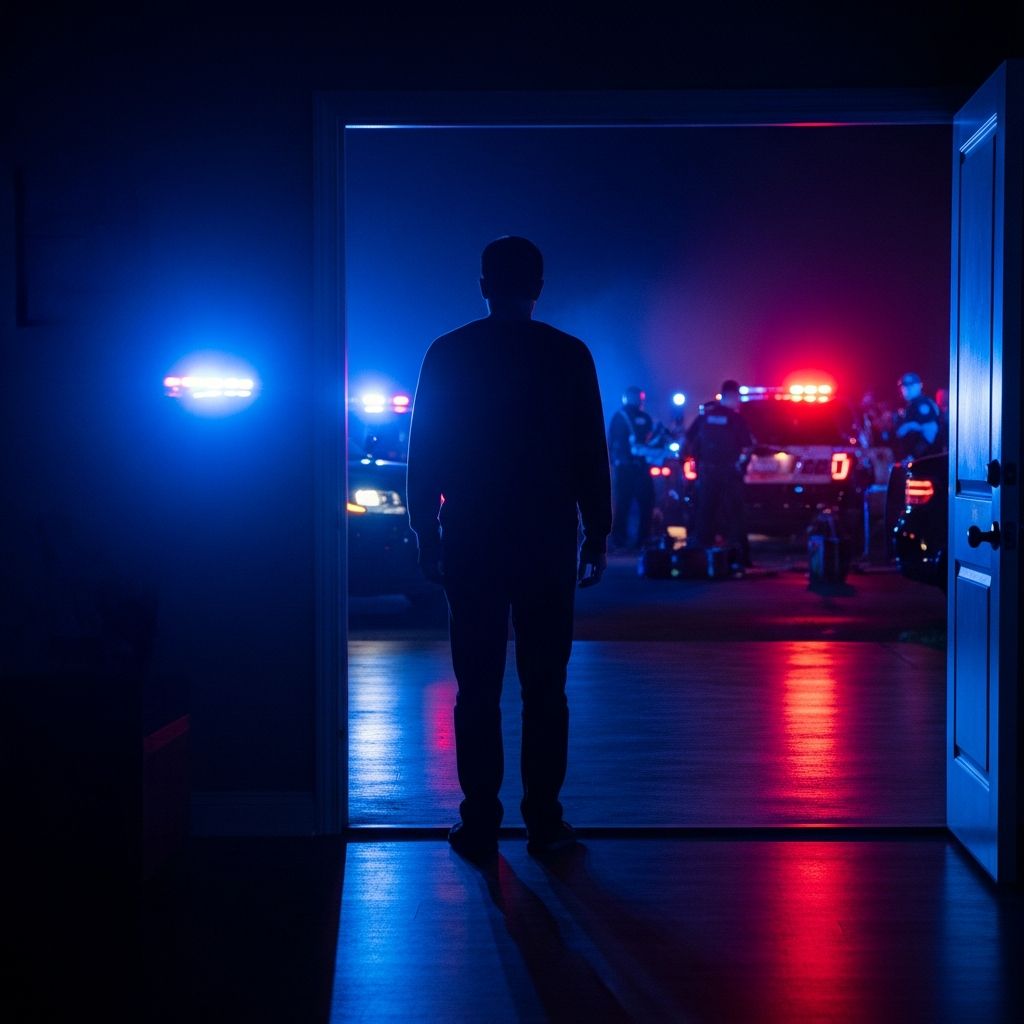
Swatting, the malicious act of making fake 911 calls to provoke heavily armed police responses at a target’s location, endangers lives and wastes resources. Victims often endure intense fear, property damage, and emotional distress from these hoaxes. This guide outlines your legal protections, steps to take post-incident, criminal consequences for perpetrators, and strategies for recovery and prevention.
Understanding the Threat of Fake Emergency Calls
Fake 911 calls, especially those fabricating violent crimes or active threats, trigger SWAT team deployments. These incidents, known as swatting, have escalated with online gaming disputes and personal vendettas fueling anonymous reports. Responders arrive expecting imminent danger, heightening risks of mistaken shootings or chaos at innocent addresses.
In California, knowingly reporting a false crime to police or 911 operators violates Penal Code § 148.5, classified as a misdemeanor. Texas law under Penal Code Section 42.06 treats false reports of bombings, fires, or emergencies as Class A misdemeanors, with potential felony upgrades for school or public infrastructure threats. Such calls divert critical resources, endangering real emergencies elsewhere.
Immediate Actions for Swatting Targets
If police swarm your home due to a bogus call, stay calm and compliant. Keep hands visible, follow commands, and avoid sudden movements to prevent misunderstandings. Once safe, document everything: note officer names, badge numbers, response times, and any damage or injuries.
- Preserve evidence like security footage, call logs, or witness statements.
- Contact non-emergency police lines to report the hoax and request an incident report.
- Seek medical evaluation for trauma, even if uninjured, to record psychological impact.
Notify your local police department promptly. Provide IP traces or online handles if you suspect the caller, often linked to gaming platforms or social media feuds.
Reporting the Incident and Building a Case
File a formal police report classifying the event as swatting or false reporting. Many jurisdictions prioritize these cases due to responder risks. In Virginia, misuse of 911 carries fines up to $2,500 and jail time up to one year.
Collaborate with cybercrime units if the call originated online. Platforms like Discord or Twitch often cooperate with subpoenas for user data. Retain a criminal defense attorney experienced in swatting to guide investigations and represent victim interests.
| State | Key Statute | Penalty for False 911 Call |
|---|---|---|
| California | Penal Code § 148.5 | Misdemeanor: Jail, fines, restitution |
| Texas | Penal Code § 42.06 | Class A Misdemeanor: Up to 1 year jail, $4,000 fine; Felony possible |
| Virginia | Varies by misuse type | Up to $2,500 fine, 1 year jail |
| Illinois (historical) | Updated felony law | Class 4 Felony: 1-3 years prison, $25,000 fine |
Criminal Charges Against Perpetrators
Prosecutors pursue false report charges aggressively. Basic false 911 calls are misdemeanors, but swatting escalates to felonies if it endangers lives or causes injury. Federal laws also apply for interstate communications, with penalties including prison and fines.
In Georgia, swatting leading to death constitutes a felony, as seen in cases where responses resulted in fatalities. California Penal Code 148.3 covers false emergency reports, potentially felonies if injury occurs, mandating restitution for response costs. Repeat offenders face harsher sentences, including probation and no-contact orders.
Evidence like voice analysis, IP logs, and digital footprints aids convictions. Successful prosecutions deter future incidents, with jail terms from months to years based on priors and severity.
Civil Remedies and Seeking Compensation
Beyond criminal charges, sue perpetrators civilly for negligence, intentional infliction of emotional distress, or defamation. Quantify damages: property repairs, lost wages, therapy costs, and punitive awards.
- Gather bills, photos, and expert assessments for property damage.
- Obtain psychological evaluations documenting PTSD or anxiety from the ordeal.
- Pursue restitution orders in criminal court, often covering emergency response expenses.
Some victims recover thousands in settlements. If the caller is untraceable, explore platform liability, though rare. Insurance may cover property claims under vandalism or malicious mischief.
Psychological and Community Impact
Swatting inflicts lasting trauma: heart-pounding fear, family separation during standoffs, and eroded trust in authorities. Children witness armed intrusions, amplifying long-term effects. Communities bear costs exceeding $10,000 per response, straining budgets.
Support groups and counseling aid recovery. Public awareness campaigns highlight risks, urging reports of suspicious online threats.
Prevention Strategies for Individuals
Protect yourself proactively:
- Secure online accounts with 2FA and privacy settings.
- Avoid sharing live locations or addresses publicly.
- Report harassment early to platforms and police.
- Install home security systems with police-alert features.
- Educate family on swatting response protocols.
Gaming communities self-regulate by banning suspects and cooperating with law enforcement.
Legislative Efforts and Evolving Laws
States toughen penalties post-tragedies. Illinois elevated false calls to Class 4 felonies (1-3 years prison) after a deputy’s injury. Federal proposals target interstate swatting with enhanced wire fraud charges.
Advocate for local ordinances mandating swift investigations and victim funds. Track bills via government sites for updates.
Frequently Asked Questions
What should I do if swatted right now?
Comply fully with police, keep hands visible, and communicate calmly. After, document details and file a report.
Can I press charges as a victim?
Yes, report to police; they handle criminal prosecution. Consult an attorney for civil suits.
Are there federal penalties for swatting?
Yes, involving interstate calls can trigger federal felonies with severe prison terms.
How much does a swatting response cost?
Typically $5,000-$50,000; perpetrators may owe restitution.
Is swatting ever just a prank?
No, it’s a serious crime endangering lives, never excused as humor.
Empowering Victims for Justice
Swatting victims reclaim control by acting decisively: report, document, seek counsel. Legal systems increasingly prioritize these cases, offering accountability and redress. Stay vigilant online to minimize risks in a connected world.
References
- What Happens If I Made a False 911 Call? Jail? Prison? — Greg Hill & Associates. Accessed 2026. https://www.greghillassociates.com/what-happens-if-i-made-a-false-911-call-jail-prison.html
- Is It Illegal to Call 911 for a Non-Emergency? — Boca Law. Accessed 2026. https://bocalaw.com/false-911-call-penalty/
- Illinois increases penalties for false 911 calls — Smart Cities Dive. 2023-11-01. https://www.smartcitiesdive.com/news/archive-acc-illinois-increases-penalties-for-false-911-calls/754530/
- Fake 911 Calls Law — LaHood Norton Law Group, PLLC. Accessed 2026. https://lahoodnorton.com/blog/fake-911-calls-law/
- What legal issues could you face for making fake 911 calls? — 11Alive (YouTube Transcript). 2025. https://www.youtube.com/watch?v=DvL20XlXlE8
- Can I Go to Jail for Prank Calls? — Shouse Law Group (YouTube Transcript). Accessed 2026. https://www.youtube.com/watch?v=Yt6l9qyR31Y
Similar Articles








Read full bio of Sneha Tete


