
Supporting Incarcerated Loved Ones: A Practical Guide to Jail Visits
Learn how to prepare for jail visits, navigate rules, and offer meaningful emotional support to incarcerated family members.
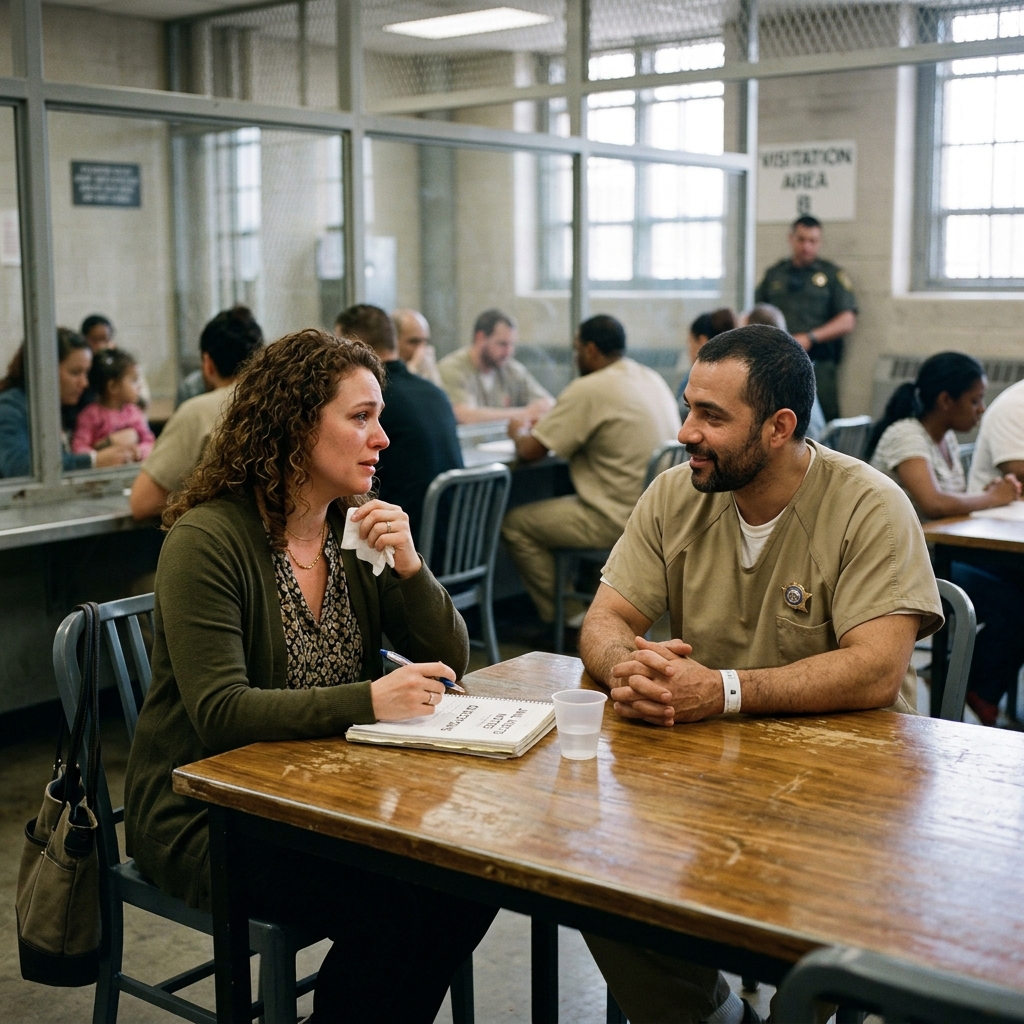
Having a family member or close friend in jail or prison is an emotionally demanding experience. Visits can be deeply meaningful, but they also come with rules, procedures, and emotional challenges that may feel overwhelming at first. This guide offers a practical, compassionate overview to help you prepare for jail visits, support your incarcerated loved one, and protect your own well-being throughout the process.
Understanding the Purpose and Limits of Jail Visits
Visiting an incarcerated person serves several important functions: maintaining family bonds, reducing isolation, supporting rehabilitation, and helping everyone involved cope with the realities of incarceration. At the same time, visits take place in a tightly controlled environment where security concerns shape every interaction.
- Connection: Regular contact can reduce stress and loneliness for the incarcerated person and their family.
- Stability: Strong family ties are associated with better outcomes after release, including lower reoffending rates.
- Boundaries: Correctional facilities must balance family access with safety, so rules may feel strict or impersonal.
Recognizing both the benefits and limitations of visits can help you approach each interaction with realistic expectations and less frustration.
Step One: Confirm Eligibility and Get Approved
Before you can visit, most jails and prisons require you to be pre-approved. This process typically involves paperwork, identity checks, and sometimes background screening.
Typical Visitor Approval Process
- Verify that your loved one currently has visitation privileges and has not been placed under restrictions.
- Obtain the facility’s official visitor application form from its website or admissions office.
- Fill out the form accurately and honestly, including your relationship to the incarcerated person.
- Submit the completed form directly to the institution by mail or online, as instructed.
- Wait for written or electronic confirmation that your application has been approved before making travel plans.
Providing complete, truthful information is essential. Inaccurate or incomplete applications can delay approval or result in denial. If you are unsure about any question on the form, contact the facility and ask for clarification rather than guessing.
Step Two: Schedule Your Visit and Check Current Rules
Many facilities require visits to be scheduled in advance. Walk-in visits may be limited or unavailable, particularly in larger or higher-security institutions.
Planning and Scheduling
- Review the facility’s official visiting hours, including weekends, holidays, and any special schedules.
- Use the institution’s designated appointment system, which may be online, by phone, or email.
- Schedule your visit within the allowed time window (for example, between 48 hours and several days in advance, depending on the facility).
- Confirm the appointment at least one day before your trip, as visitation status can change due to lockdowns or staff shortages.
Rules and procedures can vary significantly by state, facility, and security level. Always rely on the institution’s current official information rather than older experiences or second-hand advice.
Step Three: Preparing Yourself Practically for the Visit
Security procedures at jails and prisons are strict, and small oversights can result in delayed entry or denial of your visit. Advanced preparation reduces stress and increases the likelihood of a smooth experience.
Documentation and Identification
- Bring a valid government-issued photo ID, such as a driver’s license, state ID, or passport.
- Know the incarcerated person’s full name and identification number, which staff will need to verify.
- If you are accompanying a minor who is not your child, carry a written or notarized permission from the legal guardian, if required.
What You Can and Cannot Bring
Most facilities limit what visitors can have with them in visiting areas.
- Typically allowed:
- Photo ID
- One car key (often without electronic fob)
- Eyeglasses or necessary medical devices cleared by staff
- Small amount of cash or change for vending machines, if permitted
- Typically prohibited:
- Weapons or sharp objects
- Drugs, tobacco products, or intoxicated substances
- Cell phones, cameras, or other electronics
- Purses, wallets, and bags unless specifically allowed as clear plastic
- Items intended for the incarcerated person that have not gone through proper channels
Always review the facility’s official “allowable items” list before your visit, and check your vehicle for anything that might be considered contraband or hazardous.
Step Four: Dressing for a Secure and Respectful Environment
Every facility enforces a dress code, and violations can lead to delayed entry or denial of your visit. The goal of these rules is to avoid clothing that compromises security or causes disruption.
General Dress Code Principles
- Choose modest, non-revealing clothing that covers shoulders, midriff, and thighs.
- Avoid outfits that resemble prison uniforms, such as specific colors (often khaki, green, or orange) and styles used by the facility.
- Wear closed-toe shoes; open-toed sandals or high heels may be restricted or impractical.
- Limit metal jewelry to avoid triggering metal detectors, which can slow your entry or prompt additional searches.
- Bring a simple backup outfit in your car in case staff determine your clothing does not meet policy standards.
Dress codes are interpreted on site by correctional staff, and their judgment is final. Being flexible and prepared to adjust helps prevent conflict and protects your ability to visit.
Step Five: Navigating Security Screening and Entry
Everyone entering a jail or prison must pass through security screening. Understanding the process in advance can reduce anxiety and help you explain it to children if they are visiting.
| Step | What Usually Happens |
|---|---|
| Check-in | You present ID, confirm your appointment, and staff verify your approval to visit. |
| Initial screening | Staff review your clothing and visible items to ensure they comply with rules. |
| Search | You pass through a metal detector and may receive a pat-down by an officer of the same gender. |
| Entry to visiting area | Once cleared, you are escorted or directed to the visitation room where you wait for your loved one. |
Search procedures can feel intrusive, but they are standard and applied to all visitors, including children. Remaining calm and respectful helps the process move more quickly.
Step Six: Making the Most of Your Time Together
Once you are in the visiting room, your focus can shift from procedures to your relationship. The environment may be noisy or crowded, but there are still many ways to have a meaningful conversation.
Physical Contact Rules
Policies on physical contact vary. Many facilities allow brief, appropriate contact at the beginning and end of the visit.
- Expect rules limiting contact to handshakes, hugs, or a brief kiss at designated times.
- Avoid any behavior that could be interpreted as passing items or engaging in inappropriate conduct.
- Follow staff instructions immediately if they ask you to adjust your behavior or seating.
Communication Tips for Meaningful Visits
- Lead with empathetic listening. Ask open questions and allow your loved one to talk about their experiences at their own pace.
- Avoid overwhelming them with problems from home unless you are seeking their input and they seem emotionally able to discuss them.
- Share positive updates: children’s milestones, family successes, and progress on plans for life after release.
- Encourage participation in educational, vocational, or counseling programs within the facility, which can support rehabilitation and reentry.
- Agree on how you will stay in touch between visits, whether through letters, phone calls, or approved digital communication systems.
Visits are often limited in length and frequency, so prioritizing connection, reassurance, and constructive planning can make each interaction more valuable.
Special Considerations When Bringing Children
Children may benefit from seeing their incarcerated parent or relative, but visits should be planned with care. Age, temperament, and prior exposure to stressful environments all influence how a child experiences a jail visit.
Preparing Children Emotionally
- Explain in age-appropriate language where you are going, why the person is there, and what the child is likely to see.
- Reassure the child that the situation is not their fault and that it is okay to have mixed feelings.
- Describe the security steps (such as metal detectors) so they are less frightening.
Practical Rules Involving Children
- Check whether minors must be listed on the incarcerated person’s approved visitor list.
- Determine if there are age limits or special documentation requirements, such as notarized permission for non-parent escorts.
- Ensure children stay with you at all times; leaving a minor unsupervised, including in a parked car, can lead to immediate termination of the visit.
After the visit, invite children to share their feelings. They may need reassurance or follow-up conversations over time as they process what they saw.
Supporting Your Loved One Between Visits
While in-person visits are powerful, they are only one part of staying connected. Ongoing communication and practical support can help sustain the relationship and support your loved one’s stability.
Communication Options
- Letters: Written correspondence allows for thoughtful, reflective communication. Check facility mail rules before sending letters.
- Phone calls: Many facilities provide monitored phone systems; costs and time limits vary by location.
- Digital messaging or video visits: Some institutions offer secure platforms for virtual contact, which can be useful when travel is difficult.
Encouraging Positive Steps
- Support participation in education and training programs that can improve prospects after release.
- Discuss realistic plans for reentry, including housing, employment, and family roles.
- Offer emotional encouragement without minimizing the challenges of incarceration.
Consistent, constructive communication can help your loved one feel valued and hopeful, and can lay the groundwork for more stable family life in the future.
Taking Care of Yourself as a Visitor and Family Member
Supporting someone in custody is demanding. It involves emotional strain, logistical challenges, and sometimes financial stress. Caring for your own well-being is not selfish; it is essential if you want to remain a steady source of support.
- Recognize that feelings of sadness, anger, or guilt are normal responses to a loved one’s incarceration.
- Consider speaking with a counselor, faith leader, or support group familiar with criminal justice issues.
- Set realistic limits around money, time, and emotional energy to prevent burnout.
- Share responsibilities with trusted family members when possible so that visitation and communication do not fall solely on one person.
Healthy boundaries and self-care make it more likely that you can continue visiting and providing support over the long term.
Frequently Asked Questions About Jail and Prison Visits
How do I find out where my loved one is being held?
Many state correctional systems offer online offender search tools or hotlines where you can locate an incarcerated person by name or identification number. Local jails may require calling the facility or checking a county website.
Can I visit if I have a prior criminal record?
Policies differ by facility, but having a record does not automatically prevent visitation. You will typically need to disclose your history honestly on the application form, and the institution will decide based on security considerations.
How many people can visit at the same time?
Facilities often limit the number of visitors per person for each visit—commonly two or three—depending on space and staffing. Check the facility’s specific rule to avoid disappointment.
What happens if I arrive late?
Arriving after the scheduled start time may shorten your visit or lead to cancellation, especially at busier facilities. Plan to arrive early to allow for parking, check-in, and security screening.
Can I bring gifts, food, or clothing for my loved one?
In most places, you cannot hand items directly to an incarcerated person in the visiting room. Personal property must go through designated channels, such as approved packages or property intake. Always ask the facility how to send or deliver permitted items.
References
- How to Prepare for a Prison Visit — Prison Fellowship. 2020-06-10. https://www.prisonfellowship.org/resources/support-friends-family-of-prisoners/coping-incarceration-loved-one/prepare-for-a-prison-visit/
- How to Prepare for Visiting in Federal Prison — Prison Professors. 2021-03-01. https://www.prisonprofessors.org/blog/how-to-prepare-for-visiting-in-federal-prison
- Visiting an Inmate in a Massachusetts Prison — Massachusetts Executive Office of Public Safety and Security. 2023-05-15. https://www.mass.gov/guides/visiting-an-inmate-in-a-massachusetts-prison
- Visitation Information — Utah Department of Corrections. 2022-11-30. https://corrections.utah.gov/family-and-friends/visitation-information/
- Visit an Incarcerated Person — City of Philadelphia. 2023-02-20. https://www.phila.gov/services/crime-law-justice/prisons-incarcerated-people-and-returning-citizens/finding-and-contacting-incarcerated-people/visit-an-incarcerated-person/
- Visiting Information — New York State Department of Corrections and Community Supervision. 2022-08-01. https://doccs.ny.gov/visiting-information
- Prison Visitation — North Carolina Department of Adult Correction. 2023-04-10. https://www.dac.nc.gov/divisions-and-sections/institutions/prison-visitation
- What You Need to Know About Prison Visitation — Legal Aid Society. 2021-09-15. https://legalaidnyc.org/get-help/bail-incarceration/what-you-need-to-know-about-prison-visitation/
Similar Articles








Read full bio of medha deb




