Long days, warm nights, and countless social events make summer a prime season for alcohol consumption. From backyard barbecues and music festivals to beach parties and vacations, drinking often feels woven into the fabric of summer fun. Yet the same conditions that make the season enjoyable also create a perfect storm for alcohol-related crimes. When temperatures rise, so do the risks of driving under the influence, underage drinking, public intoxication, and other offenses that can lead to arrest, fines, and lasting criminal records.
This article explains the most common summer drinking crimes, how U.S. laws typically treat alcohol-related offenses, and practical steps you can take to enjoy the season while staying on the right side of the law. While details vary by state and city, the core principles apply broadly across the United States.
Why Summer Brings Higher Alcohol-Related Legal Risks
Alcohol is available year-round, but several factors make summer uniquely risky from a criminal law perspective:
- More social events: Weddings, festivals, sporting events, and holiday parties (like Memorial Day and Independence Day) often involve alcohol and large crowds.
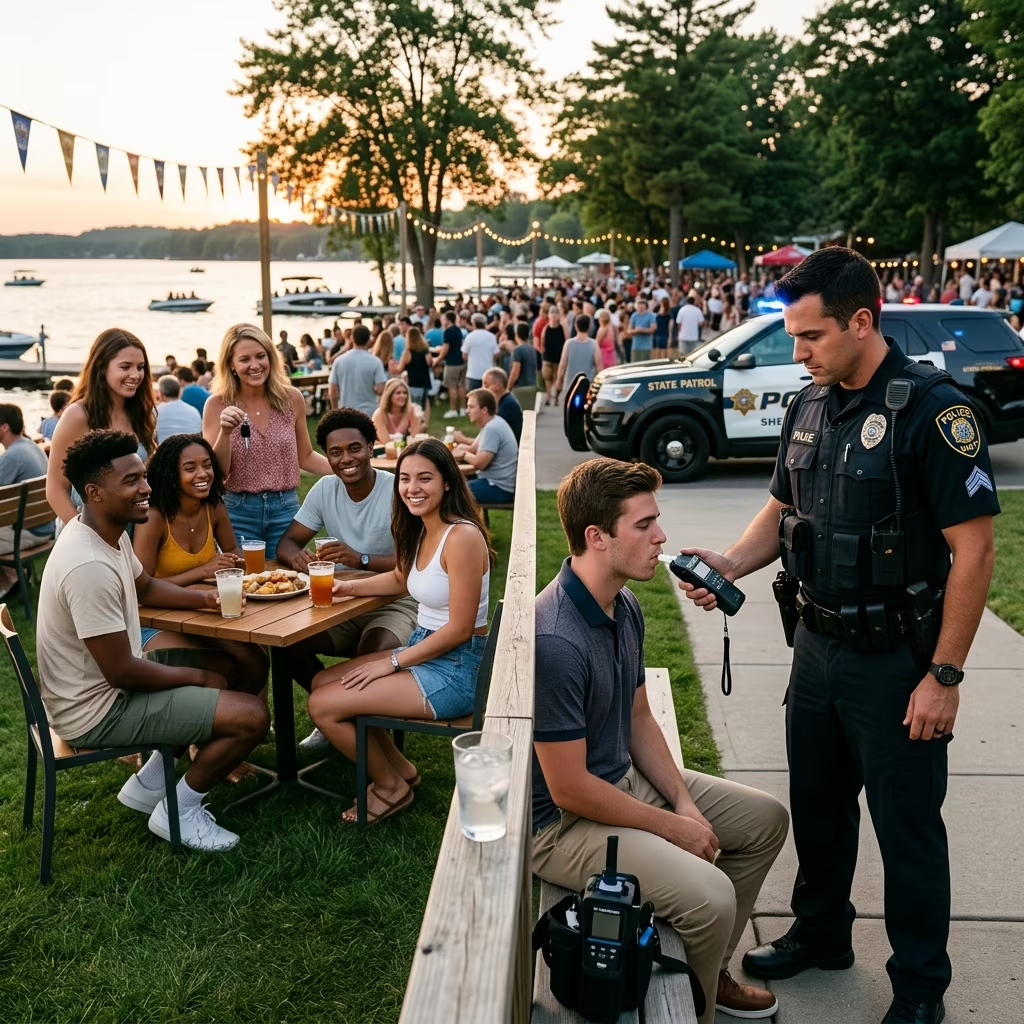
- Outdoor drinking: Beaches, parks, patios, and public celebrations increase the chance that alcohol consumption spills into public spaces, where many open container and public intoxication laws apply.
- Travel and unfamiliar laws: Visiting new cities or states means dealing with local rules that may differ substantially from what you are used to.
- Late-night activity: Extended daylight and seasonal policies (such as later bar closing times in some jurisdictions) can lead to longer drinking sessions and higher intoxication levels.
Understanding the basic legal framework around alcohol helps you anticipate where problems commonly arise.
Overview of U.S. Alcohol Law Basics
In the United States, alcohol regulation is shaped by a combination of federal requirements and state or local laws. Knowing a few key principles can help you avoid unintentional violations.
Minimum Legal Drinking Age
The minimum legal drinking age (MLDA) throughout the United States is 21 years old. This standard was effectively established by the National Minimum Drinking Age Act of 1984, which conditioned federal highway funding on states prohibiting people under 21 from purchasing or publicly possessing alcoholic beverages. As a result, every state now restricts purchase and public possession of alcohol for individuals under 21, with limited exceptions (such as certain religious practices or medical uses).
These laws mean that summer parties involving teenagers and college students carry significant legal risk, not only for underage drinkers but also for adults who provide them alcohol.
State and Local Variations
Beyond the age requirement, states and municipalities regulate where and when alcohol may be sold or consumed. Examples include:
- Rules governing bar closing times, which can be temporarily extended for special events or seasons in some places.
- Open container laws, which typically prohibit having open alcoholic beverages in public spaces or vehicles.
- Restrictions on public drinking and public intoxication, often enforced more actively in busy urban areas.
Because these laws vary, checking local rules before a big summer outing—especially in a new city or state—is an important preventive step.
Common Summer Drinking Crimes and How They Work
Most summer alcohol-related charges fall into a few recognizable categories. The following sections summarize key offenses, typical legal standards, and common consequences.
Driving Under the Influence (DUI/DWI)
DUI (Driving Under the Influence) or DWI (Driving While Intoxicated) charges are among the most serious and common alcohol-related crimes. Laws vary slightly by state, but there are shared core elements.
Blood Alcohol Concentration (BAC) Limits
In every state, it is illegal to operate a vehicle with a blood alcohol concentration (BAC) of 0.08 or higher for most adult drivers. Some jurisdictions impose stricter limits for commercial drivers and individuals under the legal drinking age. Even if your BAC is below 0.08, you can still be charged if your ability to drive safely is impaired.
DUI Penalties
Consequences often escalate with repeated offenses or higher BAC levels. For example, in Pennsylvania, DUI penalties can include fines from a few hundred dollars up to $10,000, jail time ranging from several days to multiple years, license suspension, mandatory alcohol education, and ignition interlock devices (breathalyzers installed in vehicles). Other states impose similar combinations of fines, license impacts, and possible incarceration.
| Factor | Common Legal Outcome |
|---|---|
| First-time DUI with BAC around 0.08 | Fines, short license suspension, mandatory education, probation |
| High BAC (e.g., 0.15 or above) | Higher fines, longer suspension, possible jail time |
| Repeat DUI offenses | Substantial jail time, extended license loss, long-term monitoring |
| DUI causing injury or death | Felony charges, multi-year imprisonment, civil liability |
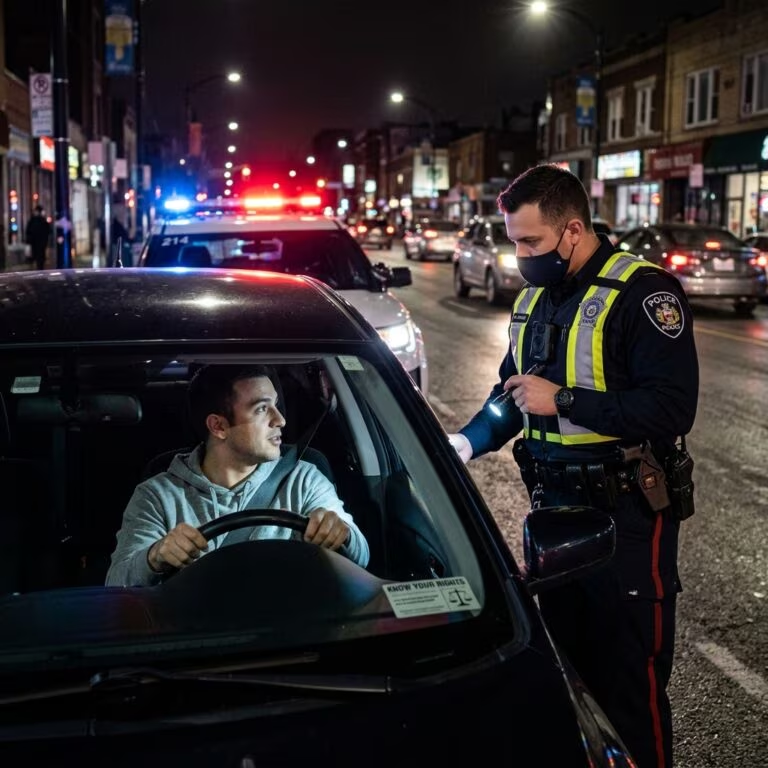
Because summer brings more late-night driving after parties, DUI enforcement tends to be visible through sobriety checkpoints and increased patrols.
Underage Drinking and Supplying Alcohol to Minors
Summer vacations, graduation parties, and college gatherings often involve attendees under 21, making underage drinking laws particularly relevant.
Underage Possession and Consumption
States generally classify underage drinking as at least a misdemeanor offense. For instance, in Pennsylvania, anyone under 21 who buys or drinks alcohol at a place that sells it is guilty of a misdemeanor. In many jurisdictions, penalties include fines, possible jail exposure, and license suspensions—even if no driving occurred.
According to the Centers for Disease Control and Prevention (CDC), MLDA laws that restrict access to alcohol under age 21 help reduce underage traffic deaths and other harms such as alcohol poisoning and violence. This public safety rationale is why summer enforcement of youth drinking laws tends to be strict near beaches, parks, and event venues.
Adults Who Provide Alcohol to Minors
Adults who host summer parties face legal risk if underage guests drink. Many states impose criminal liability on individuals who furnish or sell alcohol to those under 21. Penalties can include:
- Fines and possible jail terms for providing or selling alcohol to minors.
- Enhanced charges if providing alcohol leads to injury or if the recipient is under a certain age (for example, under 18).
- Civil liability if a minor’s intoxication causes an accident or assault.
Parents may assume that supervised drinking at home is safer, but even limited exceptions are narrow and highly state-specific. Before allowing any alcohol consumption by underage individuals—even at home—consult your state’s laws or a qualified attorney.
Public Drinking, Open Containers, and Public Intoxication
Warm weather draws people outdoors, where alcohol-related rules become more complex. Three overlapping legal concepts frequently lead to summer citations or arrests: drinking in public, open container rules, and public intoxication.
Public Drinking and Open Containers
Many cities ban drinking alcohol in public spaces unless an area has explicit permission or permits. For example, in Philadelphia, it is illegal to consume alcohol in public places unless the space has authorization, such as a permitted beer garden. Similarly, city ordinances often prohibit carrying an open alcohol container (like a cup, bottle, or can with broken seal) in public spaces such as streets, parks, or sidewalks.
These restrictions apply even if you are behaving responsibly. Walking from one party to another with a drink in hand, or carrying open containers after a picnic, can technically violate local law.
Open Container Laws in Vehicles
Although details vary, most states also prohibit open containers of alcohol in vehicles. In many jurisdictions, any open alcoholic beverage must be stored in the trunk or a similarly inaccessible area to avoid violating the law. Both drivers and passengers can be cited, and vehicle open container violations may increase suspicion of DUI, leading to further investigation.
Public Intoxication and Disorderly Conduct
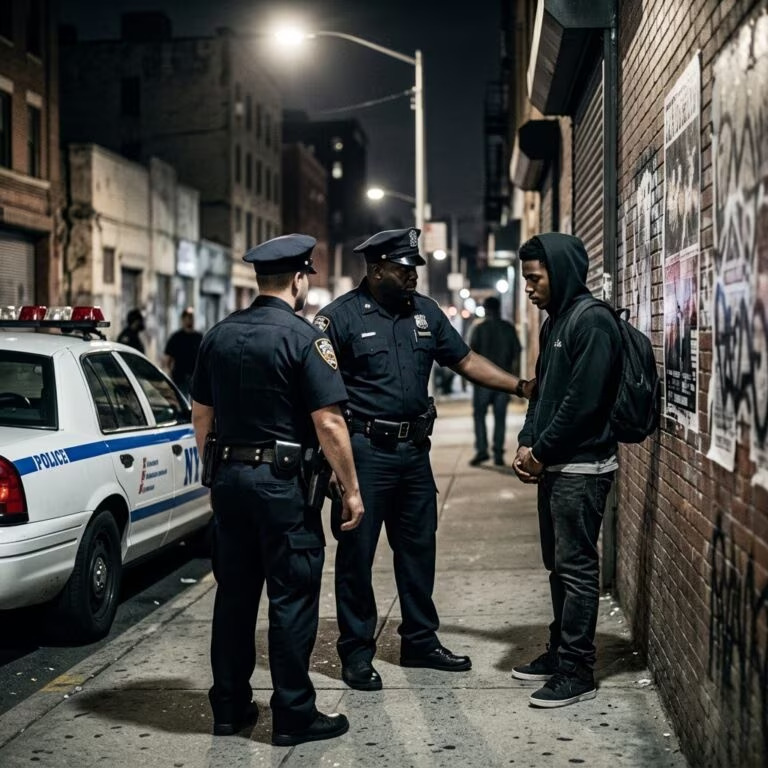
Public intoxication (sometimes called “drunk and disorderly”) is another common summer offense. In Pennsylvania, for instance, public intoxication is a crime when an individual under the influence poses a danger to themselves, others, or property. Similar laws exist in many states and are often enforced around entertainment districts, sporting events, and mass gatherings.
Behavior that triggers public intoxication or related disorderly conduct charges can include:
- Fights or aggressive behavior in bars or public venues.
- Refusing to leave a location when asked due to intoxication.
- Damaging property, blocking traffic, or creating safety hazards.
Though penalties for public intoxication are often less severe than for DUI, convictions can still result in fines, a criminal record, and collateral consequences for employment or housing.
Less Obvious Summer Alcohol-Related Criminal Risks
Beyond classic DUI and public intoxication charges, summer drinking can expose people to other legal risks that are easy to overlook.
Alcohol-Related Assault and Property Damage
Alcohol lowers inhibitions and impairs judgment, increasing the likelihood of fights or vandalism. If a dispute at a summer party escalates, intoxicated participants may face charges such as assault, battery, or criminal mischief. Intoxication rarely serves as a defense; in many cases, it can aggravate a situation in the eyes of prosecutors or judges.
Boating Under the Influence
In many states, operating a boat while intoxicated is treated similarly to driving a car under the influence, with comparable BAC limits and penalties. Summer weekends on lakes or coastal waters see increased enforcement of boating under the influence laws, especially around holidays and large gatherings.
Alcohol and Noise or Nuisance Violations
Large gatherings with alcohol can trigger citations for noise violations or nuisance ordinances. While often civil rather than criminal, repeated violations or failure to comply with orders to disperse can lead to criminal charges. Landlords may also act against tenants who host problematic parties.
Health and Safety Dimensions of Alcohol Crime Laws
Criminal rules around summer drinking are not solely punitive; they are grounded in public health objectives. Research shows that limiting youth access to alcohol and enforcing impaired-driving laws reduces injuries and deaths.
The CDC notes that a minimum drinking age of 21 lowers the risk of developing alcohol use disorders and contributes to fewer alcohol-related traffic fatalities, suicides, homicides, and deaths from alcohol poisoning among those who drink. Similarly, federal policy that encouraged uniform MLDA standards was based on evidence that states with lower drinking ages experienced higher rates of alcohol-related traffic accidents among teenagers.
Understanding this public health context underscores why enforcement may feel particularly strict around high-risk situations, such as large summer gatherings with mixed-age crowds.
Practical Tips to Avoid Alcohol-Related Criminal Charges
Preventing summer alcohol crimes is largely about planning and awareness. The following practical steps can significantly reduce legal risk:
- Arrange safe transportation: Use designated drivers, taxis, ride-share services, or public transit whenever drinking is involved. Avoid driving any vehicle—car, motorcycle, or boat—after consuming alcohol.
- Know local rules before events: Check city and state laws regarding open containers, public drinking, beach alcohol policies, and venue rules, especially when traveling.
- Set clear boundaries at parties: If you host, establish expectations about alcohol use, consider limiting shots or high-strength drinks, and avoid providing alcohol to anyone under 21.
- Watch for signs of intoxication: Help friends who appear impaired by arranging safe rides, encouraging water and food, and steering them away from confrontations.
- Respect law enforcement instructions: Calmly comply with lawful orders from police, such as dispersing from a location or submitting to a lawful breath test, while preserving your right to remain silent and request an attorney.
- Seek legal advice after any incident: If you are arrested or cited, promptly consult a qualified criminal defense lawyer in your jurisdiction.
Frequently Asked Questions (FAQs)
1. Is it always illegal to drink alcohol in public spaces?
No. Some municipalities create designated areas where public drinking is allowed, often through permits or special zoning. However, in many cities, open consumption of alcohol in public spaces is illegal unless the area has explicit authorization. Always verify local ordinances before drinking outside private property or licensed premises.
2. Can I be charged with a crime if I am drunk but not driving?
Yes. Being intoxicated can lead to criminal charges such as public intoxication, disorderly conduct, assault, or vandalism, depending on behavior and location. You do not have to be driving to face alcohol-related offenses.
3. Are parents allowed to give their own children alcohol at home?
Some states allow limited parental exceptions, while others do not. Federal law focuses on purchase and public possession, leaving private household rules largely to state law. Because regulations vary, parents should consult their specific state statutes or a legal professional before allowing underage drinking at home.
4. What happens if I am under 21 and caught with alcohol?
Consequences depend on state law but often include fines, possible community service, mandatory education, and in some states driver’s license suspension, even if no driving was involved. Repeat offenses or related misconduct can result in harsher penalties.
5. If my BAC is below 0.08, can I still be charged with DUI?
Yes. The 0.08 BAC level is a common threshold for “per se” DUI laws, meaning that driving at or above that level is automatically illegal. However, if your driving is noticeably impaired (for example, you cause an accident or drive dangerously), you can face DUI charges even at lower BAC levels.
Key Takeaways for a Legally Safe Summer
Summer can be a time of relaxation and celebration, but alcohol use dramatically increases the risk of criminal charges if not carefully managed. Uniform national drinking age laws, strict DUI enforcement, and local restrictions on open containers and public intoxication are all designed to reduce injuries, fatalities, and public disturbances. By understanding these rules and planning ahead, you can enjoy the season without putting your freedom, finances, or future at risk.
When in doubt, assume that drinking in public or driving after consuming alcohol carries legal risk, and consider more cautious alternatives. If you face an alcohol-related charge, consult an attorney as soon as possible to understand your rights and options under the laws of your state.
References
- Why a Minimum Legal Drinking Age of 21 Works — Centers for Disease Control and Prevention. 2024-02-01. https://www.cdc.gov/alcohol/underage-drinking/minimum-legal-drinking-age.html
- The 1984 National Minimum Drinking Age Act — National Institute on Alcohol Abuse and Alcoholism (Alcohol Policy Information System). 2022-05-10. https://alcoholpolicy.niaaa.nih.gov/the-1984-national-minimum-drinking-age-act
- Legal Drinking Age – Research Starter — EBSCO Research Starters. 2020-08-15. https://www.ebsco.com/research-starters/law/legal-drinking-age
- 5 Pennsylvania Alcohol Laws That Can Get You in Trouble — The Philadelphia Inquirer. 2023-05-26. https://www.inquirer.com/philly-tips/alcohol-laws-philadelphia-pennsylvania.html
- Massachusetts Passes Law to Allow Later Last Calls and Public Drinking Zones — WBUR News. 2026-06-09. https://www.wbur.org/news/2026/06/09/massachusetts-alcohol-laws-last-call-world-cup
- Everything on Underage Drinking Laws in New Jersey — Law Office Video Resource (YouTube). 2023-04-14. https://www.youtube.com/watch?v=_tIZJWZgnwU