Unauthorized Image Use: 5 Steps To Sue And Protect Your Rights
Discover your legal rights when someone uses your photo without permission and how to pursue compensation effectively.
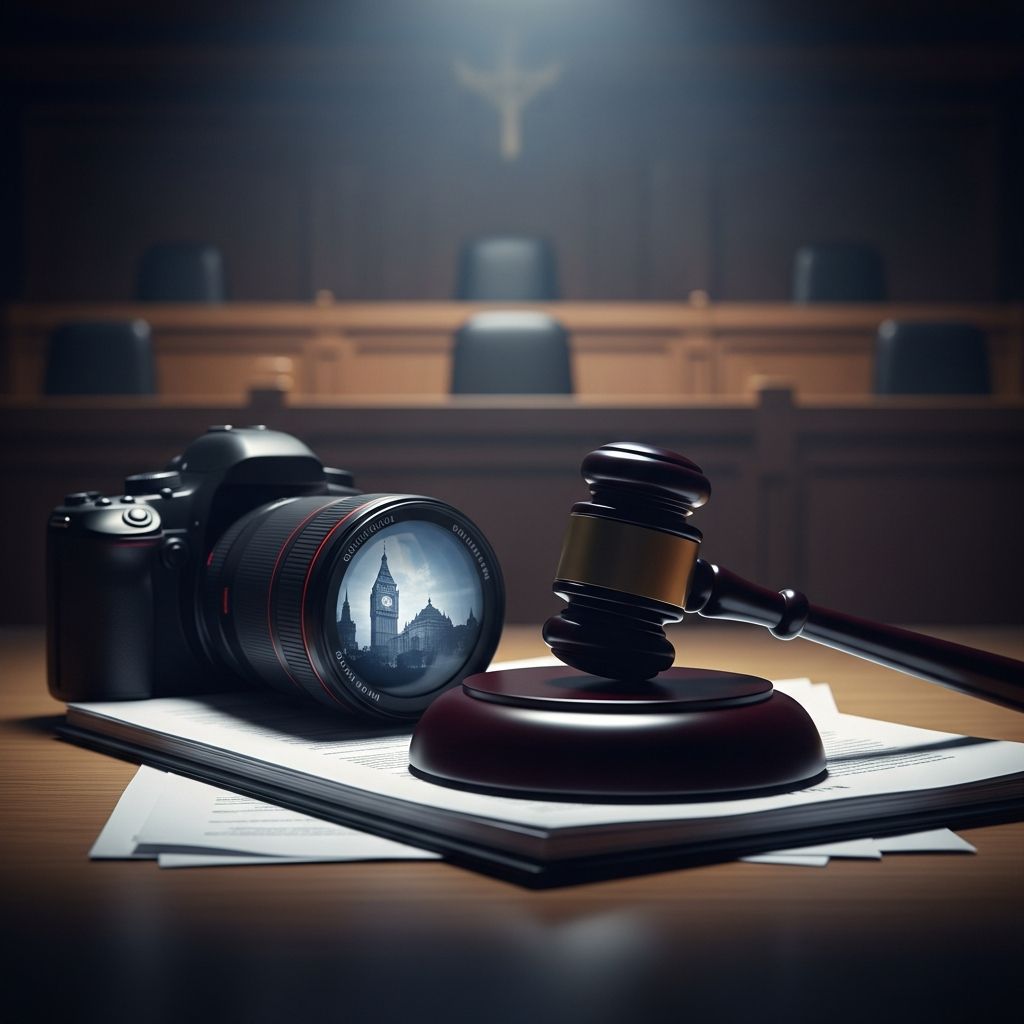
Suing Over Unauthorized Image Use: Protecting Your Rights
Your image is a valuable part of your identity. When businesses, individuals, or websites use photos of you without consent for profit or promotion, it can lead to serious legal consequences for them—and opportunities for you to seek justice. This article breaks down the key legal principles, common scenarios, actionable steps, and potential outcomes when pursuing claims for unauthorized image use. Whether you’re a private citizen or public figure, understanding these protections empowers you to defend your likeness.
Understanding Your Core Legal Protections
Two primary legal frameworks safeguard against unauthorized photo use: the
right of publicity
andinvasion of privacy
. The right of publicity prevents commercial exploitation of your name, face, voice, or other identifiable traits without permission. This applies especially when your image sells products or services. Invasion of privacy, particularly the ‘appropriation’ branch, covers non-commercial harms like emotional distress or reputational damage from misuse.Copyright law adds another layer if you or someone you know owns the photo’s rights. Photographers hold exclusive usage rights, and unauthorized reproduction—even online—can trigger infringement suits. These protections vary by state, with powerhouses like California and New York offering robust statutes.
Key Scenarios Where Claims Arise
Unauthorized image use spans everyday and high-stakes situations:
- Advertising and Marketing: Businesses plastering your photo on billboards, websites, or social media to endorse goods without approval.
- Product Packaging: Your likeness on book covers, merchandise, or apps for commercial gain.
- Online Exploitation: Deepfakes, revenge porn, or AI-generated content misusing your image, increasingly targeted by biometric privacy laws.
- News vs. Commerce: Legitimate journalism often gets a pass, but crossing into sales pitches does not.
Even public photos (e.g., from events) can’t be repurposed commercially without consent. Minors face extra safeguards, as they can’t legally agree to such uses.
Proving Your Case: Essential Elements
To win, plaintiffs must demonstrate specific criteria, generally uniform across states:
| Element | Description | Example |
|---|---|---|
| Identifiable Likeness | Your name, face, voice, or signature must be clearly used. | Recognizable photo on a product ad. |
| Exploitative Intent | Use for advertising, trade, or personal profit—not pure news or art. | Selling books with your image on the cover. |
| Lack of Consent | No written or implied permission given. | No model release signed. |
These elements form the backbone of right of publicity claims. Privacy claims additionally require proof of harm, like embarrassment or lost opportunities.
Overlapping Claims: Copyright and Beyond
If the photo’s creator sues, federal copyright law kicks in. Owners must register works with the U.S. Copyright Office before federal suits, enabling statutory damages up to $150,000 per willful infringement. Fair use defenses (e.g., criticism, education) may apply but rarely cover commercial ads.
State biometric laws, like Illinois’ BIPA, penalize unauthorized scans or facial data from photos. For harmful portrayals (e.g., falsely implying criminality), defamation or false light invasion of privacy could supplement claims.
Defenses Entities Use to Avoid Liability
Defendants often argue:
- Public Domain or Consent: Claiming implied permission from public settings or prior releases.
- First Amendment: Protecting editorial or artistic expression, though profit motives weaken this.
- Incidental Use: Your image as background in a crowd shot.
- Transformative Use: Heavily altered images qualifying as parody or art.
Courts scrutinize commercial context; pure expression trumps, but sales pitches do not.
Steps to Build and File Your Claim
- Gather Evidence: Screenshots, URLs, product samples, timestamps—everything proving use and context.
- Send Cease-and-Desist: Demand removal and compensation via certified mail or lawyer-drafted letter.
- Consult an Attorney: Specialists in IP or privacy law assess jurisdiction-specific viability.
- File Suit: In state court for publicity/privacy; federal for copyright. Statutes of limitations (1-6 years) apply—act fast.
- Pursue Settlement: Many cases resolve pre-trial via negotiation.
Document any harm: lost wages, therapy costs, or declined opportunities bolster damages.
Potential Remedies and Compensation
Successful plaintiffs can secure:
- Actual Damages: Proven financial losses from misuse.
- Statutory Minimums: E.g., $750 per violation in some states.
- Punitive Damages: For egregious conduct.
- Injunctions: Court orders halting further use.
- Attorney Fees: Shifting costs to the wrongdoer.
Celebrities often command higher awards due to marketable identities, but everyday victims recover too.
State-by-State Variations in Protections
Laws differ significantly:
- California (Civil Code §3344): Broad right of publicity, $750 minimum damages.
- New York: Strong for commercial use, applies posthumously.
- Texas, Florida: Recognize misappropriation of likeness.
- No Statute States: Rely on common law privacy claims.
Interstate use may invoke the defendant’s or victim’s home state laws—attorneys navigate this.
Special Considerations for Digital Age Misuse
AI, deepfakes, and social media amplify risks. Platforms face mandates for rapid removal of non-consensual intimate images under emerging laws effective through 2026. Blockchain-tracked images and watermarking deter theft, but enforcement lags.
Preventing Unauthorized Use Proactively
- Watermark personal photos.
- Limit public sharing; use privacy settings.
- Secure model releases for professional shoots.
- Monitor with reverse image search tools like Google or TinEye.
Businesses: Always license stock images from reputable sources to avoid ‘accidental infringement.’
Frequently Asked Questions (FAQs)
Can I sue if my photo from a public event is used commercially?
Yes, public settings reduce privacy expectations, but commercial repurposing still requires consent.
What if I’m a minor in the photo?
Minors can’t consent; parents/guardians control rights, strengthening claims.
Does fair use protect unauthorized ads?
Rarely—commercial promotion fails fair use tests.
How long do I have to file a lawsuit?
1-6 years, varying by state and claim type—check promptly.
Can deceased individuals’ estates sue?
In many states, yes, for years post-mortem.
Navigating Challenges and Seeking Expert Help
Cases hinge on specifics: jurisdiction, evidence quality, and harm extent. While empowering, litigation demands resources—many attorneys offer free consultations. Early action preserves rights and maximizes leverage.
(Word count: 1728)
References
- Can I Sue if Someone Uses My Picture or Name Without Permission? — Rosier Law Group. 2023. https://www.rosierlawgroup.com/intellectual-property-law-firm-blog/can-i-sue-if-someone-uses-my-picture-or-name-without-permission
- Can I sue someone for using my picture without my consent — Avvo Legal Answers. 2024. https://www.avvo.com/legal-answers/can-i-sue-someone-for-using-my-picture-without-my–6088722.html
- Unauthorized Photo Lawsuits | Protecting Your Privacy & Rights — The Lyon Firm. 2025. https://thelyonfirm.com/data-privacy-cyber-security-lawyer/unauthorized-photos/
- What Photographers Should Know about Copyright — U.S. Copyright Office (.gov). 2023-01-18. https://www.copyright.gov/engage/photographers/
- Unauthorized Use or Release of Photos — Nolo. 2025. https://www.nolo.com/legal-encyclopedia/question-unauthorized-use-of-photo-28285.html
- The Accidental Infringer: What You Need to Know about Copyright — Miller Nash LLP. 2024. https://www.millernash.com/industry-news/the-accidental-infringer-what-you-need-to-know-about-copyright-when-using-photos-from-the-web
- The Right of Publicity: Celebrities Sue Over Unauthorized Use — Higgs Law Firm. 2024. https://higgslaw.com/celebrities-sue-over-unauthorized-use-of-identity/
Similar Articles






Read full bio of medha deb