
Legal Recourse for Botched Hair Transplants
Understand your rights and legal options when hair transplant procedures go wrong, from negligence to compensation paths.
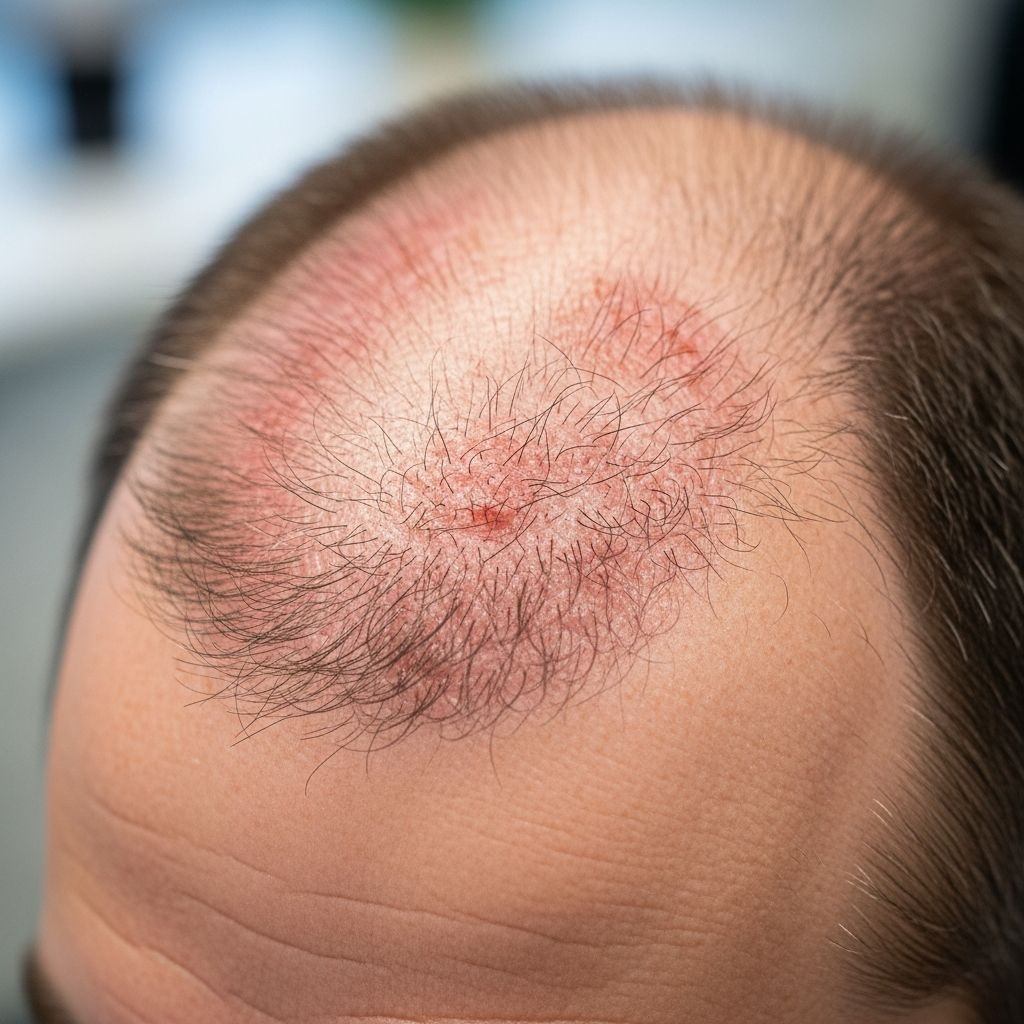
Hair transplant surgeries promise renewed confidence through restored hairlines, but when procedures fail, patients face not only aesthetic disappointment but potential permanent damage. Pursuing legal action becomes a viable option if negligence contributed to the poor outcome. This article delves into the criteria for viable claims, common pitfalls in these procedures, and the pathway to compensation.
Understanding Hair Restoration Procedures and Their Risks
Hair transplantation involves extracting follicles from donor areas, typically the back of the scalp, and implanting them into balding regions. Techniques like Follicular Unit Extraction (FUE) and Follicular Unit Transplantation (FUT) are standard, each carrying inherent risks such as infection, scarring, or graft failure. While not every suboptimal result warrants a lawsuit, deviations from medical standards can lead to actionable claims.
Patients often enter these elective surgeries expecting natural-looking results with minimal downtime. However, complications arise when providers overlook patient-specific factors like scalp condition or medical history. Proper preoperative assessments are crucial to mitigate these risks.
Defining Medical Negligence in Cosmetic Hair Surgery
Medical negligence, or malpractice, occurs when a healthcare provider’s actions fall below the accepted standard of care, directly causing harm. In hair transplants, this might include improper graft placement leading to unnatural growth patterns or inadequate sterilization causing infections.
- Inadequate Screening: Failing to review allergies, skin conditions, or clotting disorders.
- Technical Errors: Mishandling follicles, resulting in their death and patchy regrowth.
- Post-Op Neglect: Ignoring signs of infection or poor wound care instructions.
- Unqualified Personnel: Allowing non-physicians to perform key surgical steps.
To establish negligence, plaintiffs must prove four elements: duty of care, breach of that duty, causation, and damages. Expert testimony from qualified surgeons is typically required to affirm that the care deviated from norms.
The Critical Role of Informed Consent
Informed consent protects providers by ensuring patients understand risks, benefits, and alternatives. For hair transplants, this includes disclosures about possible scarring, uneven density, or the need for revisions. Courts scrutinize consent forms when outcomes disappoint.
Problems arise if surgeons downplay risks like keloid scarring in prone individuals or exaggerate success rates. Misrepresentations can invalidate consent, opening doors to claims even if the surgery was technically proficient. Patients should retain all pre-procedure documents, as they form the backbone of defense arguments.
| Consent Element | Ideal Disclosure | Potential Malpractice Flag |
|---|---|---|
| Scarring Risks | Permanent linear or punctate scars possible | Claims of ‘invisible’ results |
| Success Rates | Variable based on patient factors (70-90% survival) | Guaranteed ‘perfect’ outcomes |
| Alternatives | Medications, wigs, or non-surgical options | No mention of less invasive choices |
| Complications | Infection, numbness, necrosis | Omissions of severe side effects |
Potential Liable Parties Beyond the Surgeon
Responsibility extends to clinics, anesthesiologists, and technicians. Corporate entities may be vicariously liable if they permit unlicensed staff to harvest grafts or fail to maintain sterile environments. In team-based procedures, pinpointing fault requires dissecting operational protocols and staffing records.
Regulatory bodies emphasize that only licensed physicians should handle critical phases like donor harvesting and site creation. Violations here strengthen multi-party lawsuits.
Quantifying Damages from Failed Procedures
Compensation hinges on verifiable losses. Economic damages cover corrective surgeries, medications, and lost wages, while non-economic awards address pain, emotional distress, and disfigurement.
- Medical Expenses: Revision transplants or scar treatments ($10,000+).
- Economic Loss: Time off work or diminished professional image.
- Non-Economic: Psychological impact from visible scars or ‘doll hair’ appearance.
Cases with permanent alterations, like painful hypertrophic scars, command higher settlements. Documentation via photos, journals, and specialist reports is essential.
Navigating Statutes of Limitations
Time bars claims strictly. Most jurisdictions grant 1-3 years from injury discovery, varying by state. For instance, Georgia imposes tight deadlines, urging prompt action. Exceptions like the discovery rule apply if harm emerges later, but courts rarely extend leniency.
Consultation within months post-procedure preserves options, as evidence degrades and memories fade.
Building a Strong Malpractice Case
Success demands meticulous preparation. Secure medical records, witness statements, and independent evaluations. Malpractice attorneys often offer free reviews, coordinating expert affidavits required in many states.
Challenges include proving causation—distinguishing negligence from inherent risks—and countering ‘informed consent’ defenses. Settlement is common pre-trial, avoiding lengthy litigation.
Regulatory Oversight and Industry Standards
The International Society of Hair Restoration Surgery (ISHRS) advocates physician-only execution of core tasks, influencing court standards. State medical boards investigate complaints, potentially revoking licenses for egregious conduct. Patients can file dual pursuits: civil suits for damages and board reports for accountability.
Preventive Measures for Prospective Patients
Research board-certified dermatologists or plastic surgeons with ISHRS affiliation. Verify reviews, before-after galleries, and complication rates. Ask pointed questions on risks and consent thoroughness.
Second opinions and facility tours reveal adherence to hygiene protocols. Waivers exist, but genuine informed consent empowers informed decisions.
Frequently Asked Questions
Can dissatisfaction with results alone support a lawsuit?
No, cosmetic preferences differ from negligence. Proof of substandard care causing harm is required.
Are hair transplants classified as surgery subject to malpractice laws?
Yes, they demand surgical precision and physician oversight, falling under medical negligence statutes.
How does one prove the surgeon breached the standard of care?
Through expert witnesses comparing the case to peer practices.
Can clinics be sued if the surgeon was competent?
Yes, for supervisory failures or unlicensed involvement.
Is emotional distress recoverable without physical injury?
Typically not; it must stem from tangible harm.
What if the procedure was years ago?
Check statutes of limitations; many cap at 2-3 years from discovery.
Do all cases need corrective surgery to claim damages?
No, but it bolsters evidence of injury severity.
This comprehensive overview equips patients with knowledge to evaluate options post-procedure. Early legal counsel maximizes recovery chances amid complex evidentiary demands.
References
- Can I Sue a hair transplant doctor for malpractice? — Avvo Legal Answers. 2018-01-01. https://www.avvo.com/legal-answers/can-i-sue-a-hair-transplant-doctor-for-malpractice-2912497.html
- Medical Malpractice Claims After Hair Restoration Surgery in Atlanta — Finch McCranie LLP. 2023-06-15. https://www.finchmccranie.com/blog/amp/medical-malpractice-claims-after-hair-restoration-surgery-in-atlanta/
- Avoiding Medical Malpractice for Hair Transplant Treatments — Hickey & Turim. 2022-05-10. https://hickeyandturim.com/avoiding-medical-malpractice-for-hair-transplant-treatments/
- Consumer Advocacy — International Society of Hair Restoration Surgery (ISHRS). 2020-01-31. https://ishrs.org/patients/consumer-advocacy/
- Legal Considerations for Hair Transplant Procedures — Legal Reader. 2021-11-20. https://www.legalreader.com/legal-considerations-for-hair-transplant-procedures/
Similar Articles








Read full bio of Sneha Tete


