
Suing Airbnb Over Unauthorized Filming: Legal Options
Discover your legal rights and steps to take if secretly filmed in an Airbnb rental, including lawsuits against hosts and the platform.
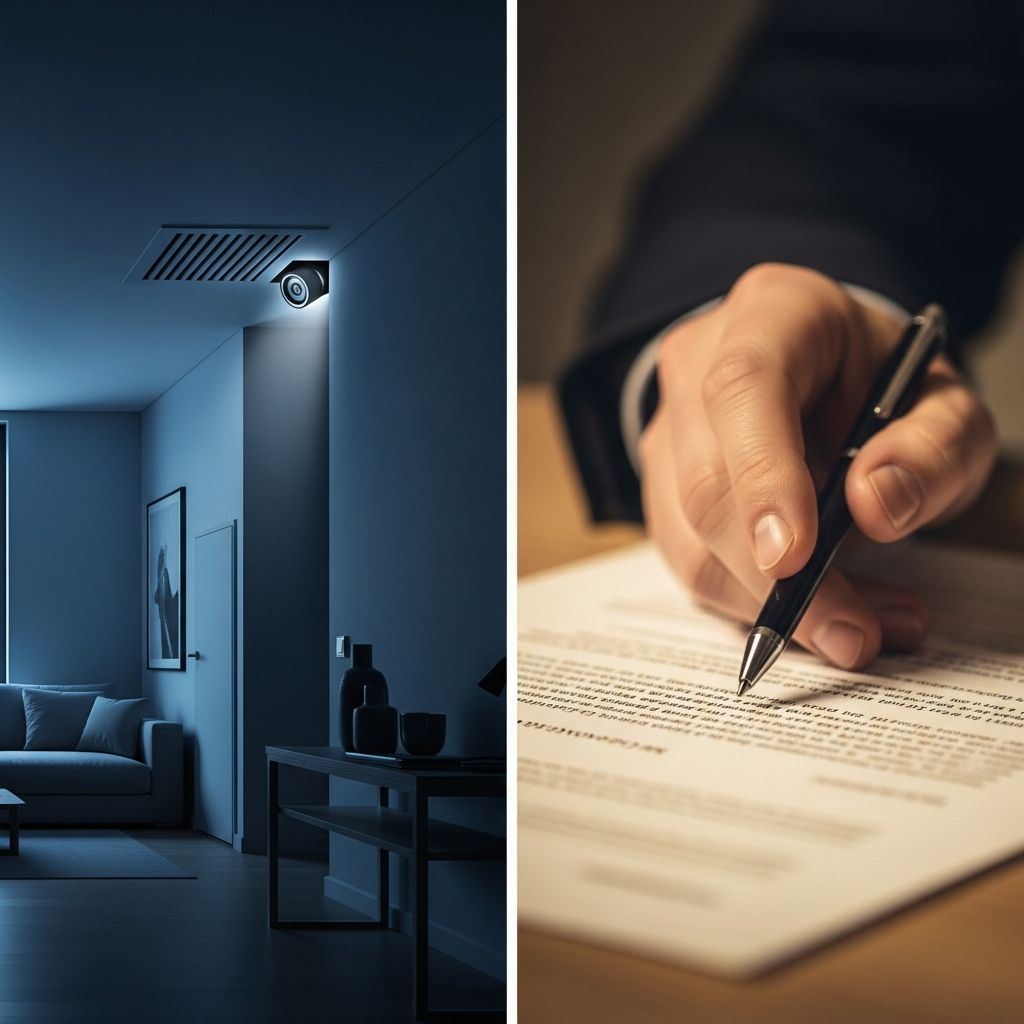
Guests booking short-term rentals through platforms like Airbnb expect a private and secure stay, yet incidents of hidden cameras capturing intimate moments without consent have sparked widespread concern. These violations not only breach trust but can lead to viable legal claims against hosts and potentially the platform itself. This article examines the evolving landscape of privacy protections, platform responsibilities, and actionable steps for affected individuals seeking justice.
Understanding Privacy Expectations in Short-Term Rentals
When travelers select an Airbnb, they anticipate a space akin to a hotel room—free from surveillance in private areas like bedrooms and bathrooms. However, unlike traditional hotels with strict regulations, private homes turned rentals blur the lines between personal property rights and guest expectations.
- Reasonable Expectation of Privacy: Courts often recognize that paying guests in short-term rentals deserve privacy in sleeping and bathing areas, similar to tenants or hotel patrons.
- Common vs. Private Spaces: Hosts may monitor hallways or entryways for security, but extending cameras into personal quarters crosses legal boundaries in most jurisdictions.
- Disclosure Requirements: Any visible cameras must be listed in the property description; hidden devices are universally prohibited.
These expectations stem from longstanding legal precedents protecting individuals from intrusive surveillance, particularly in paid accommodations where commercial activity transforms a home into a business-like operation.
Airbnb’s Security Camera Policies: What Hosts Must Follow
Airbnb has iteratively strengthened its rules to address guest complaints about surveillance. As of April 30, 2024, the platform implemented a global ban on all indoor security cameras, regardless of location or prior disclosure practices.
| Policy Aspect | Allowed | Prohibited |
|---|---|---|
| Indoor Cameras | None permitted | All indoor locations, including common areas |
| Outdoor Cameras | Yes, if disclosed and not pointing at private areas | Monitoring bedrooms, bathrooms, or enclosed yards |
| Noise Decibel Monitors | Yes, if disclosed and non-recording | Any audio recording devices indoors |
| Smart Speakers/Devices | Allowed with disclosure | Those with undisclosed recording capabilities |
This policy shift prioritizes guest privacy over host security preferences, responding to reports of misuse. Hosts violating these rules face account suspension or permanent bans, but enforcement relies heavily on guest reports.
State and Federal Laws Governing Unauthorized Recording
Laws vary significantly by location, complicating cross-state travel. Federally, wiretapping statutes prohibit audio recordings without consent in most scenarios, but video-only captures fall under state purview.
- All-Party Consent States: California, Florida, and others require all involved parties to agree to any recording.
- One-Party Consent: In states like New York, the recorder can consent for themselves, but privacy torts still apply to video in private settings.
- Invasion of Privacy Torts: Claims for intrusion upon seclusion or public disclosure of private facts provide civil remedies nationwide.
For instance, Nevada explicitly bars property owners from filming guests without permission, opening doors to premises liability suits. In commercial short-term rentals, hosts lose some ‘castle doctrine’ protections, treating their space like a business.
Grounds for Legal Action Against Hosts and Airbnb
Discovering a hidden camera justifies multiple claims. Against the host:
- Negligence: Failure to provide a safe environment free from privacy invasions.
- Breach of Contract: Violating implied promises of privacy in the rental agreement.
- Intentional Infliction of Emotional Distress: If footage causes verifiable harm like anxiety or reputational damage.
Suing Airbnb directly hinges on platform liability theories:
- Negligent Supervision: If Airbnb knew of prior host violations and failed to act.
- Vicarious Liability: Rare, as hosts are independent contractors, but possible if Airbnb profits from known risky listings.
- Section 230 Immunity Limits: While protected from user content, active policy enforcement failures may expose them.
Successful cases often yield settlements covering emotional distress, punitive damages, and legal fees. Criminal charges, like those for unlawful surveillance, can bolster civil suits.
Real-World Cases and Lessons Learned
High-profile incidents underscore the risks. In 2014, reports of potential secret filming prompted Airbnb to add explicit anti-spying rules. More recently, guests in Nevada discovered bedroom cameras, leading to lawsuits under state privacy statutes.
These examples reveal patterns: hosts using consumer cameras vulnerable to hacking, non-disclosure in listings, and delayed platform responses. Courts have ruled that accepting payment elevates host duties, equating rentals to commercial enterprises.
Steps to Take If You Suspect Hidden Surveillance
- Document Everything: Note the exact location, time, and any visible devices. Take photos without disturbing evidence.
- Report to Airbnb Immediately: Use the app’s resolution center; demand refund and investigation.
- Preserve Evidence: Avoid deleting footage if accessible; contact local police for forensic analysis.
- Seek Medical/Psychological Help: Records of trauma strengthen claims.
- Consult an Attorney: Personal injury lawyers specializing in privacy can assess viability across jurisdictions.
Acting swiftly preserves statutes of limitations, typically 1-3 years for torts.
Preventive Measures for Safer Airbnb Stays
Proactive guests minimize risks:
- Vet Listings Thoroughly: Read reviews for surveillance mentions; request camera disclosures pre-booking.
- Inspect Upon Arrival: Check smoke detectors, clocks, outlets for anomalies using phone apps or RF detectors.
- Use Privacy Tools: Cover potential lenses with tape; opt for entire-home rentals over shared spaces.
- Choose Verified Superhosts: Higher ratings correlate with compliance.
Airbnb’s tools, like guest refund policies, provide initial recourse, but vigilance remains key.
Potential Outcomes of Litigation
Lawsuits can result in:
| Outcome Type | Typical Compensation | Examples |
|---|---|---|
| Settlement | $10,000 – $100,000+ | Emotional distress, lost vacation value |
| Jury Award | Varies widely | Punitive damages for malice |
| Criminal Penalties | Fines, jail time | Unlawful surveillance charges |
| Platform Action | Host ban, refunds | Account removal |
While Airbnb often mediates, persistent cases reach courts, setting precedents for platform accountability.
Frequently Asked Questions (FAQs)
Can Airbnb hosts legally use cameras anywhere on the property?
No. Indoor cameras are fully banned globally. Outdoor ones must be disclosed and avoid private areas.
What if a host claims it’s for ‘security’?
Security does not justify indoor surveillance post-2024 policy. Non-disclosure or private placement violates rules and laws.
Is Airbnb liable if a host secretly films me?
Potentially, via negligence if they ignored reports. Consult a lawyer for case-specific analysis.
How do I prove hidden cameras existed?
Police reports, device recovery, witness statements, and expert forensics build strong evidence.
Does renters’ insurance cover privacy invasions?
Often not; personal liability policies may help, but lawsuits target the host primarily.
Navigating Insurance and Financial Recovery
Homeowners’ insurance for hosts rarely covers intentional privacy breaches, leaving personal assets exposed. Guests should file claims under travel insurance for immediate losses, then pursue tort damages. Airbnb’s Host Guarantee protects property damage but excludes guest privacy harms, pushing reliance on civil courts.
In summary, while platforms evolve policies, legal protections empower guests. Awareness and swift action transform violations into accountability.
References
- Airbnb Has No Policy Against Secretly Filming Guests — Observer. 2014-09-01. https://observer.com/2014/09/airbnbs-host-policies-dont-include-a-no-secretly-filming-guest-porn-rule/
- Airbnb Hidden Cameras: Privacy Laws & Legal Action in Nevada — Adams Kutner. 2023-01-01. https://www.askadamskutner.com/premises-liability/airbnb-hidden-cameras-and-guest-privacy-lawsuits/
- Airbnb’s Indoor Security Ban: What It Means for Your Privacy — Security.org. 2024-04-30. https://www.security.org/security-cameras/airbnb/
- Airbnb Banning Indoor Security Cameras: Everything to Know — Halo Detect. 2024-04-30. https://halodetect.com/blog/airbnb-banning-security-cameras/
- An update on our policy on security cameras — Airbnb Newsroom. 2024-04-10. https://news.airbnb.com/an-update-on-our-policy-on-security-cameras/
- Use and disclosure of security cameras, recording devices, noise… — Airbnb Help Center. 2024-04-30. https://www.airbnb.com/help/article/3061
- Informing guests about security devices — Airbnb Help Center. 2024-04-30. https://www.airbnb.com/help/article/2914
Similar Articles








Read full bio of Sneha Tete


