
Strategies for Exiting Commercial Leases Early
Discover proven methods and legal strategies to terminate your commercial lease ahead of schedule without facing excessive penalties.
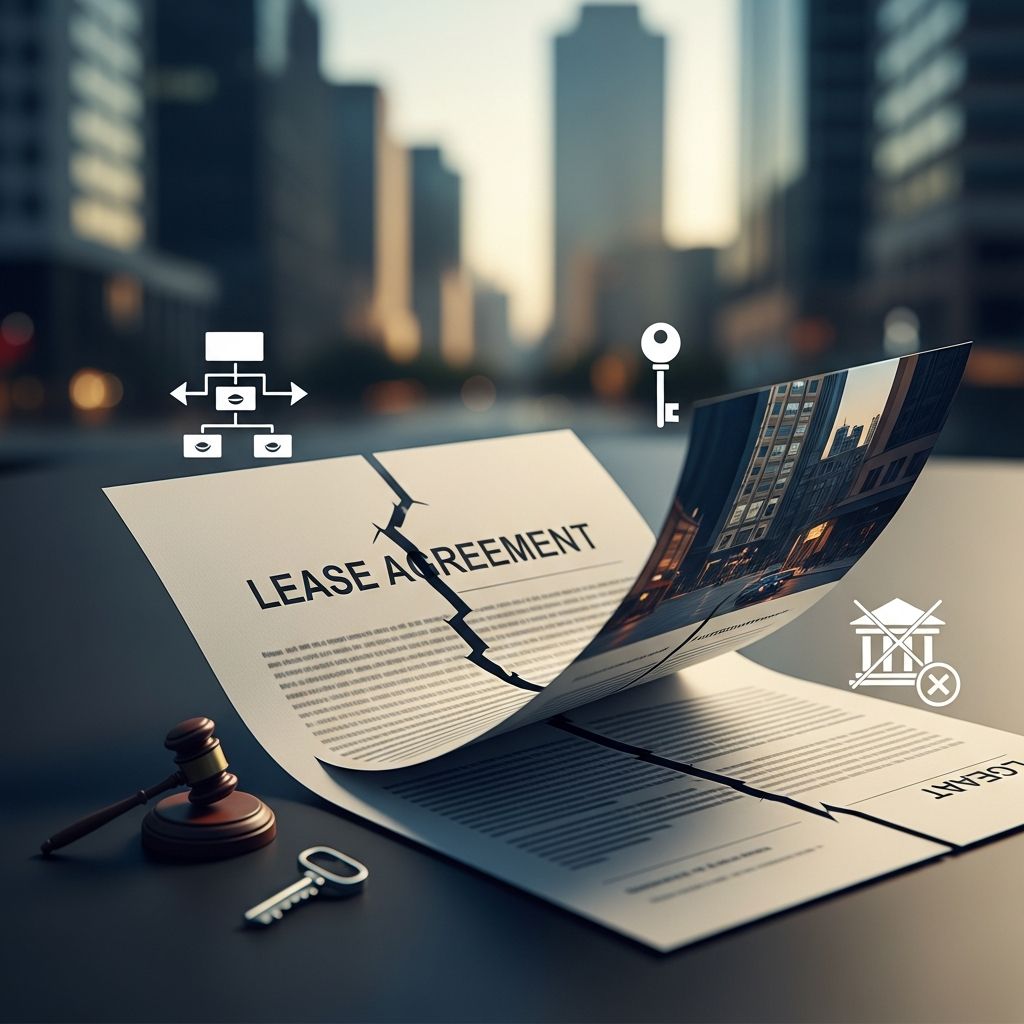
Commercial leases bind businesses to long-term commitments, often spanning five to ten years, which can become burdensome amid economic shifts or operational changes. When circumstances demand an early exit, understanding your options is crucial to avoid severe financial repercussions. This article delves into practical approaches, from contractual provisions to negotiation tactics, empowering tenants to navigate lease terminations effectively.
Understanding Your Lease Agreement Thoroughly
Before pursuing any exit strategy, a meticulous review of your lease document is essential. Commercial leases vary widely, with terms dictated by state laws and specific negotiations. Key sections to examine include duration, renewal options, and default clauses.
- Lease Term and Renewal:** Identify the exact end date and any automatic renewal provisions that could extend your obligation unexpectedly.
- Default and Remedies:** Note penalties for early departure, such as accelerated rent payments or liquidated damages.
- Assignment and Subletting Permissions:** Check if the lease permits transferring responsibilities to another party, often requiring landlord consent.
Professionals recommend documenting all communications and retaining copies of amendments. Failing to grasp these details can lead to unintended liabilities.
Leveraging Built-in Termination Provisions
Many commercial leases incorporate clauses designed for flexibility. These ‘break clauses’ or early termination options allow tenants to end agreements under predefined conditions, typically after a minimum occupancy period.
For instance, a break clause might activate after two years with 6-12 months’ notice. Conditions could involve paying a fee equivalent to several months’ rent or restoring the premises. If present, invoke it precisely to comply:
- Verify eligibility dates and notice requirements.
- Submit written notice via certified mail.
- Prepare for any associated costs or inspections.
Absence of such clauses doesn’t preclude options; amendments can sometimes be negotiated retroactively.
Negotiating Directly with Your Landlord
Landlords prefer amicable resolutions over litigation or vacant properties. Open dialogue often yields favorable outcomes, especially in softening markets where re-leasing is feasible.
Approach negotiations strategically:
- Timing:** Initiate early, ideally 6-12 months before desired exit, to allow market assessment.
- Rationale:** Present compelling reasons like business downsizing or relocation, backed by financial data.
- Incentives:** Propose covering re-leasing costs or short-term rent concessions.
Success hinges on mutual benefit; landlords may agree if your departure facilitates a higher-paying tenant.
Exploring Lease Buyouts and Surrenders
A lease buyout involves a lump-sum payment to mutually terminate the agreement. This ‘deed of surrender’ releases the tenant from future obligations, often calculated at 80-100% of remaining rent, plus legal fees.
| Buyout Factor | Typical Cost | Pros | Cons |
|---|---|---|---|
| Lump Sum Payment | 3-6 months’ rent | Immediate freedom | Upfront capital drain |
| Market Conditions | Discounted in weak markets | Lower effective cost | Higher in hot markets |
| Legal Fees | $1,000-$5,000 | Clean exit | Additional expense |
Surrenders are formal and binding, requiring attorney oversight to ensure enforceability. In business closures, this may be the only viable path.
Subleasing and Lease Assignments: Transferring Responsibilities
Subleasing lets you rent space to a third party while remaining primarily liable. Assignments fully transfer the lease, with landlord approval typically needed.
Key Differences:
- Sublease: Retain oversight; subtenant pays you, you pay landlord. Recovers 50-70% of rent usually.
- Assignment: Complete handover; original tenant off the hook unless sub-breaches occur.
Market your space via brokers, targeting compatible businesses. Landlord veto rights apply, often barring direct competitors.
Identifying Landlord Breaches for Leverage
If the landlord fails obligations—like maintenance or insurance—tenants may terminate without penalty. Common breaches include:
- Untimely repairs affecting usability.
- Violation of quiet enjoyment covenants.
- Non-compliance with local codes.
Document issues with photos, correspondence, and expert reports. This strengthens negotiation or court positions.
The Critical Role of Legal and Professional Guidance
Commercial real estate attorneys specialize in lease interpretation and advocacy. They assess viability of strategies, draft agreements, and represent in disputes.
Costs range from $200-$500/hour, but prevent costlier errors. Brokers assist in sublease marketing or buyout valuations.
Financial and Operational Impacts of Early Exits
Exiting affects cash flow, taxes, and credit. Buyouts may qualify as deductible expenses; subleases generate income.
Plan for:
- Security Deposit Forfeiture: Often applied to damages.
- Make-Good Obligations: Restore space to original condition.
- Personal Guarantees: Owners risk assets if guaranteed.
Align exits with business forecasts for minimal disruption.
Preventive Measures for Future Leases
Proactive drafting avoids future binds:
- Insist on early termination rights.
- Cap penalties and notice periods.
- Include force majeure for unforeseen events.
Shorter terms (3-5 years) with renewals offer flexibility.
Frequently Asked Questions (FAQs)
What is the typical cost of a commercial lease buyout?
Costs vary but often equal several months’ rent, negotiated based on remaining term and market demand.
Can I sublease without landlord permission?
No, most leases require consent; absolute prohibitions are enforceable.
How much notice is needed to invoke a break clause?
Usually 6-12 months, per lease terms.
What if my business goes bankrupt?
Bankruptcy allows rejection, but landlords claim damages as unsecured creditors.
Are personal guarantees always required?
Common for small businesses; negotiate limits or releases upon milestones.
References
- How to Break a Commercial Lease: Your Guide to Getting Out — Modus Coworking. 2023. https://moduscoworking.com/how-to-break-a-commercial-lease-your-guide-to-getting-out/
- How Do I Get out of a Commercial Lease? — Calabrese Law Associates. 2024-03-15. https://www.calalaw.com/blog/leave-commercial-lease/
- Five Ways To Break A Commercial Lease — Tenant CS Blog. 2023-08-10. https://www.tenantcs.com/blog/ways-to-break-commercial-lease
- Commercial Tenant Exit Strategies — Schneiders & Associates, LLP. 2022. https://rstlegal.com/commercial-tenant-exit-strategies/
- How To Get Out of a Commercial Lease — Meyer, Inc. 2024. https://www.meyerinc.com/resource-center/how-to-get-out-of-a-commercial-lease/
- How to Break a Commercial Lease When You Go Out of Business — Nolo. 2023. https://www.nolo.com/legal-encyclopedia/free-books/small-business-book/chapter12-4.html
Similar Articles








Read full bio of Sneha Tete




