
Strategies to Contest DUI Blood Test Evidence
Discover proven legal tactics to question the reliability of blood tests in DUI cases and protect your rights effectively.
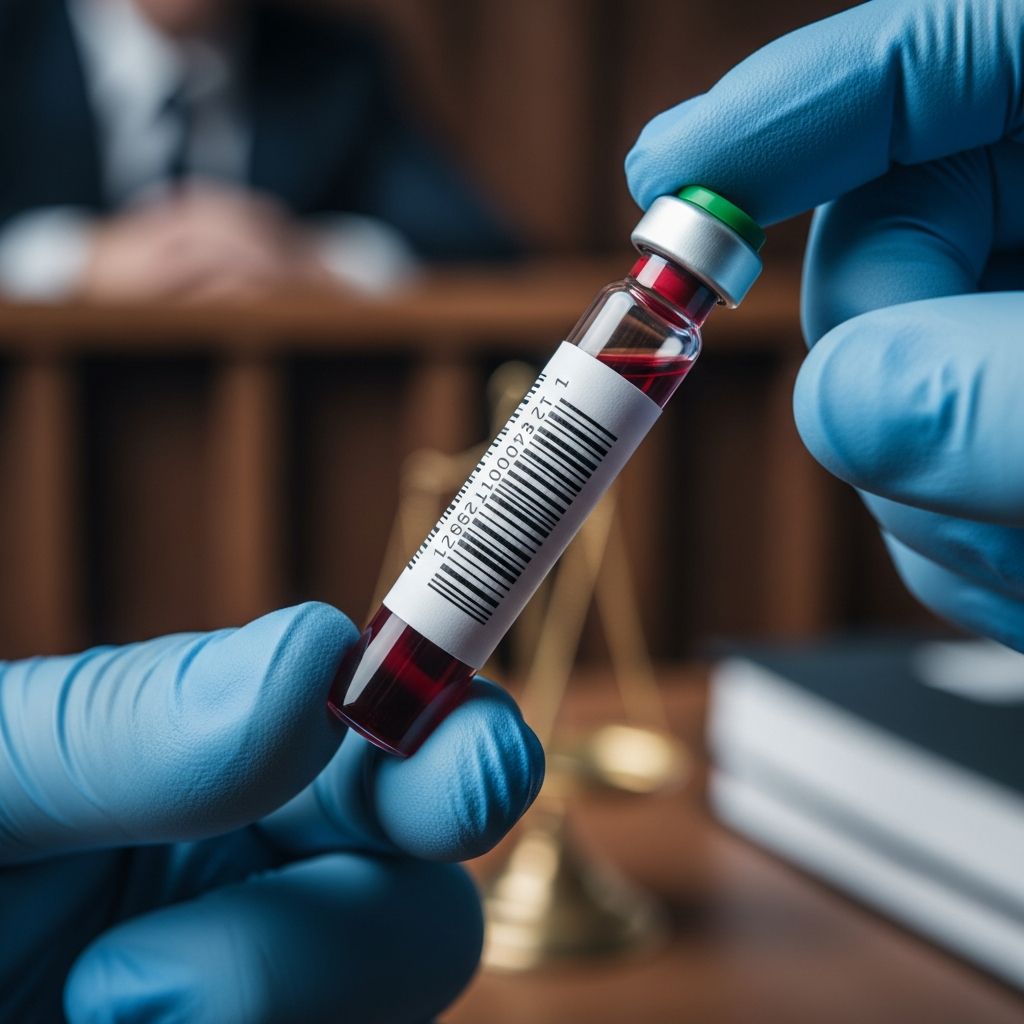
Blood tests serve as a cornerstone of evidence in driving under the influence (DUI) prosecutions, measuring blood alcohol concentration (BAC) to determine impairment. However, these tests are not infallible. Numerous factors—from collection mishaps to laboratory errors—can undermine their validity, providing avenues for skilled defense attorneys to contest the results. Understanding these vulnerabilities empowers individuals facing DUI charges to mount a robust defense, potentially leading to reduced charges or dismissal.
Understanding Blood Testing in DUI Investigations
In DUI cases, law enforcement relies on blood tests when breathalyzers are unavailable or when drug impairment is suspected. These tests quantify alcohol or substances in the bloodstream, with a BAC of 0.08% typically marking the legal threshold in most U.S. states. Yet, the process involves multiple steps: sample collection, preservation, transportation, and analysis, each ripe for scrutiny.
The National Highway Traffic Safety Administration (NHTSA) outlines strict protocols for chemical testing to ensure accuracy, emphasizing proper phlebotomy techniques and chain of custody maintenance. Deviations here can render results inadmissible, highlighting why defense strategies focus on procedural integrity.
Procedural Flaws During Sample Collection
The initial blood draw is critical. Phlebotomists must use sterile needles, antiseptics without alcohol (like iodine), and seal samples properly. Common issues include:
- Improper antiseptic use: Alcohol-based swabs can contaminate the sample, artificially inflating BAC readings.
- Inadequate training: Officers or technicians lacking phlebotomy certification may mishandle veins or introduce air bubbles, skewing results.
- Forced draws without warrants: In states like California, implied consent laws allow chemical tests, but forced draws require warrants; violations can suppress evidence.
Defense attorneys often subpoena training records and collection videos to expose these lapses. For instance, if the phlebotomist was not licensed for forensic draws, courts may exclude the test.
Chain of Custody Breakdowns and Labeling Errors
Once collected, blood vials must be labeled accurately, sealed, and logged through every handler until lab analysis. Breaks in this chain raise doubts about sample integrity:
- Mislabeled vials could test someone else’s blood.
- Broken seals expose samples to contamination or evaporation.
- Expired preservatives fail to prevent fermentation, altering alcohol levels over time.
Independent retesting by defense experts frequently yields different results, bolstering suppression motions. Courts demand meticulous documentation; gaps often lead to evidence dismissal.
Laboratory Analysis and Equipment Shortcomings
Labs process samples using gas chromatography, but errors abound:
| Issue | Impact | Defense Response |
|---|---|---|
| Expired kits or improper storage | Degraded preservatives cause false positives | Review kit expiration dates and temperature logs |
| Contaminated equipment | Interfering substances skew readings | Expert testimony on calibration failures |
| Hospital processing vs. crime labs | Lacks forensic protocols | Argue inadmissibility due to non-standard methods |
Hospitals, designed for medical diagnostics rather than criminal evidence, often bypass rigorous chain-of-custody rules, providing fertile ground for challenges.
Physiological and Environmental Influences
Blood tests assume uniform alcohol absorption, but variables like metabolism, hydration, and timing disrupt this:
- Rising BAC: If tested soon after drinking, levels may still climb, not reflecting driving impairment.
- Medical conditions: Ketoacidosis or medications can mimic alcohol.
- Contaminants: Fermentation in unpreserved samples produces ethanol post-collection.
Forensic toxicologists testify on these factors, using retroactive BAC calculations to demonstrate levels below 0.08% at driving time.
Legal Grounds for Suppressing Test Results
Beyond technical flaws, constitutional protections apply:
- Illegal stop: Without probable cause, all subsequent evidence, including blood, is fruit of the poisonous tree.
- Miranda violations: Coerced consent invalidates tests.
- Implied consent breaches: Failure to advise rights properly can exclude results.
Defense teams reconstruct timelines via dashcam footage, witness statements, and field sobriety performance to undermine probable cause.
The Role of Expert Witnesses in DUI Defenses
Forensic experts dissect lab reports, simulating conditions to replicate errors. Their affidavits support motions to suppress, often swaying pretrial hearings. In one documented case, expert analysis revealed preservative shortages, dropping BAC from 0.10% to 0.05% upon retest.
Practical Steps for Defendants
Immediate actions strengthen your case:
- Retain a DUI specialist promptly for evidence preservation requests.
- Request independent lab retesting.
- Document everything: medical history, consumption timeline, officer interactions.
- Prepare for DMV hearings, separate from criminal court.
Preparation anticipates prosecution tactics, turning weaknesses into acquittals.
Frequently Asked Questions (FAQs)
What if my blood test was done at a hospital?
Hospitals prioritize patient care over forensic standards, often lacking proper protocols for evidence handling, making results challengeable.
Can I retest my blood sample?
Yes, request the remaining sample for independent analysis; discrepancies frequently discredit prosecution evidence.
How long does a blood sample remain viable?
With proper preservatives, up to a year, but degradation occurs without refrigeration or sealing.
Does refusing a blood test help my case?
Refusal triggers license suspension but preserves sample integrity; warrants for forced draws must comply with legal standards.
What are the penalties for a successful challenge?
Dismissal or reduction to lesser charges like reckless driving, avoiding DUI convictions and their long-term impacts.
Building a Comprehensive Defense Strategy
Successful DUI defenses integrate multiple angles: technical critiques, legal motions, and alternative evidence like sobriety witnesses or safe driving records. Dashcam footage showing steady performance contradicts high BAC claims. By methodically dismantling the prosecution’s case, attorneys achieve favorable outcomes.
Video evidence from body cams or surveillance further corroborates client accounts, especially if field tests were passed adeptly. Combining this with expert critiques creates compelling narratives of reasonable doubt.
In conclusion, while blood tests appear scientific, human and systemic errors pervade the process. Vigilant defense uncovers these, safeguarding rights and futures.
References
- National Highway Traffic Safety Administration: DWI Detection and Standardized Field Sobriety Testing — NHTSA. 2023-07-01. https://www.nhtsa.gov/sites/nhtsa.gov/files/documents/dwi_detection_and_standardized_field_sobriety_testing_2023.pdf
- California Vehicle Code Section 23612: Implied Consent Law — California Legislative Information. 2024-01-15. https://leginfo.legislature.ca.gov/faces/codes_displaySection.xhtml?lawCode=VEH§ionNum=23612
- Forensic Toxicology Guidelines for DUI Testing — American Academy of Forensic Sciences. 2025-02-20. https://www.aafs.org/guidelines-forensic-toxicology-dui
- Chain of Custody Standards in Criminal Evidence — U.S. Department of Justice. 2024-11-10. https://www.justice.gov/forensic-science/chain-custody-standards
- Phlebotomy Standards for Legal Blood Draws — Clinical and Laboratory Standards Institute. 2023-05-12. https://clsi.org/standards/products/free-resources/pb1/
Similar Articles








Read full bio of Sneha Tete




